
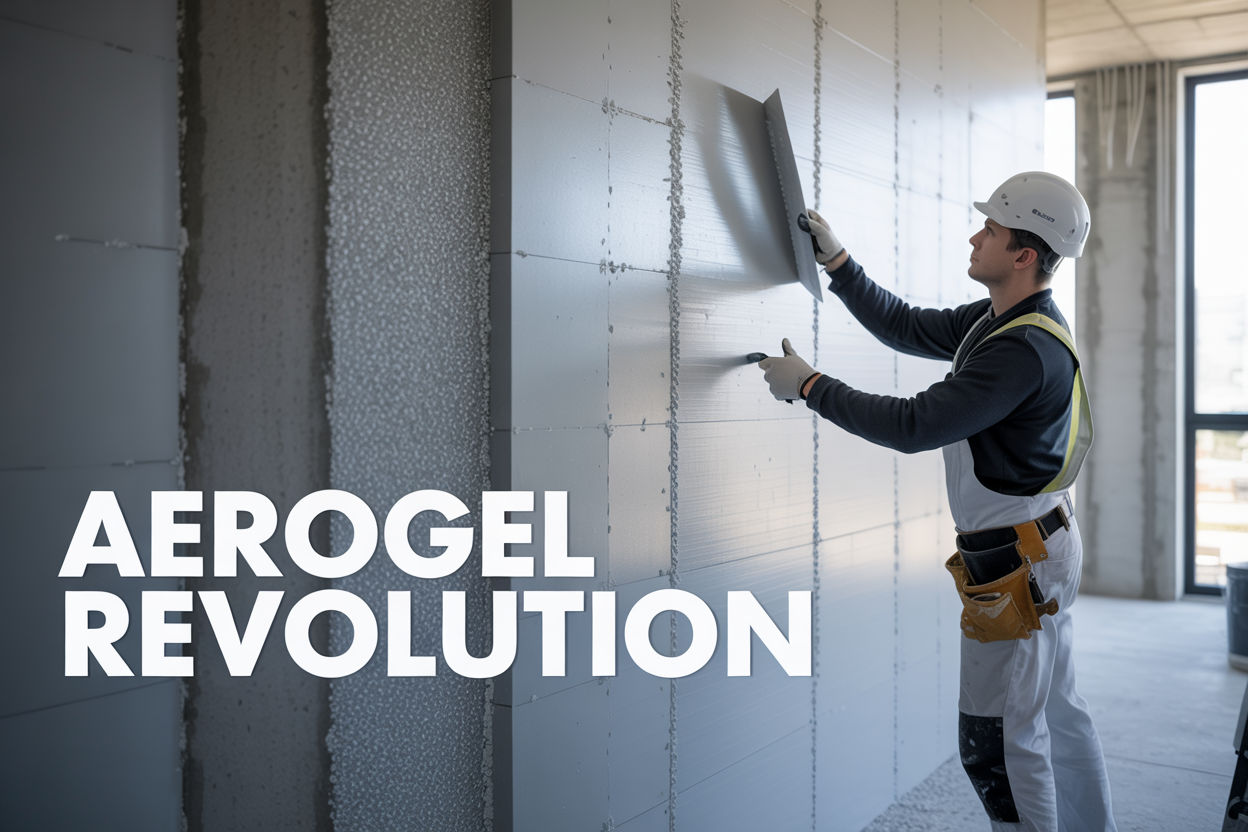
The Concrete Revolution: Using Aerogel Particles in High-Performance Insulating Plasters
The construction industry stands at the edge of a breakthrough as aerogel particles transform traditional plaster into super-efficient insulation systems. This revolutionary material delivers thermal performance that outpaces conventional insulation by up to 90%, opening new doors for architects, contractors, and building engineers who need to meet increasingly strict energy codes.
For construction professionals, building engineers, and architects seeking cutting-edge insulation solutions, aerogel-enhanced plasters offer a game-changing approach to thermal management. These advanced materials combine the ease of traditional plastering with the exceptional insulation properties of space-age technology.
This guide covers three essential areas: Understanding Aerogel Technology and Its Revolutionary Properties explains how these ultra-light particles achieve superior thermal resistance. Transforming Construction with Aerogel-Enhanced Plasters explores practical applications and installation methods. Performance Benefits in Real-World Applications examines measurable energy savings and long-term cost advantages that make this technology a smart investment for modern construction projects.
Understanding Aerogel Technology and Its Revolutionary Properties
What Makes Aerogel the Ultimate Insulation Material
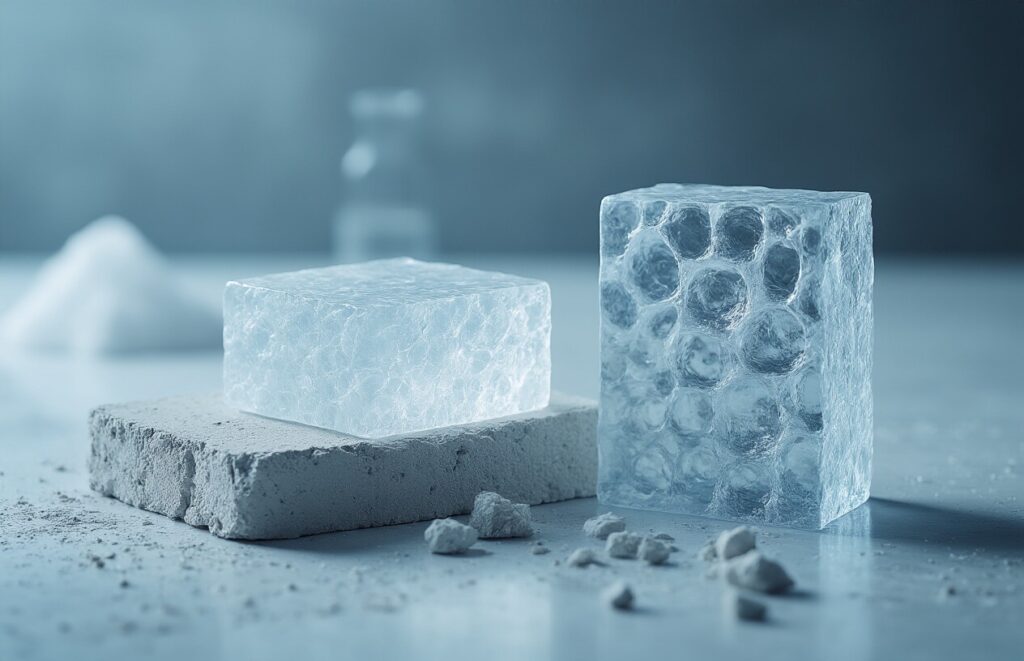
Aerogels represent revolutionary porous materials with three-dimensional nanostructures that achieve extremely low density and thermal conductivity. These unique materials feature nanoporous structures that trap air within their framework, creating exceptional thermal barriers that significantly outperform conventional insulation materials across multiple applications.
Scientific Principles Behind Aerogel’s Thermal Performance
The thermal insulation effectiveness of aerogels stems from their ability to minimize all three heat transfer mechanisms simultaneously. Their nanoporous structure effectively eliminates convective heat transfer, while the solid network’s minimal contact points drastically reduce conductive pathways. Additionally, the material’s low density and specialized composition limit radiative heat transfer, resulting in thermal conductivity values that approach the theoretical minimum for gaseous materials.
Key Advantages Over Traditional Insulation Materials
Aerogels demonstrate superior performance compared to conventional insulation materials through their combination of ultralow thermal conductivity, low weight, and structural versatility. Unlike traditional materials that often require significant thickness to achieve adequate thermal protection, aerogel-enhanced systems deliver exceptional insulation performance while maintaining reduced material volumes and enhanced mechanical properties for demanding construction applications.
Transforming Construction with Aerogel-Enhanced Plasters
How Aerogel Particles Integrate into Plaster Systems
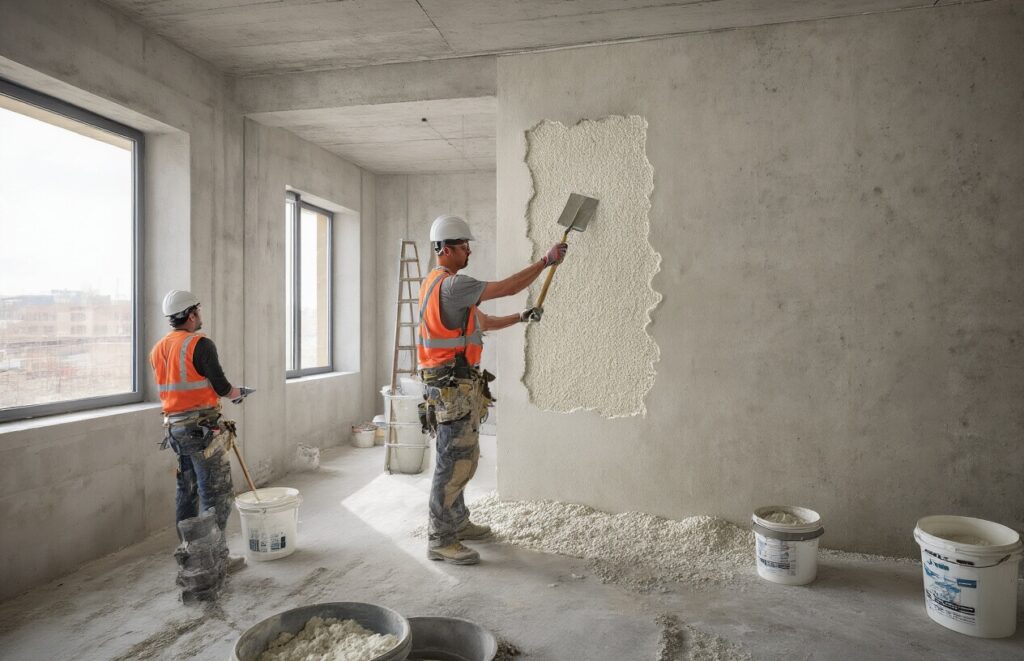
Integrating aerogel particles into traditional plaster formulations requires careful consideration of material compatibility and mixing protocols. The incorporation process involves dispersing lightweight aerogel granules throughout the plaster matrix while maintaining workability and adhesion properties.
Superior Thermal Efficiency for Modern Building Requirements
Lightweight Solutions for Structural Load Reduction
The integration of aerogel particles significantly reduces the overall weight of plaster systems compared to conventional insulating materials. This weight reduction translates to decreased structural loads on building frameworks, enabling more efficient construction designs and potentially reducing foundation requirements for new construction projects.
Performance Benefits in Real-World Applications
Dramatic Energy Savings Through Enhanced Insulation
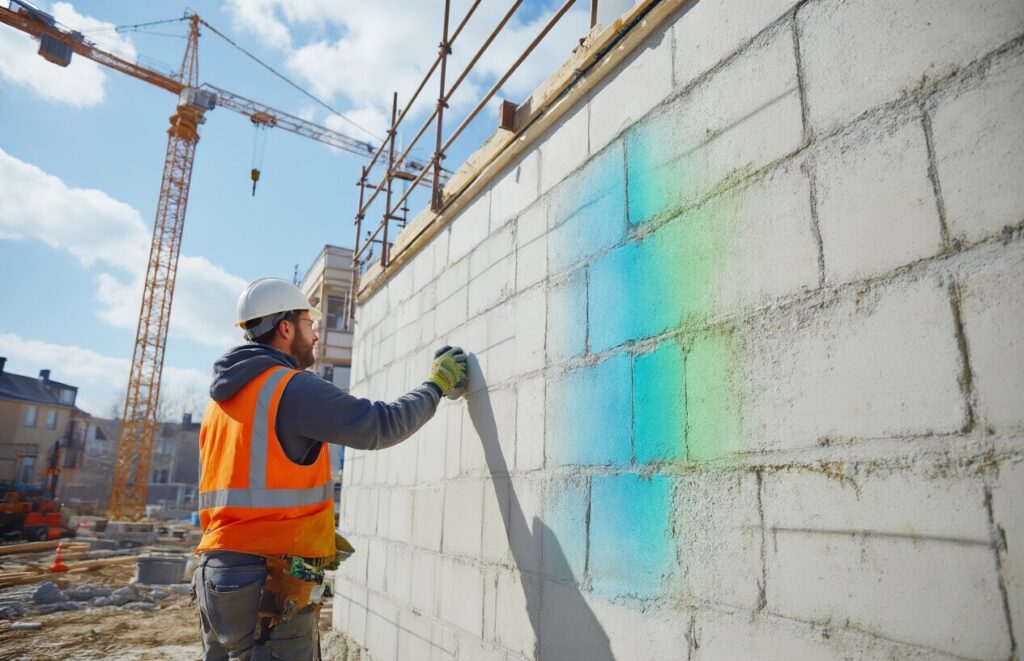
Research demonstrates that construction accounts for 42% of total global energy consumption, making thermal efficiency improvements critical for sustainability goals. Aerogel-enhanced plasters deliver exceptional thermal conductivity values between 0.013-0.018 W/m·K, significantly outperforming traditional materials like EPS (0.030-0.040 W/m·K) and rock wool (0.034-0.045 W/m·K). Real-world applications show remarkable results, with one historic building renovation achieving a 28% reduction in energy consumption in the first year after aerogel plaster was applied.
Moisture Control and Breathability Advantages
Aerogel particles provide superior hydrophobicity while maintaining excellent breathability, which is essential for building envelope performance. This unique combination prevents moisture accumulation within wall systems while allowing natural vapor transmission, making these plasters particularly valuable for historic building renovations where traditional materials must be preserved. The high breathability and water resistance of aerogel-enhanced plasters make them ideal solutions for humidity-prone environments where conventional insulation systems may fail.
Fire Resistance and Safety Improvements
Silica aerogel demonstrates exceptional fire resistance, achieving Class A1 fire ratings that surpass those of most traditional insulation materials. Unlike EPS, which degrades at temperatures below 100°C, aerogel maintains structural integrity at significantly higher temperatures, providing enhanced safety margins for building occupants. This superior fire resistance, combined with the material’s non-combustible nature, makes aerogel-enhanced plasters particularly suitable for applications where fire safety regulations are stringent or where existing building materials require compatible fire-resistant solutions.
Implementation Strategies for Construction Projects
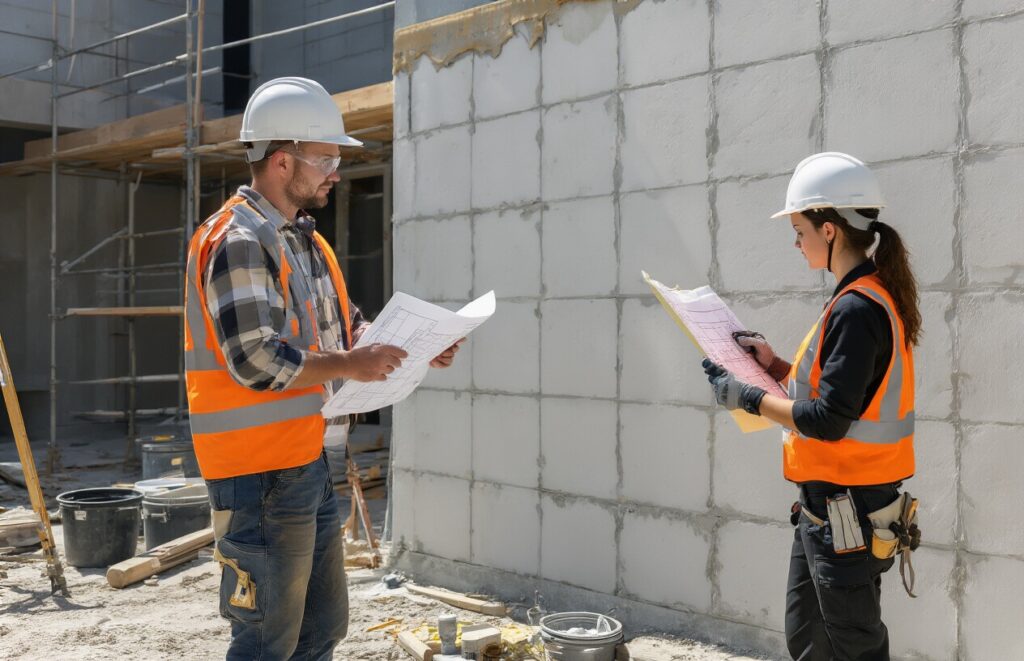
Application Techniques for Maximum Effectiveness. Having explored performance benefits previously, we now focus on practical implementation strategies and reveal critical application considerations. Aerogel insulation typically comes in flexible mats with 5mm or 10mm thickness, featuring thermal conductivity of 0.015W/mK. The vapor-permeable nature makes aerogel particularly suitable for retrofit projects and traditional buildings where moisture management remains paramount.
Cost-Benefit Analysis and Return on Investment
With aerogel’s thermal conductivity being 30% better than leading foam board products, the material provides exceptional performance despite higher initial costs. The thin profile reduces installation complexity, eliminating the need for door trimming or extensive structural modifications that typically accompany thicker insulation systems.
Compatibility with Existing Building Systems
Now that application techniques are established, compatibility assessment becomes essential for successful project implementation. Aerogel’s flexible nature enables reliable installation across various building types, including timber frame walls and solid masonry construction. However, wall finishes must meet vapor permeability requirements, avoiding foil-faced plasterboard and moisture-trapping paints that could compromise the system’s breathability.
Future Innovations and Market Developments

Emerging Aerogel Technologies in Construction
Technological advancements in aerogels, including nano-composting, supercritical drying, and sol-gel processes, are driving market expansion. These innovations in production techniques have led to improved scalability and reduced costs, making aerogels more accessible to construction applications. Supercritical drying technology has proven particularly effective for economic scale-up, with manufacturers utilizing refined sol-gel processes and supercritical drying methods to produce higher-quality aerogels with tailored properties for specific construction applications.
Environmental Impact and Sustainability Benefits
The growing awareness of environmental issues and the shift towards sustainable materials are pivotal in shaping the aerogel market. As industries strive to minimize their ecological footprint, aerogels offer viable solutions due to their low density and high efficiency. Research into bio-based aerogels and environmentally friendly production methods continues to attract investment, reinforcing their role as transformative materials that align with sustainability priorities and energy conservation goals.
Industry Adoption Trends and Growth Projections
The global aerogel market demonstrates robust growth, valued at USD 1.38 billion in 2024 and projected to reach USD 3.49 billion by 2030, growing at 17.0% CAGR. The building and construction segment is a significant application area, driven by increasing demand for energy-efficient solutions and superior thermal performance over traditional materials. North America currently dominates the market, accounting for 44.4% of global revenue. At the same time, Asia Pacific emerges as the fastest-growing region, driven in particular by infrastructure investments and smart city projects that emphasize energy efficiency.
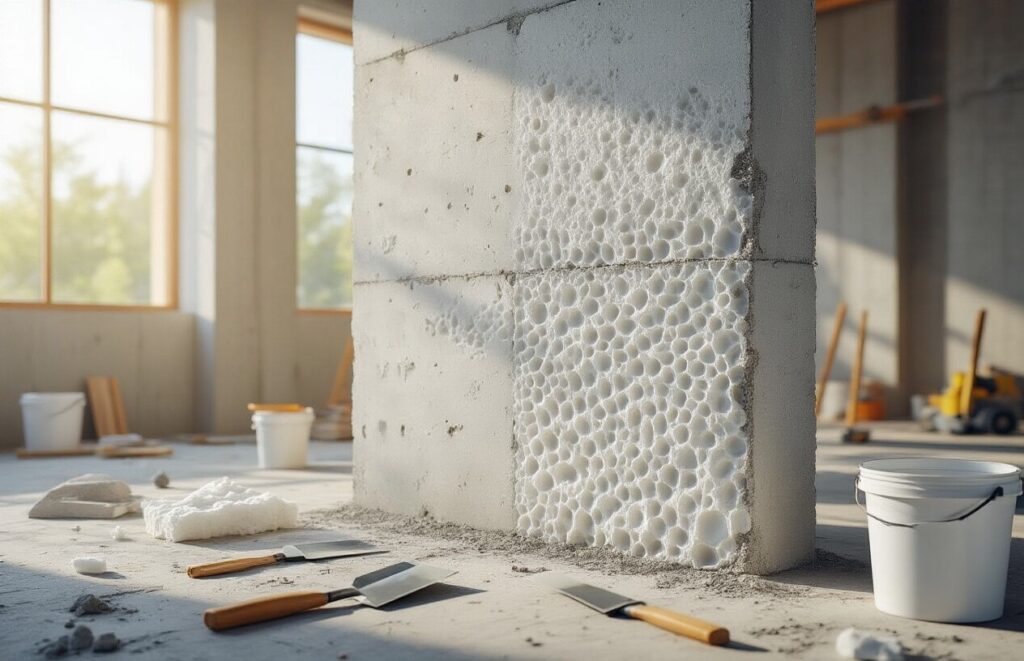
The integration of aerogel particles into high-performance insulating plasters represents a transformative advancement in construction technology. This revolutionary approach addresses the growing demand for energy-efficient building solutions while maintaining structural integrity and ease of application. The superior thermal performance, combined with the lightweight properties of aerogel-enhanced plasters, positions these materials as essential components for next-generation construction projects.
Construction professionals who embrace this technology will gain a competitive advantage in delivering buildings that meet increasingly stringent energy efficiency standards. The implementation strategies and performance benefits outlined throughout this discussion demonstrate that aerogel-enhanced plasters are not merely an experimental innovation but a practical solution ready for widespread adoption. As market developments advance and costs become more accessible, the construction industry stands on the threshold of a concrete revolution that will redefine insulation standards for decades to come.