
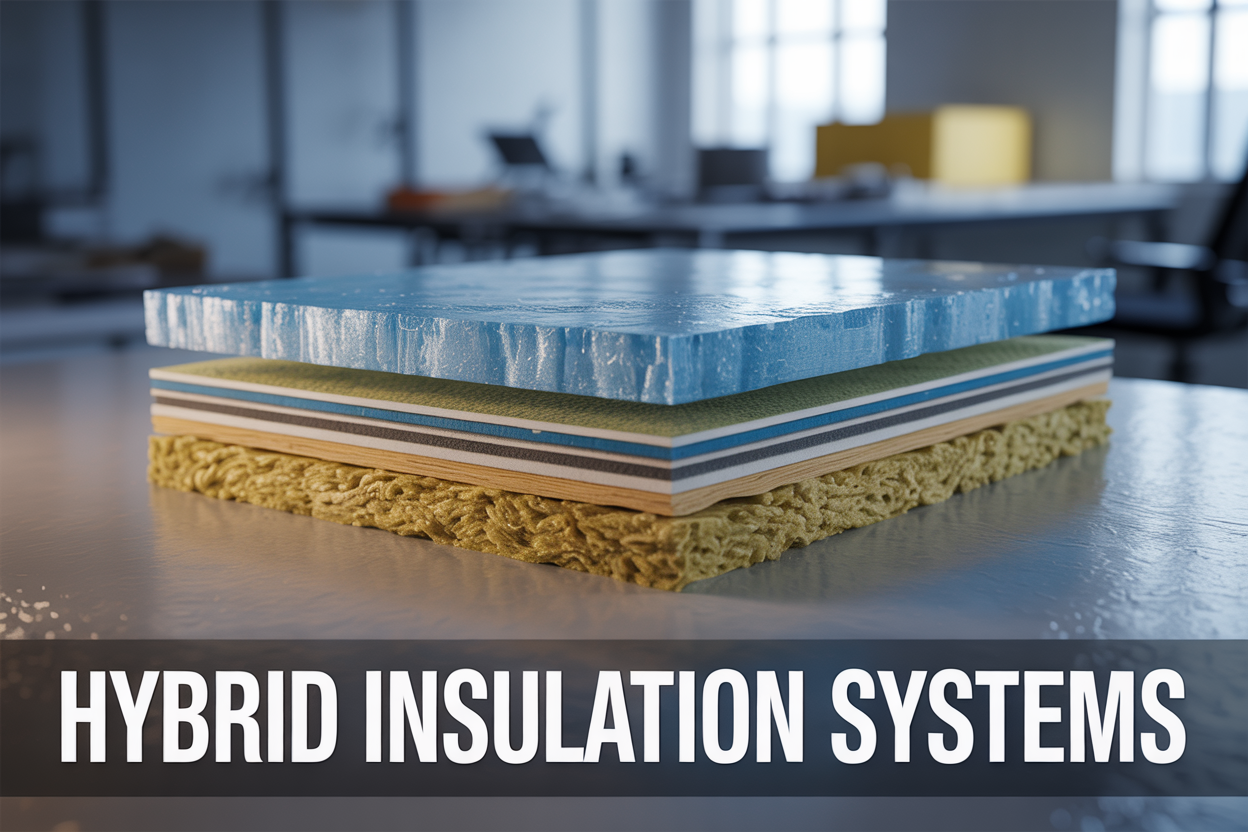
Aerogel is one of the most effective insulation materials available today — but its price tag has kept it out of reach for many industrial and commercial applications. That gap between performance and affordability is exactly where hybrid insulation systems come in.
This piece is written for engineers, procurement managers, sustainability leads, and facility operators who need high-performance thermal insulation without blowing the budget. Whether the project involves oil and gas pipelines, cold chain logistics, or building envelopes, hybrid systems offer a practical path forward.
Here’s what gets covered:
- How aerogel and conventional insulation materials work together — and why pairing them often outperforms either material used alone
- Real-world applications where hybrid insulation systems are already delivering measurable results across industries
- The cost vs. performance equation — breaking down where hybrid systems make financial sense and how recent manufacturing innovations are shifting that math
The goal is straightforward: give decision-makers a clear, grounded look at hybrid aerogel insulation so the right calls get made on the next project.
Understanding Aerogel as a High-Performance Insulation Material
What Makes Silica Aerogel Unique in Thermal Insulation
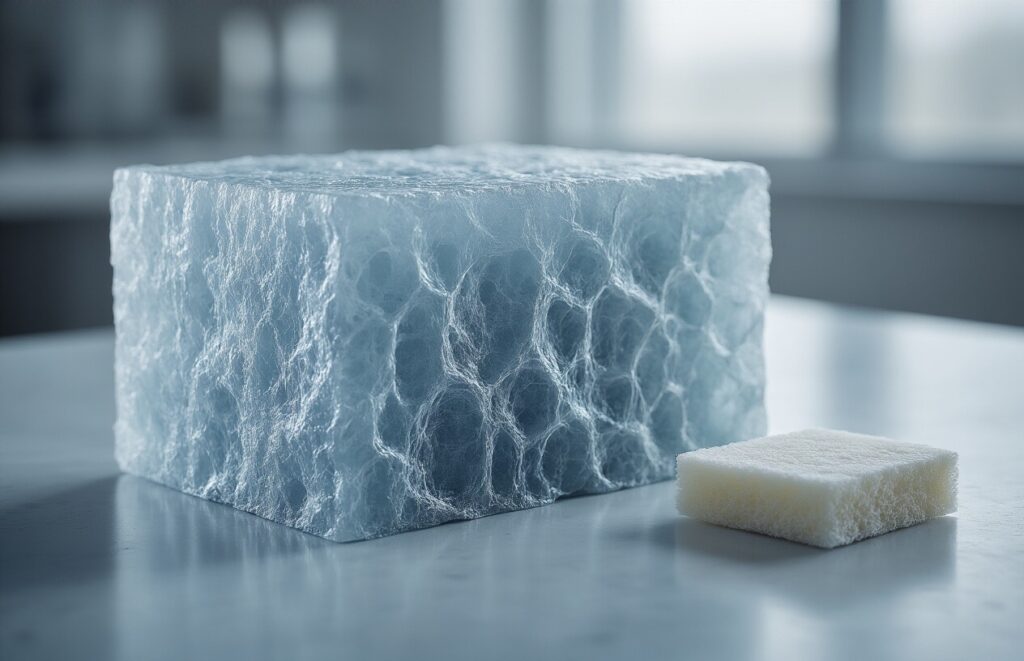
Silica aerogel stands as one of the most thermally efficient solid materials known, offering exceptional insulation performance within remarkably slim profiles. Its ultra-low density and highly porous structure minimize heat transfer by both conduction and convection, delivering performance that conventional materials simply cannot match at equivalent thicknesses.
Why Aerogel Has Historically Been Expensive and Hard to Deploy
High-performance insulation has long remained inaccessible due to prohibitive costs, excessive bulk, and significant deployment challenges. Companies like DashamLabs are actively addressing these barriers by engineering next-generation silica aerogel solutions that are cost-efficient, scalable, and easy to apply in real-world industrial environments.
Key Industries Benefiting from Aerogel Insulation
With this in mind, the industries positioned to gain the most from aerogel adoption include:
- Oil & Gas – pipeline and equipment thermal management
- Process Systems – maintaining precise temperature control
- Cold Chain Logistics – preserving temperature-sensitive goods
- Mobility – lightweight thermal solutions for vehicles
- Aerospace – extreme-environment insulation requirements
The Case for Hybrid Insulation Systems
A. Limitations of Conventional Insulation Materials Alone
High-performance insulation has historically remained inaccessible due to prohibitive costs, excessive bulkiness, and significant deployment challenges. These constraints have left industries struggling to adequately address heat losses, as conventional materials alone fail to meet the thermal demands of modern applications without considerable spatial and financial compromises.
B. How Combining Aerogel with Traditional Materials Bridges Performance Gaps
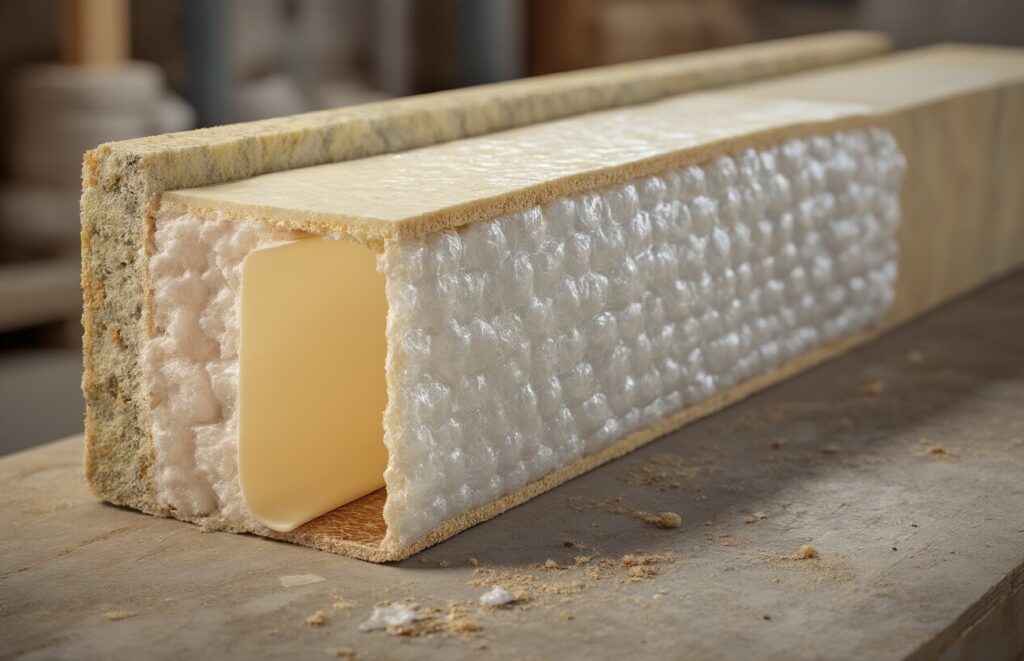
With this in mind, hybrid systems strategically integrate aerogel’s superior thermal resistance with the structural and economic advantages of conventional materials, directly addressing the performance deficiencies that neither solution resolves independently.
C. Cost-Efficiency Gains from Hybrid Approaches
Previously, achieving advanced insulation performance required full aerogel deployment at substantial expense. Hybrid configurations reduce aerogel usage while maintaining elevated performance standards, delivering meaningful cost reductions across industrial insulation projects.
How Hybrid Systems Work in Practice
Aerogel Flexible Sheets Paired with Conventional Insulation Layers
DashamLabs focuses on silica aerogel flexible sheets designed to integrate seamlessly alongside conventional insulation materials. This pairing allows facilities to leverage aerogel’s exceptional thermal resistance in targeted zones while relying on standard materials for broader coverage, optimizing both performance and budget allocation across diverse project types.
Deployment Ease and Installation Advantages
With this in mind, DashamLabs engineers their aerogel insulation specifically for ease of use and straightforward deployment. Through deliberate process innovation, these flexible sheets can be applied across various industries without complex tooling or specialized labor, significantly reducing installation time and associated project costs compared to more rigid or fragile insulation alternatives.
Key Applications Across Industries
A. Oil and Gas and Process Systems
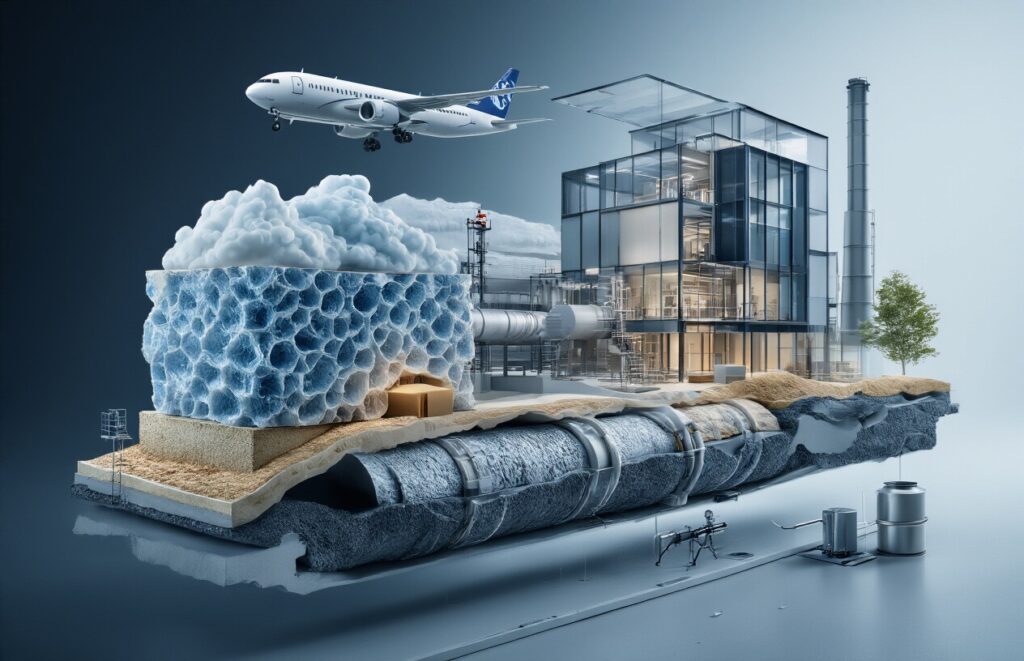
Aerogel insulation plays a critical role in oil and gas and process systems, where extreme temperatures and pipeline integrity demand superior thermal performance. Hybrid systems leverage aerogel’s low thermal conductivity alongside conventional materials to efficiently protect pipelines, vessels, and equipment.
B. Cold Chain and Temperature-Sensitive Logistics
With this in mind, cold chain logistics relies heavily on aerogel-hybrid insulation to maintain precise temperature control during the transportation of perishable goods, reducing thermal losses and ensuring product integrity throughout the supply chain.
C. Mobility and Aerospace Use Cases
Now that the industrial and logistics sectors have been addressed, aerogel hybrid systems also extend into mobility and aerospace applications, where lightweight yet highly effective insulation is essential for performance, safety, and energy efficiency across vehicles and aircraft.
Innovations Driving Down the Cost of Aerogel Hybrid Systems
A. Continuous Production at Scale as a Cost-Reduction Strategy
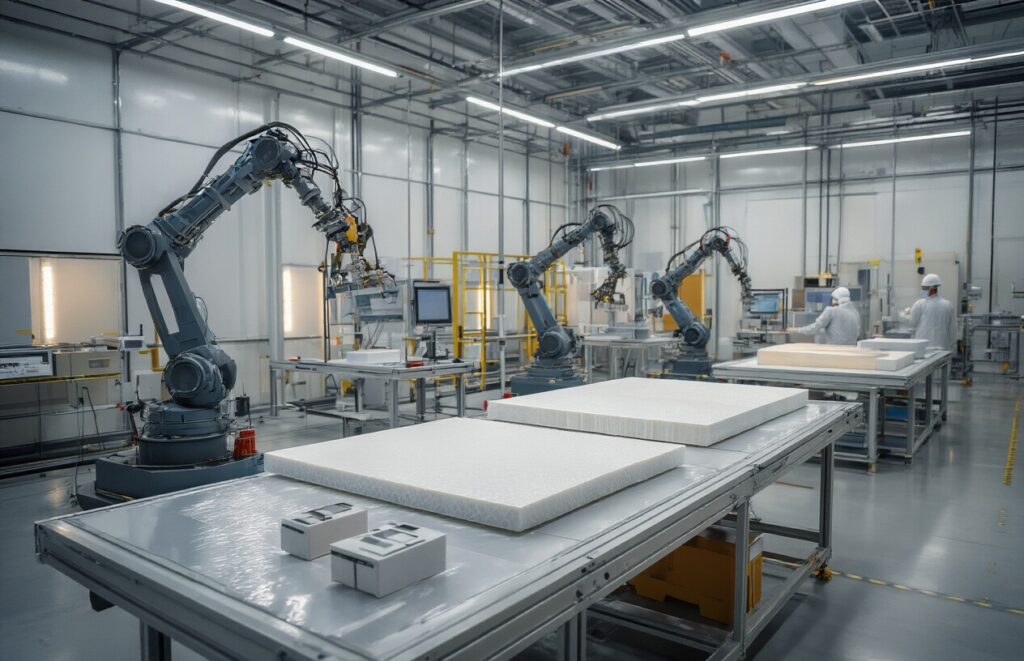
DashamLabs leverages continuous production at scale as a cornerstone strategy for making aerogel both cost-efficient and scalable. By moving away from batch-based manufacturing, this approach significantly reduces per-unit costs, enabling broader adoption of aerogel in hybrid insulation systems across industries.
B. Process Innovation Making Aerogel More Accessible
Process innovation remains central to DashamLabs’ mission of making aerogel accessible, scalable, and easy to integrate. With this in mind, next, advancements in manufacturing workflows directly translate into reduced costs and improved usability, lowering barriers for industries seeking high-performance hybrid insulation solutions.
C. Reducing Environmental Footprint Through Efficient Manufacturing
DashamLabs places strong emphasis on maintaining a minimal environmental footprint through efficient manufacturing practices. Now that cost and accessibility have been addressed, sustainability becomes equally critical — ensuring that the production of aerogel hybrid systems aligns with global energy efficiency goals without compromising environmental responsibility.
Evaluating Cost vs. Performance Trade-offs
Long-Term Energy Savings vs. Upfront Material Costs
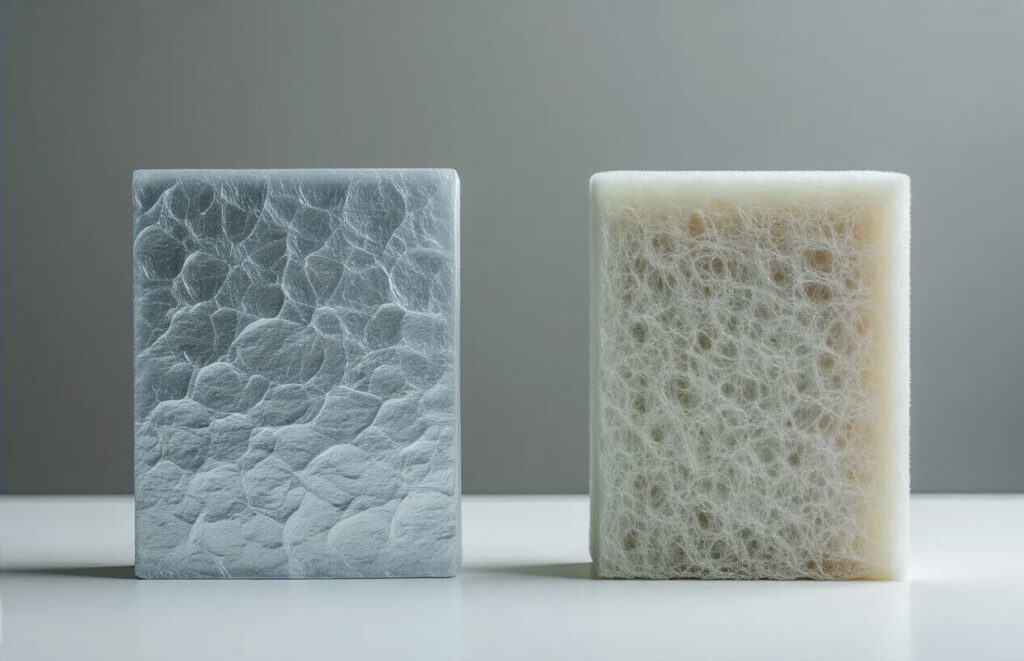
Evaluating hybrid insulation systems requires balancing initial capital expenditure against projected long-term thermal performance gains. While aerogel components carry premium pricing, their integration with conventional materials reduces overall system costs without significantly compromising efficiency. Energy savings accumulated over a building or industrial asset’s operational lifespan often justify the higher upfront investment, making lifecycle cost analysis an essential decision-making tool for engineers and procurement teams.
Scalability Factors That Influence Total Project Cost
With this in mind, scalability plays a critical role in determining total project economics. Larger installations benefit from bulk material procurement and streamlined application processes, reducing per-unit costs. Choosing the right hybrid ratio depends on application-specific thermal requirements, substrate compatibility, and budget constraints. A carefully calibrated aerogel-to-conventional-material proportion ensures optimal performance efficiency while maintaining financial feasibility across varying project scales and industry demands.
The Future of Hybrid Insulation in Global Energy Efficiency

Role of Advanced Materials in Reducing Industrial Heat Loss
Advanced materials like aerogel are redefining how industries approach energy efficiency, directly targeting heat loss at its source. By slashing energy waste across industrial operations, these materials contribute meaningfully to climate change mitigation while empowering sectors to operate more sustainably and responsibly.
Emerging Markets and Growing Demand for Scalable Insulation
With this in mind, the global demand for scalable insulation solutions is accelerating. The ambition to make aerogel insulation the natural choice worldwide signals a transformative shift, with emerging markets driving adoption and creating opportunities to deploy hybrid systems at an unprecedented scale.
How Domestic Manufacturing Advances Are Reshaping the Industry
Domestic manufacturing breakthroughs—exemplified by fully Indian-patented aerogel innovations—are proving that globally relevant advanced material solutions can originate locally. These developments position India as a credible leader in the advanced materials space, demonstrating that next-generation insulation revolutions need not be confined to traditional manufacturing powerhouses.

Hybrid insulation systems represent a practical and forward-thinking approach to one of industry’s most persistent challenges — reducing energy loss without compromising on budget or buildability. By strategically combining aerogel’s exceptional thermal performance with the accessibility of conventional materials, these systems deliver a compelling balance of efficiency and cost-effectiveness across sectors ranging from oil and gas to cold chain logistics and aerospace. As innovations in aerogel manufacturing continue to drive down costs and real-world applications demonstrate measurable performance gains, the case for hybrid systems grows only stronger.
The path toward global energy efficiency runs directly through smarter material choices. Aerogel-hybrid systems are no longer a niche solution reserved for high-budget projects — they are becoming a scalable, deployable standard for industries serious about sustainability and operational savings. Companies like DashamLabs are actively accelerating this shift, engineering next-generation silica aerogel insulation through process innovations that make high-performance insulation more accessible than ever before. For engineers, procurement leaders, and sustainability decision-makers, now is the time to evaluate hybrid insulation not as an upgrade, but as the new baseline for thermal management.