
Selecting the wrong silica aerogel insulation blanket can lead to performance failures, safety issues, and costly replacements down the line. This guide helps engineers, facility managers, and project specifiers navigate the complex landscape of aerogel insulation products to make informed purchasing decisions.
Silica aerogel insulation blankets offer exceptional thermal performance in a lightweight package, but products vary significantly in temperature resistance, mechanical properties, and environmental durability. The key lies in matching specific product characteristics to project requirements rather than assuming all aerogel blankets perform equally.
This comprehensive guide covers critical evaluation criteria, including temperature requirements and thermal performance specifications, which form the foundation of proper material selection. The discussion also examines mechanical properties, environmental resistance, and compliance standards that affect long-term reliability. Finally, the guide addresses practical considerations such as cost evaluation, supplier selection, and installation support to ensure project success from procurement through commissioning.
Determine Your Temperature Requirements
Identify Operating Temperature Range for Your Application
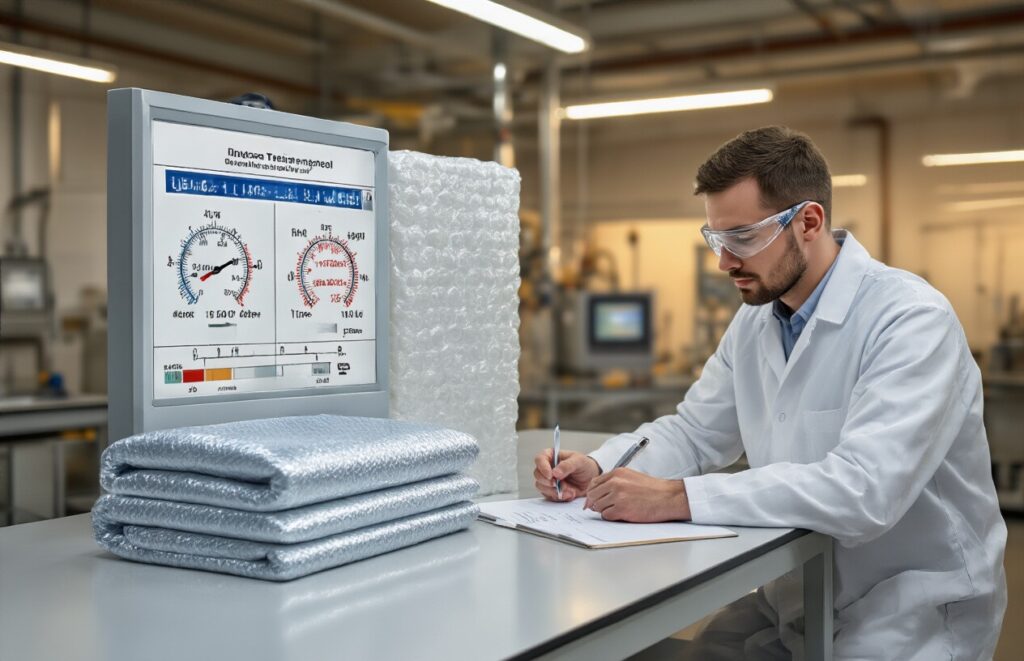
Determining the precise operating temperature range for your specific application serves as the foundation for selecting appropriate silica aerogel insulation. Silica-based aerogels typically remain stable between 300 and 800°C, making them suitable for various industrial applications. However, the temperature requirements vary significantly based on the intended use, from moderate industrial processes to extremely high-temperature environments.
Choose Between High-Temperature and Cryogenic Temperature Models
Applications requiring temperatures exceeding 1000°C demand specialized formulations and fiber reinforcement strategies to maintain structural integrity. Research demonstrates that certain fiber-reinforced aerogel composites can withstand extreme temperatures, with some ceramic nanorod aerogels exhibiting high-temperature resistance exceeding 1400°C while maintaining thermal conductivity of 0.026 W/(m·K) at room temperature without obvious shrinkage or fracture after extended exposure to flame conditions.
Evaluate Thermal Performance Specifications
Compare thermal conductivity values across different products
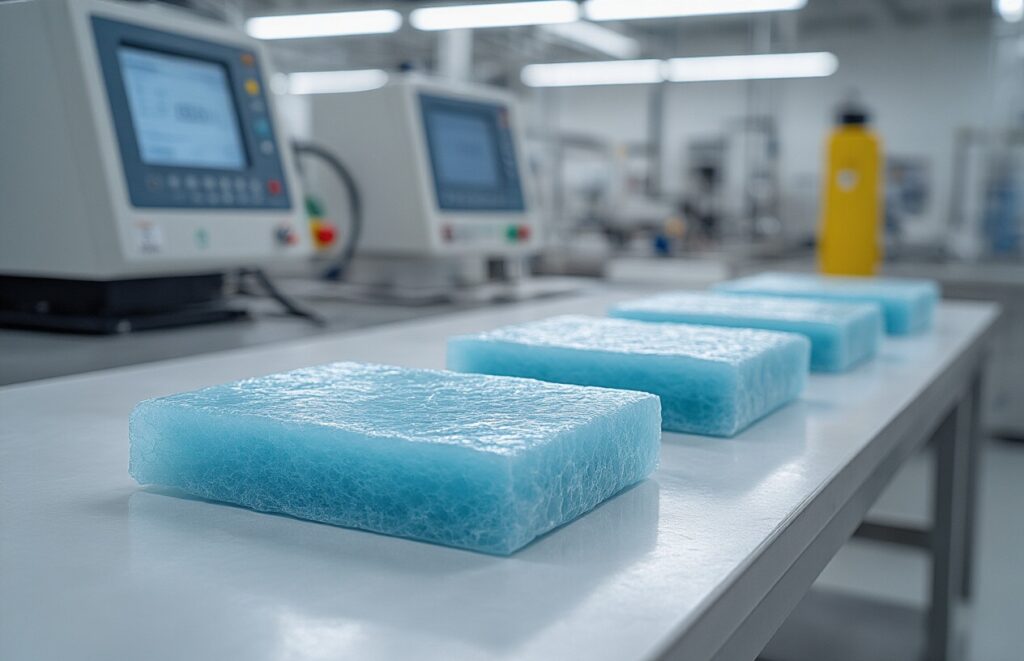
Aerogel blankets demonstrate exceptional thermal performance with conductivity values as low as 0.023-0.024 W/mK at standard testing conditions. These measurements represent the lowest thermal conductivity known among solid materials, achieved through aerogel’s unique structure of 97% air-filled nano-sized pores and 3% silica solids.
Understand R-value requirements for your insulation needs.
The extremely low thermal conductivity of aerogel translates to superior R-value performance, making these blankets ideal for applications requiring maximum insulation efficiency in minimal thickness. This characteristic enables a significant reduction in building envelope thickness while maintaining or improving energy efficiency compared to conventional insulation materials.
Verify testing standards and real-world performance data
Thermal conductivity measurements should conform to ASTM C518-15 standards using Heat Flow Meter methodology, which provides accuracy within 3% and precision of 0.5% or better. Testing conducted at controlled temperature differentials (such as 10°C to 30°C) ensures reliable performance data across typical operating conditions.
Assess Mechanical Properties and Durability
Determine compression resistance requirements for your application.
Aerogel blankets exhibit a compression strength of around 300 kPa, providing adequate load-bearing capacity for most insulation applications. However, tensile strength remains significantly lower, at approximately 16 kPa, due to the highly open silica structure, which is connected by minimal siloxane bonds. This characteristic fragility necessitates careful evaluation of compressive loads in specific applications.
Evaluate flexibility needs for pipe and equipment wrapping.
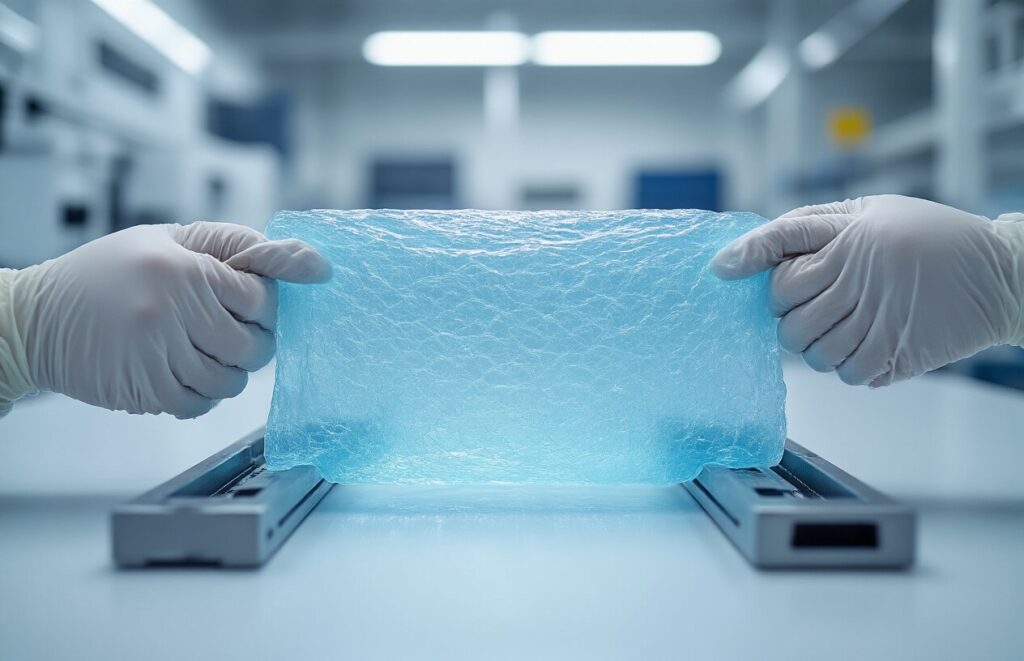
The fiber matrix reinforcement in aerogel-enhanced blankets compensates for the poor mechanical properties of pure aerogels while maintaining the essential flexibility required for curved surfaces. Commercial products utilize non-woven fiber matrices, including glass, mineral, or carbon fibers that enable effective wrapping around pipes and equipment without compromising thermal performance or structural integrity.
Consider Environmental Resistance Factors

Choose between hydrophobic and hydrophilic properties based on moisture exposure.
Moisture resistance represents a critical factor when selecting aerogel insulation materials, as water infiltration can severely compromise thermal performance. Hydrophobic aerogel formulations incorporate surface modifications that repel water, maintaining insulation effectiveness in humid environments or areas prone to moisture exposure. These materials demonstrate superior performance in building-envelope applications where vapor barriers may be compromised, as well as in industrial settings with high humidity levels.
Evaluate fire resistance and safety certifications needed.
Fire safety requirements mandate careful evaluation of aerogel insulation’s combustion characteristics and compliance with building codes. The manufacturing processes and chemical precursors used in aerogel production directly influence flame-resistance properties, necessitating assessment of ignition temperature, flame-spread ratings, and toxic gas emissions during combustion. Regulatory frameworks such as REACH in the European Union establish comprehensive safety standards for chemical substances used in aerogel production, ensuring materials meet acceptable risk thresholds for human health and environmental protection throughout their operational lifespan.
Select Appropriate Thickness and Physical Dimensions
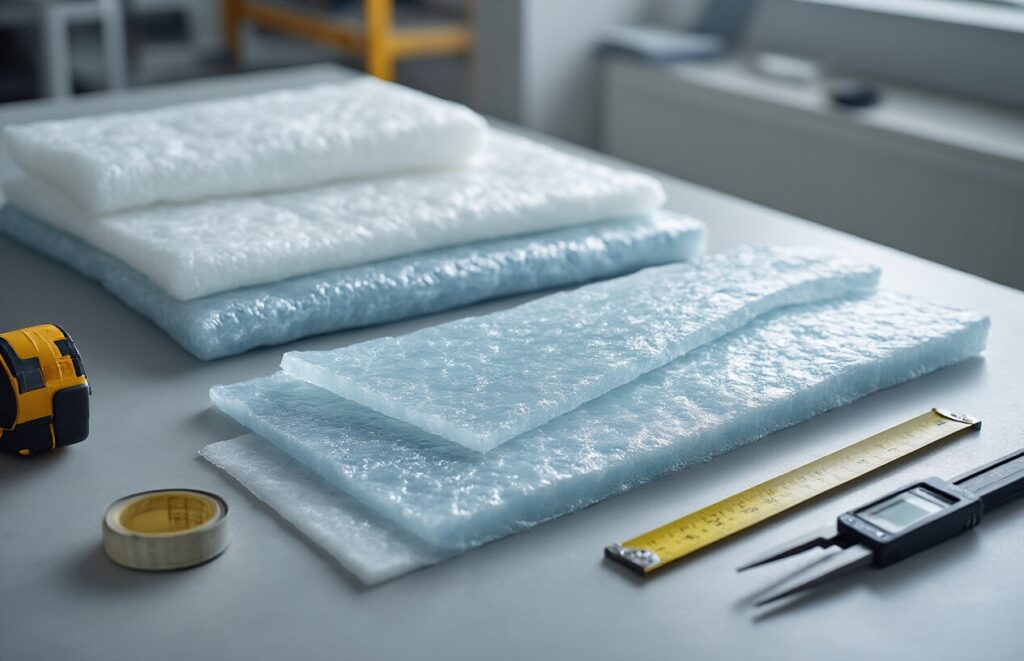
Balance insulation performance with available installation space
Previously established thermal performance requirements must now be balanced against physical space constraints. Aerogel blanket thickness directly impacts insulation effectiveness, with thicker materials providing superior thermal protection. However, installation environments often impose dimensional constraints that require careful consideration of the available clearances around pipes, equipment, and structural elements.
Review standard thickness options from manufacturers.
Standard aerogel blanket offerings include common thicknesses such as 5mm and 10mm options. Manufacturers typically provide specific dimensional constraints for each thickness variant. For example, Pyrogel XTE 5mm blankets accommodate maximum lengths of up to 35 feet, while 10mm versions are limited to 20 feet due to handling and shipping considerations.
Ensure Compliance and Quality Standards
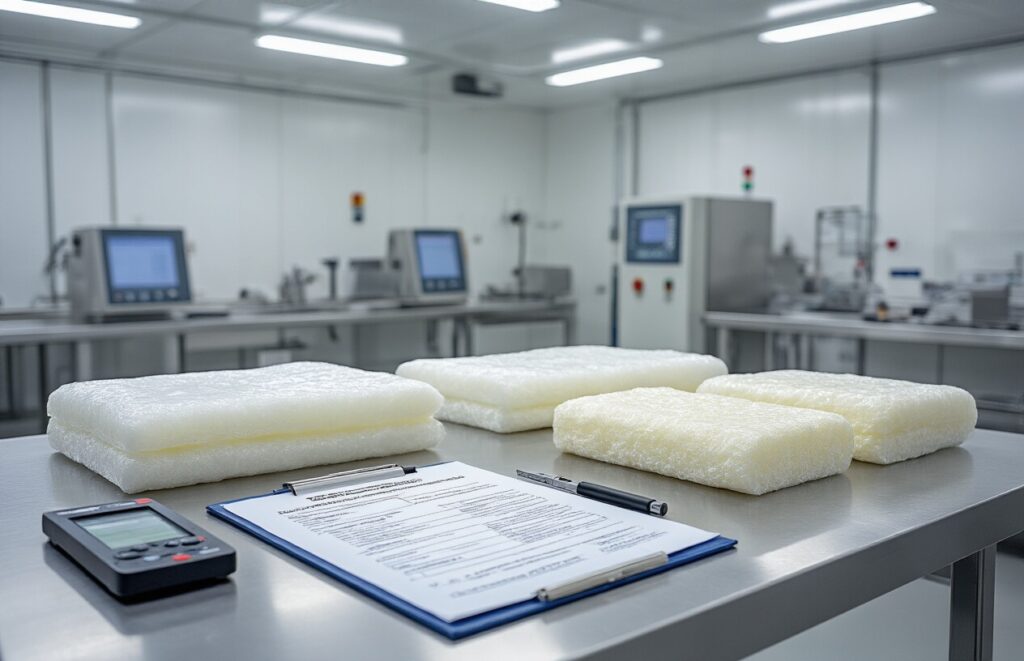
Verify ASTM C1728 Certification and Industry Compliance
ASTM C1728 is the definitive performance standard for flexible aerogel insulation, establishing classification, testing, and performance criteria for products operating over the temperature range -196°C to 649°C. This standard defines five distinct types of flexible aerogel insulation based on maximum service temperature and sets minimum performance requirements for thermal conductivity, water resistance, corrosion compatibility, and mechanical durability.
Review Third-Party Testing Reports and Quality Documentation
Compliance with ASTM C1728 ensures rigorous testing across critical performance areas, including thermal performance, safety protocols, durability assessments, and corrosion compatibility measures. Specifying ASTM C1728 compliance transforms aerogel insulation from a specialty material into a trusted industrial solution, providing a robust framework for product evaluation and approval confidence across oil and gas, petrochemical, power generation, and food processing sectors.
Evaluate Total Cost of Ownership

Compare Initial Investment Versus Long-term Energy Savings
Aerogel insulation commands premium prices between $2-4 per square foot, representing costs 5-10 times higher than traditional fiberglass materials. However, this substantial upfront investment yields significant long-term returns through energy savings of 15-30%, typically translating into annual savings of $360-$720 for average homes. Over 20 years, aerogel insulation yields cumulative energy savings of $12,000 to $18,000, with total returns often exceeding 300-400% of the initial investment when factoring in property value increases and avoided replacement costs.
Factor in Installation Time and Labor Efficiency Benefits
Installation costs add $1-3 per square foot to project expenses, with aerogel requiring specialized handling techniques that extend installation time by 20-30% compared to conventional materials. Despite longer installation periods, the space-saving benefits provide significant efficiency advantages, requiring only 10-20mm thickness versus 100-200mm for traditional insulation. This dramatic reduction in thickness proves particularly valuable in space-constrained projects where every inch matters, ultimately offsetting increased labor requirements by preserving usable square footage and enhancing building functionality.
Choose Reliable Suppliers and Installation Support

Assess the manufacturer’s reputation and technical expertise.
Leading aerogel manufacturers demonstrate expertise through extensive application portfolios spanning LNG facilities, refining operations, and subsea projects. Established companies like those with over 20 years of subsea experience and installation bases exceeding 1,497 km showcase proven technical capabilities across diverse industrial environments.
Evaluate the availability of installation guidance and support.
Manufacturers offering comprehensive solutions typically provide specialized support for capital projects, helping reduce project duration and expenses while avoiding rework. Companies with proven track records in complex applications, such as floating production vessels and district energy systems, demonstrate the technical support capabilities essential to successful aerogel insulation implementation.

Selecting the right silica aerogel insulation blanket requires a comprehensive evaluation of multiple factors working in harmony. Temperature requirements, thermal performance specifications, mechanical properties, environmental resistance, physical dimensions, compliance standards, total cost of ownership, and supplier reliability all play crucial roles in determining the optimal solution for each project. The key lies in finding the right balance among performance, durability, and cost, tailored to specific operating conditions and requirements.
Rather than pursuing the “most advanced” product, successful aerogel blanket selection focuses on matching material capabilities to actual project needs. The higher initial investment in aerogel technology often proves justified when considering the total life cycle costs, including energy savings, reduced maintenance requirements, and extended service life. By carefully evaluating each criterion outlined in this guide and working with reputable suppliers that provide reliable technical support and comprehensive testing documentation, projects can harness the full benefits of aerogel insulation technology while ensuring long-term performance and reliability.