
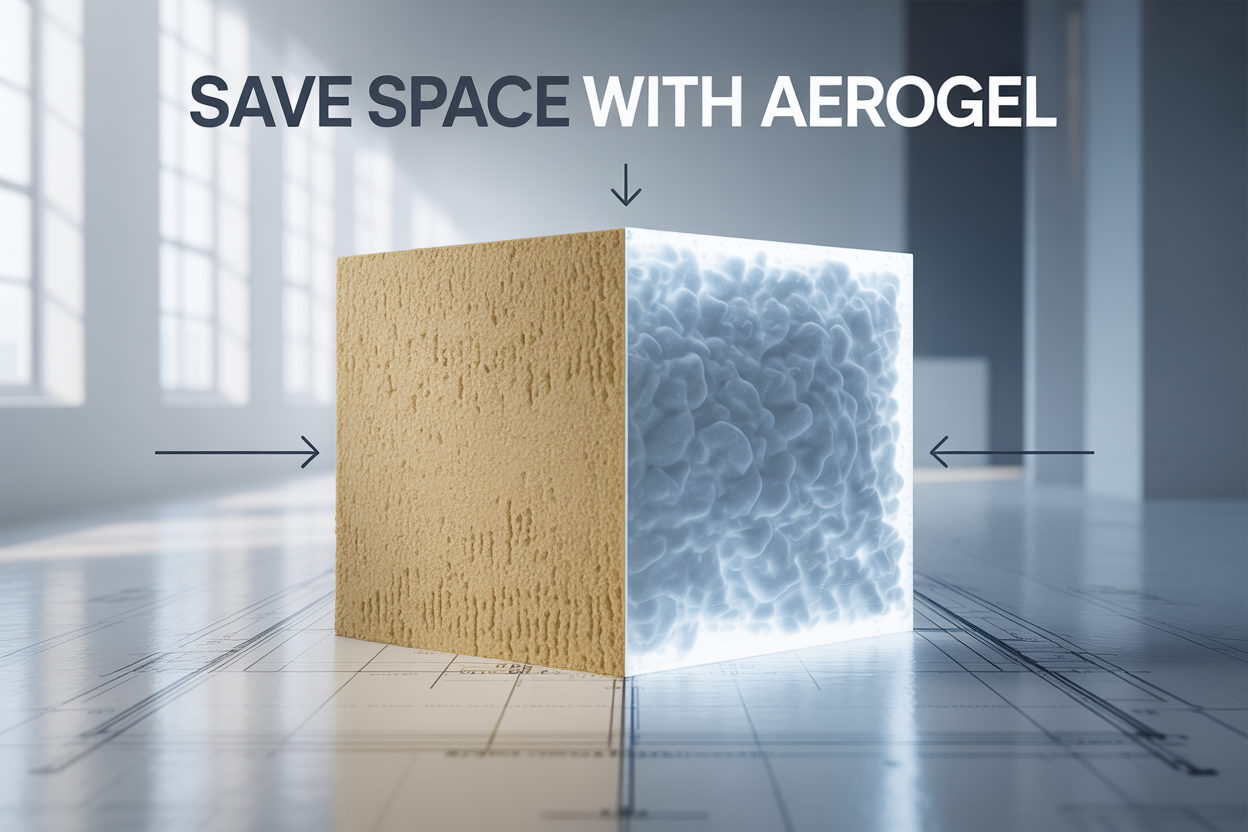
If you’re designing pipelines, cold storage units, or any system where wall thickness directly eats into usable space, you’ve probably hit a frustrating wall — pun intended. Traditional insulation gets the job done, but it requires a lot of space. That’s a real cost, especially when every centimeter of lost space translates into lost capacity, increased material usage, or a larger footprint altogether.
Thin-wall aerogel insulation changes that math entirely.
This post is for engineers, facility designers, and procurement teams who want to understand exactly how much physical space aerogel insulation can recover — and what that means in practice. We’ll break down why traditional insulation hogs so much real estate, how thin-walled aerogel delivers the same or better thermal performance at a fraction of the thickness, and which industries are already seeing measurable gains from switching.
No fluff — just the numbers and the reasoning behind them.
Understanding the Real Estate Problem with Traditional Insulation
Why Conventional Insulation Takes Up Valuable Space
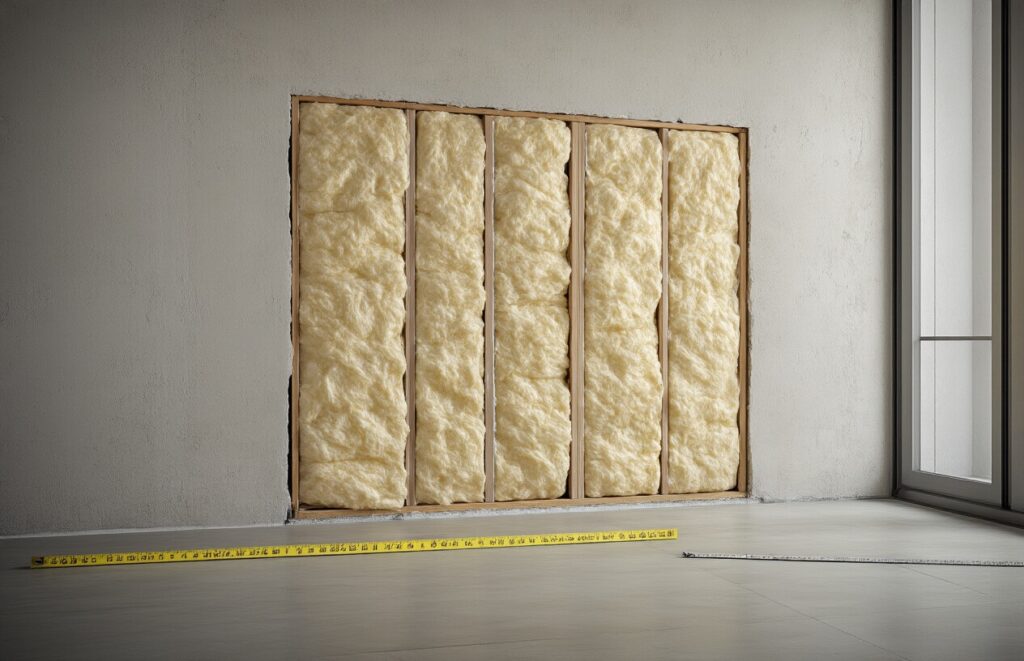
High-performance insulation has historically been inaccessible due to its inherent bulkiness. Traditional insulation materials require significant thickness to achieve meaningful thermal resistance, consuming floor area, wall depth, and ceiling clearance that could otherwise be used for productive purposes. In industrial and commercial environments, every square foot carries a tangible dollar value, making bulky insulation a silent drain on usable real estate.
The Hidden Cost of Bulky Insulation in Industrial and Commercial Settings
With this in mind, the true cost extends beyond material expenses. Traditional insulation is often too difficult to deploy effectively, limiting operational flexibility. Thick walls reduce rentable square footage, restrict equipment placement, and complicate retrofits. These constraints force designers and facility managers to compromise on layout efficiency, ultimately sacrificing space that directly impacts productivity and revenue potential.
What Makes Aerogel a Space-Saving Powerhouse
The Science Behind Aerogel’s Ultra-Thin, High-Performance Structure
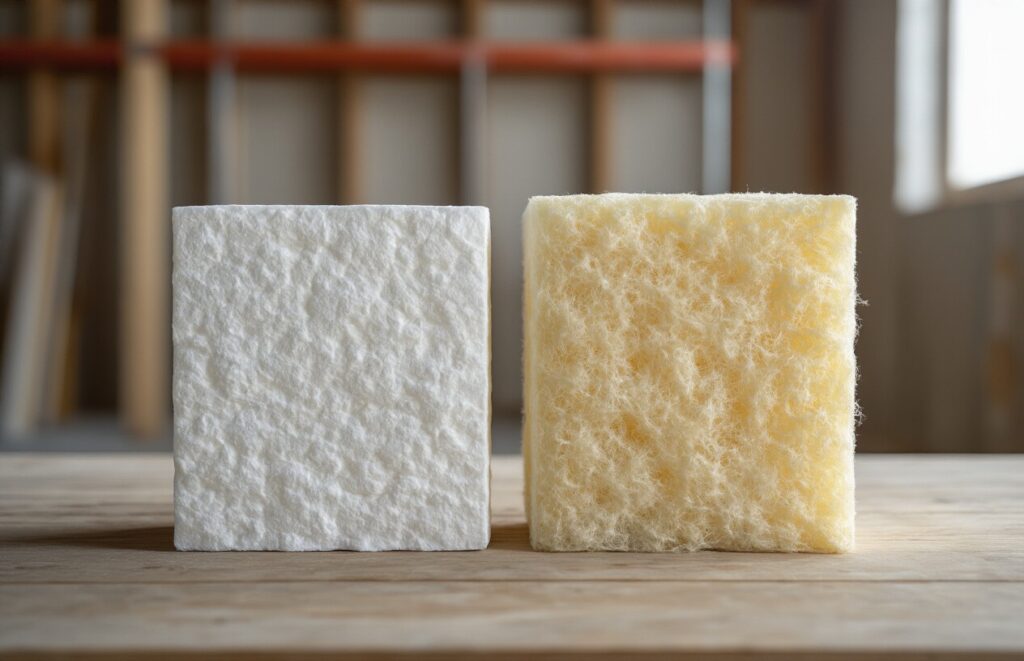
Silica aerogel achieves its remarkable insulating performance through an extraordinarily porous nanostructure that traps air at the molecular level, dramatically reducing heat transfer. DashamLabs leverages this science to engineer next-generation flexible silica aerogel sheets that deliver high performance at a fraction of the thickness required by conventional materials. This structural advantage translates directly into usable space recovered across walls, pipes, and panels.
How Silica Aerogel Flexible Sheets Outperform Traditional Insulation per Inch
With this in mind, next, we’ll see why flexibility matters as much as thinness. DashamLabs’ silica aerogel flexible sheets combine conformability with superior thermal resistance, allowing installation in tight or irregular spaces where rigid boards simply cannot compete. The result is a high-performance insulation solution that maximizes thermal efficiency without sacrificing precious real estate — a critical advantage in space-constrained applications across industries.
Comparing Thermal Performance Across Insulation Thicknesses
| Insulation Type | Relative Thickness Needed | Performance Level |
| Traditional Insulation | High | Standard |
| Silica Aerogel Flexible Sheets (DashamLabs) | Low | High Performance |
Quantifying the Real Estate Savings with Thin-Wall Aerogel

How Much Space Can You Recover in Pipes, Walls, and Equipment
Thin-wall aerogel insulation delivers measurable space recovery across pipes, walls, and industrial equipment by achieving equivalent thermal performance at a fraction of the thickness required by conventional materials. Where traditional insulation might demand several inches, aerogel blankets accomplish the same result in under an inch, directly translating into reclaimed floor area, wider operational corridors, and leaner equipment footprints.
Real-World Examples Across Oil and Gas, Cold Chain, and Mobility
With this in mind, industries ranging from oil and gas pipelines to refrigerated cold chain logistics and mobility platforms have documented tangible spatial gains. Thinner pipe insulation reduces overall system diameter, enabling tighter routing in congested installations. In mobility applications, reduced insulation bulk allows for greater payload capacity or redesigned cabin layouts, demonstrating that aerogel’s space efficiency cascades into compounding operational advantages across diverse industrial settings.
Accessibility and Deployment Advantages of Modern Aerogel
Why Previous Aerogel Solutions Were Too Bulky or Expensive to Scale
Historically, high-performance insulation — including early aerogel solutions — remained out of reach for most industries due to three compounding barriers: prohibitive cost, excessive bulk, and deployment complexity. These limitations prevented aerogel from scaling beyond niche aerospace or defense applications, leaving most industries dependent on thicker, less efficient alternatives.
How Flexible Aerogel Sheets Simplify Installation in Tight Spaces
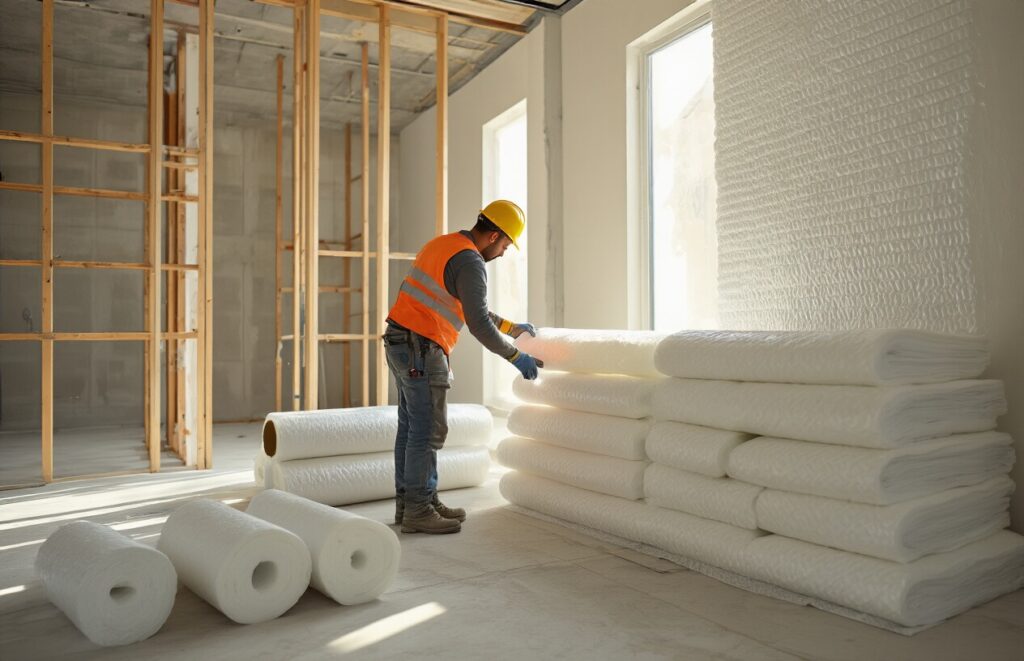
With this in mind, DashamLabs addressed these barriers through process innovation, producing next-generation silica aerogel insulation that is cost-efficient, scalable, and straightforward to deploy. Flexible aerogel sheets fit easily into constrained environments where rigid or bulky insulation would fail. By focusing on continuous production at scale, the technology is now designed for practical, wide-ranging industrial use — making high-performance thermal insulation genuinely accessible across diverse applications.
Industries Winning Back Space with Aerogel Insulation
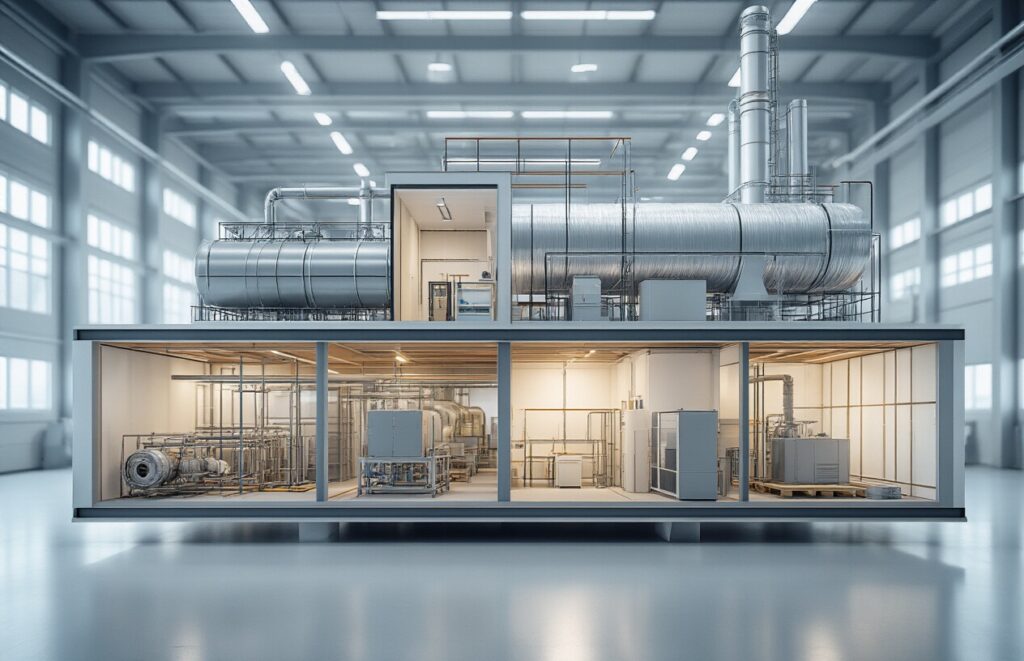
Oil and Gas Pipelines Reducing Insulation Footprint
Now that we have covered how aerogel saves space quantifiably, oil and gas pipeline systems stand as a prime beneficiary. Aerogel insulation dramatically reduces the insulation footprint around pipelines, freeing up valuable space in congested facilities and subsea installations where every centimeter matters operationally.
Cold Chain and Refrigeration Gaining Usable Volume
Previously, refrigerated storage sacrificed significant interior volume to bulky insulation panels. With aerogel, cold chain operators reclaim meaningful usable space. Aerospace and mobility applications benefit equally, leveraging aerogel’s lightweight, thin profile to reduce weight penalties while maintaining superior thermal performance in demanding environments.
The Broader Impact Beyond Space Savings

Energy Efficiency Gains That Come with Thinner, Better Insulation
Now that we have covered the space-saving advantages, aerogel’s impact extends far beyond square footage. Advanced aerogel insulation is a simple, proven, and powerful method for dramatically reducing industrial heat losses. Its superior thermal performance means less energy is required to maintain target temperatures, directly translating into measurable efficiency gains across operations.
Environmental Benefits of Reduced Material Use and Lower Heat Loss
With this in mind, aerogel insulation offers a minimal environmental footprint compared to conventional alternatives. By slashing energy waste and combating climate change, scaling aerogel adoption addresses pressing global challenges. Its efficiency reduces the volume of materials needed, lowering resource consumption while simultaneously cutting harmful heat loss — empowering industries to thrive sustainably and positioning aerogel as the natural choice for energy efficiency worldwide.

Thin-wall aerogel isn’t just a materials upgrade — it’s a spatial revolution. From reclaiming valuable floor area in industrial facilities to enabling sleeker designs in mobility and cold chain applications, the space savings are measurable, meaningful, and multiplying across industries. Traditional insulation forced engineers and architects to sacrifice real estate for thermal performance. Aerogel eliminates that trade-off.
What makes this moment particularly significant is that high-performance aerogel insulation is no longer out of reach. Innovations in scalable, cost-efficient production — like the work being done at DashamLabs — are making aerogel the practical, deployable choice for industries worldwide, not just a niche solution for extreme applications. The benefits extend beyond space: reduced energy waste, a smaller environmental footprint, and smarter use of every square foot.
If your operations are constrained by bulky insulation or you’re leaving thermal efficiency on the table, now is the time to explore what thin-wall aerogel can do for you. The real estate you save could be the competitive edge you’ve been looking for.