
Aerogel insulation is transforming how oil and gas companies protect their equipment and boost energy efficiency across demanding operations. This advanced material offers unmatched thermal performance, helping energy professionals, facility managers, and project engineers tackle extreme temperatures while reducing operational costs.
Oil and gas operations face unique insulation challenges – from scorching refinery equipment to freezing offshore platforms. Traditional insulation often falls short in space-constrained environments, corrosive environments, and temperature extremes that can reach over 1,000°F or drop below -40°F.
We’ll explore how aerogel’s remarkable properties make it perfect for pipeline insulation that cuts energy losses, refinery equipment protection that extends asset life, and offshore platform solutions that withstand harsh marine conditions. You’ll also discover the cost benefits and performance advantages that make aerogel a smart investment over conventional insulation materials.
Understanding Aerogel Properties That Benefit Oil and Gas Operations
Superior Thermal Insulation Performance in Extreme Temperatures
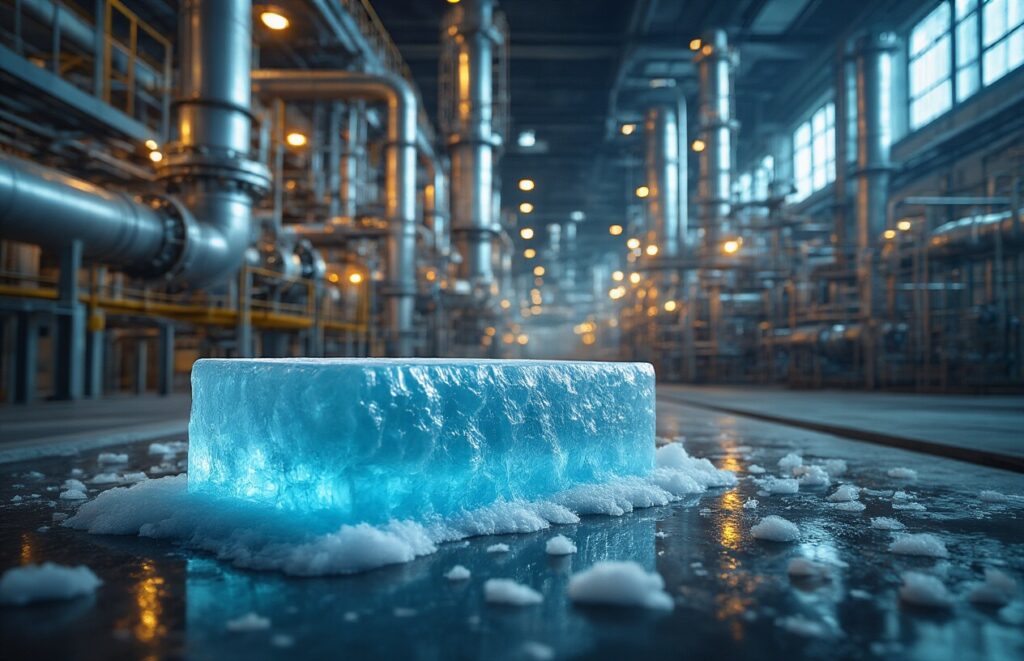
Aerogel delivers exceptional thermal protection with thermal conductivity as low as 0.013 W/m·K, making it three times more effective than traditional insulation materials. Oil and gas operations routinely encounter temperatures ranging from -40°C to 650°C, where aerogel maintains its insulating properties without degradation. This consistent performance prevents heat loss in hot pipelines and protects equipment from freeze damage in arctic conditions.
Lightweight Construction Reduces Installation Costs and Structural Load
Traditional insulation systems can add significant weight to offshore platforms and pipeline infrastructure, requiring costly structural reinforcements. Aerogel weighs up to 90% less than conventional materials while providing superior insulation, reducing installation time, and eliminating the need for additional structural support systems.
Fire Resistance and Safety Advantages for Hazardous Environments
Aerogel’s non-combustible nature provides critical fire protection in oil and gas facilities where hydrocarbon vapors create explosion risks. The material withstands direct flame contact without releasing toxic gases or supporting combustion, meeting stringent safety standards, including ASTM E84 and API 682 requirements for hazardous area applications.
Moisture Resistance Prevents Corrosion Under Insulation
Moisture infiltration under traditional insulation creates corrosive conditions that damage expensive equipment and pipelines. Aerogel’s hydrophobic properties repel water while allowing vapor transmission, preventing the moisture accumulation that leads to corrosion under insulation (CUI). This protection extends equipment lifespan and significantly reduces maintenance costs.
Pipeline Insulation Applications for Enhanced Energy Efficiency
Subsea Pipeline Protection Against Heat Loss and Freezing
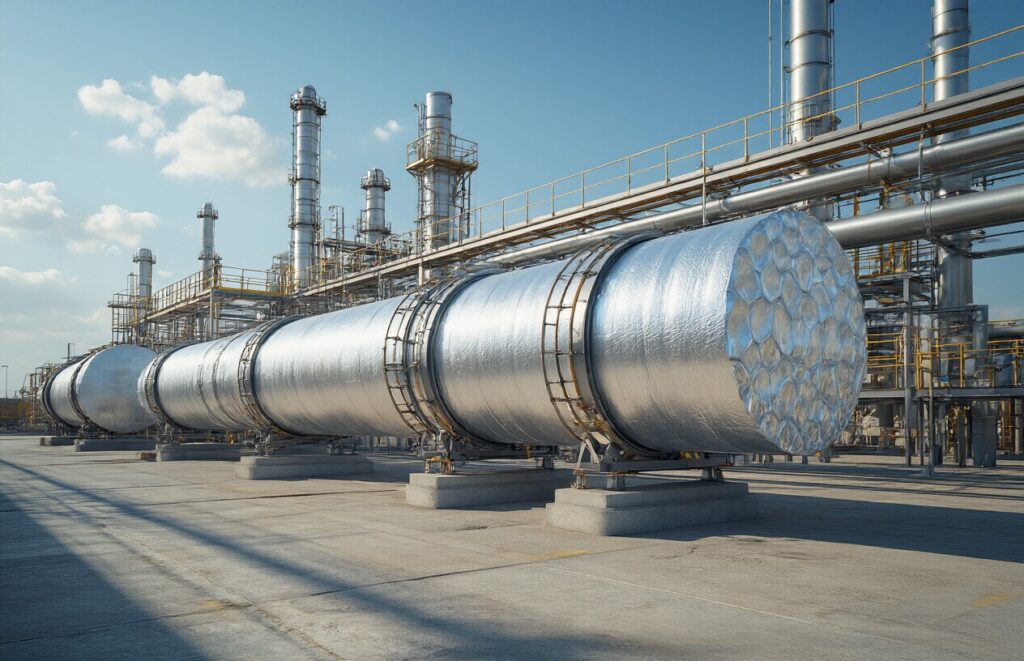
Aerogel insulation excels in subsea pipeline applications where maintaining fluid temperatures is critical for continuous operation. Its ultra-low thermal conductivity prevents heat loss in hot oil lines and protects against hydrate formation in gas pipelines. The material’s hydrophobic properties resist moisture ingress, while its lightweight nature reduces installation costs compared to traditional foam-based systems.
Hot Oil Transportation Lines: Maintaining Optimal Flow Temperatures
Hot oil pipelines require maintaining a consistent temperature to prevent viscosity increases that could halt flow. Aerogel’s superior insulation performance keeps crude oil at optimal pumping temperatures over long distances, reducing energy consumption for reheating stations. The material withstands temperatures up to 650°C while maintaining structural integrity, making it ideal for high-temperature crude oil transport systems.
Cryogenic Pipeline Systems for LNG and Natural Gas Processing
Cryogenic applications demand exceptional insulation to minimize boil-off losses and maintain liquefied natural gas at extremely low temperatures. Aerogel provides outstanding thermal resistance under cryogenic conditions while offering flexibility to accommodate thermal expansion and contraction cycles. Its low outgassing properties prevent contamination of sensitive LNG processes, and its compact profile allows installation in space-constrained offshore environments where traditional multilayer insulation systems would be impractical.
Refinery Equipment Insulation for Operational Excellence
Reactor Vessel Insulation Maximizing Process Efficiency
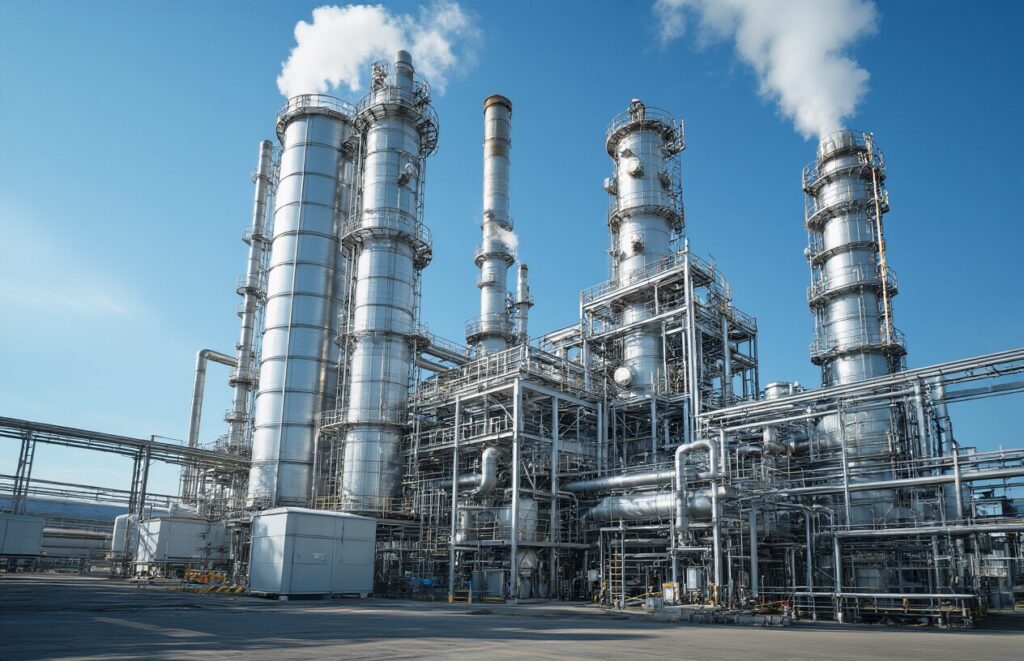
Aerogel insulation wraps around reactor vessels like a protective blanket, maintaining precise temperatures that chemical processes demand. This super-insulator prevents heat loss that would otherwise require operators to pump more energy to maintain reaction conditions, directly boosting efficiency and cutting operational costs.
Steam Line Protection Reducing Energy Consumption
Steam distribution systems lose massive amounts of energy through poorly insulated pipes, but aerogel changes this game completely. Its exceptional thermal resistance keeps steam hot during transport, reducing the energy needed for reheating and minimizing condensation problems that plague traditional insulation materials.
Heat Exchanger Applications Improving Thermal Performance
Heat exchangers operate more effectively when surrounded by aerogel insulation that blocks unwanted heat transfer to the environment. This targeted insulation approach ensures maximum energy transfer between process streams while preventing thermal losses that reduce overall system performance and increase energy demands.
Furnace and Boiler Insulation for Temperature Control
Industrial furnaces and boilers operate at extreme temperatures where traditional insulation materials often fail or degrade quickly. Aerogel maintains its insulating properties even at temperatures exceeding 1000°F, providing consistent thermal barriers that keep heat where it belongs and protect equipment from temperature fluctuations that can damage critical components.
Offshore Platform Insulation Solutions for Harsh Marine Environments
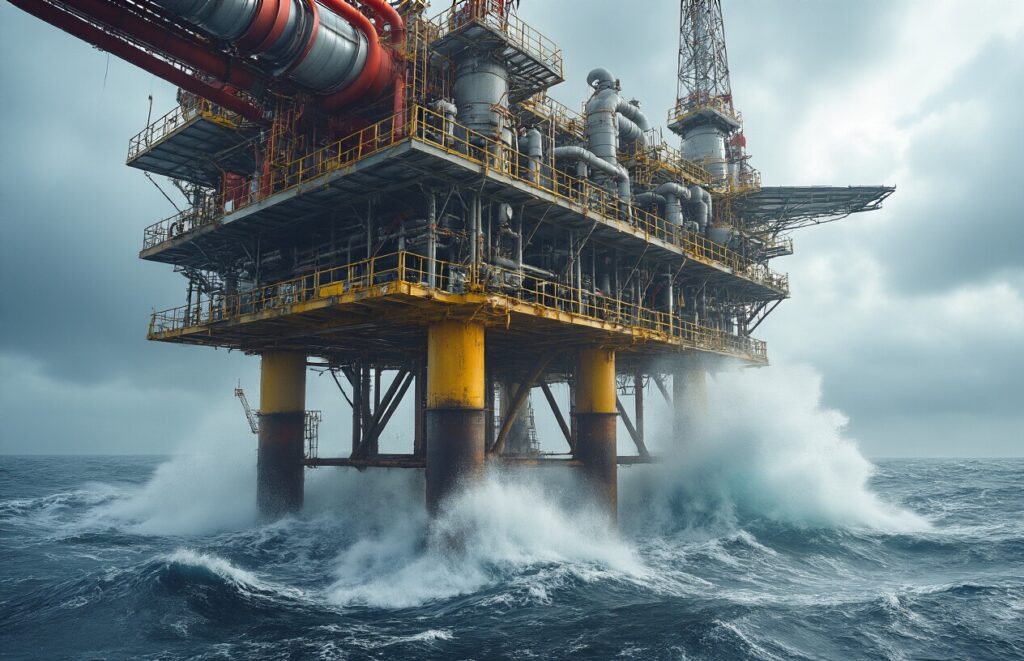
Topside Equipment Protection from Temperature Extremes
Offshore platforms face brutal temperature swings, from scorching engine compartments to freezing Arctic conditions. Aerogel’s ultra-low thermal conductivity shields critical equipment like turbines, compressors, and processing units from these extremes. The material’s lightweight nature reduces structural load on platforms while maintaining exceptional insulation performance. Its hydrophobic properties prevent moisture absorption in humid marine environments, ensuring consistent thermal protection throughout equipment lifecycles.
Personnel Safety Areas: Maintaining Comfortable Working Conditions
Worker safety becomes paramount when temperatures plummet or soar on isolated platforms. Aerogel insulation in control rooms, accommodation blocks, and work areas creates stable microclimates that boost productivity and reduce heat stress incidents. The material’s fire-resistant properties provide additional protective layers around living quarters and operational zones. Unlike traditional insulation that degrades in salty air, aerogel maintains its insulating properties, ensuring crew comfort during extended offshore rotations.
Critical System Protection Against Fire and Explosion Risks
Fire suppression systems, emergency power units, and safety equipment require absolute reliability in crises. Aerogel’s exceptional fire resistance and low smoke emission make it ideal for protecting these mission-critical systems. The material withstands temperatures exceeding 1000°C without structural failure, buying precious time during emergency scenarios. Its non-combustible nature prevents the spread of fire between compartments, while its chemical stability ensures long-term performance in corrosive offshore atmospheres where traditional materials quickly deteriorate.
Cost Benefits and Performance Advantages Over Traditional Insulation
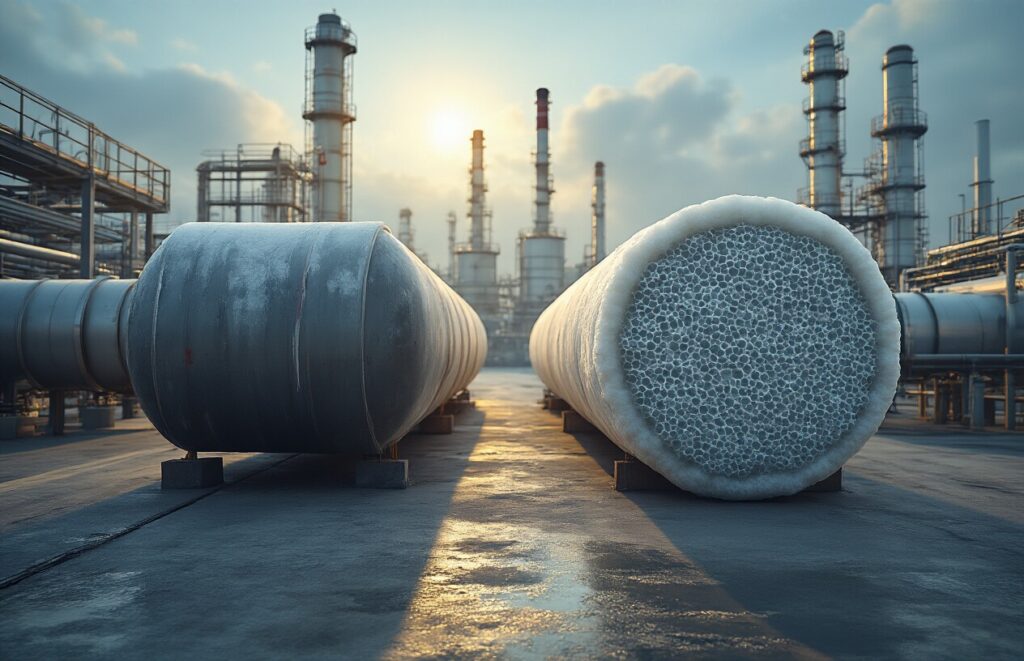
Reduced Material Usage Due to Superior Insulating Properties
Aerogel insulation delivers exceptional thermal performance while requiring thicknesses that are up to 50% less than those of conventional materials. This ultra-low-density material achieves R-values of 10+ per inch, compared to traditional insulation’s 3-6 per inch.
| Insulation Type | Thermal Conductivity | Required Thickness | Weight Reduction |
| Aerogel | 0.012-0.015 W/mK | 25-50mm | 80-90% |
| Mineral Wool | 0.035-0.045 W/mK | 75-100mm | Baseline |
| Polyurethane Foam | 0.022-0.028 W/mK | 50-75mm | 40-60% |
Lower Maintenance Requirements and Extended Service Life
Aerogel’s hydrophobic properties and chemical inertness enable maintenance-free installations that last 20+ years in corrosive environments. Unlike traditional materials that degrade due to moisture absorption, temperature cycling, and chemical exposure, aerogel maintains structural integrity without requiring replacement schedules. Oil and gas operators report 70% reduction in insulation-related maintenance costs across pipeline and refinery applications.
Energy Savings Through Improved Thermal Efficiency
Enhanced thermal barriers reduce heat loss by 30-40% compared to standard insulation systems. Process temperature stability improves, reducing energy consumption for heating and cooling operations. Refineries using aerogel insulation report annual energy savings of $150,000- $ 500,000 per facility through reduced fuel consumption and improved process efficiency.
Space Optimization in Compact Industrial Installations
Thinner insulation profiles free up valuable real estate in space-constrained offshore platforms and process units. Aerogel allows designers to reduce equipment spacing while maintaining thermal performance standards. Pipe racks, vessels, and structural elements require smaller clearances, enabling more efficient facility layouts and reduced construction costs.
Installation Time Reduction and Labor Cost Savings
Pre-fabricated aerogel blankets and panels install 60% faster than multi-layer traditional systems. Lightweight handling reduces crane time and worker fatigue during installation. Single-layer application eliminates complex vapor barrier sequences, cutting labor hours and reducing installation errors that compromise long-term performance.
Aerogel insulation has proven itself as a game-changer for oil and gas companies looking to boost their operational efficiency. From keeping pipelines running smoothly to protecting refinery equipment and offshore platforms from extreme conditions, this super-lightweight material delivers unmatched thermal protection. The cost savings are real, too – while aerogel might cost more upfront, the energy savings and reduced maintenance make it a smart long-term investment.
If you’re working in the oil and gas industry, it’s time to seriously consider switching to aerogel insulation. The technology has matured, the benefits are clear, and your competitors are probably already using it. Talk to your insulation suppliers about how aerogel can solve your specific challenges – whether you’re dealing with space constraints on offshore rigs or trying to cut energy costs at your refinery.