
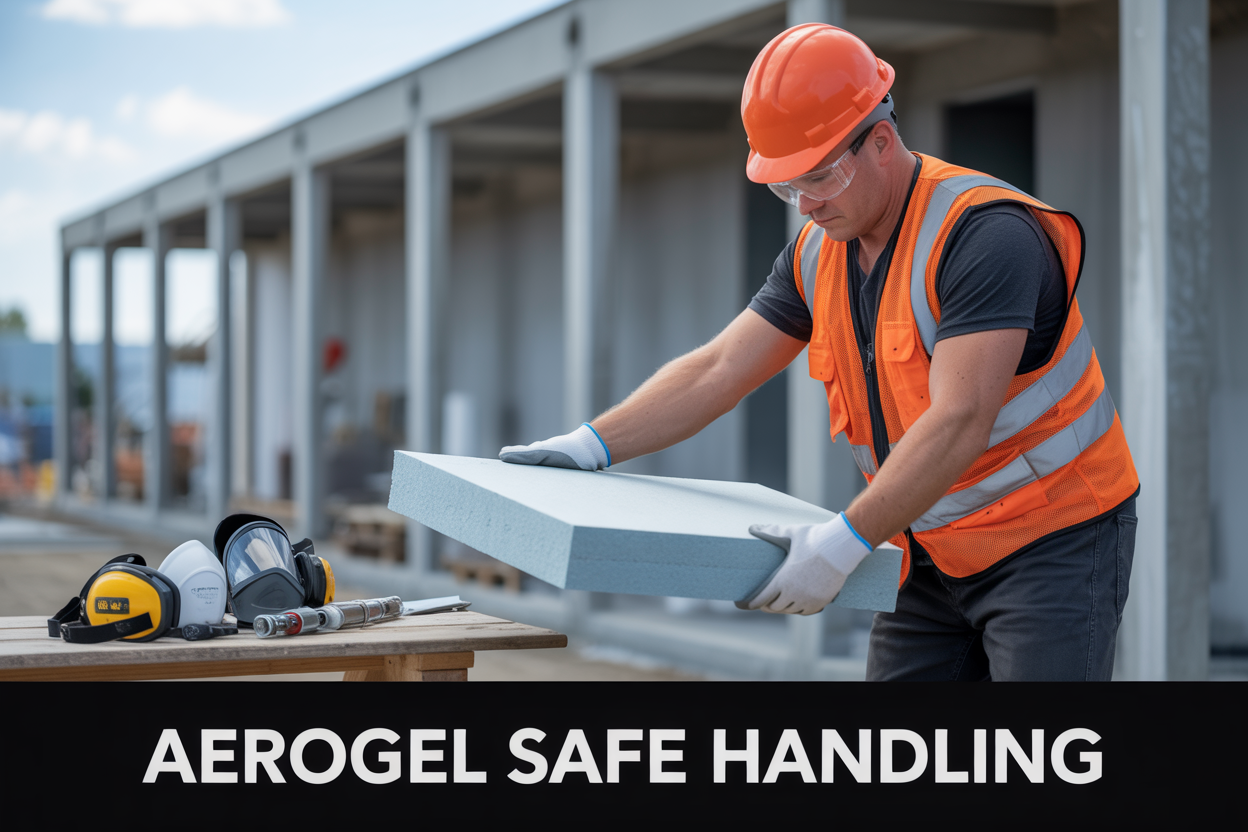
Handling Aerogel Safely: Best Practices for On-Site Workers
Aerogel insulation is showing up on more job sites every year — and for good reason. It’s lightweight, high-performance, and far easier to deploy than traditional insulation materials. But working with silica aerogel safely requires more than just good intentions. Without the right knowledge, even routine handling can expose workers to fine airborne particles and skin irritation that add up over time.
This guide is written for on-site workers, site supervisors, and safety officers who work directly with aerogel insulation products during installation, storage, or cleanup. Whether the job involves oil and gas pipelines, industrial process systems, or cold chain applications, the safety principles stay the same.
Here’s what’s covered: the key workplace hazards associated with aerogel handling, the personal protective equipment every worker should have before handling the material, and the safe handling and installation techniques that keep a crew protected from start to finish.
Understanding Aerogel and Its Properties

What Silica Aerogel Is and Why It Is Used On-Site
Silica aerogel is an advanced insulation material recognized for its exceptional thermal performance across demanding industrial environments. Developed through process innovation, it has become a cost-efficient and scalable solution deployed across industries including oil & gas, process systems, cold chains, mobility, and aerospace. Its proven capability to reduce industrial heat losses makes it an increasingly preferred choice for energy-efficiency applications worldwide.
Key Physical Characteristics That Create Handling Challenges
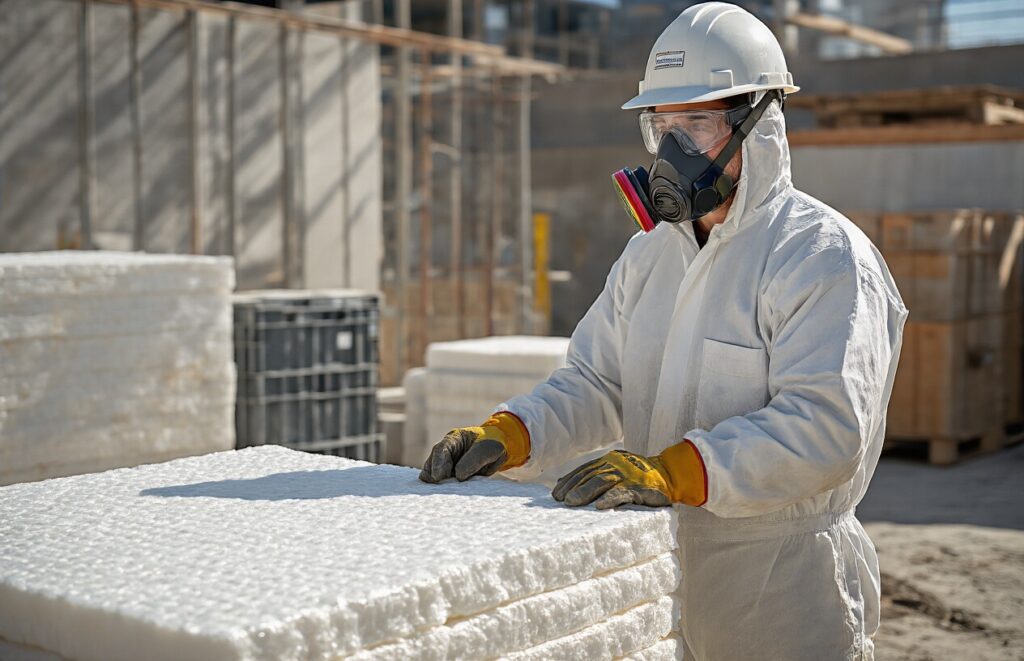
Silica aerogel’s ultra-lightweight, porous structure makes it highly fragile and prone to generating fine particulate dust during handling. These physical properties require careful management on-site to prevent worker exposure. With this in mind, next, we’ll see how flexible sheet formats — a common industrial form — present specific handling considerations that directly inform the protective measures and safe installation techniques covered throughout this guide.
Identifying Workplace Hazards Associated with Aerogel
Dust and Particulate Release During Cutting or Installation
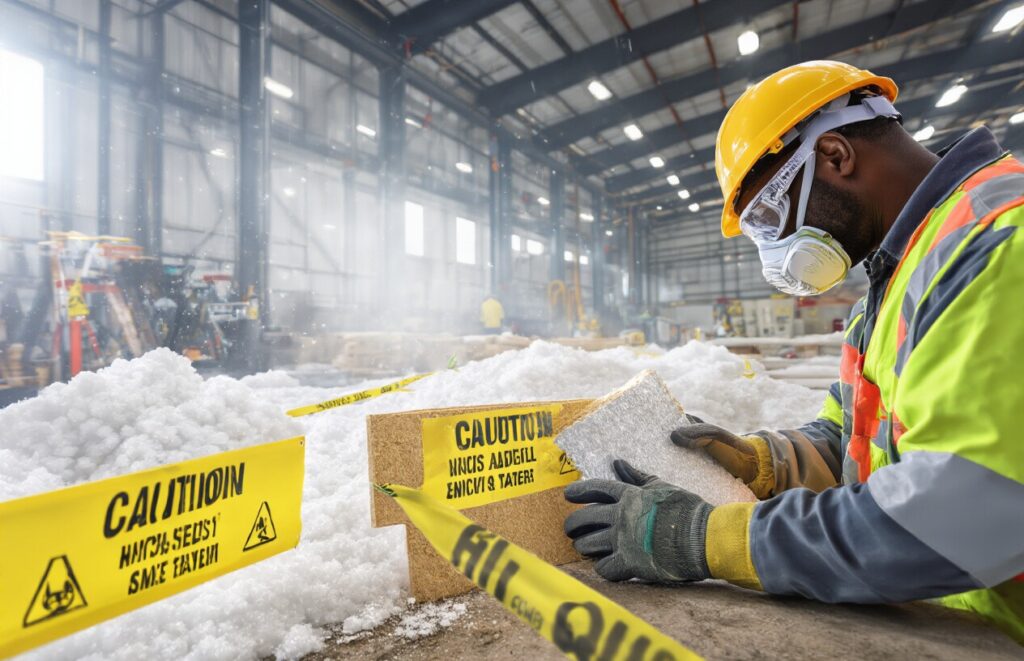
Aerogel materials release fine dust and particulates when cut, trimmed, or mechanically disturbed during installation. These airborne particles can settle on surfaces and remain suspended in the air for extended periods, creating persistent exposure risks for on-site workers. Controlled cutting techniques and adequate ventilation are critical to minimizing particulate dispersal across the worksite.
Skin and Eye Irritation Risks from Fiber Contact
Direct contact with aerogel fibers can cause significant skin and eye irritation. The microscopic fibrous structure can embed in skin or contact ocular surfaces, leading to discomfort and inflammation.
Respiratory Concerns from Prolonged Inhalation Exposure
Prolonged inhalation of aerogel dust poses notable respiratory concerns. Repeated exposure without proper respiratory protection may compromise airway health over time, making controlled environments and appropriate PPE essential for all personnel working with aerogel materials on-site.
Essential Personal Protective Equipment for On-Site Workers
Choosing the Right Respiratory Protection
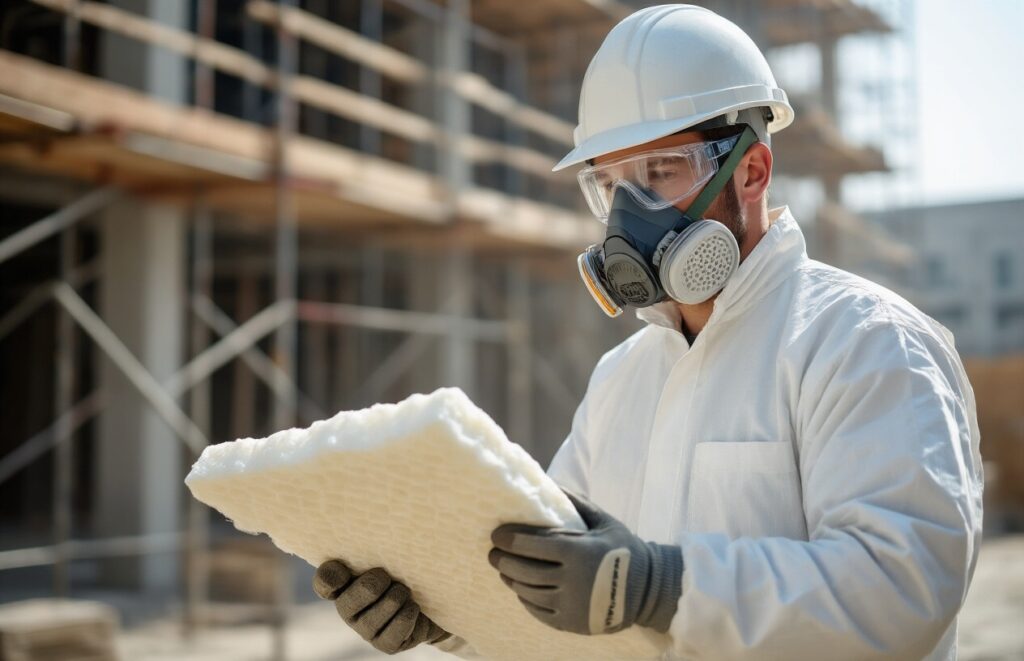
Now that workplace hazards associated with aerogel have been identified, selecting appropriate respiratory protection becomes a critical priority. Workers must use NIOSH-approved respirators, such as N95 or higher-rated masks, to prevent inhalation of fine aerogel particles. Half-face or full-face respirators with P100 filters are recommended for high-dust environments. Fit testing is essential to ensure proper sealing against the face, eliminating gaps that could allow particle infiltration.
Protective Clothing, Gloves, and Eye Gear Requirements
With respiratory protection addressed, full-body coverage remains equally important. Disposable coveralls or tightly woven protective suits prevent skin irritation from aerogel fibers. Chemical-resistant gloves, such as nitrile, protect hands during handling. Safety goggles or full-face shields guard against airborne particulates reaching the eyes.
When and How to Inspect PPE Before Starting Work
- Visual check: Examine all PPE for any tears, cracks, or signs of degradation before each use.
- Filter inspection: Verify respirator filters are undamaged and within service life.
- Seal verification: Conduct a fit-check on respirators to confirm an airtight seal.
- Glove integrity: Inflate gloves slightly to detect punctures before wearing.
Safe Handling and Installation Techniques
Proper Cutting Methods to Minimize Dust Generation
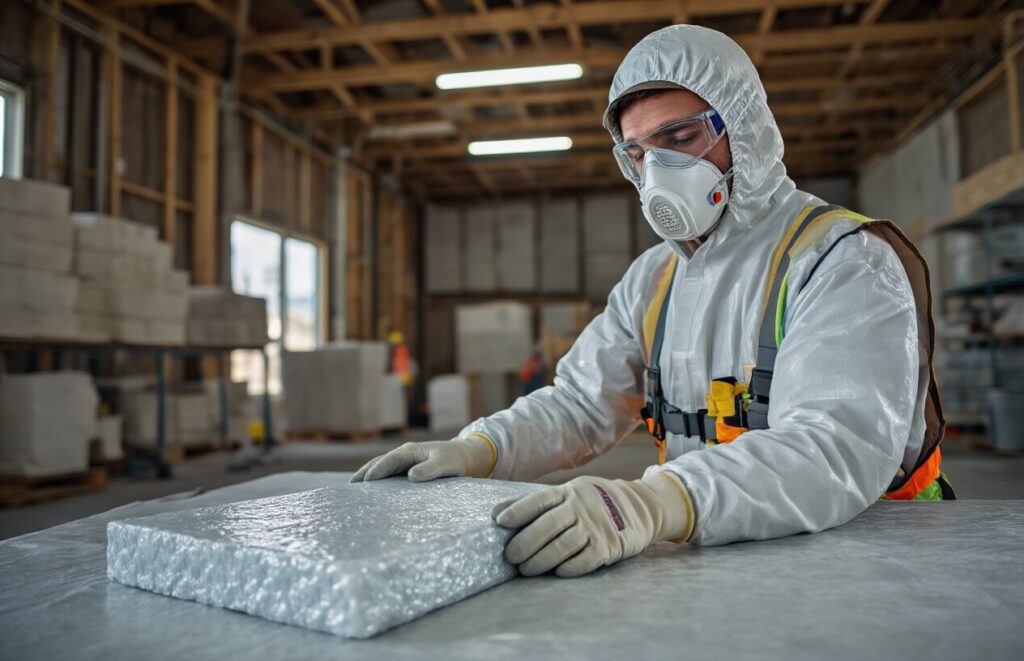
Aerogel materials require deliberate cutting techniques to reduce airborne particle release. Using pre-scored panels or sharp, fine-toothed blades minimizes fragmentation. Wet-cutting methods, where applicable, further suppress dust at the source, protecting nearby workers.
Correct Lifting and Positioning of Aerogel Sheets
With this in mind, proper body mechanics and team lifts prevent material breakage and dust dispersion. Keeping aerogel sheets flat during positioning reduces the risk of stress fractures. Ventilated, contained work zones complement these handling practices by capturing residual particles before they migrate beyond the immediate installation area.
Storage and Transportation Best Practices

Approved Packaging and Storage Conditions On-Site
Proper storage of aerogel materials requires maintaining the original manufacturer’s packaging until the point of use and keeping products in dry, well-ventilated areas away from moisture and direct sunlight. Containers should remain sealed and clearly labeled, stored off the ground on pallets to prevent contamination and physical deterioration.
Preventing Physical Damage That Increases Particle Release
Now that approved storage conditions are established, minimizing mechanical stress during handling is equally critical. Aerogel’s fragile structure produces fine particulates when crushed or torn, significantly increasing inhalation risks.
Safe Loading and Moving Procedures for Field Teams
Field teams should use flat, rigid supports when transporting aerogel panels and avoid stacking heavy materials on top of them. Designated handlers wearing appropriate PPE should coordinate movements carefully to prevent drops or impacts that compromise material integrity and increase on-site airborne particle exposure.
Waste Disposal and Site Cleanup Protocols
Collecting and Bagging Aerogel Debris Correctly
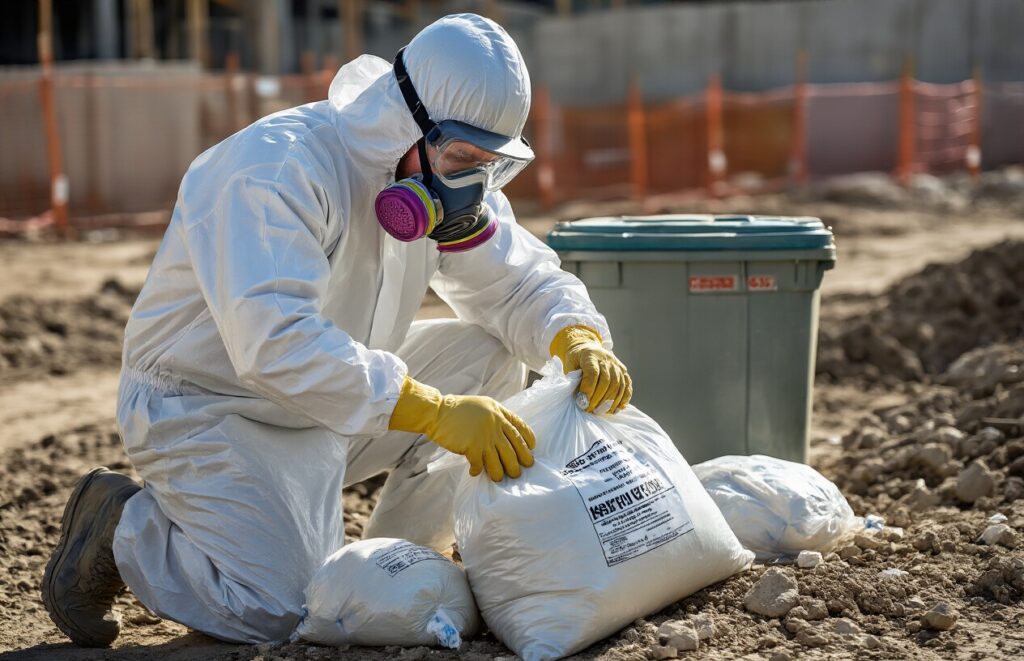
Now that safe handling and installation techniques have been addressed, proper site cleanup is equally critical. Aerogel debris must be carefully collected using wet-wipe methods or HEPA-filtered vacuums to prevent particle dispersal. All waste should be sealed in clearly labeled, heavy-duty disposal bags immediately after collection to minimize the risk of airborne exposure.
Avoiding Dry Sweeping and Using Approved Cleanup Methods
Dry sweeping of aerogel waste is strictly discouraged, as it resuspends fine particles into the breathable air. With this in mind, approved cleanup methods — including damp cloths and industrial HEPA vacuums — should always be prioritized. Workers must comply with local waste-disposal regulations, ensuring that aerogel materials are categorized, documented, and disposed of through authorized channels to meet environmental and occupational safety standards.
Training and Emergency Response Preparedness
A. Conducting Worker Safety Briefings Before Starting Projects
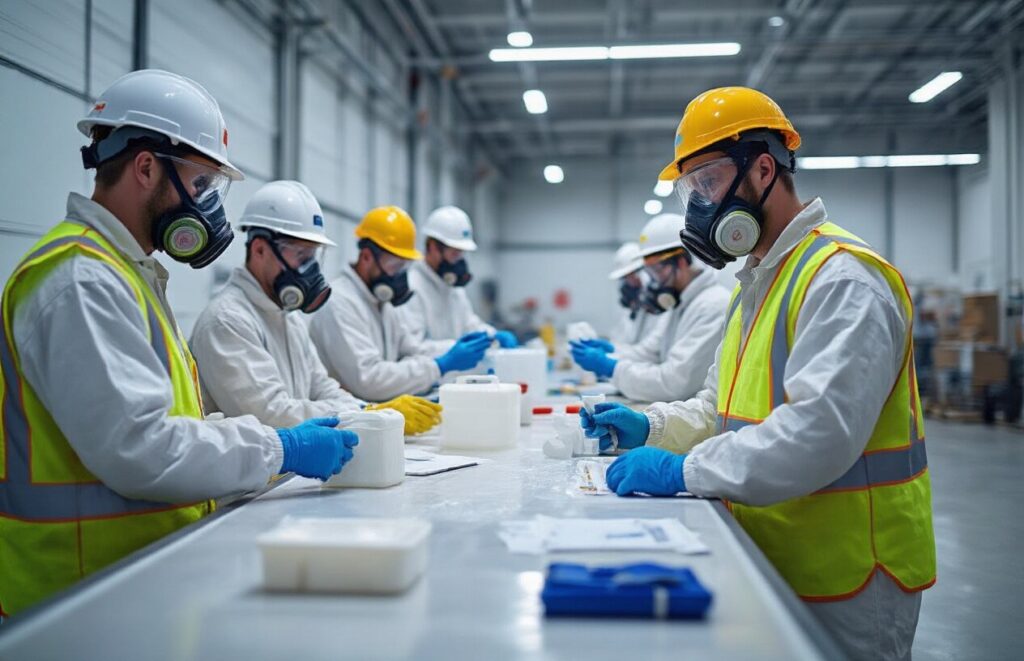
Pre-project safety briefings ensure all on-site personnel understand aerogel-specific hazards, proper PPE usage, and handling protocols before work begins. These sessions should cover dust exposure risks, designated handling zones, and emergency procedures to establish a shared safety baseline across the team.
B. First Aid Steps for Skin, Eye, and Inhalation Exposure
Immediate response to aerogel exposure involves flushing affected skin or eyes with water and relocating individuals experiencing inhalation symptoms to fresh air. Medical attention should be sought promptly for persistent symptoms.
C. Reporting Incidents and Maintaining Safety Documentation
With this in mind, all exposure incidents must be documented accurately and reported through established safety channels. Maintaining thorough records supports regulatory compliance, informs future risk assessments, and strengthens overall site safety management practices.
Aerogel’s exceptional insulation properties make it one of the most valuable materials in modern industrial applications — but those same properties demand a thoughtful and disciplined approach to handling. From understanding the material’s unique characteristics and identifying site-specific hazards, to equipping workers with the right PPE, following safe handling and installation techniques, managing storage and transportation responsibly, and ensuring proper waste disposal and site cleanup — every step plays a critical role in protecting worker health and maintaining a compliant, safe worksite. Equally important is investing in ongoing training and emergency response preparedness, so that teams are equipped to act quickly and confidently when unexpected situations arise.
As aerogel insulation continues to gain traction across industries — from oil and gas to cold chains and beyond — the need for standardized, well-communicated safety practices will only grow. Companies like DashamLabs are working to make aerogel more accessible and easier to deploy at scale. Still, an equal commitment to safety on the ground must keep pace with that progress. Site managers and safety officers are encouraged to review current protocols regularly, ensure all team members are properly trained, and treat aerogel safety not as a compliance checkbox, but as a foundational part of responsible project execution.