
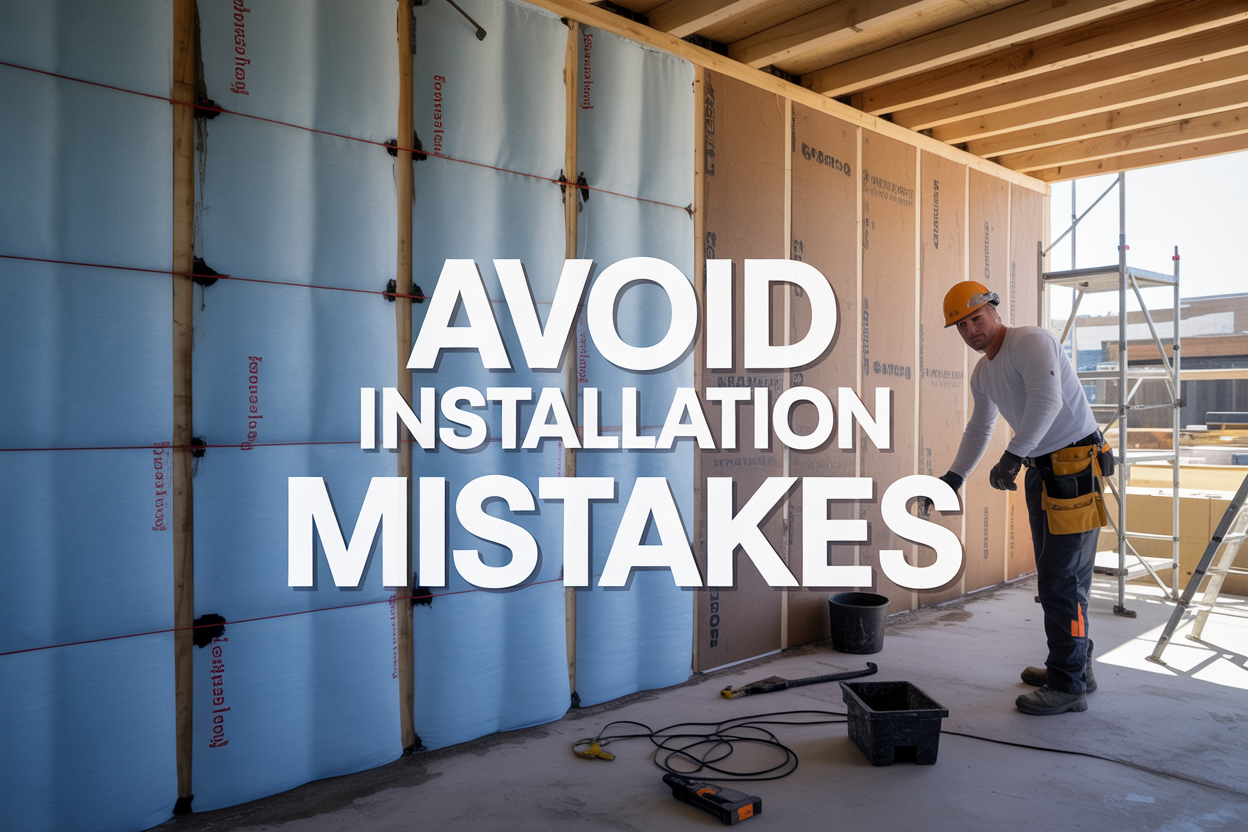
Installing aerogel insulation incorrectly can waste thousands of dollars and leave buildings vulnerable to energy loss, moisture damage, and safety hazards. This guide helps contractors, building professionals, and property managers avoid the costliest installation errors that compromise aerogel insulation performance.
Aerogel offers superior thermal properties, but only when installed properly. Poor installation techniques can reduce efficiency by up to 50% and create long-term maintenance problems. The following sections cover critical areas where installation mistakes commonly occur and provide practical solutions to prevent them.
This article examines material selection and application errors that undermine aerogel’s effectiveness, installation quality issues that reduce thermal performance, and proper sealing techniques for maximum efficiency. Additional focus areas include moisture-control strategies to protect the investment and compliance with safety standards and building codes.
Avoid Material Selection and Application Errors
Choose the Right Insulation Type for Your Specific Environment
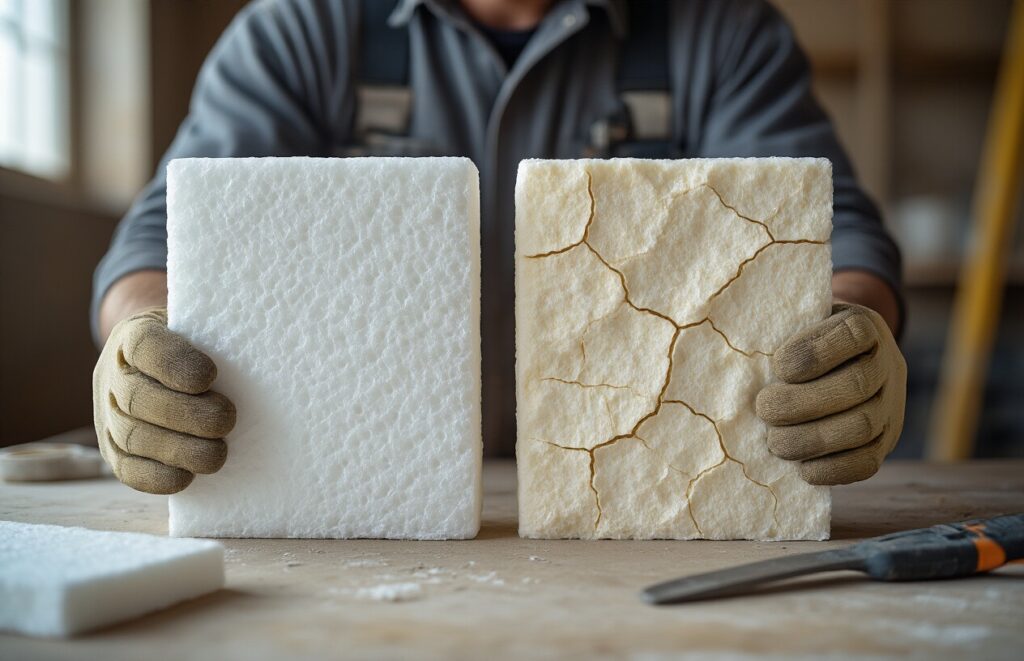
Not all aerogel insulation materials are designed for every environment. Using standard residential insulation in high-temperature, high-moisture, or industrial settings can lead to premature degradation or safety risks. Insulation designed for residential walls may fail when exposed to industrial heat or vibration, compromising its thermal performance.
Understanding temperature limits, moisture resistance, and mechanical strength is essential when selecting aerogel insulation for specific applications. Each insulation type offers unique properties and suits particular areas. Choosing the wrong type of aerogel insulation results in subpar performance and higher energy bills, making proper material selection critical for long-term success.
Prevent Installation Quality Issues That Reduce Performance
Eliminate Gaps and Voids to Maintain Continuous Thermal Barrier
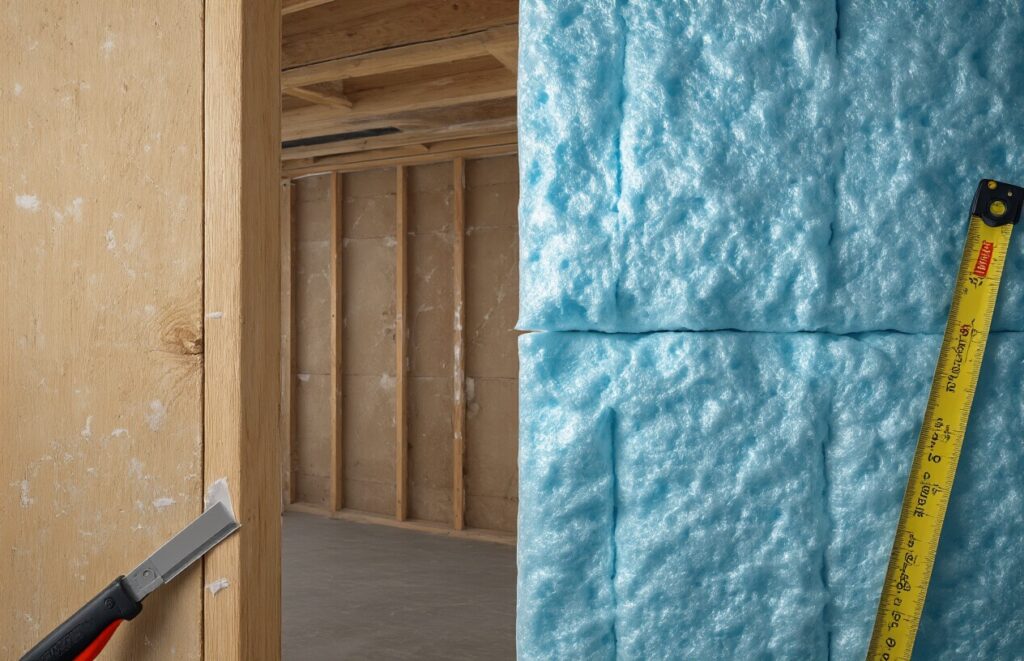
Leaving gaps, voids, or uninsulated areas represents a frequent installation mistake that creates thermal bridges, reducing insulation effectiveness and leading to uneven temperatures and higher energy bills. Proper insulation must form a continuous thermal barrier through careful measuring, cutting, and fitting, especially around corners, joints, and penetrations where thermal breaches commonly occur.
Avoid Compressing Insulation Materials
Many insulation materials, including mineral wool and fiberglass, rely on trapped air for thermal resistance. Compressing these materials to fit tight spaces reduces thickness, removes air pockets, and significantly decreases performance and R-value. Using correct insulation thickness and selecting materials suitable for space-limited areas prevents compression issues that compromise thermal efficiency.
Master Proper Sealing Techniques for Maximum Efficiency
Complete Air Sealing Before Installing Insulation
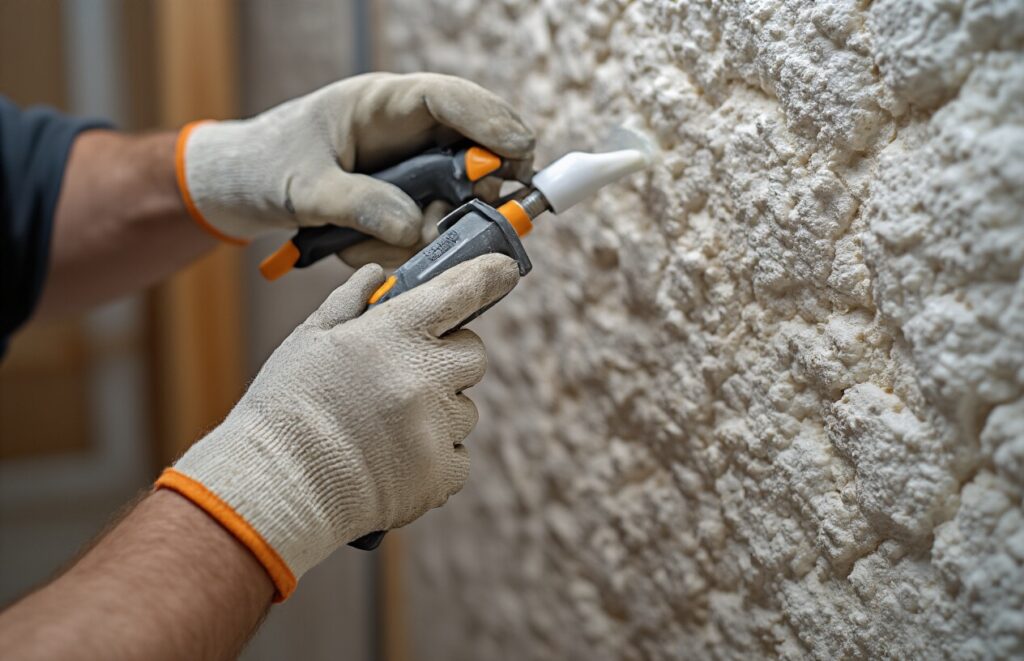
Insulation reduces heat transfer but cannot stop air leaks that compromise energy efficiency. Gaps, cracks, and openings must be sealed using caulk or spray foam before aerogel installation to prevent drafts from undermining thermal performance.
Properly Seal Around Pipes, Cables, and Penetrations
Pipes, cables, valves, and structural supports create weak points for heat loss and condensation when improperly sealed, thereby interrupting insulation systems. These penetrations can lead to corrosion, damage, and inefficiency without careful detailing and proper sealing materials to maintain continuity of insulation around all penetrations.
Control Moisture to Protect Your Investment
Install Appropriate Vapor Barriers When Needed
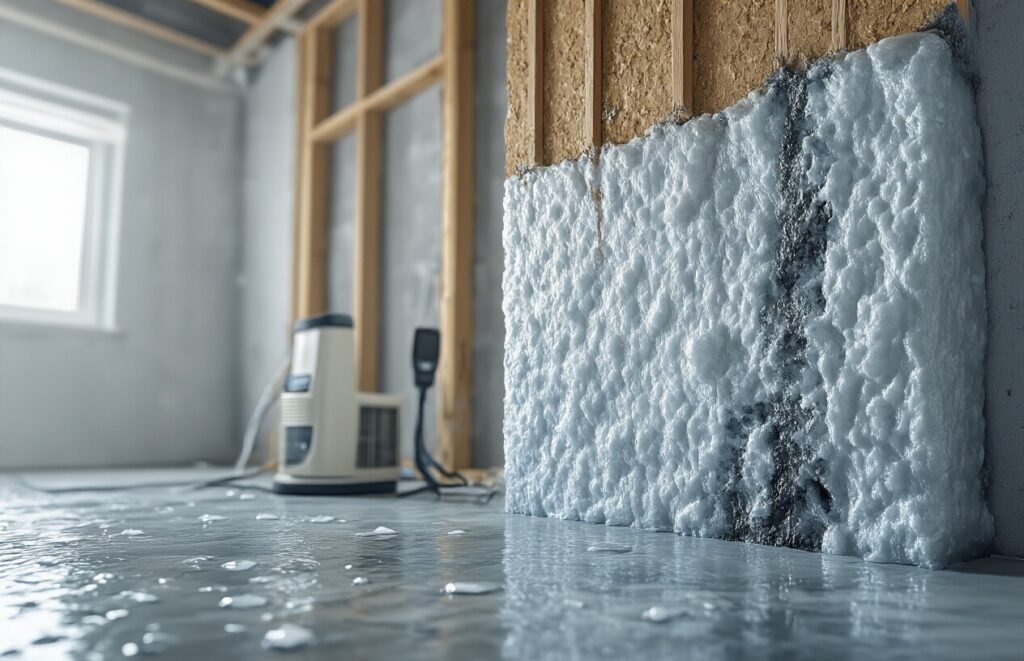
Moisture represents a critical threat to aerogel insulation performance, making proper vapor barrier installation essential for system longevity. Improper vapor barriers, missing seals, or inadequate drainage systems can cause moisture accumulation within the insulation layer, significantly reducing thermal performance and promoting corrosion, mold growth, and structural damage.
Address Existing Moisture Problems Before Installation
Effective insulation systems must incorporate comprehensive moisture-control strategies, particularly in humid environments or areas with frequent temperature fluctuations. Skipping vapor barriers or ignoring existing moisture problems completely undermines the effectiveness of insulation, necessitating thorough drying of the space before installation to protect the investment and ensure optimal performance.
Comply with Safety Standards and Building Requirements
Follow Local Building Codes and Fire Resistance Guidelines
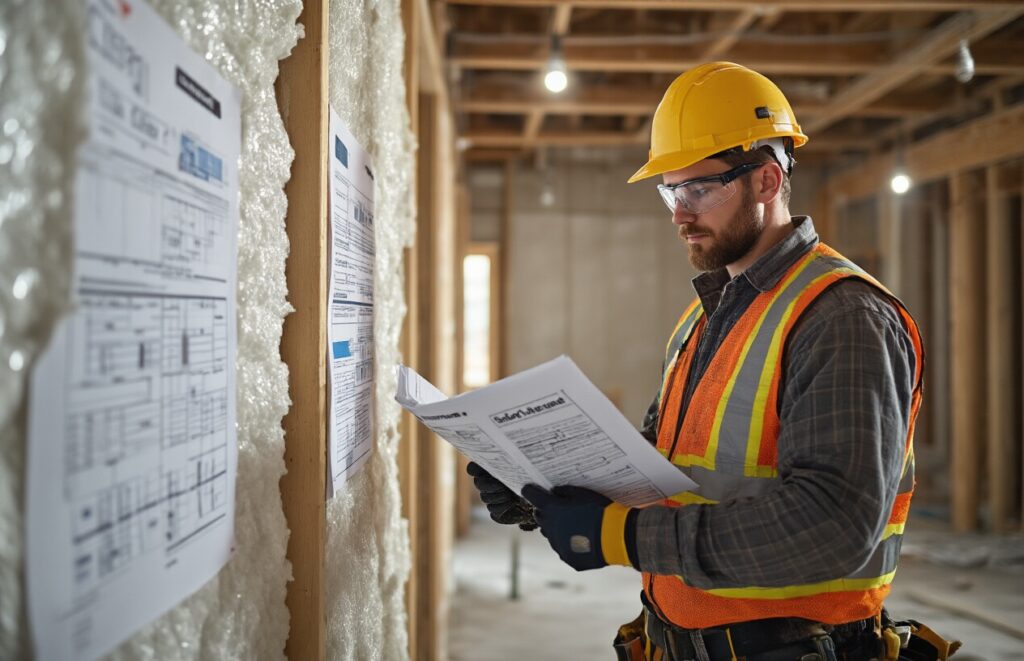
Every area enforces building codes and safety guidelines for insulation installation, including specific fire resistance requirements. These regulations establish critical standards that must be met to ensure safe installation practices and protect against potential hazards.
Maintain Proper Clearance Around Electrical Wiring
Required clearance around electrical wiring represents a fundamental safety requirement that cannot be overlooked during installation. Ignoring these rules creates serious safety hazards and can lead to costly corrections after project completion.
Research Regional Installation Requirements Before Starting
Research and follow local codes before starting any aerogel insulation project to ensure full compliance with regional requirements and avoid potential violations.
Aerogel insulation offers exceptional thermal performance, but achieving optimal results requires careful attention to installation details. The most critical factors include selecting the appropriate aerogel material for specific applications, maintaining proper installation techniques to prevent thermal bridges, implementing effective sealing methods, controlling moisture exposure, and adhering to safety standards and building codes. Each of these elements plays a vital role in maximizing the investment and ensuring long-term system performance.
Proper aerogel insulation installation is an investment that delivers significant returns through improved energy efficiency, reduced maintenance costs, and enhanced building performance. By avoiding common installation mistakes and following established best practices, building professionals can harness the full potential of aerogel technology. Taking time to plan thoroughly, prepare surfaces correctly, and execute installations with precision will result in insulation systems that perform reliably for years to come.