
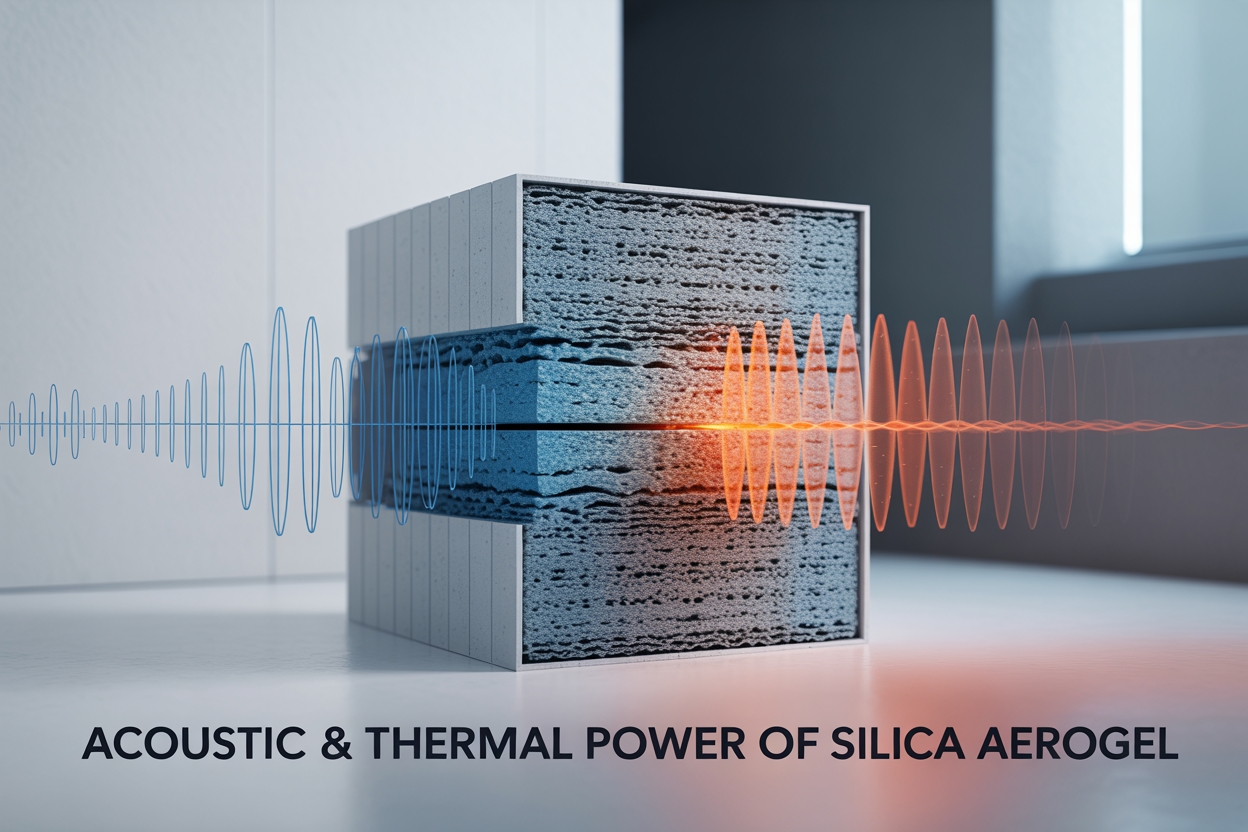
Acoustic vs. Thermal: The Dual Benefits of Silica Aerogel in Noise Reduction
Most insulation materials do one job well. Silica aerogel does two — and that changes everything for engineers, architects, and industrial designers searching for smarter, lighter, and more compact solutions.
Silica aerogel has earned serious attention as a high-performance insulation material, but its acoustic insulation properties often get overlooked in that conversation. The reality is that its ultra-porous nanostructure works against both heat transfer and sound transmission simultaneously — no trade-offs required.
This piece breaks down exactly how that dual-performance capability works, starting with what makes silica aerogel structurally different from conventional materials. From there, the focus shifts to how it handles thermal and acoustic challenges separately — and why combining both in a single, thin, flexible material is driving adoption across industries such as construction, aerospace, oil and gas, and mobility. Finally, the discussion covers how modern aerogel solutions have become more scalable and accessible than ever before, making this technology a practical choice rather than a niche one.
Understanding Silica Aerogel as a High-Performance Material

What Makes Silica Aerogel Unique Among Insulation Materials
Silica aerogel represents a defining leap in next-generation insulation technology. Historically, high-performance insulation remained inaccessible to many industries due to prohibitive costs, excessive bulk, and complex deployment requirements. DashamLabs addresses these barriers directly by engineering silica aerogel solutions that are cost-efficient, scalable, and straightforward to implement across diverse industrial applications.
The Science Behind Aerogel’s Ultra-Porous Nanostructure
With this in mind, the material’s exceptional performance stems from its advanced nanostructure, enabling capabilities that traditional insulation simply cannot match. DashamLabs positions silica aerogel as the natural choice for energy efficiency worldwide, combining accessibility with superior performance to redefine what modern insulation solutions can deliver across industries globally.
The Thermal Insulation Advantage of Silica Aerogel

How Aerogel Minimizes Heat Transfer Across Industrial Applications
Silica aerogel insulation is engineered to significantly cut industrial heat losses, delivering a simple yet powerful solution for managing thermal performance. Its unique nanoporous structure simultaneously suppresses conductive, convective, and radiative heat transfer, making it highly effective in demanding industrial environments. Process systems, mobility platforms, and cold chain operations all benefit from aerogel’s ability to maintain precise temperature control with minimal material thickness.
Energy Efficiency Gains in Oil and Gas, Cold Chain, and Aerospace
With this in mind, sectors such as oil and gas, cold chain logistics, and aerospace experience measurable improvements in energy efficiency through the integration of aerogels. By reducing heat loss across pipelines, storage vessels, and structural assemblies, aerogel insulation directly lowers energy consumption and operational costs. These gains position silica aerogel as a proven, scalable solution across the most thermally demanding industries.
Comparing Aerogel Thermal Performance to Conventional Materials
| Property | Silica Aerogel | Conventional Insulation |
| Heat Loss Reduction | Superior | Moderate |
| Application Thickness | Minimal | Bulkier |
| Industrial Suitability | Oil & Gas, Aerospace, Cold Chain | General Use |
| Energy Efficiency Impact | High | Lower |
The Acoustic Insulation Power of Silica Aerogel
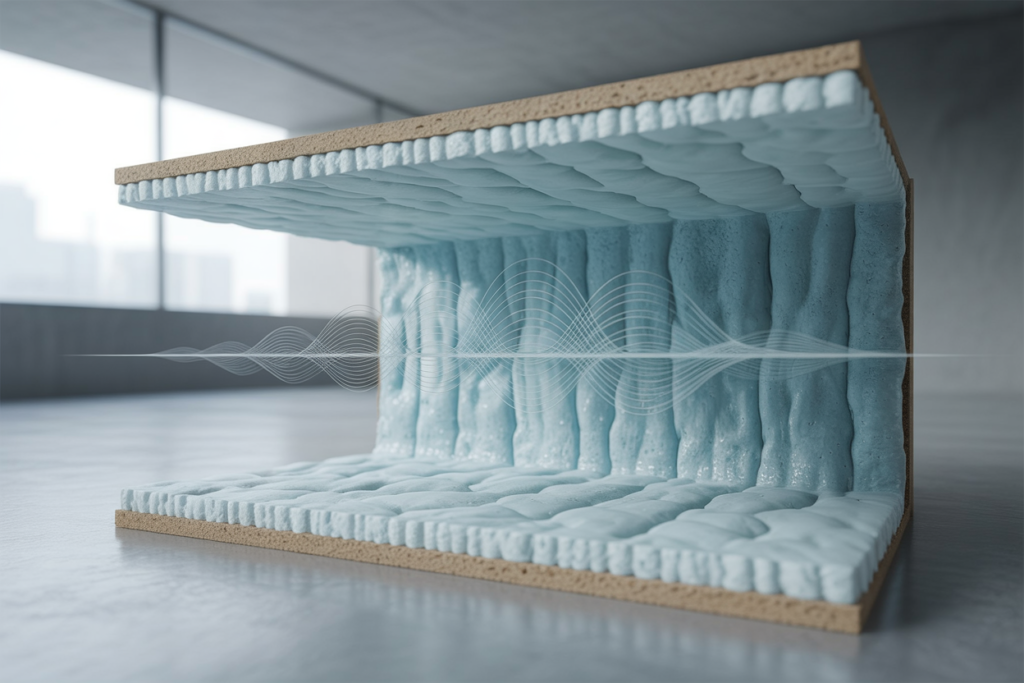
How Aerogel’s Nanostructure Absorbs and Dampens Sound Waves
Silica aerogel’s three-dimensional nanoporous framework — comprising up to 99% air by volume — creates an exceptionally tortuous path for sound waves. As acoustic energy attempts to propagate through this structure, it encounters millions of nanoscale pores that scatter, absorb, and dissipate vibrational energy into negligible heat. This mechanism delivers measurable sound dampening across a broad frequency spectrum, making aerogel a scientifically compelling material for noise control applications.
Noise Reduction Benefits in Mobility, Manufacturing, and Infrastructure
With this in mind, the acoustic advantages of silica aerogel translate directly into practical performance gains across multiple sectors. In mobility, manufacturing, and infrastructure, reducing unwanted noise improves both operational efficiency and occupant comfort. As a lightweight alternative to bulky conventional soundproofing solutions, aerogel panels and blankets deliver equivalent or superior attenuation at a fraction of the mass and thickness — eliminating the spatial and structural compromises traditionally associated with high-performance acoustic insulation systems.
Dual Benefits Delivering Real-World Impact

Combining Thermal and Acoustic Performance in a Single Material
DashamLabs’ aerogel technology addresses two critical performance demands simultaneously — thermal regulation and acoustic control — within a single, unified material solution. This integrated approach eliminates the need for layered, multi-material systems, streamlining installation while maximizing efficiency. With this in mind, industries gain a powerful tool designed to empower sustainable operations without compromising on performance standards.
Reducing Operational Costs Through Integrated Insulation Solutions and Environmental Benefits
Previously, managing energy waste and noise pollution required separate interventions. Now, aerogel’s dual-function capability consolidates those efforts, directly slashing energy waste and supporting climate change mitigation goals. The technology has a minimal environmental footprint, enabling industries to thrive sustainably while reducing both operational expenditures and broader ecological impact through a single scientifically advanced material.
Industries That Gain the Most From Aerogel’s Dual Properties

Applications in Oil and Gas Process Systems
Silica aerogel delivers measurable value in oil and gas environments, where both thermal management and noise control are critical operational priorities. Pipelines, refineries, and processing facilities benefit significantly from aerogel’s dual insulation properties, reducing heat loss and dampening mechanical vibration noise simultaneously.
Opportunities in Mobility and Aerospace Sectors
With this in mind, mobility and aerospace sectors present substantial opportunities. Aerogel’s lightweight nature, combined with its acoustic and thermal performance, makes it highly suitable for aircraft cabins, automotive components, and transit systems, where weight restrictions and passenger comfort standards demand advanced insulation materials.
Emerging Use Cases in Cold Chain and Building Infrastructure
Previously, cold chain logistics relied on conventional insulation solutions. Now, aerogel’s superior thermal resistance is transforming temperature-sensitive supply chains, while building infrastructure projects increasingly adopt it to meet stringent acoustic and energy-efficiency requirements across commercial and residential applications.
Accessibility and Scalability of Modern Aerogel Solutions
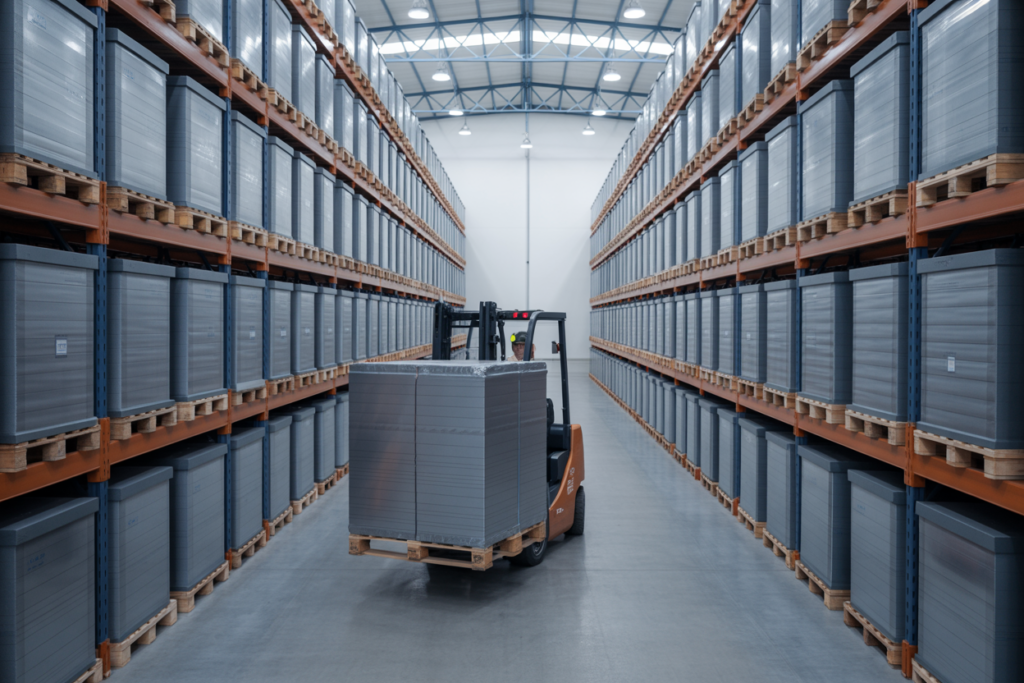
Overcoming the High Cost and Complexity of Traditional Aerogel
Historically, aerogel’s exceptional performance came paired with prohibitive costs, bulkiness, and complex deployment challenges that limited widespread adoption. DashamLabs addresses these barriers directly through process innovation, delivering next-generation silica aerogel insulation that is cost-efficient, scalable, and straightforward to implement across diverse industries.
Flexible Sheet Formats That Simplify Deployment Across Industries
With this in mind, DashamLabs’ solutions incorporate flexible sheet formats that streamline installation, while continuous production at scale — backed by a fully Indian-patented breakthrough in materials science and manufacturing — positions aerogel as a genuinely practical global insulation choice, embodying the vision of “made in India, built for the world.”

Silica aerogel stands apart as a material that addresses two of the most persistent challenges in industrial and architectural design simultaneously — heat transfer and noise pollution. Its ultralow thermal conductivity curbs energy losses across demanding environments, while its nanoporous structure disrupts sound transmission in ways conventional materials simply cannot match. Together, these properties make it a uniquely capable solution for industries where both comfort and efficiency are non-negotiable.
From oil and gas pipelines to cold chains, mobility applications, and beyond, the dual performance of silica aerogel is reshaping what insulation can deliver. As innovations in manufacturing continue to make aerogel more scalable and cost-accessible, adoption no longer needs to be limited to high-budget or niche applications. DashamLabs is at the forefront of this shift — engineering flexible silica aerogel solutions built for real-world deployment at scale, rooted in precision materials science, and designed to meet global performance demands. For industries ready to move beyond conventional insulation, aerogel represents not just an upgrade, but a strategic advantage worth exploring now.