
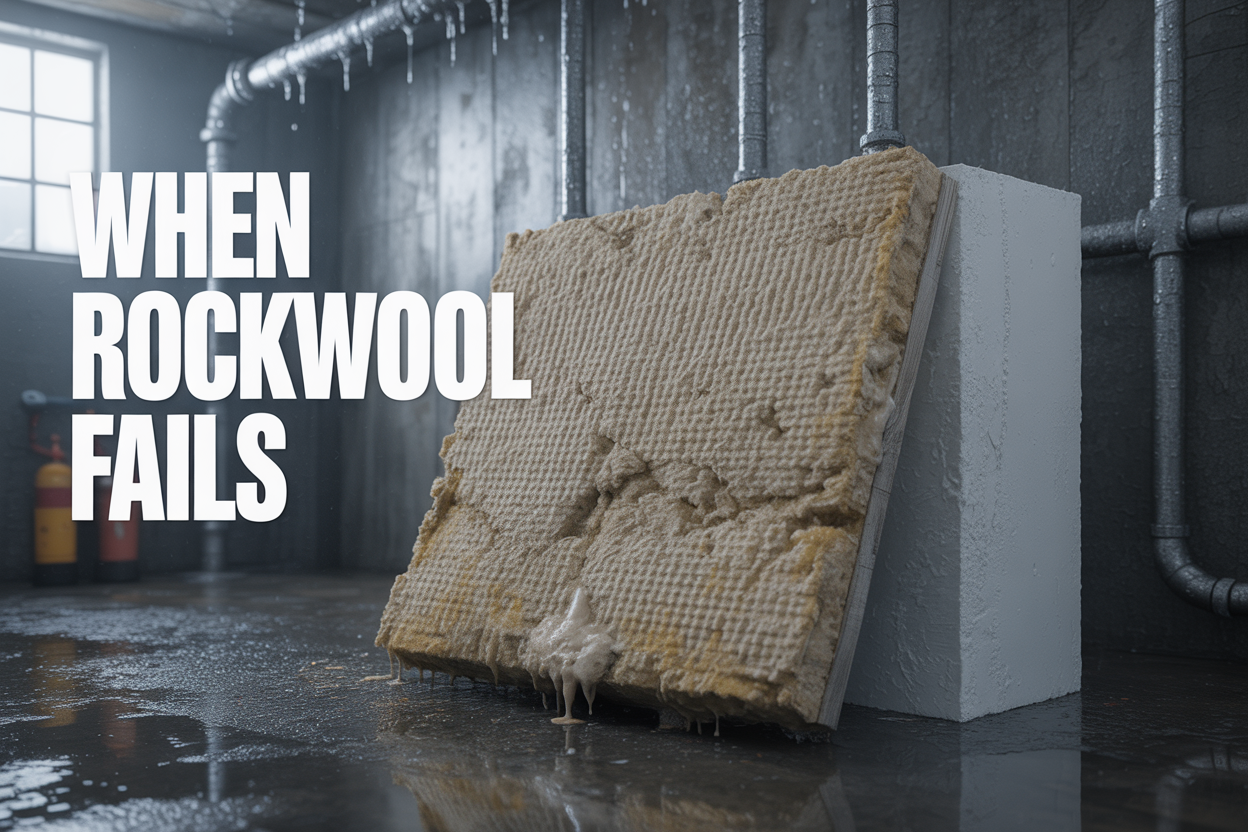
Why Traditional Rockwool Fails in High-Humidity Environments
Rockwool has been a go-to insulation material for decades — and in the right conditions, it earns that reputation. But in high-humidity environments, the story changes fast.
Facility managers, industrial engineers, and project teams working in cold storage units, marine applications, food processing plants, or tropical climates often run into the same frustrating pattern: insulation that looked fine on paper starts to pull in moisture, lose thermal resistance, and quietly drive up energy costs.
This piece breaks down exactly why traditional rockwool insulation struggles when humidity comes into play. Covered here: how water absorption compromises rockwool’s core performance, the real-world settings where this failure shows up most often, and what high-humidity environments actually need from an insulation material — including how advanced aerogel insulation addresses gaps that rockwool simply cannot.
No filler. Just the specifics that help make a smarter insulation decision.
Understanding Rockwool and Its Common Applications
What Rockwool Is and How It Works as an Insulator
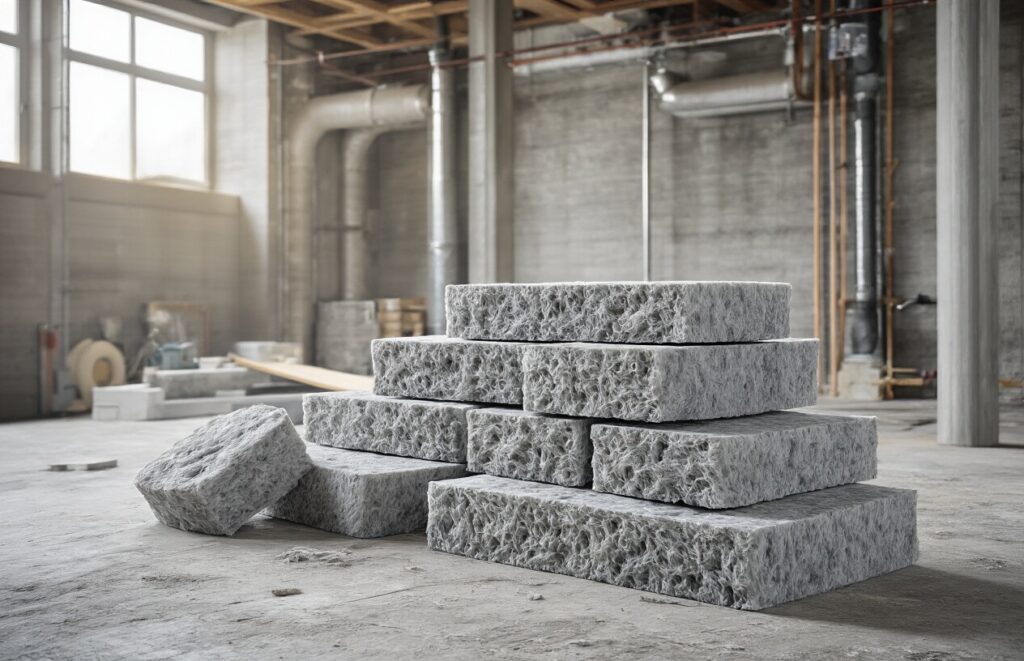
Rockwool, also known as mineral wool or stone wool, is an insulation material manufactured by melting basalt rock and recycled slag at extremely high temperatures, then spinning the molten material into fibrous strands. These interlocking fibers trap air within their structure, creating thermal resistance that slows heat transfer. The material is commonly produced in batts, boards, or loose-fill formats suitable for various construction and industrial applications.
Industries That Traditionally Rely on Rockwool
Rockwool has historically served construction, industrial piping, marine, and HVAC sectors due to its fire resistance, acoustic dampening properties, and relatively accessible cost point. With this in mind, next, we’ll see how humidity fundamentally undermines these perceived advantages, exposing critical performance limitations that many specifiers and engineers overlook when selecting insulation for moisture-intensive environments.
The Core Problem: How High Humidity Destroys Rockwool Performance
How Moisture Absorption Degrades Rockwool’s Thermal Resistance
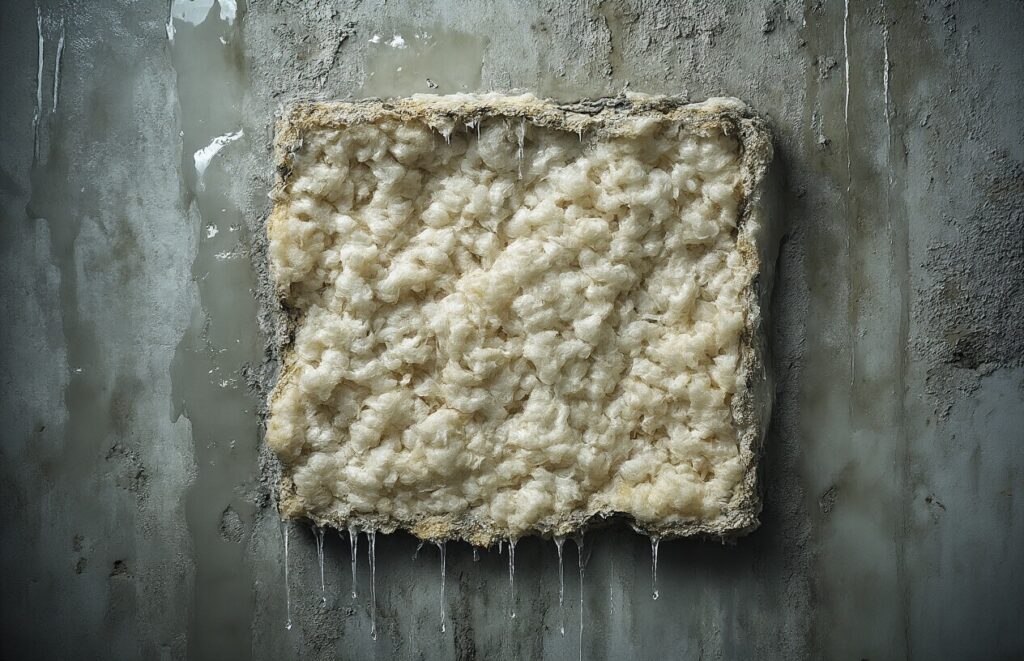
When rockwool absorbs moisture in high-humidity environments, its thermal resistance (R-value) drops significantly. Water displaces the air pockets that make insulation effective, creating direct pathways for heat transfer and undermining the material’s core function.
Structural Breakdown, Health Risks, and Hidden Energy Losses
With this in mind, prolonged exposure to moisture causes fiber deterioration, mold colonization, and bacterial growth within the insulation matrix — posing serious health risks. Moisture-laden rockwool also forces HVAC systems to work harder, driving up operational energy costs considerably over time.
Real-World Environments Where Rockwool Consistently Fails
Cold Chain and Refrigerated Storage Facilities
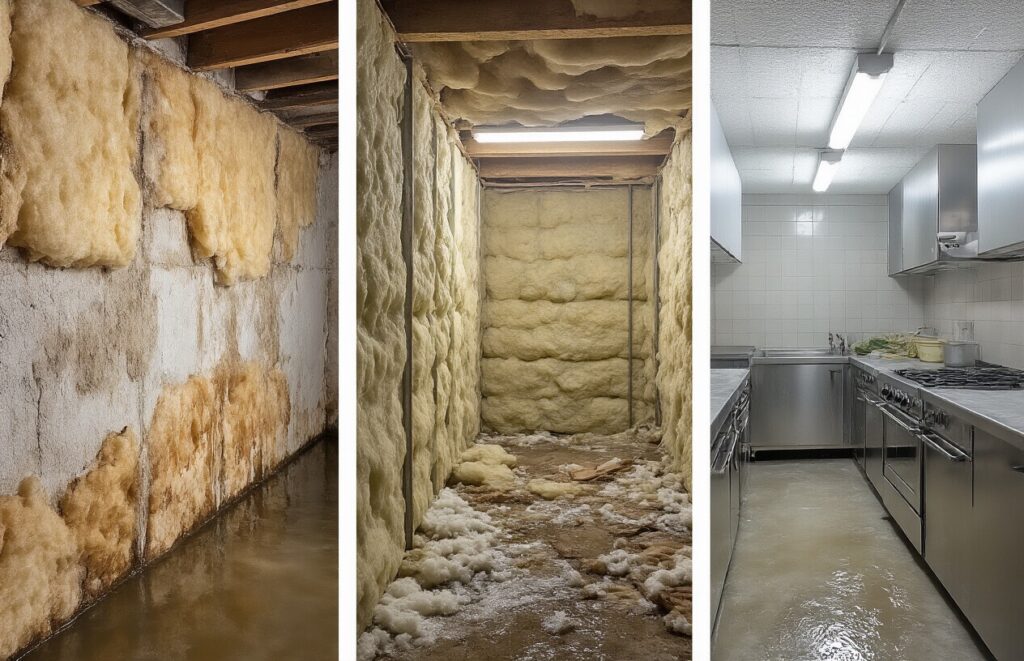
Refrigerated warehouses and cold chain facilities are among the most demanding environments for insulation. Persistent condensation cycles, near-freezing temperatures, and constant humidity infiltration cause traditional rockwool to absorb moisture rapidly, degrading its thermal resistance and compromising the structural integrity of insulated panels over time.
Oil and Gas Pipelines Exposed to Humidity and Steam
Pipelines operating in humid or steam-rich environments face accelerated corrosion under wet rockwool insulation. Once moisture penetrates the material, it becomes trapped against metal surfaces, creating ideal conditions for corrosion under insulation (CUI) — a costly and safety-critical failure mode common across petrochemical infrastructure.
Industrial Process Systems with Temperature Fluctuations
With this in mind, industrial systems that cycle between high and low temperatures generate repeated condensation events. Rockwool subjected to these fluctuations retains absorbed moisture rather than drying out, leading to progressive loss of thermal performance and potential microbial growth within the insulation layers.
Coastal and High-Moisture Geographic Locations
Coastal installations contend with salt-laden air and elevated ambient humidity year-round. These conditions accelerate moisture absorption in rockwool, leading to:
- Reduced R-value over time
- Structural degradation of the insulation matrix
- Increased maintenance frequency and replacement costs
The Hidden Costs of Sticking with Rockwool in Humid Conditions
Frequent Replacement and Maintenance Expenses
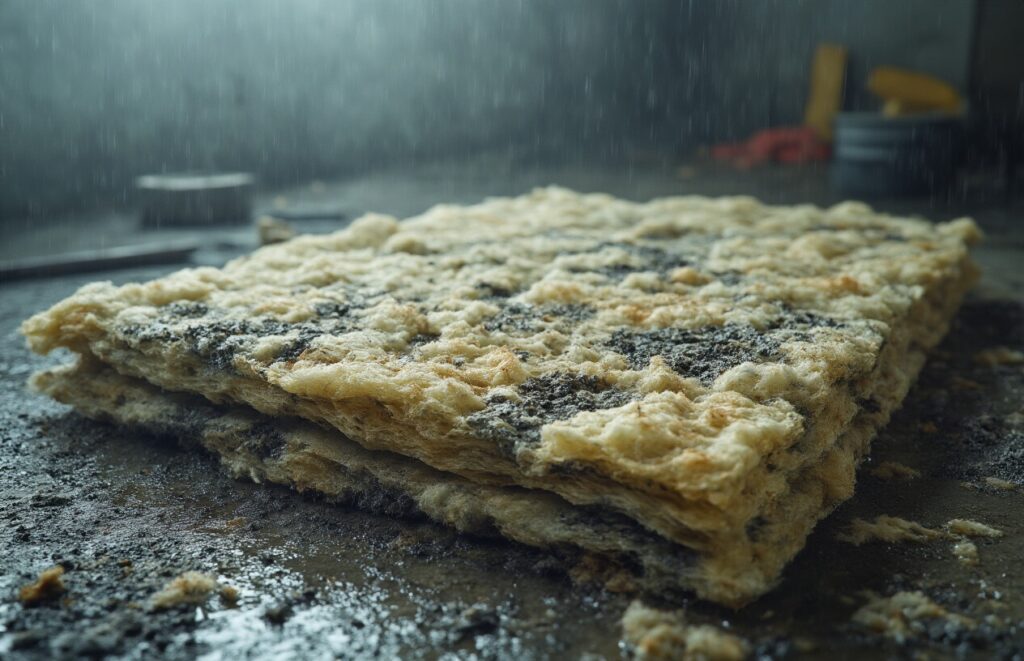
Prolonged exposure to high humidity accelerates rockwool’s physical breakdown, compelling facility managers to schedule replacements far sooner than standard lifecycle projections suggest. These recurring material and labor costs accumulate significantly over time, straining operational budgets and diverting resources from higher-priority maintenance initiatives.
Rising Energy Bills from Reduced Insulation Efficiency
Now that the replacement burden is clear, moisture-saturated rockwool loses thermal resistance, forcing HVAC systems to compensate — directly inflating energy expenditures. Compounding this, material degradation introduces compliance vulnerabilities, as compromised insulation may no longer meet building codes or safety standards, exposing facilities to regulatory penalties and liability risks.
What High-Humidity Environments Actually Demand from Insulation
Hydrophobic Properties That Repel Moisture Completely
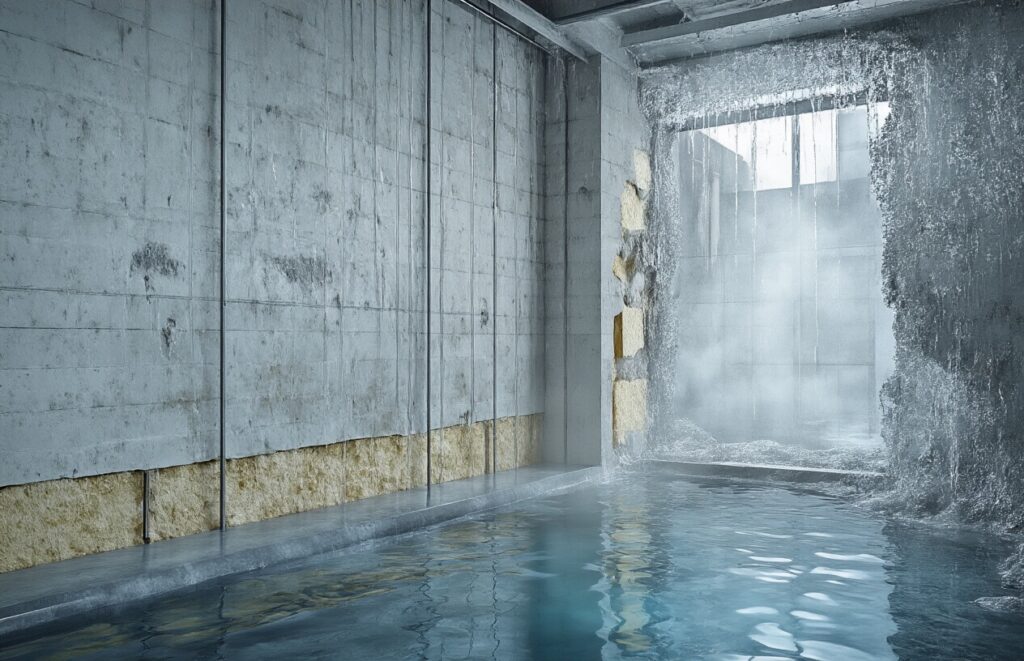
High-humidity environments demand insulation that actively repels water rather than merely tolerating it. Materials must maintain a hydrophobic barrier that prevents moisture absorption at the structural level, ensuring thermal resistance remains uncompromised regardless of ambient humidity.
Structural Integrity, Slim Profile, and Long-Term Durability
Now that the moisture challenge is clear, insulation must also retain mechanical strength in wet conditions, operate within tight spatial constraints, and deliver lasting durability that meaningfully reduces the total cost of ownership over the installation’s lifespan.
How Advanced Aerogel Insulation Solves What Rockwool Cannot
Why Silica Aerogel Naturally Resists Moisture Penetration
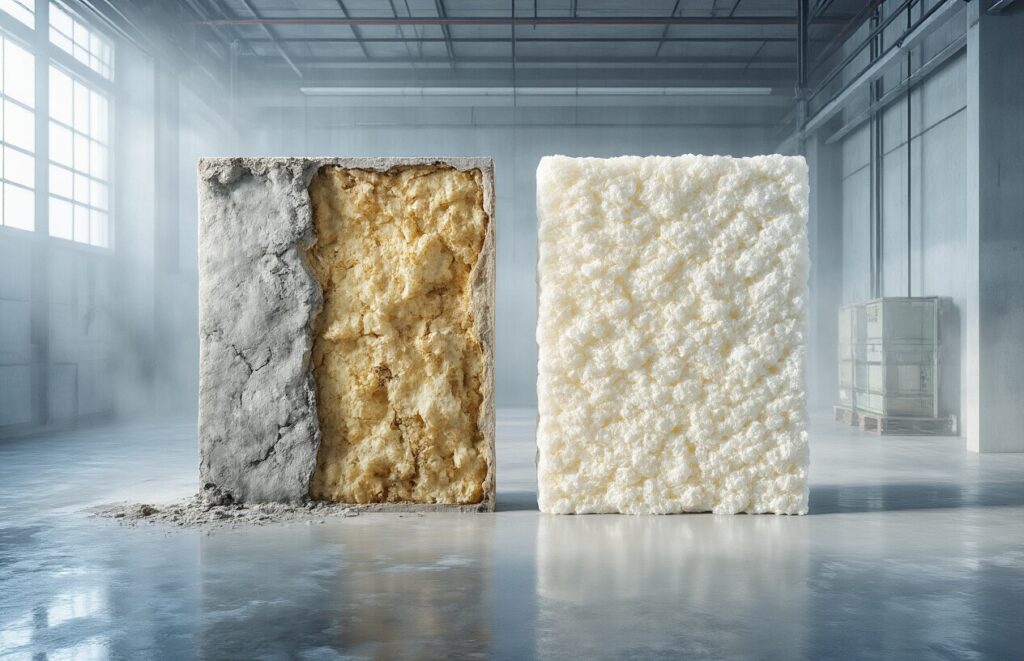
DashamLabs is developing next-generation silica aerogel insulation that fundamentally resists moisture penetration — addressing the core failure point of traditional rockwool. Unlike fibrous materials that absorb and retain water, silica aerogel’s nanoporous structure repels moisture, maintaining thermal integrity even in demanding humid environments across oil & gas, cold chains, process systems, mobility, and aerospace applications.
Scalable and Cost-Efficient Solutions Now Available from Indian Innovation
With this in mind, DashamLabs represents a fully Indian-patented breakthrough in materials science and manufacturing. This innovation makes aerogel insulation cost-efficient, scalable, and easy to deploy across industries — positioning it as the natural global choice for energy efficiency and solving critical challenges like slashing energy waste at scale.
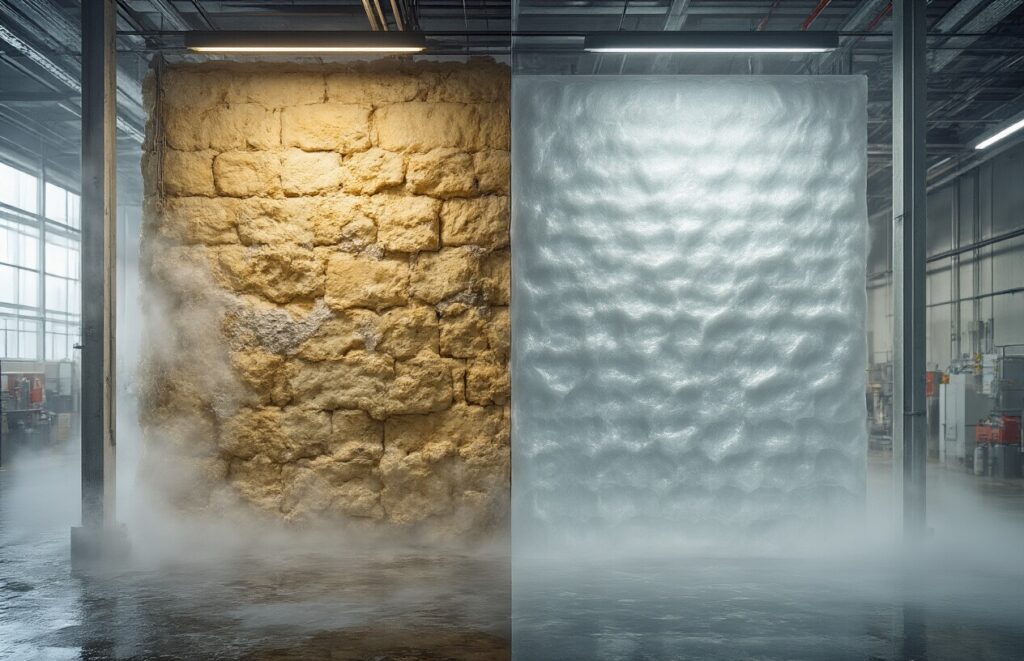
High humidity doesn’t just challenge traditional rockwool — it systematically dismantles it. Water absorption, structural degradation, declining thermal resistance, mold growth, and mounting replacement costs all tell the same story: rockwool was never engineered for environments where moisture is a constant. From cold storage facilities and coastal industrial plants to food processing units and marine applications, the performance gaps are too significant and too costly to ignore.
High-humidity environments demand insulation that maintains structural integrity, resists moisture intrusion, and delivers consistent thermal performance — not just on day one, but across years of demanding operation. Advanced aerogel insulation addresses precisely these demands, offering a fundamentally different material architecture that performs where rockwool falls short. DashamLabs is engineering next-generation silica aerogel flexible sheets designed to make high-performance insulation scalable, cost-efficient, and accessible across industries — from oil & gas and cold chains to process systems and beyond. For facilities operating in humid conditions, the question is no longer whether to move beyond rockwool — it’s how soon the transition can begin.