
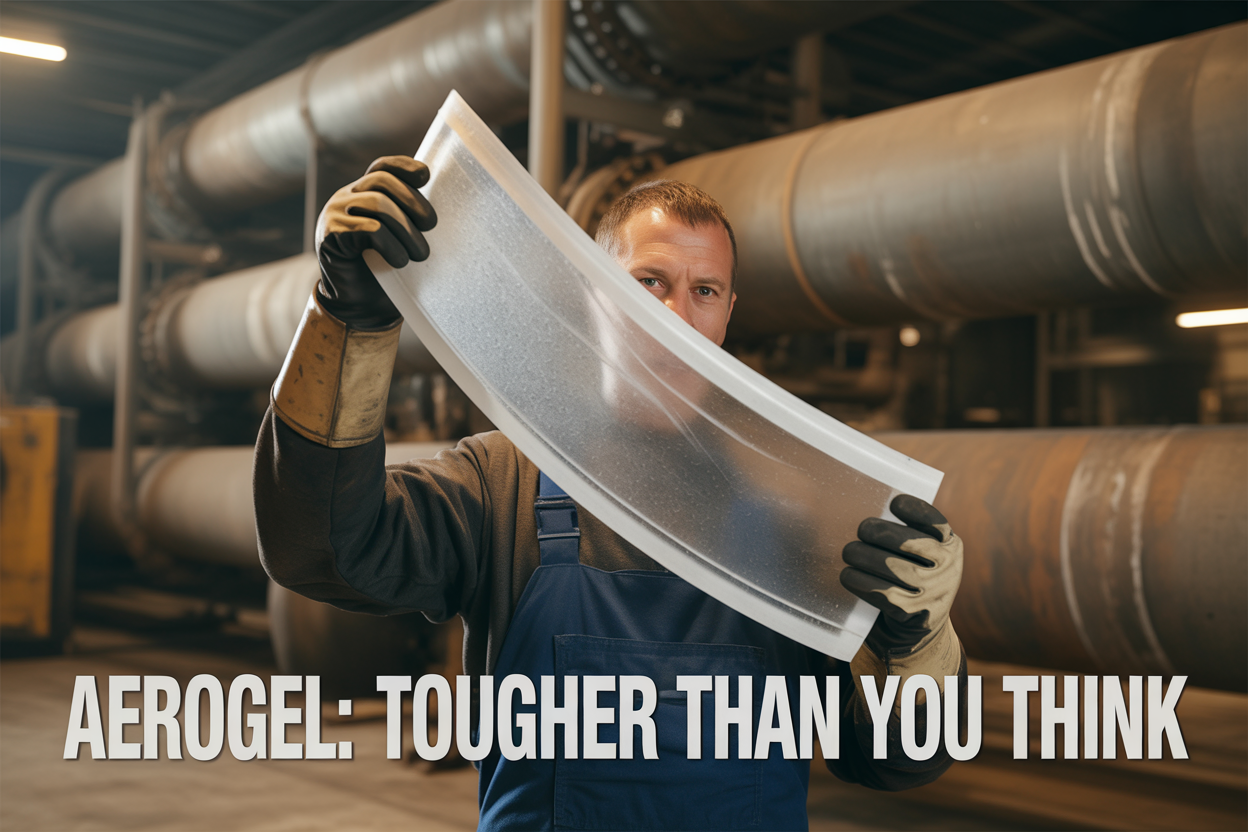
Myth-Busting: Is Aerogel Too Fragile for Rugged Industrial Environments?
Aerogel has a reputation problem. The moment engineers and procurement teams hear “aerogel,” the word “fragile” follows close behind — and that single assumption has kept one of the most powerful insulation materials off the table in some of the toughest industrial settings on the planet.
This piece is for industrial engineers, plant managers, and procurement decision-makers who need insulation that actually holds up — in oil and gas pipelines, high-temperature process systems, cold chains, and environments where materials either perform or fail fast.
Here’s what gets covered: first, where the fragility myth came from, and why flexible silica aerogel sheets have entirely changed the story. Second, the real-world industrial environments where aerogel insulation has already proven its toughness. Third, the performance and cost advantages that make aerogel a serious, scalable choice — not just a lab curiosity.
The short answer to the question in the headline? No, aerogel is not too fragile for rugged industrial use. The long answer is worth reading.
Understanding the Fragility Myth Around Aerogel
Origins of the Perception That Aerogel Is Too Brittle
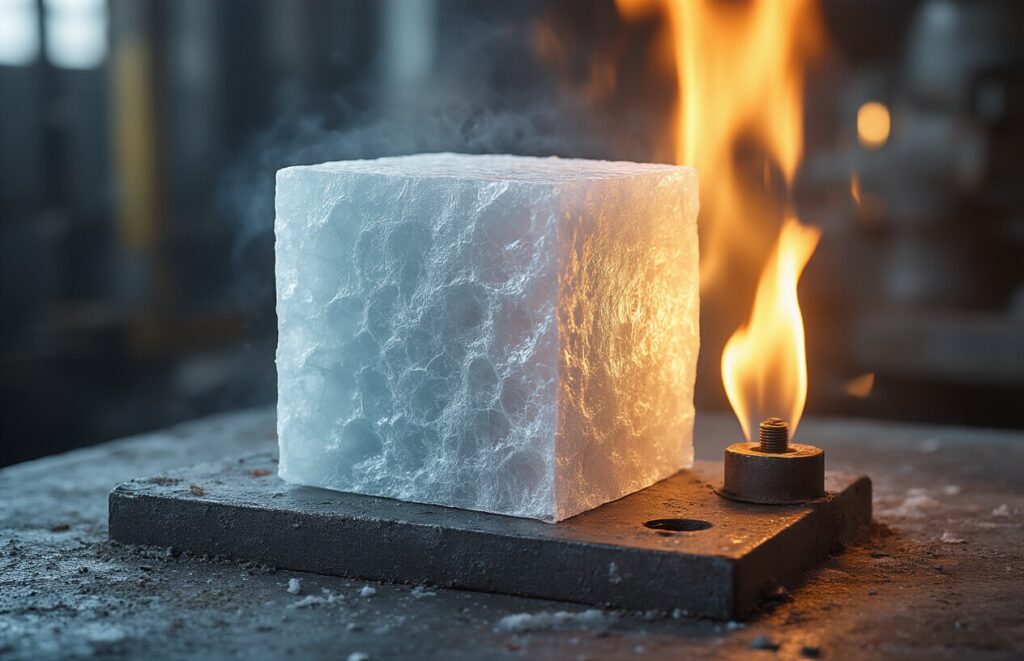
Aerogel’s reputation for fragility stems from early laboratory-grade monoliths — rigid, glass-like structures that crumbled under minimal mechanical stress. These monolithic forms, while groundbreaking in thermal performance, were inherently susceptible to cracking, making industrial adoption seem impractical. That perception took hold and persisted long after material science had moved well beyond those early limitations.
How Traditional Aerogel Monoliths Differ From Modern Flexible Formats
With this in mind, modern aerogel products bear little structural resemblance to their monolithic predecessors. Advanced flexible silica aerogel sheets integrate fibrous reinforcement, enabling the material to withstand bending, compression, and vibration without fracturing — precisely the conditions rugged industrial environments demand. The fragility label, once accurate, no longer reflects the engineered resilience of today’s aerogel formats.
How Flexible Silica Aerogel Sheets Solve the Durability Problem
The Engineering Behind Flexible Aerogel Sheet Technology
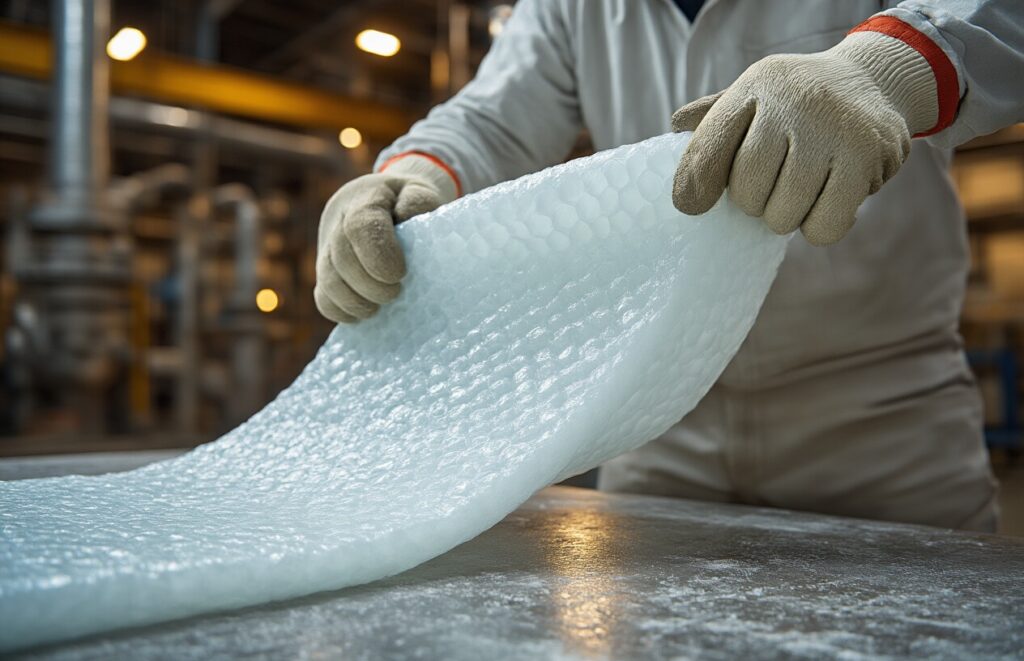
Modern flexible silica aerogel sheets are engineered by reinforcing the traditionally brittle aerogel matrix with fibrous batting or composite substrates, transforming a fragile structure into a mechanically viable industrial material. This hybrid construction preserves the ultra-low thermal conductivity aerogel is renowned for while introducing the flexibility and tensile integrity that demanding environments require.
Mechanical Resilience That Withstands Industrial Handling and Installation
With this in mind, these reinforced sheets resist tearing, cracking, and crumbling during cutting, wrapping, and installation around complex geometries. The composite structure distributes mechanical stress across the fibrous network rather than concentrating it within the silica matrix, enabling consistent performance even after repeated bending, compression, and handling throughout the installation lifecycle.
Performance Retention After Repeated Stress and Compression
Previously, conventional aerogel forms degraded rapidly under cyclical mechanical loads. Flexible aerogel sheets counter this limitation by maintaining structural cohesion and thermal resistance after sustained compressive and flexural stress cycles, ensuring long-term insulation effectiveness without significant performance degradation in continuous industrial operation.
Real-World Industrial Environments Where Aerogel Proves Its Toughness

Oil and Gas Pipelines and High-Temperature Process Systems
DashamLabs’ next-generation silica aerogel insulation is engineered to withstand the demanding conditions of oil and gas pipelines and high-temperature process systems. These environments subject insulation materials to intense thermal stress, mechanical pressure, and chemical exposure — conditions where aerogel consistently delivers reliable performance without compromise.
Cold Chain and Refrigerated Transport Applications
With this in mind, next, the cold chain and refrigerated transport sectors further validate aerogel’s industrial toughness. DashamLabs’ silica aerogel insulation maintains thermal integrity during temperature-sensitive logistics, while mobility and aerospace environments — characterized by vibration, compression, and extreme thermal cycling — also benefit from its superior insulating resilience.
Performance Advantages That Make Aerogel the Superior Industrial Choice
Unmatched Thermal Insulation in a Slim and Lightweight Profile
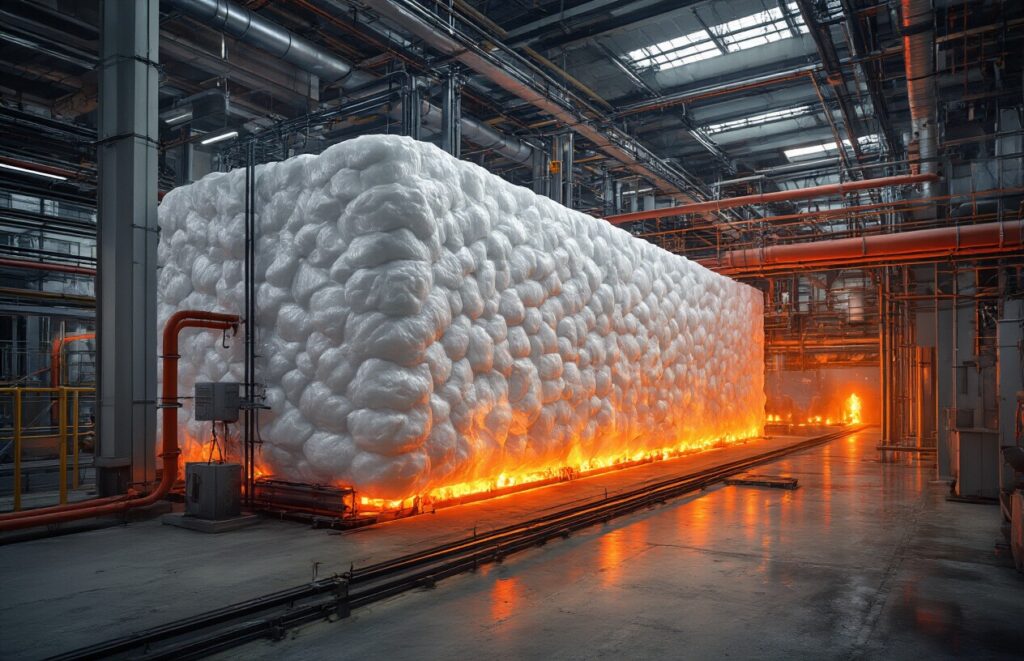
Next-generation silica aerogel insulation delivers exceptional thermal performance while maintaining a remarkably slim and lightweight form factor. Recognized as a simple yet powerful method to cut industrial heat losses, aerogel technology enables facilities to achieve superior energy efficiency without adding bulk or structural burden to existing systems. DashamLabs has engineered this insulation to be the natural choice across industries worldwide.
Energy Loss Reduction Compared to Conventional Bulky Insulation
With this in mind, aerogel insulation is specifically designed to slash energy waste at scale, directly combating climate change. Its advanced silica composition outperforms conventional bulky alternatives by significantly reducing thermal transfer. The technology’s focus on broad industrial applicability ensures that energy loss reduction is accessible across diverse operational environments, making aerogel a measurably superior and future-forward insulation solution.
Ease of Deployment Without Compromising Structural Integrity
Now that the performance advantages are clear, the simplicity of deployment further distinguishes aerogel. Designed for ease of use across industries, next-generation silica aerogel insulation integrates seamlessly into rugged industrial settings without compromising structural integrity, empowering operations to adopt efficient insulation rapidly and effectively.
Scalable and Cost-Efficient Aerogel Manufacturing Breaks Accessibility Barriers
How Process Innovation Makes High-Performance Aerogel Affordable
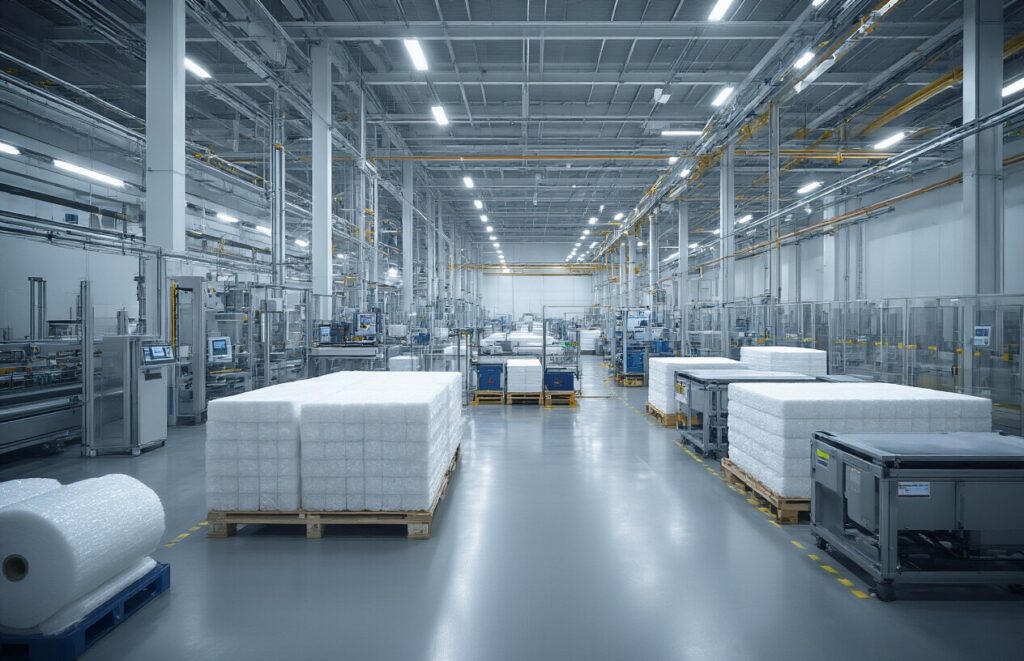
Historically, high-performance insulation remained inaccessible to many industries due to prohibitive costs, excessive bulk, and complex deployment requirements. DashamLabs addresses these barriers directly through next-generation silica aerogel insulation, enabled by deliberate process innovation that delivers cost-efficiency, scalability, and ease of use — qualities that redefine what industrial-grade insulation can realistically offer.
Continuous Production at Scale Ensures Consistent Industrial Supply
With this in mind, continuous production at scale forms a cornerstone of DashamLabs’ manufacturing approach, ensuring reliable supply chains for demanding industrial applications. Equally significant, aerogel manufacturing at DashamLabs maintains a minimal environmental footprint, directly aligning with sustainable industrial goals and reinforcing the broader mission of combating climate change while empowering industries to operate more responsibly.
Choosing the Right Aerogel Partner for Rugged Industrial Needs

What to Look for in an Aerogel Manufacturer for Heavy-Duty Applications
Now that the performance advantages of aerogel have been established, selecting the right manufacturing partner becomes the critical next step. For rugged industrial applications, manufacturers must demonstrate scalable production capabilities, a commitment to solving real-world challenges, and the ability to deliver materials that maintain consistent quality across demanding environments.
Certifications, Patents, and Scientific Credibility That Ensure Product Reliability
How Next-Generation Indian Aerogel Innovation Is Setting Global Standards
DashamLabs represents a fully Indian-patented breakthrough in materials science, positioning India as a global leader in advanced materials. With scientific credibility backed by proprietary patents, the company’s mission centers on creating advanced materials that solve genuine global challenges and deliver lasting impact — setting a new benchmark for aerogel innovation worldwide.
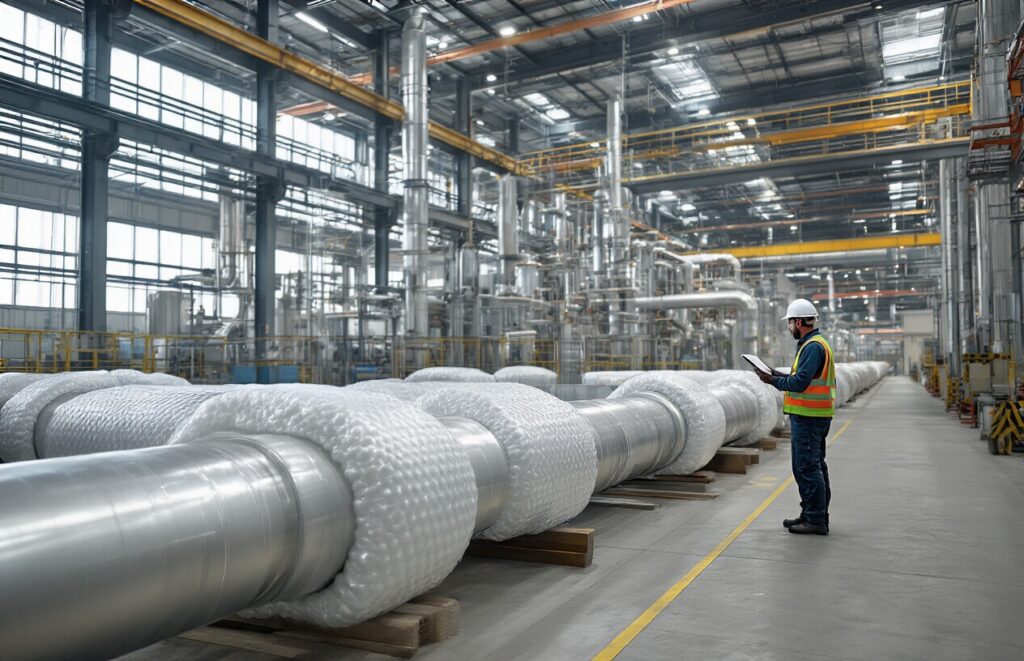
The notion that aerogel is too fragile for industrial use simply does not hold up to scrutiny. Flexible silica aerogel sheets have redefined durability in high-performance insulation — proving their resilience across demanding environments in oil and gas, process systems, cold chains, mobility, and aerospace. When combined with superior thermal performance, ease of deployment, and scalable manufacturing, aerogel emerges not as a niche laboratory material, but as a practical, future-ready solution for the most rugged industrial challenges.
Selecting the right aerogel partner is the final — and perhaps most critical — step in this journey. DashamLabs brings together deep materials science expertise, a fully Indian-patented manufacturing process, and a mission-driven focus on making aerogel insulation cost-efficient and accessible at scale. For industries ready to eliminate energy waste, reduce operational costs, and adopt insulation that genuinely performs under pressure, the case for aerogel has never been stronger — or clearer.