
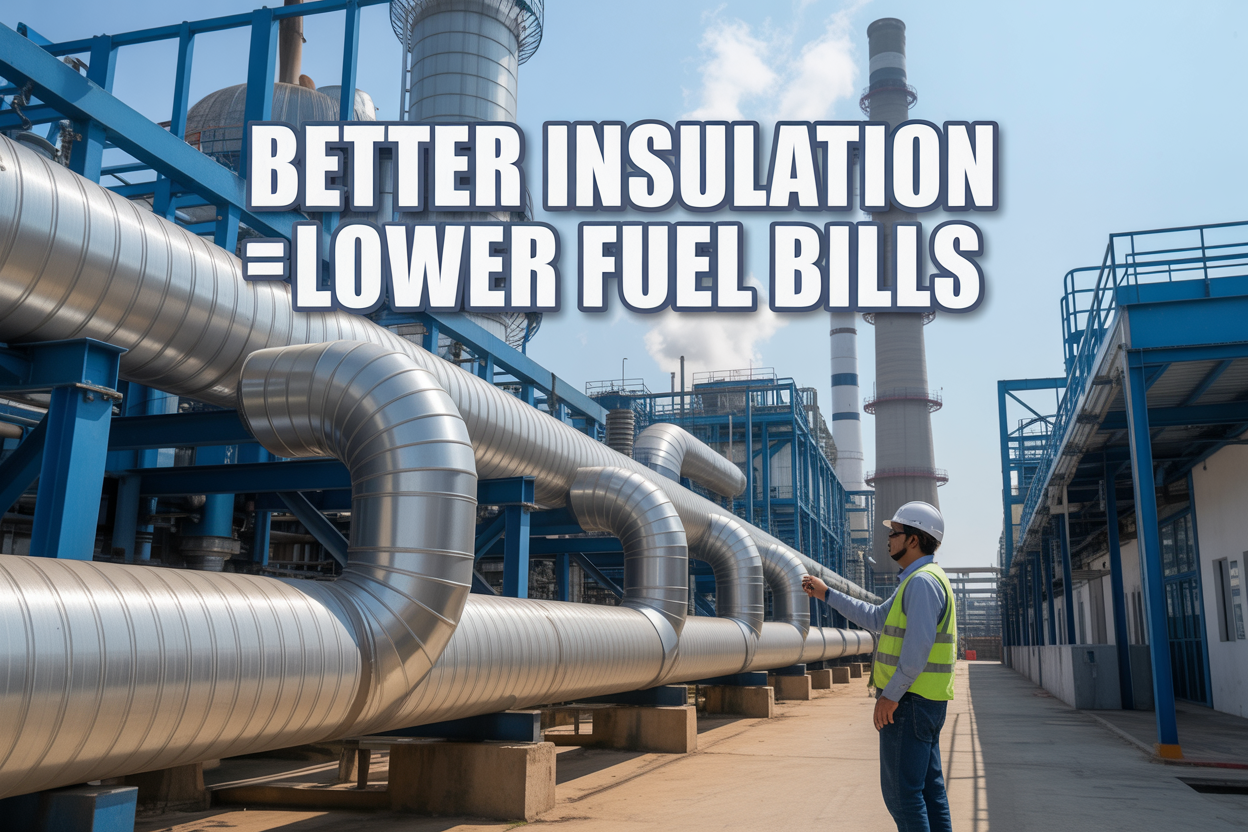
India’s industrial sector faces mounting pressure from rising energy costs and environmental commitments, but a straightforward solution often gets overlooked: better insulation. Industrial facilities across manufacturing, chemicals, and food processing lose massive amounts of thermal energy daily through poorly insulated pipes, equipment, and buildings, unnecessarily driving up fuel bills and emissions.
This guide targets facility managers, energy engineers, and industrial decision-makers who need practical strategies to cut operational costs while supporting India’s net-zero goals. Better insulation reduces India’s industrial fuel bill by creating immediate energy savings, improving equipment efficiency, and lowering maintenance costs.
The following sections examine how industrial insulation reduces energy waste and fuel consumption in high-temperature operations, the financial benefits of upgraded thermal management for Indian manufacturing, and why insulation is among India’s fastest net-zero solutions. The analysis covers strategic advantages for India’s growing manufacturing sector, as well as workplace safety and regulatory compliance benefits that make insulation investments even more compelling.
How Industrial Insulation Cuts Energy Waste and Fuel Consumption
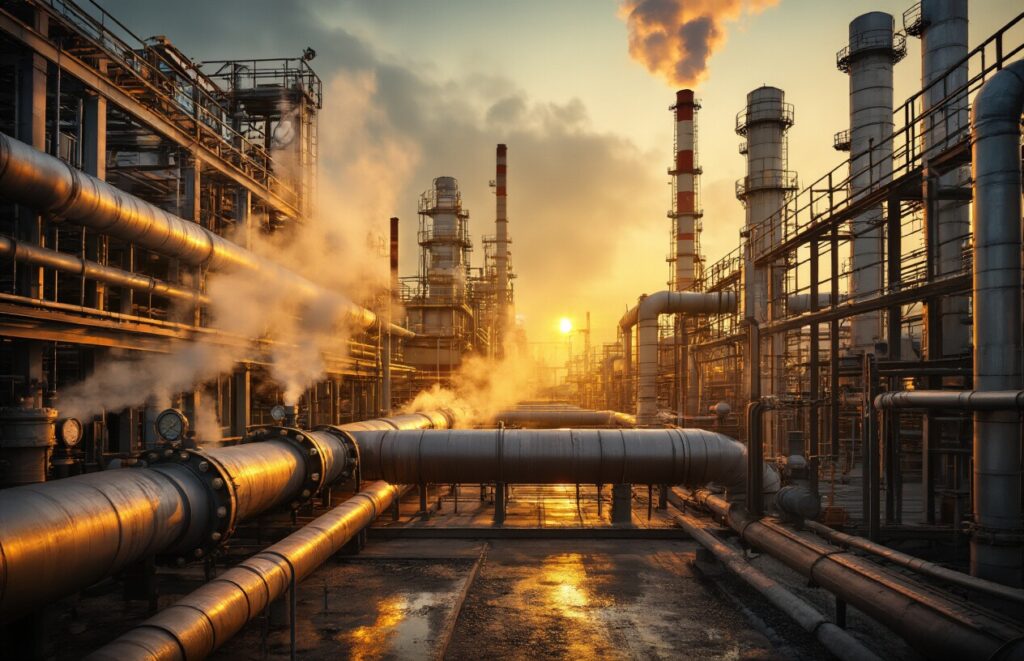
Containing Heat to Improve Thermal Efficiency in Processing Lines
Industrial facilities achieve significant improvements in thermal efficiency by implementing strategic insulation systems that maintain consistent process temperatures. Heat escaping from processing lines, furnace doors, curing ovens, and exhaust ducts reduces operational efficiency and drives up fuel consumption. Textile-based insulation solutions, including ropes, sleeves, and tapes, create effective thermal barriers that contain heat where needed, reducing the workload on heating systems and preventing prolonged warm-up times.
Minimizing Heat Loss Through Industrial Pipe Insulation Systems
Industrial pipe insulation systems target common heat-loss sources, including pipes, boilers, and steam lines, where heated fluids dissipate heat to the environment. High-performance wraps, tapes, seals, and gaskets at connection points help retain energy and prevent hot-air leaks, particularly in systems with long piping runs or frequent thermal cycling.
Financial Benefits of Better Insulation for Indian Industries
Cutting Energy Bills by Improving System Efficiency
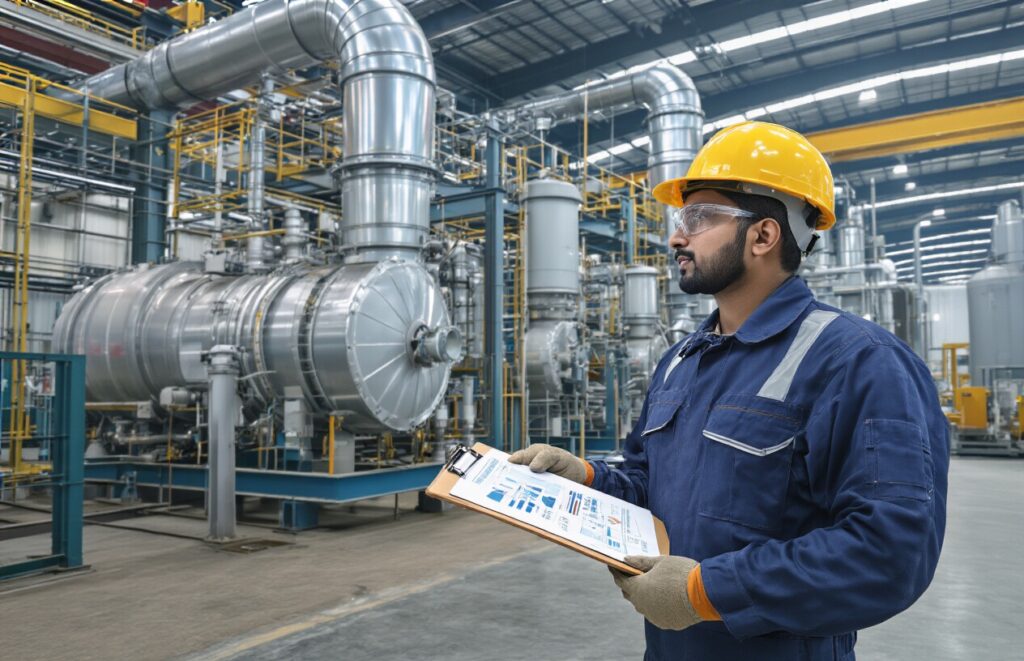
Industrial facilities achieve substantial energy cost reductions by insulating equipment, pipes, and enclosures with heat-resistant textiles. This approach significantly reduces fuel and electricity usage by preventing energy that would otherwise be lost, directly reducing capital spent on energy. Modest improvements in thermal efficiency through insulation deliver meaningful cost savings over time, providing a passive, low-maintenance solution with long-term financial impact.
Preventing Costly Equipment Failures and Downtime
Insulation serves as a thermal buffer that shields equipment from stress and maintains stable operating conditions, effectively preventing costly equipment failures and downtime. This thermal protection counteracts accelerated wear and weakening of components caused by high temperatures. High-temperature sealing solutions, including specialized seals and gaskets, minimize the risk of heat-related failures and reduce maintenance frequency by ensuring secure fits in demanding industrial environments.
Extending Industrial Equipment Lifespan Through Thermal Protection
Investment in proper insulation extends the lifespan of industrial equipment by reducing the intensity of thermal cycling, which typically causes structural fatigue, material degradation, and premature failure. Specialized textile insulation resists corrosion, abrasion, and chemical exposure, protecting sensitive equipment and preserving capital investments throughout extended operational periods.
India’s Massive Energy Waste Problem and Insulation Opportunity
Scale of Annual Energy Losses Worth INR 92,000 Crores
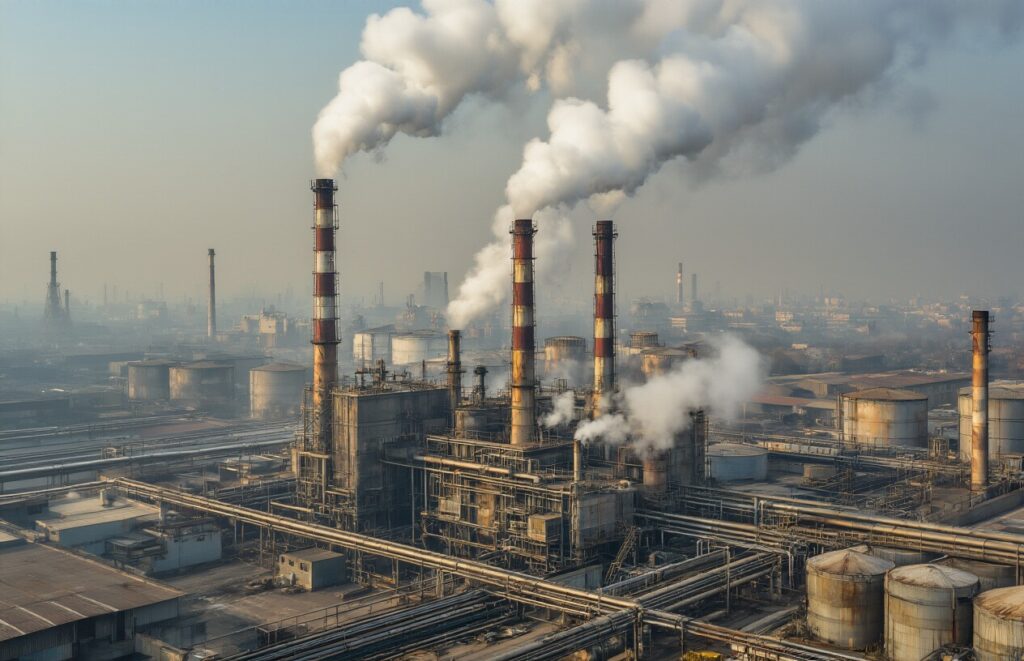
India faces a staggering energy waste crisis, with annual losses reaching INR 92,000 crore due to food wastage alone. Close to 40% of these losses stem directly from deficiencies in cold-chain infrastructure and inadequate thermal control systems. These inefficiencies translate into gigawatts of avoidable power consumption and millions of tonnes of preventable emissions, highlighting the urgent need for improved thermal management across industrial sectors.
Buildings Consuming 35% of India’s Total Electricity.
Buildings account for approximately 35% of India’s total electricity consumption, with heating and cooling loads representing a major component of this demand. In industrial and cold storage facilities, this share can exceed 40%, demonstrating the critical role of thermal efficiency in energy management. With cooling demand projected to grow nearly eightfold by 2037-38, addressing these consumption patterns through better insulation becomes essential for sustainable energy use.
Insulation as India’s Fastest Net-Zero Solution
Efficiency-First Approach Before Renewable Energy Expansion
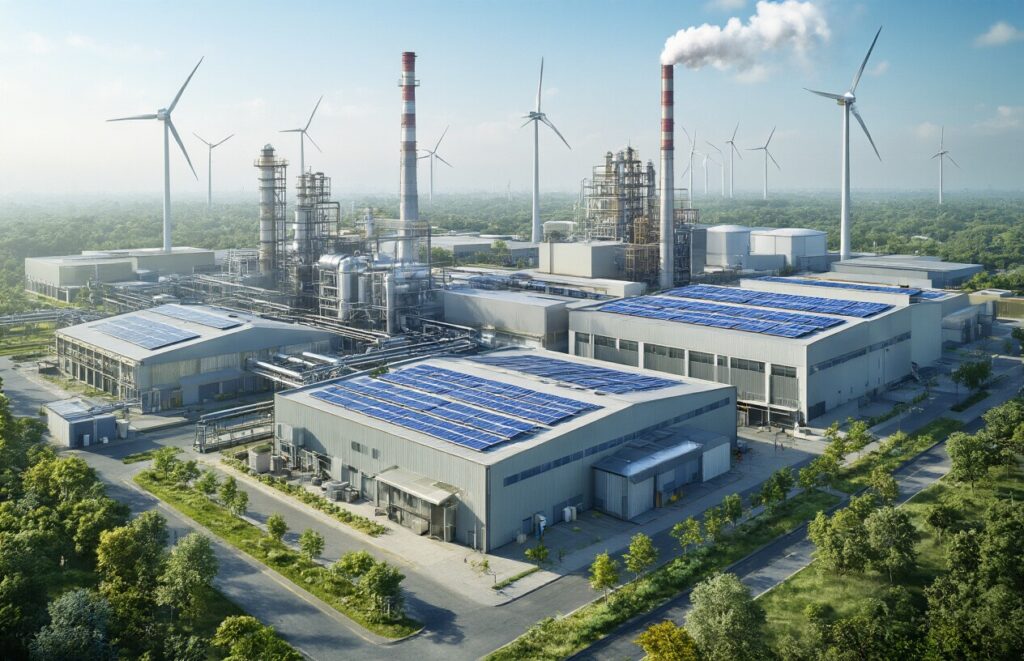
India must prioritize stopping energy waste before generating more clean energy, as inefficient infrastructure creates a silent drain across various sectors. Global efficiency frameworks position insulation as a “first action” before integrating renewable energy, since a lower energy baseline requires less clean power, reducing overall transition costs.
Low-Risk, High-Impact Decarbonization Strategy
Thermal insulation is a deployable, scalable, and non-disruptive decarbonization strategy that requires no production downtime or behavioral change while continuously conserving energy. Achieving net-zero involves eliminating waste first, making insulation one of the fastest, simplest, and most cost-effective solutions available, embodying the principle: “conserve first, generate later.”
Strategic Advantages for India’s Manufacturing Sector
Make-in-India Opportunity for Advanced Insulation Technologies
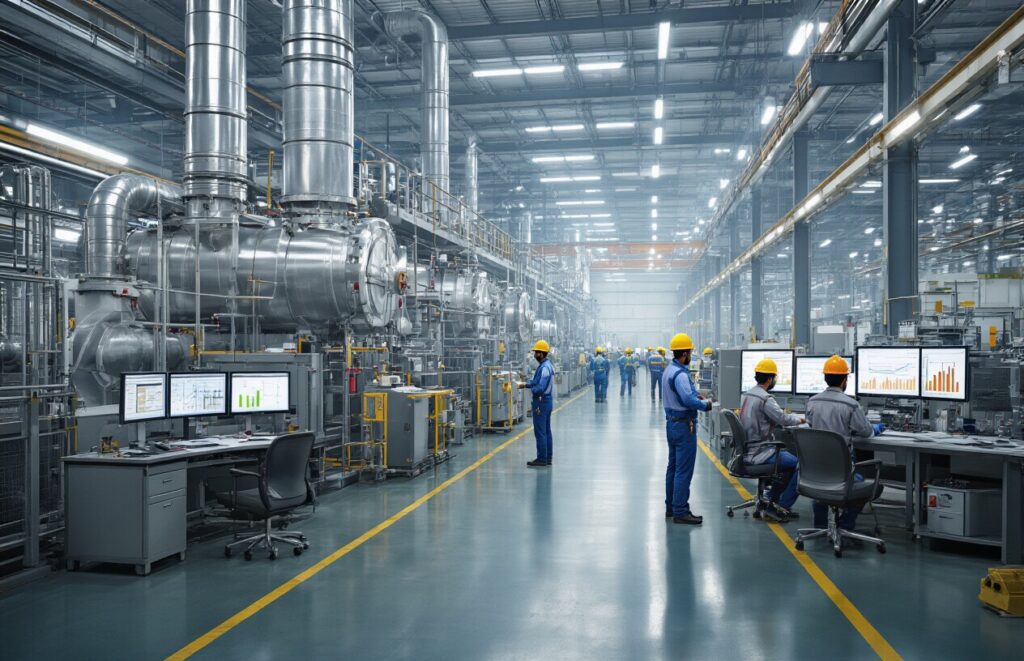
With this in mind, India’s expanding manufacturing ecosystem presents significant opportunities for domestic production of advanced insulation technologies. The growing demand for high-performance, recyclable, and certified insulation materials presents a substantial “Make in India” opportunity to reduce dependence on imports while creating jobs and strengthening local supply chains.
Meeting Global ESG and Export Standards
Now that manufacturing competitiveness has become crucial, Indian industries must comply with global ESG and export standards. Local production of advanced insulation technologies enables manufacturers to meet these stringent Environmental, Social, and Governance requirements while enhancing their industrial competitiveness in international markets.
Workplace Safety and Regulatory Compliance Benefits

Preventing Heat-Related Injuries and Burns
Industrial insulation serves as a critical safety barrier, effectively reducing surface temperatures on high-temperature equipment and preventing serious burns to personnel. In confined or busy industrial areas, uninsulated surfaces pose significant risks to workers who may inadvertently come into contact with hot equipment during routine operations.
Meeting OSHA and EPA Thermal Protection Standards
Organizations such as OSHA and the EPA require or strongly recommend thermal protection standards that address both energy efficiency and worker safety considerations. Industrial facilities across various sectors use insulation solutions to comply with these regulatory requirements while improving operational efficiency and creating safer working environments for their workforce.
Better insulation represents one of India’s most accessible and immediate pathways to achieving industrial energy efficiency and net-zero goals. By addressing thermal losses across pipes, equipment, and processing systems, Indian manufacturers can reduce fuel consumption by 20-40%, translating to billions in annual energy savings. The evidence is clear: thermal insulation delivers faster returns and lower risks compared to complex renewable energy projects, making it an essential foundation for any industrial decarbonization strategy.
For India’s rapidly expanding manufacturing sector, the opportunity extends beyond cost savings. Enhanced thermal management strengthens workplace safety compliance, extends equipment lifespan, and reduces maintenance costs, while supporting the Make in India initiative by promoting domestic production of insulation technology. As the nation builds 70% of its future industrial infrastructure, implementing proper thermal insulation from day one creates permanent low-carbon assets that will deliver energy savings for decades. The transition to clean energy begins with eliminating waste, and industrial insulation offers the fastest, most cost-effective solution available today.