
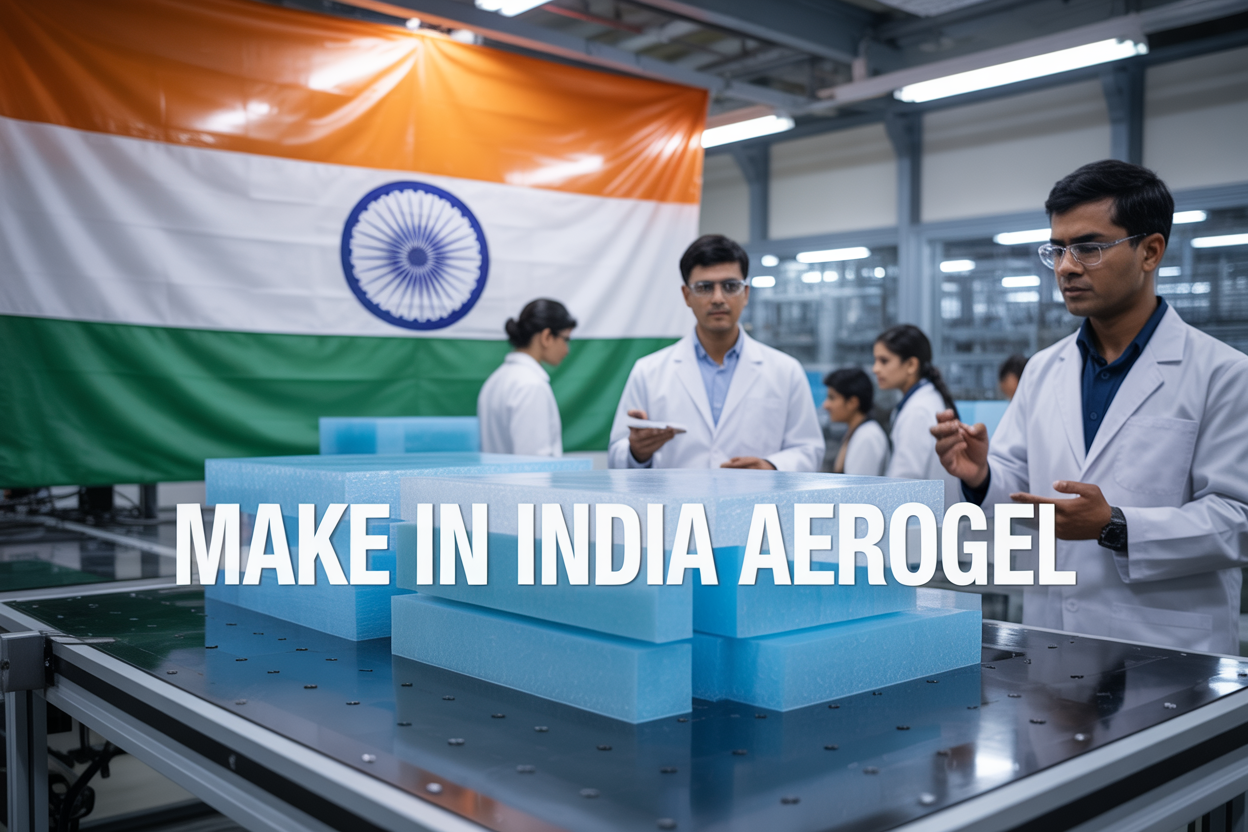
India faces a critical challenge in the aerogel market: nearly complete dependence on expensive imports despite growing demand across industries. This analysis examines how building a domestic aerogel supply chain can transform India from an import-dependent market into a manufacturing hub for these revolutionary materials.
This guide serves manufacturers, policymakers, investors, and industry executives seeking to understand the strategic benefits of localizing aerogel production. The discussion targets decision-makers evaluating supply chain resilience, cost optimization, and competitive positioning in the growing $44.63 million Indian market.
The analysis covers India’s current import challenges and the untapped domestic market opportunity. It explores breakthrough technologies enabling cost-effective local manufacturing, including innovative production methods that reduce capital costs and improve scalability. The guide also examines the economic benefits and strategic advantages that domestic aerogel manufacturing offers for India’s industrial competitiveness across construction, transportation, and energy sectors.
Current Challenges with Aerogel Import Dependency in India

High Production Costs of Traditional Manufacturing Methods
Traditional aerogel manufacturing methods rely on expensive CO₂-based supercritical drying processes that require significant capital investments and lengthy cycle times. These conventional approaches have created substantial cost barriers to widespread adoption, keeping aerogels expensive to produce despite decades of research and proven performance.
Limited Local Manufacturing Capabilities
India currently lacks established commercial platforms for aerogel production, forcing industries to depend entirely on imported materials. The absence of domestic manufacturing infrastructure means local companies cannot access these advanced materials efficiently, limiting the innovation potential in sectors that require high-performance insulation solutions for industrial and mobility applications.
Reliance on Global Suppliers Like Aspen and Cabot
Global leaders such as Aspen and Cabot have dominated the aerogel market but have not solved for affordability or local manufacturability in emerging markets. This dependency on international suppliers creates procurement challenges and limits access to cutting-edge insulation technologies for Indian industries seeking energy-efficient solutions.
Supply Chain Vulnerabilities and Cost Implications
Import dependency exposes Indian industries to supply chain disruptions, currency fluctuations, and extended lead times that can significantly impact project timelines and costs. The reliance on foreign suppliers also means higher material costs due to import duties, shipping expenses, and limited negotiating power, making advanced insulation solutions economically challenging for mass-market applications.
India’s Growing Aerogel Market Opportunity
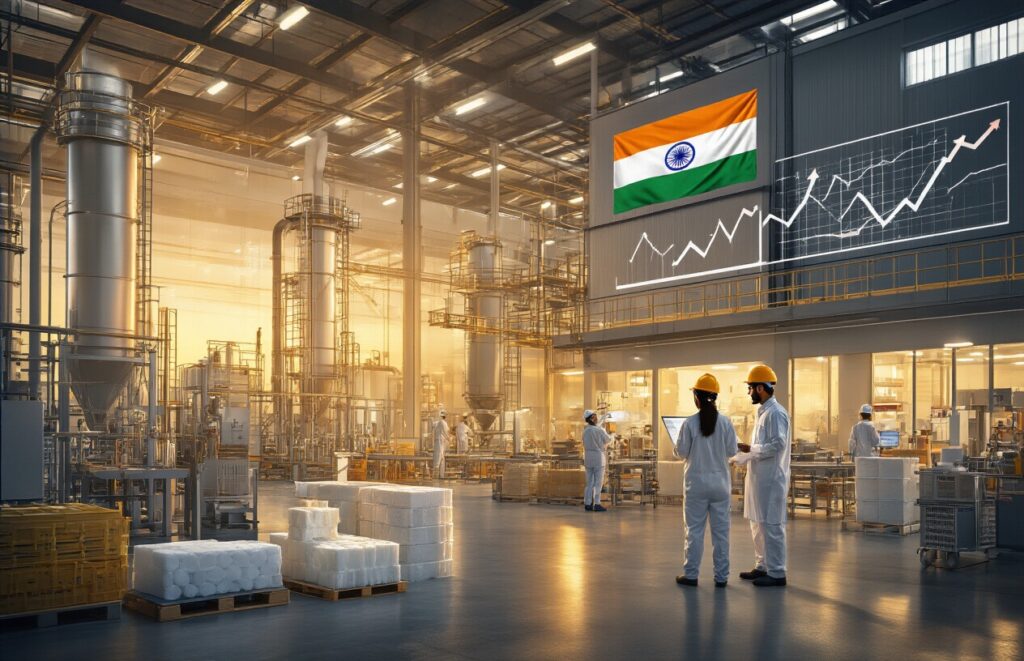
Market Size Reaching USD 44.63 Million with 5.38% CAGR Growth
The Indian aerogel market demonstrates a robust growth trajectory, reaching USD 44.63 million in 2023 with an anticipated CAGR of 5.38% through the forecast period of 2024-2029. This expansion reflects the growing recognition of aerogel’s exceptional properties, including low density, high porosity, and superior thermal insulation, across multiple industrial applications.
West India Leading Regional Demand and Market Share
West India emerged as the dominant regional player, capturing the largest market share by value in 2023. This leadership position stems from the region’s thriving ecosystem of construction, automotive, and oil and gas industries, all heavily reliant on aerogel utilization. Manufacturing hubs in Mumbai and Pune have significantly contributed to the heightened demand, supported by substantial investments in advanced materials research by companies and educational institutions throughout the western region.
Government Initiatives Promoting Energy Efficiency and Sustainability
Government support has created favorable market conditions through targeted initiatives promoting energy efficiency and environmental sustainability. Notable backing includes support for companies such as Aerogel One Ltd. to establish manufacturing units producing silica-based aerogel insulation sheets. Additionally, government interest in aerogel-based methods for treating textile dyeing effluent demonstrates a commitment to environmental applications, while policies focusing on carbon emissions reduction and the adoption of green building materials further strengthen market prospects.
Rising Industrial Applications Across Multiple Sectors
Industrial demand spans multiple sectors, with the oil and gas industry driving significant growth through aerogel blanket applications in pipelines, refineries, and offshore platforms. The construction sector increasingly adopts aerogels for energy-efficient building designs, while the transportation industry uses them for thermal management in automotive and aerospace applications. Polymer aerogels particularly dominate the material segment, offering superior chemical and physical properties across defense, electronics, construction, automotive, and telecommunications applications.
Key Industries Driving Aerogel Demand in India

Construction Sector’s Shift Toward Energy-Efficient Building Materials
The construction sector increasingly demands advanced insulation materials capable of delivering superior thermal performance across extreme temperature ranges. Silica aerogel sheets, with their ultra-low thermal conductivity of 0.016 W/mK, offer unprecedented energy-efficiency solutions for high-performance buildings. These materials combine lightweight properties with fire resistance and durability from -200°C to 1000°C, making them ideal for next-generation energy-efficient construction projects where traditional insulation materials fall short.
Transportation Industry’s Need for Lightweight Thermal Management Solutions
With the rapid expansion of electric mobility and advanced transportation systems, the industry requires lightweight thermal management solutions that ensure safety and performance. Aerogel applications in EV battery safety systems demonstrate the material’s critical role in managing heat effectively while maintaining structural integrity. The combination of ultra-low thermal conductivity, hydrophobicity, and fire resistance makes aerogels essential for transportation applications where weight reduction and thermal protection are paramount to both performance and sustainability objectives.
Breakthrough Technologies Enabling Local Production
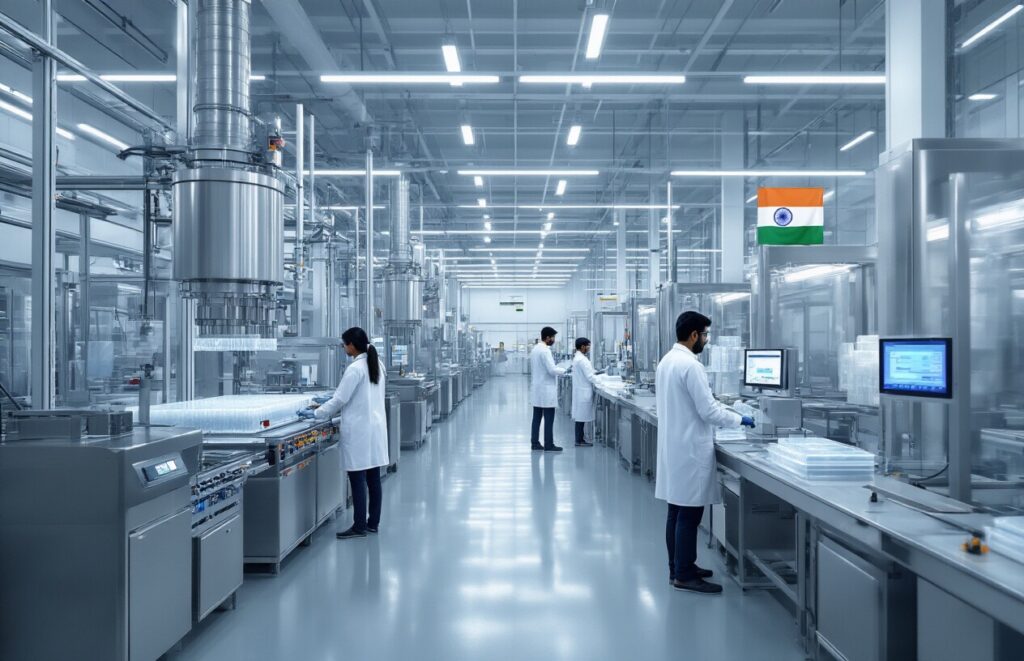
Dashamlabs’ Proprietary Ethanol-Based Supercritical Drying Process
Dashamlabs has developed a breakthrough ethanol-based supercritical drying process that represents a significant advancement in the economics of aerogel production. This proprietary technology enables solvent recovery, reduces capital costs, and achieves faster cycle times compared to traditional CO₂-based methods, making large-scale manufacturing more economically viable.
Ambient-Pressure Drying Pathway and Superior Performance Properties
The company is simultaneously advancing an ambient-pressure drying pathway designed to unlock cost-efficient, high-volume manufacturing for mass-market applications. Dashamlabs’ silica aerogel sheets achieve ultra-low thermal conductivity of 0.016 W/mK while maintaining temperature stability from -200°C to 1000°C, incorporating hydrophobicity and fire resistance capabilities essential for industrial applications.
Economic Benefits of Domestic Aerogel Manufacturing
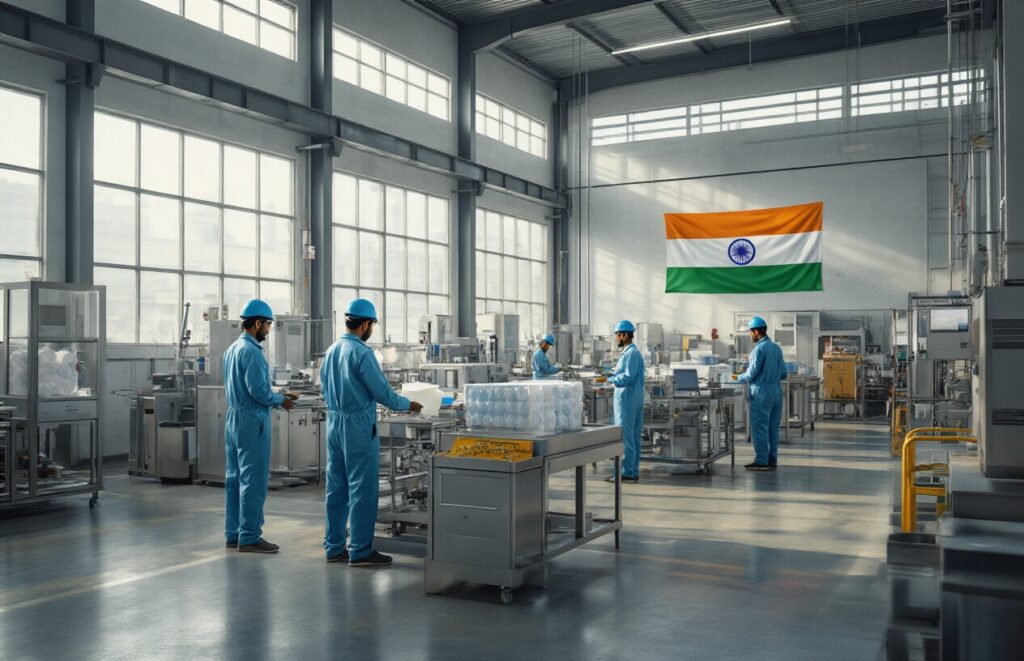
Reduced Import Costs and Currency Exchange Risks
Domestic aerogel manufacturing eliminates substantial import costs that currently burden Indian industries. The referenced research demonstrates that aerogel production scaling reduces unit costs significantly, with ambient-pressure drying methods projected to decrease manufacturing costs by 3-5 times compared to traditional supercritical drying processes.
Job Creation in Advanced Materials and Chemical Manufacturing
Establishing local aerogel production facilities creates employment opportunities across the advanced materials sector. The manufacturing process requires specialized expertise in sol-gel chemistry, nanotechnology, and materials engineering, fostering high-skilled job creation in chemical manufacturing and research and development sectors throughout India’s industrial ecosystem.
Strategic Advantages for India’s Industrial Competitiveness

Energy Efficiency Improvements Across Manufacturing Sectors
India’s manufacturing sectors stand to benefit significantly from domestic aerogel production by enhancing energy efficiency. The superior thermal insulation properties of aerogels enable substantial reductions in energy consumption for heating and cooling across industrial facilities, leading to lower operational costs and improved process efficiency.
Support for Clean Energy Transition and Decarbonization Goals
With the growing focus on environmental sustainability, aerogels align perfectly with India’s decarbonization objectives by enabling energy-conservation applications that reduce carbon emissions. The government’s initiatives promoting energy efficiency and green building materials create favorable conditions for aerogel adoption across sectors, supporting the transition toward sustainable manufacturing practices and clean energy solutions.
Investment and Innovation Ecosystem Development

Deep-Tech Venture Capital Support for Aerogel Startups
India’s aerogel innovation ecosystem benefits from strategic venture capital investments, exemplified by Speciale Invest’s funding of Dashamlabs, the country’s first scalable silica aerogel platform. This seed-stage investment demonstrates how deep-tech venture firms support founders translating frontier science into commercial solutions, particularly in energy transition and advanced manufacturing sectors.
Research Collaboration Between IITs and Industry Partners
Strategic partnerships between premier research institutions and industry players accelerate aerogel commercialization in India. The collaboration between IIT Kharagpur and Bharat Electronics Limited in 2020 represents a successful technology development initiative focused on aerogel-based materials for electronic devices. Such academic-industry partnerships bridge scientific research with practical applications, enabling breakthrough technologies to reach market readiness.
Government Policy Support for Domestic Manufacturing
Government initiatives promoting energy efficiency and sustainability create favorable conditions for the growth of aerogel manufacturing. These policies focus on reducing carbon emissions while encouraging the adoption of green building materials, aligning perfectly with aerogel’s exceptional thermal insulation capabilities. Additionally, incentives for domestic manufacturing and research and development activities further strengthen the aerogel industry’s foundation.
Technology Transfer from Research Institutes to Commercial Production
The success of Dashamlabs illustrates effective technology transfer from research institutions to commercial ventures. Dr. Neha Hebalkar’s aerogel technology, developed at the International Advanced Research Center for Powder Metallurgy & New Materials (ARCI), Hyderabad, demonstrates how scientific breakthroughs transition from laboratory concepts to scalable manufacturing platforms, enabling India’s emergence as a global aerogel manufacturing leader.
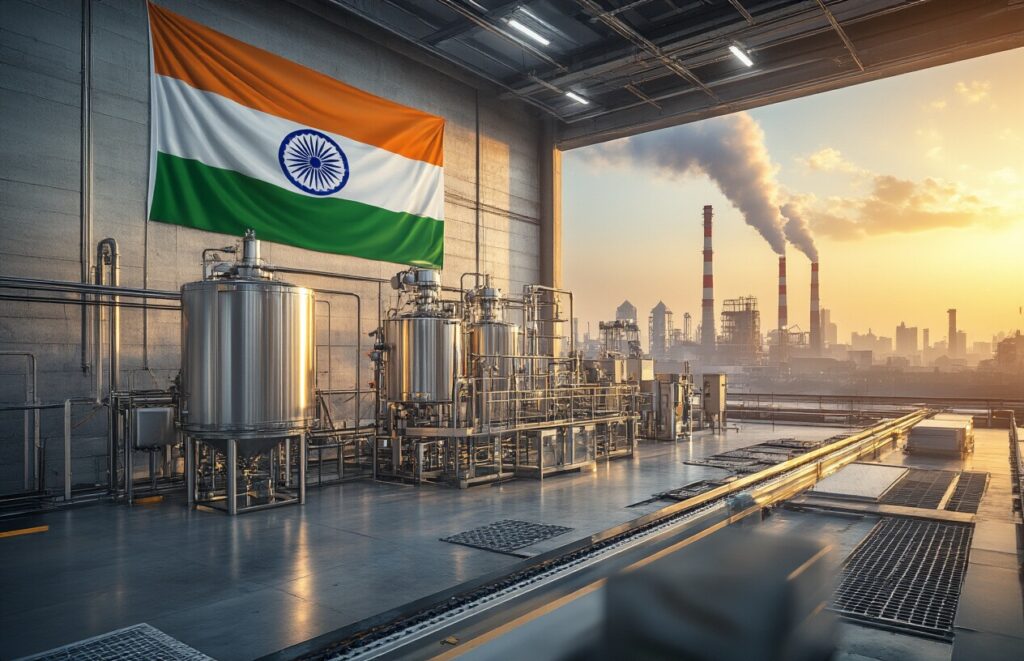
India stands at a pivotal moment to transform its aerogel landscape from import dependency to manufacturing leadership. With the market projected to grow at 5.38% CAGR through 2029 and breakthrough innovations like Dashamlabs’ ethanol-based production technology, the foundation for a robust domestic supply chain is already taking shape. The convergence of growing demand across construction, transportation, and oil & gas sectors, combined with government initiatives promoting energy efficiency and sustainability, creates an unprecedented opportunity for India to establish itself as a global aerogel manufacturing hub.
The strategic development of an indigenous aerogel supply chain will deliver far-reaching benefits beyond cost reduction and supply security. It positions India to capture value across the entire innovation ecosystem, from advanced materials research to large-scale industrial applications. As companies like Dashamlabs demonstrate the viability of locally manufactured aerogels with world-class performance, India can leverage its technical expertise, manufacturing capabilities, and market demand to build a competitive advantage in this critical advanced materials sector. The time is right for stakeholders across industry, academia, and government to accelerate investments and partnerships that will establish India as a leader in the global aerogel economy.