
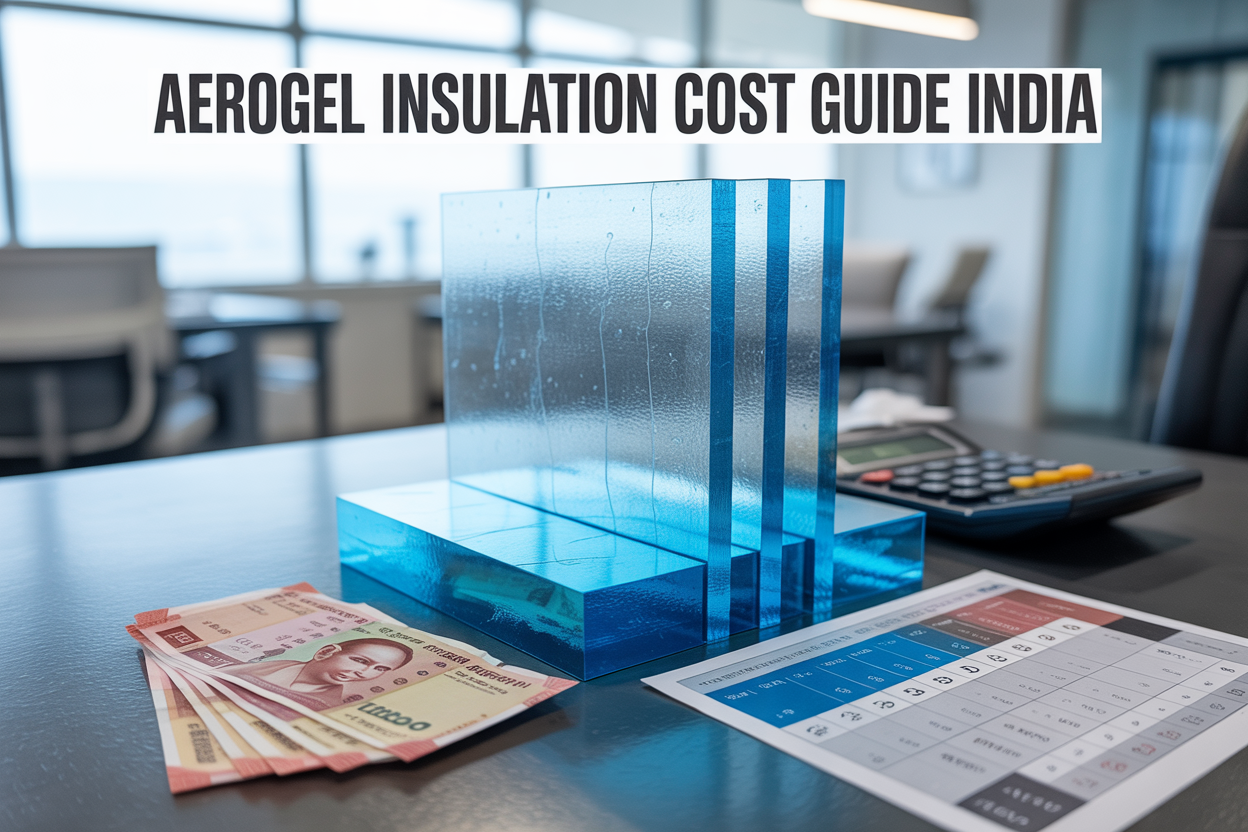
Aerogel insulation in India typically costs between ₹1,750 and ₹3,870 per square meter. Still, the final price depends on several technical and commercial factors that engineers and project managers need to understand before making procurement decisions.
This pricing guide is designed for industrial engineers, construction professionals, facility managers, and procurement teams evaluating aerogel insulation for thermal management applications. The cost of aerogel insulation in India varies significantly based on project requirements, making it essential to understand the key pricing factors and available options.
This analysis will cover current market pricing for different thickness options ranging from 3mm to 10mm, examine the primary factors that influence aerogel insulation costs, including surface-facing options and order quantities, and compare lifecycle value against conventional insulation materials to help determine when the investment makes economic sense for specific applications.
Current Aerogel Insulation Pricing in India

Standard Price Range of ₹1,750 to ₹3,870 Per Square Meter
The indicative price for standard industrial aerogel insulation blankets typically falls within ₹1,750 to ₹3,870 per square meter in the Indian market. This price range primarily depends on thickness specifications, reinforcement type, and facing configuration requirements for specific applications.
Alternative Pricing at ₹148 Per Square Foot for Commercial Grade
Aerogel insulation is available at ₹148 per square foot for commercial-grade applications, with tiered pricing based on project scale. Higher-thickness or multilayer insulation systems may require a project-based evaluation to determine final pricing.
Thickness-Based Pricing Structure
Pricing varies significantly depending on thickness, product configuration, operating temperature requirements, and project quantity specifications. The cost structure reflects the complexity of manufacturing processes and material specifications required for different industrial applications across various sectors.
Available Aerogel Insulation Thickness Options
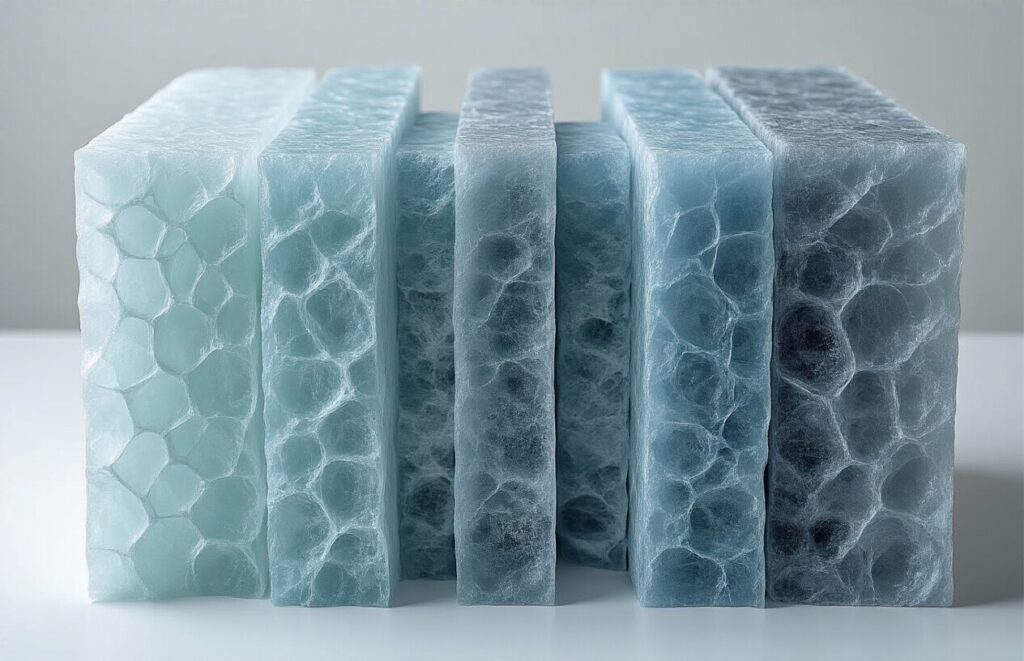
Standard Industrial Thickness (3mm, 5mm, 10mm)
Standard industrial thicknesses for aerogel insulation in India include 3mm, 5mm, and 10mm. The 3mm thickness is suitable for space-constrained applications with limited installation area, while the 5mm thickness offers balanced thermal performance for general industrial use.
Custom Multilayer Insulation Systems
Beyond standard options, custom configurations include multilayer insulation systems designed for enhanced thermal protection. The 10mm thickness provides higher insulation efficiency for demanding applications, with application-specific thickness design available for retrofit insulation upgrades and specialized industrial requirements.
Surface Facing and Protection Options
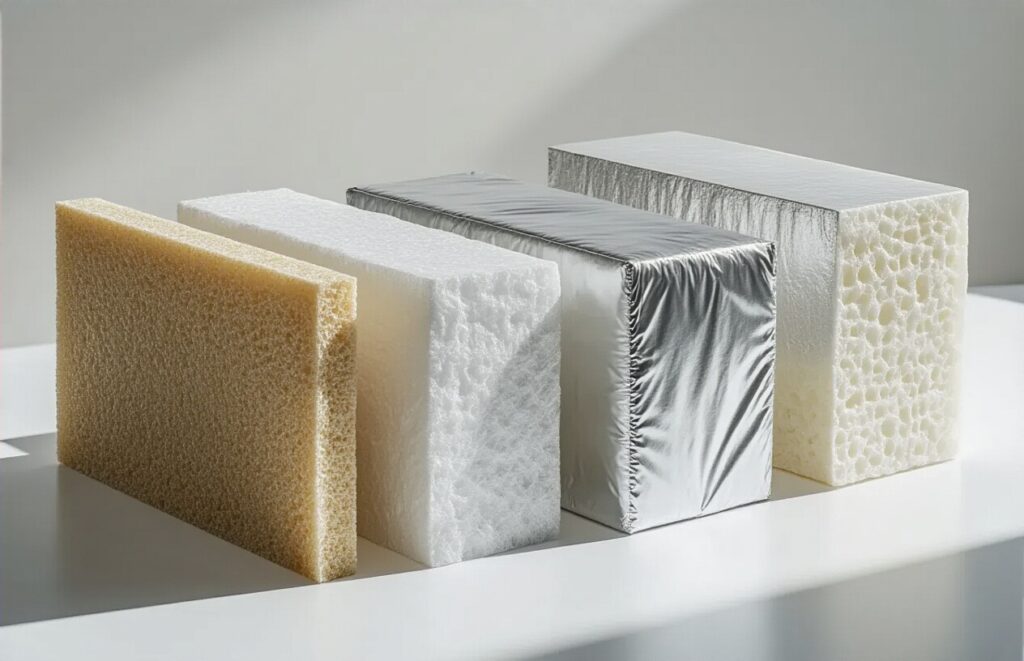
Aluminum Foil Facing for Radiant Heat Reflection
Aerogel insulation manufacturers offer aluminum foil facings in both single- and double-sided configurations to enhance thermal performance. These facing options significantly improve radiant-heat reflection while also adding essential surface durability to the insulation system.
High-Temperature Fabric Reinforcement
High-temperature fabric reinforcement is a critical enhancement for aerogel insulation systems that require superior mechanical strength. This reinforcement option is particularly well-suited to demanding industrial handling environments where physical durability is paramount. The selection of appropriate surface protection depends on specific temperature exposure requirements, necessary mechanical protection levels, and overall system design specifications.
Key Factors Influencing Aerogel Insulation Cost

Thickness and Thermal Performance Requirements
Aerogel insulation pricing is directly related to thickness specifications: increased thickness enhances thermal resistance and, in turn, proportionally increases overall project costs. The relationship between thickness and thermal performance creates a critical pricing consideration for project planners evaluating insulation requirements.
Product Configuration and Reinforcement Type
Product configuration significantly influences aerogel insulation costs through variables including blanket density, reinforcement type, and composite structure design. These configuration elements determine material durability and performance characteristics, with specialized reinforcement options commanding premium pricing while delivering extended service life and enhanced environmental resistance capabilities.
Cost Comparison with Conventional Insulation Materials

Higher Initial Investment vs Long-Term Benefits
Aerogel insulation has a higher initial material cost than conventional insulation materials such as mineral wool or ceramic fiber. However, this upfront investment translates into significant lifecycle cost benefits in industrial operations through superior thermal performance and enhanced energy efficiency.
Reduced Thickness Requirements Save Installation Space
The advanced thermal properties of aerogel insulation enable reduced thickness requirements, creating substantial space savings during installation. This characteristic proves particularly advantageous in space-constrained systems, where conventional materials would be excessively bulky, making aerogel a technically and economically viable solution for retrofitting and compact equipment designs.
Primary Applications Driving Aerogel Insulation Demand

High-Temperature Industrial Piping Systems
Aerogel insulation demonstrates exceptional performance in high-temperature industrial piping applications where traditional materials fail to meet thermal efficiency requirements. The superior thermal properties make it the preferred choice for process piping systems operating under extreme temperature conditions.
Refineries and Power Plant Equipment
Now that high-temperature applications have been established, refineries and power plants are significant market segments for aerogel insulation of process equipment and vessels. These facilities require reliable thermal management solutions that can withstand harsh operating conditions while maintaining energy-efficiency standards throughout their operational lifecycle.
Procurement Guidelines for Best Pricing

Minimum Order Quantity Requirements
The typical minimum order quantity for aerogel insulation is 2 rolls, though project-specific quantities may vary based on application requirements and supplier policies. This standard MOQ ensures cost-effective procurement while maintaining commercial viability for both suppliers and end-users in the Indian market.
Technical Specifications Needed for Accurate Quotes
To obtain accurate quotations, engineers must evaluate several critical parameters, including operating temperature ranges, required surface temperature limits, available insulation thickness constraints, environmental exposure conditions, total quantity requirements, and delivery timeline specifications. Providing these comprehensive technical details enables suppliers to prepare technically correct and commercially optimized quotations. Application-driven engineering support remains available for project-specific pricing considerations, technical datasheets, and product selection guidance throughout the procurement process.
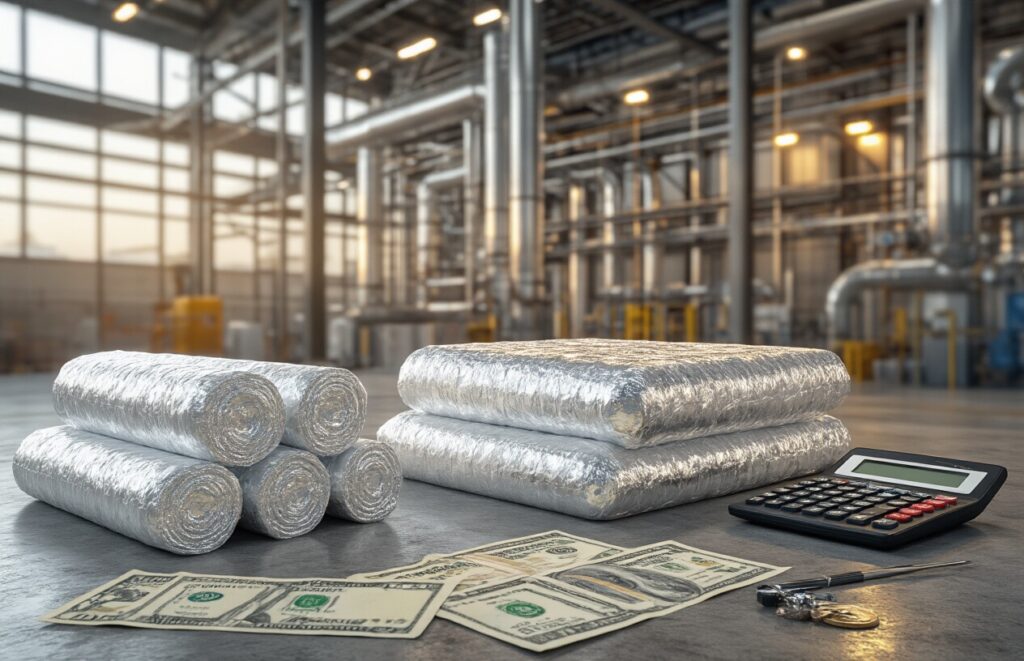
Aerogel insulation pricing in India, ranging from ₹1,750 to ₹3,870 per square meter, reflects the advanced thermal performance characteristics of this specialized material. While initial costs exceed conventional insulation options, aerogel’s superior thermal efficiency, reduced thickness requirements, and space-saving advantages often deliver compelling lifecycle value in demanding industrial applications. The final price depends significantly on the thickness selection, surface-facing configuration, project quantity, and specific performance requirements.
Successful procurement of aerogel insulation requires careful evaluation of operating conditions, temperature requirements, and available installation space. Engineers benefit from providing detailed application specifications to secure technically optimized solutions and competitive pricing. For projects requiring exceptional thermal performance in space-constrained environments, aerogel insulation represents a proven technology that balances initial investment with long-term operational benefits across refineries, power plants, and high-temperature industrial systems.