
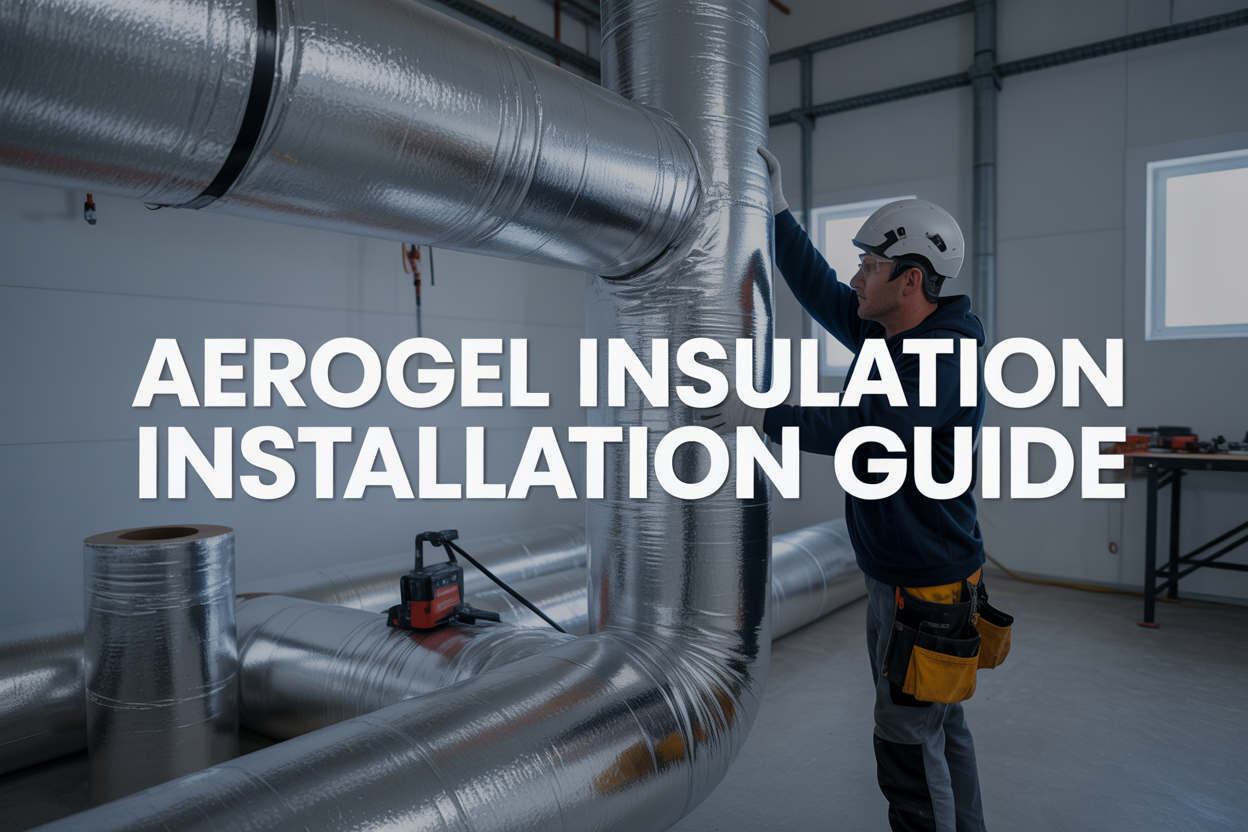
Aerogel insulation blankets offer exceptional thermal performance in space-limited applications, making them ideal for industrial facilities, refineries, and high-temperature environments. This comprehensive guide helps engineers, contractors, and facility managers master the specialized installation techniques required to maximize aerogel’s benefits while avoiding costly mistakes.
Installing aerogel insulation demands a different approach than conventional materials due to its unique properties and ultra-thin profile. This guide covers essential safety preparation and surface-cleaning requirements to prevent moisture issues and corrosion beneath the insulation. The step-by-step installation process section details proper techniques for cutting, wrapping, and securing pipes, fittings, and complex geometries. Advanced sealing and protective jacketing applications ensure long-term thermal integrity and system durability.
Proper aerogel installation prevents thermal bridging, moisture ingress, and premature system failure—issues that can compromise performance and lead to expensive repairs in demanding industrial environments.
Understanding Aerogel Insulation Properties and Benefits
What Makes Aerogel Insulation Superior to Traditional Materials
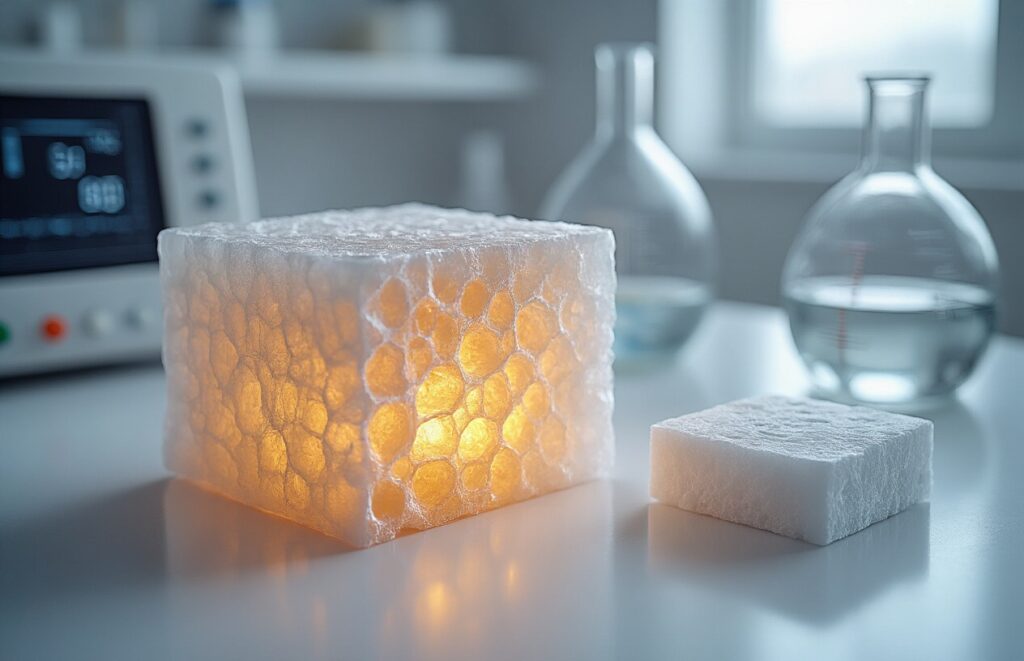
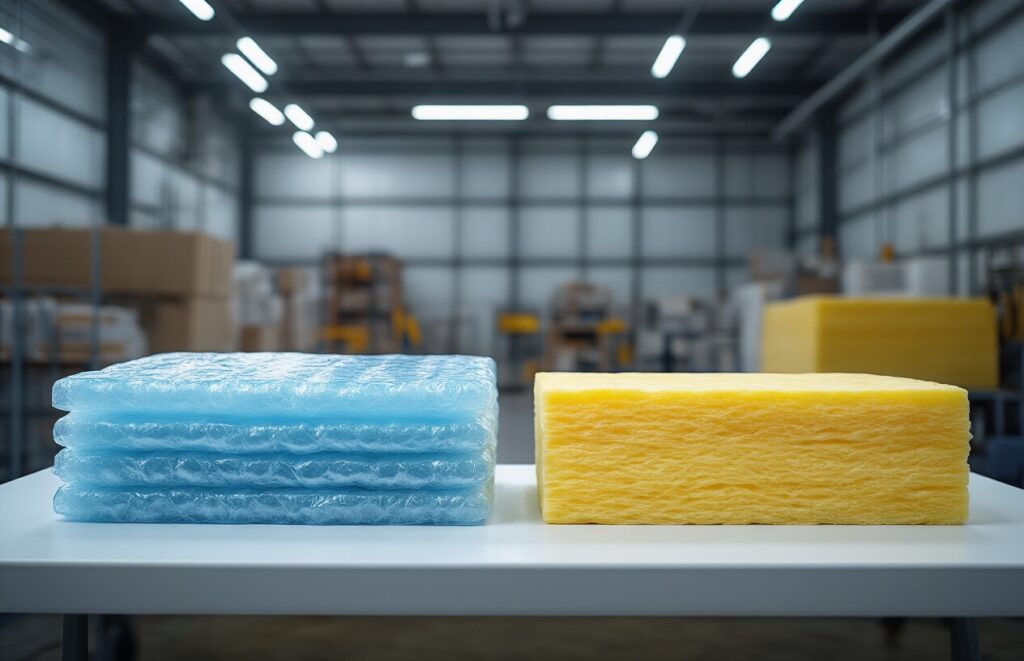
Aerogel insulation demonstrates unparalleled performance characteristics that distinguish it from conventional insulation materials. With the lowest thermal conductivity of any known solid material, aerogel combines ultralow density with superior thermal insulation and exceptional soundproofing qualities. This advanced material requires only a fraction of the thickness of standard insulation and mineral wool while consistently outperforming them.
Space-Saving Advantages for Industrial and Residential Applications
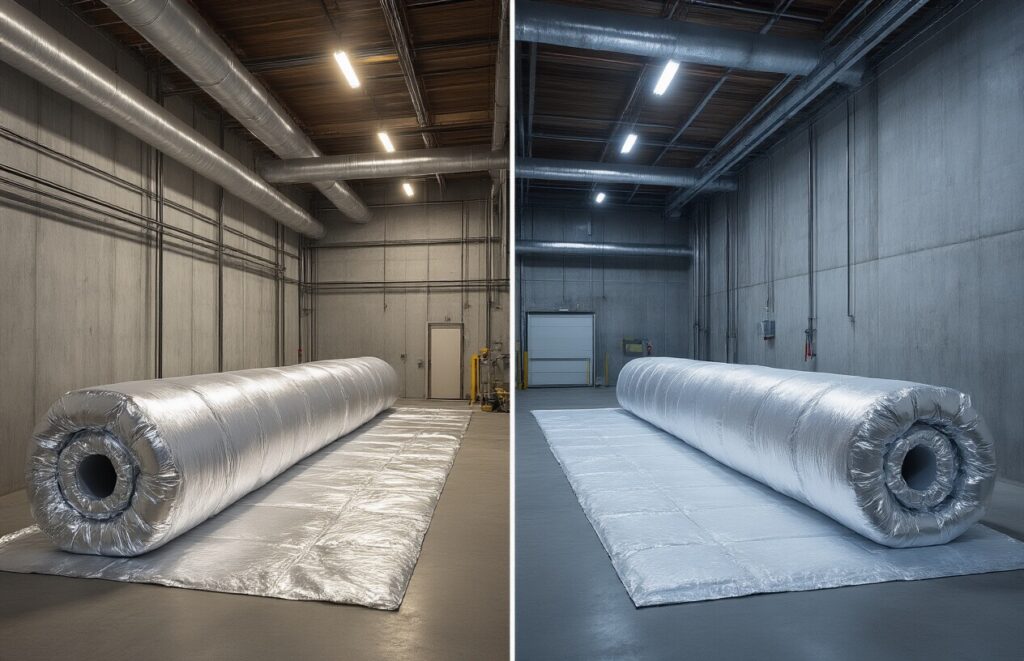
The thin and lightweight nature of aerogel insulation makes it particularly valuable for retrofitting existing structures without compromising valuable interior space. Industrial applications especially benefit from aerogel’s ability to deliver equivalent or superior thermal resistance with a minimal footprint, often requiring less than an inch of material thickness. This space-efficient design proves crucial in space-constrained industrial settings where maximizing usable area remains a priority.
Environmental Benefits and Sustainability Features
Aerogel insulation minimizes environmental impact through its composition, which is predominantly silica derived from abundant, renewable sources. The material’s extended durability and recyclability contribute to sustainable building practices while reducing the long-term environmental footprint.
Cost-Performance Analysis for Long-Term Value
Despite current cost challenges, aerogel insulation offers extended durability that contributes significantly to its long-term value proposition. The material’s superior performance characteristics and longevity often justify the initial investment through reduced energy consumption and maintenance requirements over time.
When to Choose Aerogel Insulation Over Conventional Options
High-Temperature Industrial Environments and Steam Lines
Aerogel insulation proves invaluable in high-temperature industrial environments, including refineries, chemical plants, steam lines, pipelines, tanks, and industrial equipment. Pyrogel® delivers exceptional thermal protection in demanding conditions where conventional insulation materials fail to maintain their performance. The material’s advanced properties ensure reliable operation across industrial applications requiring superior heat resistance.
Space-Constrained Facilities and Densely Packed Equipment
For space-constrained facilities and densely packed equipment, aerogel insulation offers optimal thermal protection with a minimal footprint. This superior choice eliminates the bulk associated with conventional insulation materials while maintaining exceptional performance. The reduced thickness requirements make aerogel particularly valuable where traditional insulation would be too cumbersome or impractical to install.
Moisture-Prone Areas Requiring Hydrophobic Protection
Aerogel’s inherent hydrophobicity provides invaluable protection in moisture-prone areas, effectively preventing corrosion under insulation (CUI) in challenging, corrosive conditions.
Extreme Temperature Applications from Cryogenic to High-Heat
Extreme-temperature applications benefit from specialized aerogel formulations: Cryogel® is engineered to maintain flexibility and performance even at freezing temperatures, while Pyrogel® is engineered to handle high-heat environments.
Selecting the Right Aerogel Product for Your Project
Understanding Operating Temperature Requirements
The thermal demands and operating temperatures of the application dictate the appropriate aerogel type. Temperature ranges determine whether standard aerogel blankets will perform adequately or require specialized formulations for extreme conditions.
Calculating Required Layers and Thickness
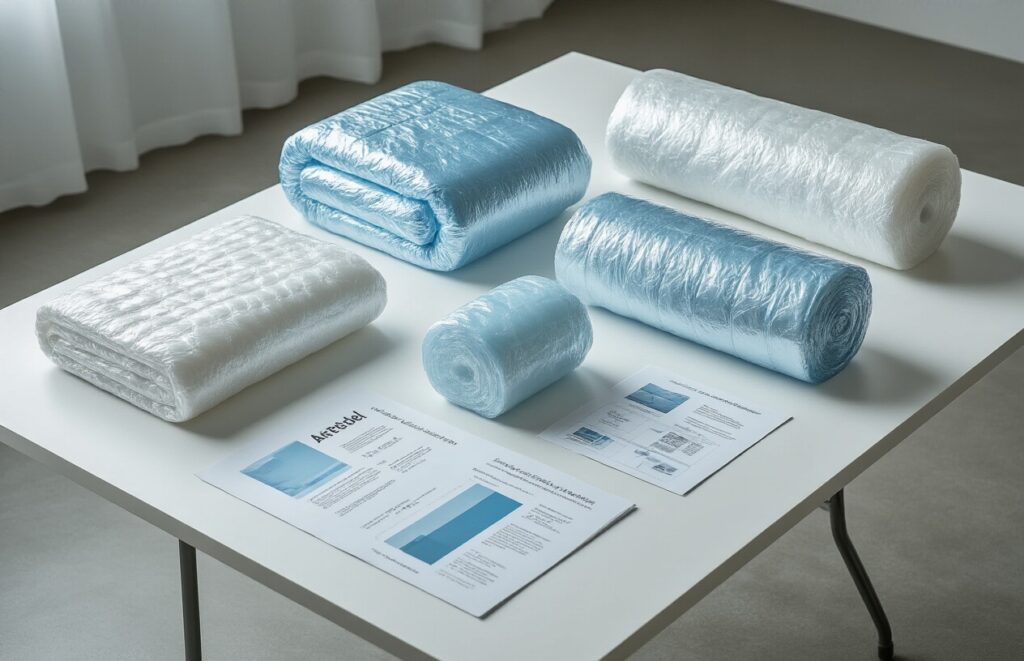
Aerogel is supplied in thin blankets, requiring precise calculation of the number of layers to achieve the required total thermal resistance. For high-temperature environments, Pyrogel® is preferred for its superior thermal stability, while Cryogel® is engineered for cryogenic or extremely cold applications. Verify that the selected aerogel product meets critical safety and performance criteria, specifically looking for hydrophobic properties to prevent moisture ingress and noncombustible ratings for fire safety.
Essential Safety Preparation and Surface Preparation
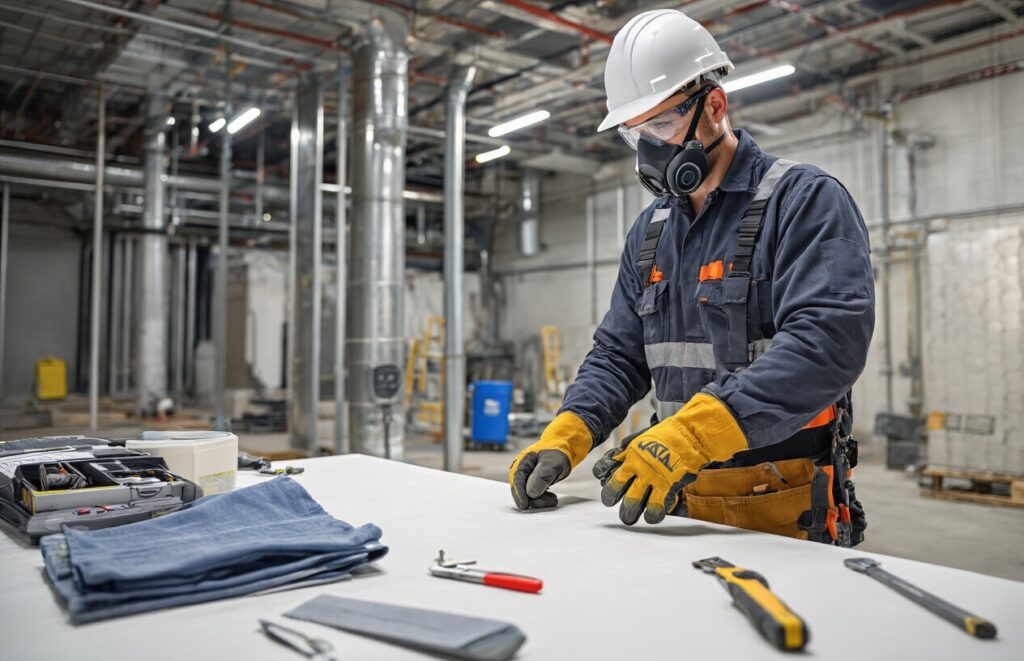
Required Personal Protective Equipment and Safety Measures
Proper safety equipment remains essential when handling aerogel insulation materials. Protective clothing, gloves, goggles, and masks must be worn throughout the application process, particularly when handling aerosol-based products or cutting aerogel materials, as these activities generate fine dust that can irritate the respiratory system and skin.
Proper Surface Cleaning and Drying Techniques
Surface preparation requires thorough cleaning to remove oil, rust, dust, dirt, and debris before insulation application. Complete drying of all surfaces is critical, as aerogel insulation should never be applied over wet pipes or damp surfaces. Safe material storage involves keeping aerogel rolls covered and elevated off the ground until installation. Dust control during installation requires avoiding saws and using appropriate cutting tools, such as shears, industrial scissors, or utility knives, to minimize airborne particles.
Step-by-Step Installation Process for Aerogel Blankets
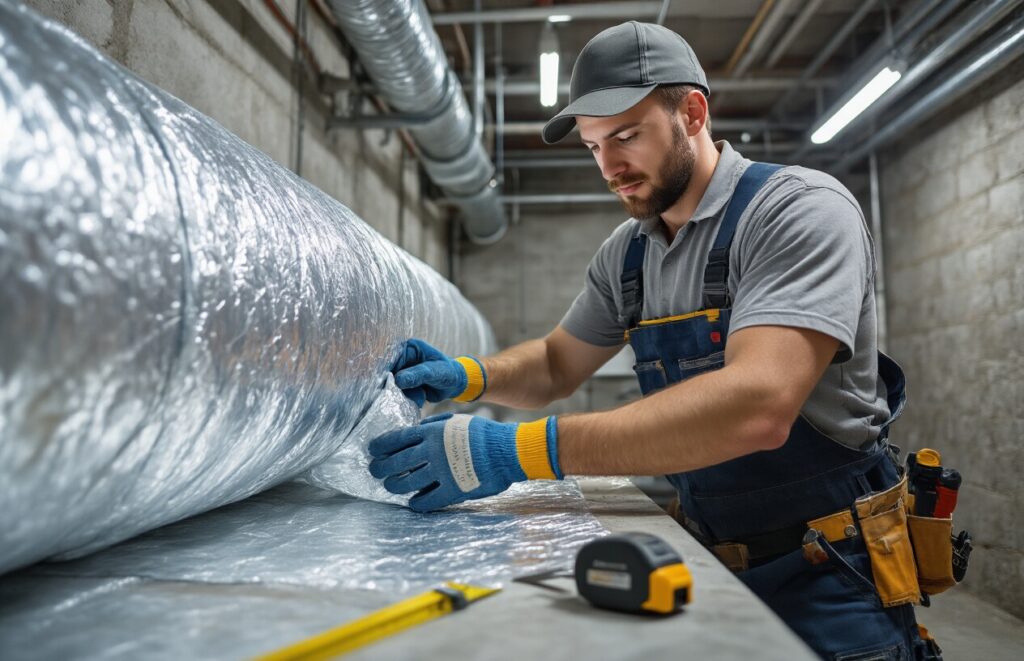
Accurate Measuring and Cutting Techniques
Begin the installation process by accurately measuring the pipe or surface circumference, adding a 1-2 inch overlap for a tight, continuous seal that prevents thermal bridging. Cut aerogel blankets precisely to size and shape using heavy-duty shears, industrial scissors, a sharp utility knife, or a hot knife, avoiding saws to minimize dust generation.
Proper Wrapping and Securing Methods
Wrap the aerogel blanket firmly around the surface, ensuring complete coverage and a snug fit. For smaller-diameter pipes, create shallow “V”- shaped grooves on the back of the insulation to allow smooth bending without creasing or cracking. Temporarily secure the wrapped insulation with high-quality insulation tape or wire ties spaced every 12 inches to prevent unwrapping during installation.
Advanced Installation Techniques for Complex Geometries
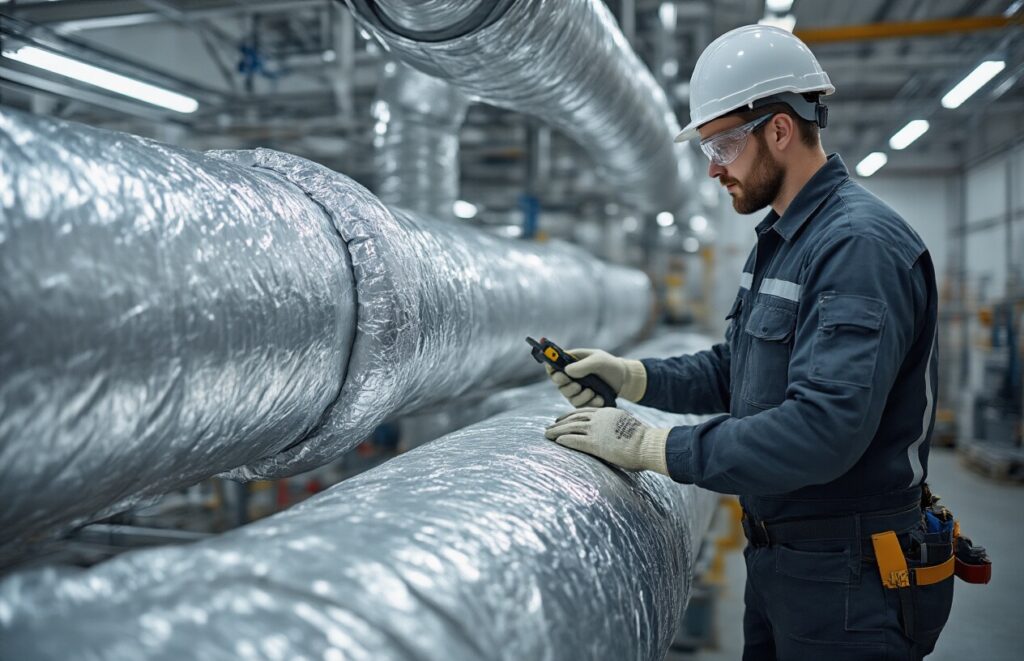
Installing on Straight Pipe Sections
For straight pipe sections, aerogel insulation must be wrapped tightly around the circumference with meticulous attention to securing all longitudinal seams. This approach prevents air gaps and thermal bypass that can significantly compromise insulation performance. Proper tension during wrapping ensures complete contact between the aerogel material and the pipe surface, maximizing thermal efficiency.
Handling Elbows and 90-Degree Turns with Gore Sections.
When insulating elbows and 90-degree turns, the aerogel blanket requires careful cutting into wedge or gore sections to cover the curvature with minimal gaps. This technique accommodates the complex geometry while maintaining continuous insulation coverage. For multilayer applications, staggering all seams between layers prevents direct thermal pathways and eliminates potential weak points, thereby significantly reducing heat loss. Additionally, removable insulation blankets or boxes can be fabricated for valves and flanges and secured with straps or fasteners to allow easy removal and reinstallation during maintenance procedures.
Final Sealing and Protective Jacketing Application
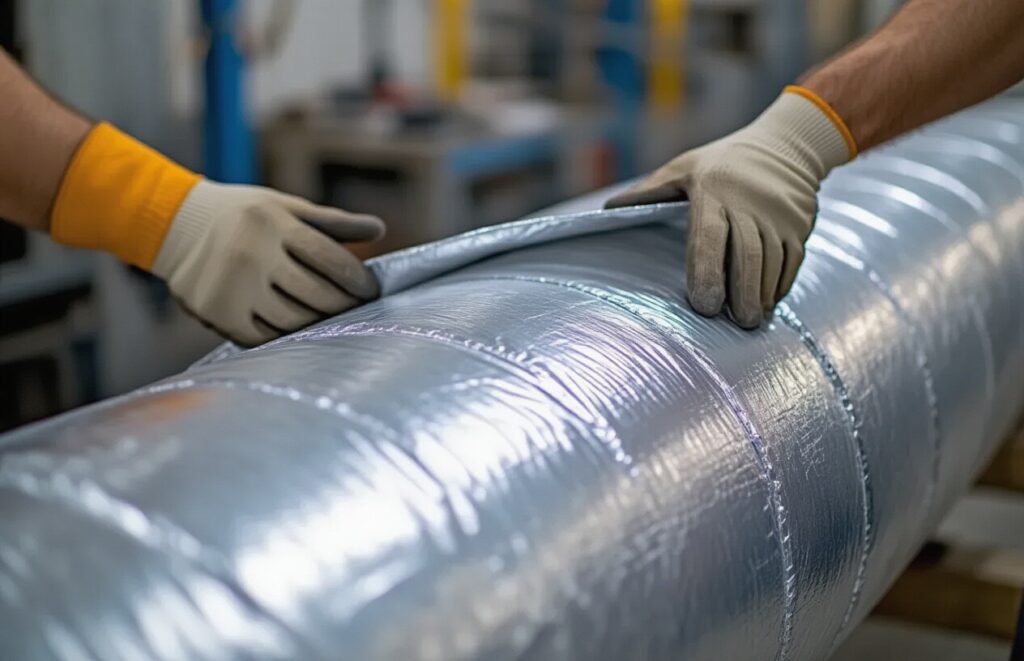
Selecting Appropriate Jacketing Materials
Now that the aerogel insulation has been properly installed, selecting appropriate jacketing material becomes critical for long-term performance. Aluminum or stainless steel cladding serves as the primary protective barrier against mechanical damage and environmental elements. These materials provide essential protection while maintaining the integrity and thermal performance of the insulation system.
Installing Aluminum or Stainless Steel Cladding
With the jacketing material selected, the installation process requires careful attention to proper positioning and securing techniques. The chosen cladding must be installed over the secured aerogel insulation to ensure complete coverage and protection. Meticulous sealing of all edges and seams with high-quality tapes or sealants prevents moisture ingress and air leakage, establishing a continuous, airtight insulation layer. Quality control checks and thermal testing, including thermal imaging or infrared scans, verify installation effectiveness and identify potential areas of concern.
Avoiding Critical Installation Mistakes
Preventing Thermal Bridging in Multilayer Systems
Proper installation of multilayer aerogel systems requires strategic seam placement to maintain thermal performance. Always offset and stagger seams between layers to prevent thermal bridging and ensure the thermal barrier remains effective throughout the installation.
Eliminating Gaps and Air Leaks
Critical installation success depends on eliminating all gaps and unsealed spaces between sections. Seal these areas tightly and immediately to prevent thermal bypass and maintain optimal insulation performance. Weather protection during installation is essential, requiring dry, protected installation areas and avoiding wet conditions to prevent moisture exposure and corrosion risks under insulation.
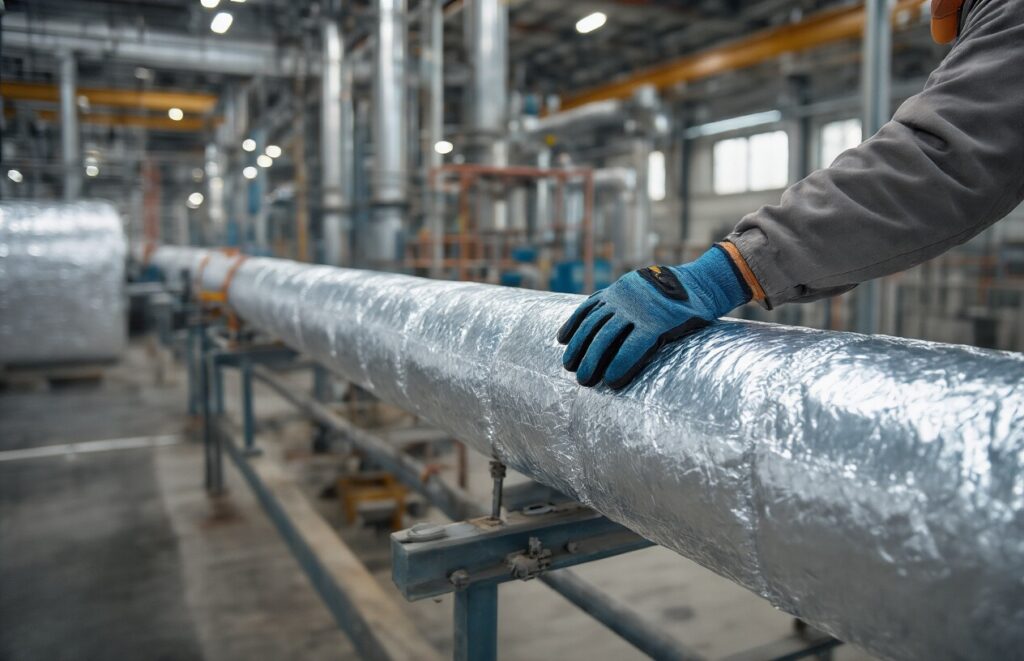
Proper installation of aerogel insulation blankets requires meticulous attention to detail, from initial surface preparation through final jacketing application. The exceptional thermal performance that makes aerogel superior to conventional insulation materials can only be realized through precise measurement, clean cutting techniques, strategic seam staggering in multilayer applications, and comprehensive sealing of all joints and penetrations. Understanding when to select aerogel over traditional options—particularly in space-constrained environments with extreme temperatures—ensures optimal project outcomes while maximizing energy efficiency.
Success with aerogel insulation depends on avoiding critical installation mistakes such as aligned seams in multilayer systems, inadequate weather protection during installation, and gaps between sections that create thermal bridges. Regular inspection and maintenance of the protective jacketing system preserves the insulation’s integrity and prevents moisture intrusion that could compromise long-term performance. When installed correctly using these proven techniques, aerogel insulation blankets deliver unmatched thermal protection in minimal thickness, making them an invaluable solution for demanding industrial applications where space and performance are equally critical.