
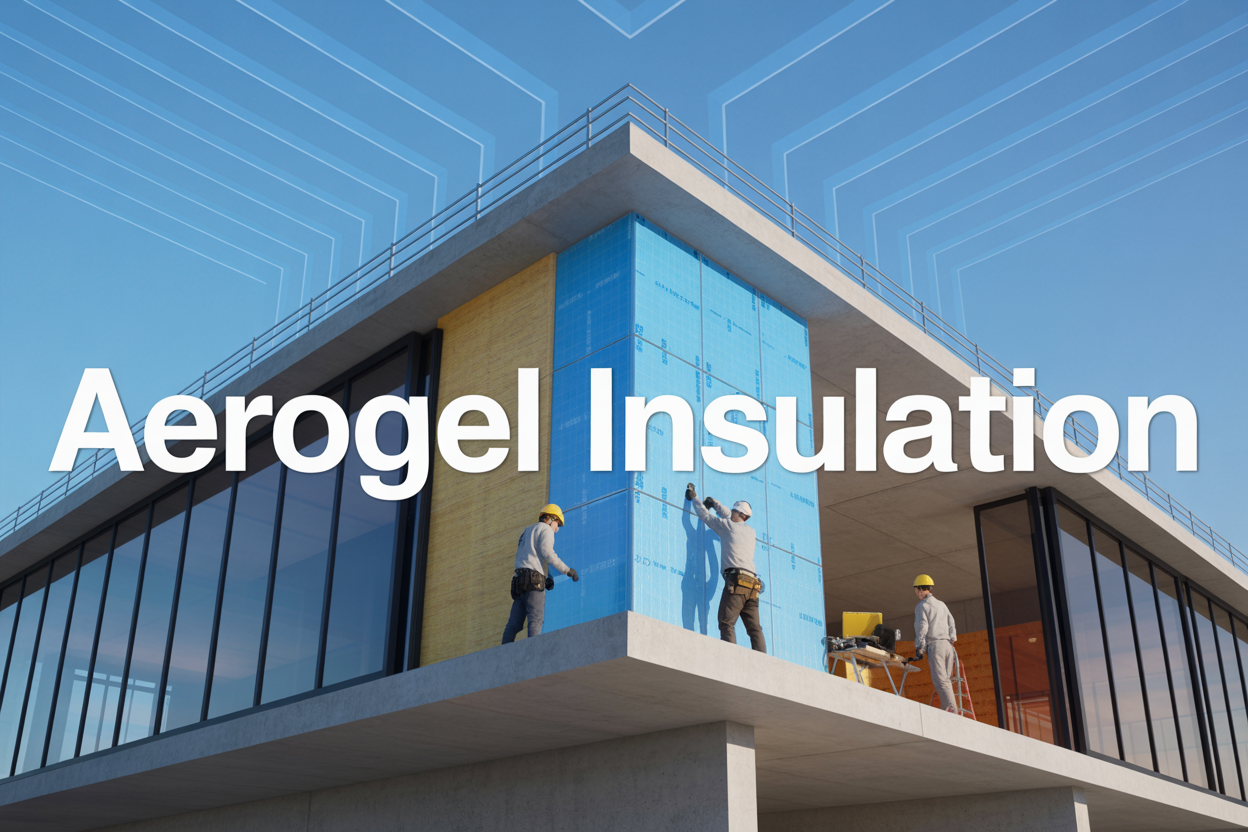
Aerogel insulation for buildings represents the next generation of thermal protection, offering unmatched energy efficiency for walls, roofs, and facades. This advanced insulation technology delivers superior performance in a fraction of the space compared to traditional materials, making it ideal for architects, contractors, and building owners who want maximum thermal protection without sacrificing interior space.
This guide is designed for construction professionals, building designers, and property developers who are exploring high-performance insulation options for residential and commercial projects. We’ll walk you through the core technology behind aerogel insulation and explain why it’s becoming the go-to choice for energy-conscious builders.
You’ll discover how aerogel transforms wall applications to achieve maximum energy efficiency, even in tight spaces where conventional insulation falls short. We’ll also explore roof insulation solutions that provide year-round comfort while significantly reducing heating and cooling costs. Finally, we’ll cover facade integration techniques that allow modern buildings to meet strict energy codes while maintaining sleek, contemporary designs.
Understanding Aerogel Insulation Technology
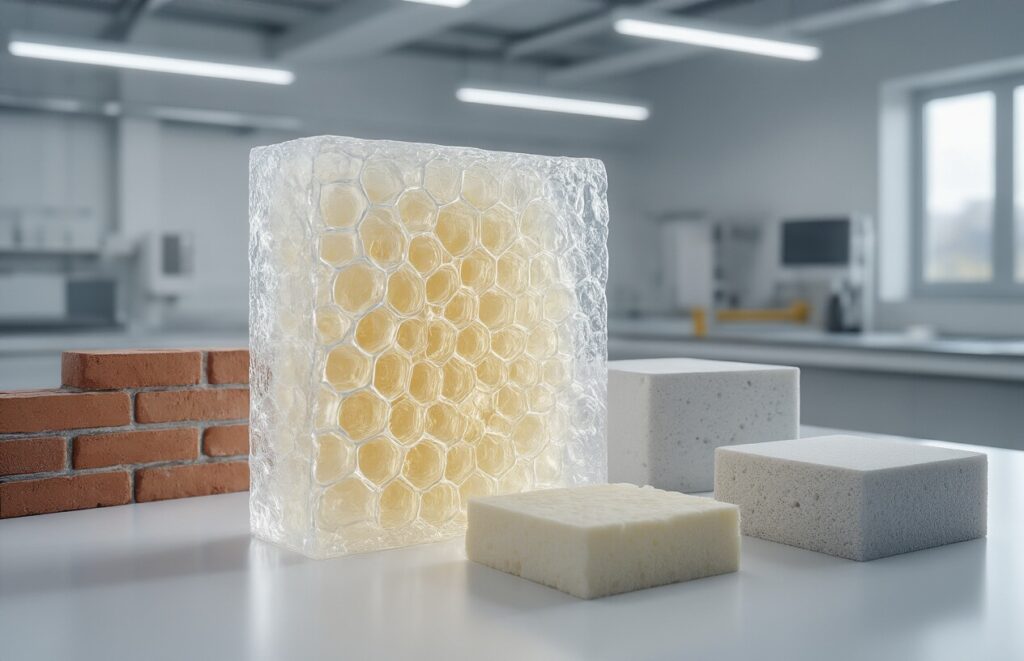
Superior thermal performance compared to traditional materials
Aerogel delivers thermal conductivity values as low as 0.013 W/mK, making it three times more effective than conventional fiberglass or foam insulation. This translates to thinner wall profiles while achieving superior R-values, allowing architects to maximize interior space without compromising energy performance.
Lightweight properties for structural advantages
Weighing up to 90% less than traditional insulation materials, aerogel significantly reduces structural loads. This characteristic enables retrofitting older buildings without reinforcing existing frameworks and supports innovative architectural designs where weight constraints are critical for both safety and aesthetic considerations.
Fire resistance and safety benefits
| Property | Aerogel | Fiberglass | Foam Board |
| Fire Rating | Class A | Class A | Varies |
| Melting Point | 1200°C | 550°C | 100-200°C |
| Toxic Gas Release | Minimal | Low | High |
Aerogel maintains structural integrity at extreme temperatures while producing minimal smoke or toxic gases during fire exposure.
Moisture resistance and durability features
- Hydrophobic surface repels water while remaining vapor-permeable
- Resistant to freeze-thaw cycles and thermal expansion
- Maintains insulation properties over a 50+ year lifespan
- Non-degrading performance in humid coastal environments
Wall Applications for Maximum Energy Efficiency
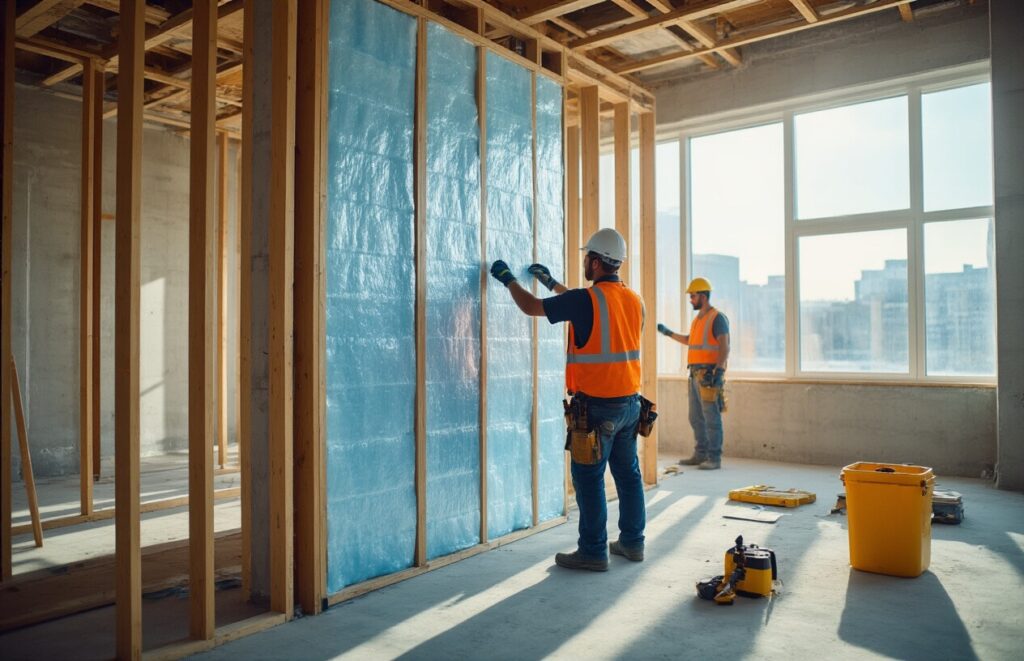
Interior Wall Installation Techniques and Benefits
Interior aerogel installation transforms walls into thermal barriers without sacrificing valuable living space. These ultra-thin panels, typically 10-20mm thick, deliver the same insulation performance as traditional materials four times thicker. Installation involves applying aerogel blankets or rigid panels directly to existing walls before finishing with drywall or plaster.
The benefits extend beyond space savings. Interior aerogel systems create continuous thermal envelopes that eliminate cold spots and drafts while maintaining consistent indoor temperatures. Property owners report immediate improvements in comfort and reduced HVAC cycling, making this approach ideal for retrofitting older buildings where exterior work isn’t feasible.
Exterior Wall Systems for Enhanced Thermal Protection
External aerogel cladding systems provide superior thermal protection by addressing heat transfer at the building envelope. These systems integrate seamlessly with modern facade designs, offering architects the flexibility to create energy-efficient structures. Aerogel panels attach to structural walls using mechanical fasteners or adhesive systems, creating an unbroken insulation layer.
Weather-resistant aerogel composites withstand extreme temperature fluctuations while maintaining their insulating properties for decades. External installation eliminates thermal bridging through structural elements, achieving whole-wall R-values exceeding 20. This approach works particularly well in new construction and major renovations where complete envelope upgrades are planned.
Cost Savings Through Reduced Heating and Cooling Demands
Aerogel wall insulation dramatically reduces energy consumption by minimizing heat transfer through building envelopes. Buildings equipped with aerogel systems typically see 30-50% reductions in heating and cooling costs compared to conventional insulation. The material’s exceptional thermal resistance means HVAC systems work less frequently and at lower capacities.
Long-term savings compound as utility rates rise and equipment operates more efficiently. Commercial buildings often recover aerogel installation costs within 5-7 years through energy savings alone. Residential applications show similar payback periods, with added benefits such as improved comfort, reduced equipment wear, and increased property values, making aerogel walls a smart investment.
Roof Insulation Solutions for Year-Round Comfort
Flat Roof Applications and Installation Methods
Aerogel insulation transforms flat-roof performance with ultra-thin profiles that deliver exceptional thermal resistance. Installation involves applying aerogel blankets directly over the existing roof membrane or integrating rigid aerogel panels within the roofing assembly. The material’s flexibility allows seamless installation around penetrations, HVAC equipment, and irregular surfaces without compromising thermal integrity.
Pitched Roof Integration for Optimal Performance
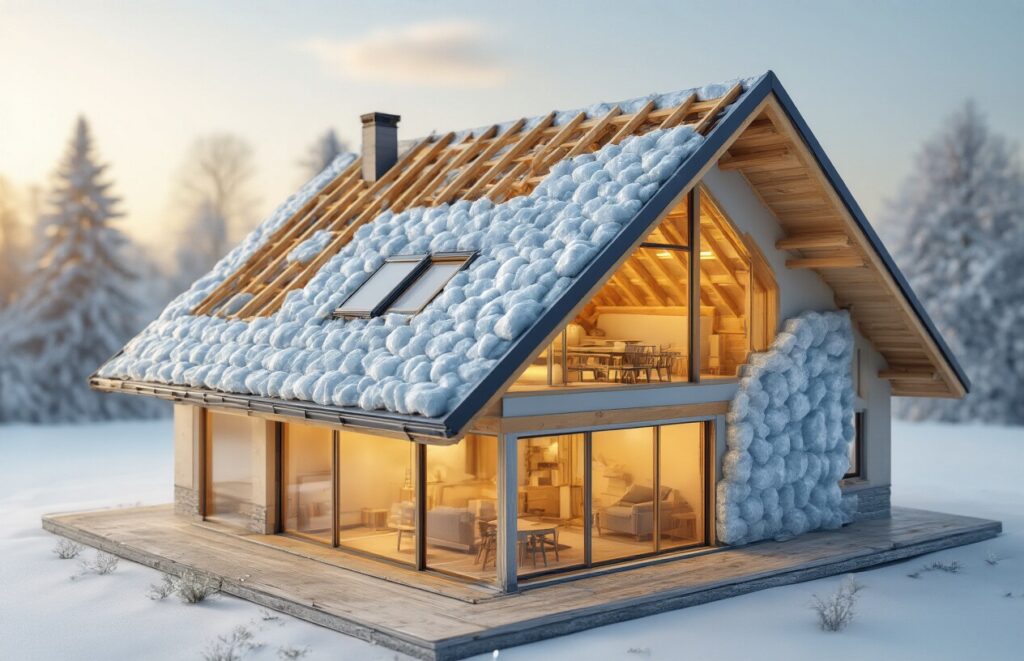
Pitched roofs benefit from aerogel’s space-saving properties, allowing maximum insulation within limited cavity depths. The material integrates between rafters or above roof decking, maintaining structural clearances while achieving superior R-values. Aerogel’s breathability prevents moisture accumulation while its lightweight nature reduces structural loading compared to traditional bulk insulation materials.
Preventing Thermal Bridging and Heat Loss
Aerogel’s continuous insulation approach eliminates thermal bridges that plague conventional roof systems. Strategic placement over structural elements such as steel beams and concrete slabs disrupts heat-transfer paths, reducing energy loss by up to 40%. The material’s conformability ensures complete coverage around fasteners, joints, and connections where thermal bridging typically occurs.
Weather Resistance in Extreme Conditions
Aerogel insulation maintains performance integrity across temperature extremes from -200°F to +400°F, making it ideal for diverse climatic conditions. The material resists moisture absorption, preventing thermal degradation during freeze-thaw cycles. Its hydrophobic properties ensure long-term stability even in high-humidity environments, while UV-stable formulations protect against solar radiation when used in exposed applications.
Facade Integration for Modern Building Design
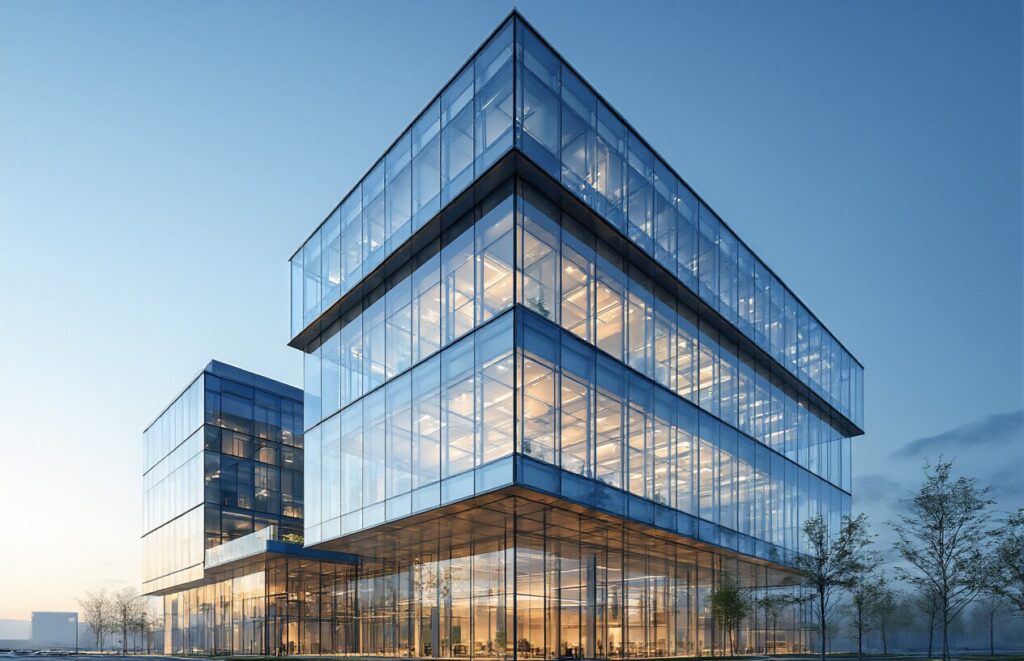
Curtain wall systems with aerogel enhancement
Modern curtain walls benefit dramatically from aerogel integration, creating transparent barriers with exceptional thermal resistance. These systems maintain structural clarity while reducing energy transfer by up to 60% compared to traditional glazing. Aerogel-filled panels slide seamlessly into existing curtain wall frameworks, preserving architectural vision while delivering superior insulation performance.
Ventilated facade applications for improved efficiency
Ventilated facades paired with aerogel backing create dynamic thermal management systems that respond to seasonal changes. Air circulation between the outer cladding and aerogel-enhanced inner wall prevents moisture buildup while maintaining consistent indoor temperatures. This combination significantly reduces HVAC loads and extends the lifespan of building materials through controlled thermal cycling.
Aesthetic integration without compromising performance
Aerogel’s translucent properties allow architects to experiment with light diffusion and visual effects previously impossible with conventional insulation. The material can be tinted or layered to create striking facades that change appearance throughout the day. Building designers now incorporate aerogel as both functional insulation and a decorative element, achieving thermal goals without sacrificing creative expression or limiting design possibilities.
Installation Best Practices and Professional Guidelines
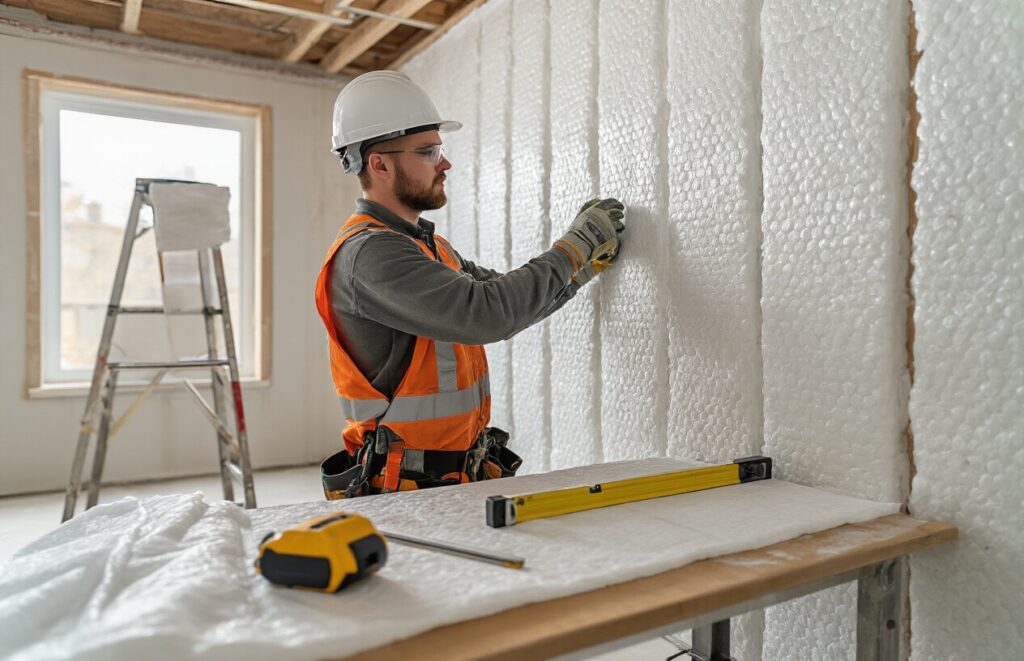
Proper handling techniques for optimal results
Aerogel insulation requires careful handling during transport and installation due to its fragile, dust-prone nature. Workers must wear protective equipment, including masks, gloves, and eye protection, to prevent irritation from microscopic particles. Store aerogel materials in dry conditions and avoid compression or impact that could damage the delicate structure.
Compatibility with existing building materials
Aerogel blankets and panels work seamlessly with standard building materials, including wood framing, steel structures, and concrete surfaces. The material bonds well with traditional adhesives and mechanical fasteners, though vapor barriers should be evaluated based on specific moisture management requirements. Check the manufacturer’s specifications for thermal-bridge considerations when combining aerogel with metal components.
Quality control measures during installation
Regular thickness measurements and thermal imaging checks ensure consistent installation quality throughout the project. Document any gaps, tears, or compression issues immediately and address them before sealing the assembly. Temperature and humidity monitoring during installation prevents moisture entrapment that could compromise long-term performance.
Maintenance requirements for long-term performance
Aerogel insulation systems need minimal maintenance once properly installed and protected from moisture infiltration. Annual visual inspections of exposed edges and penetrations help identify potential issues early. Any damaged sections should be replaced promptly to maintain thermal performance, though properly installed aerogel systems typically maintain effectiveness for decades without intervention.
Return on Investment and Long-Term Value

Energy cost reduction calculations
Aerogel insulation delivers impressive energy savings that quickly offset the initial investment. Buildings with aerogel insulation typically see a 30-50% reduction in heating and cooling expenses compared to conventional materials. The ultra-low thermal conductivity creates exceptional thermal barriers, reducing HVAC workload year-round. Most commercial projects achieve payback periods of 5-7 years through energy savings alone.
Property value enhancement through superior insulation
Superior insulation directly boosts property values by improving energy ratings and reducing operating costs. Buildings with aerogel insulation command premium rents and sale prices due to lower utility costs and enhanced comfort. Green building certifications become more attainable, attracting environmentally conscious tenants and investors seeking sustainable real estate assets.
Environmental impact and sustainability benefits
Aerogel insulation significantly reduces building carbon footprints by dramatically lowering energy consumption. The material’s longevity means decades of consistent performance without replacement or degradation. Many aerogel products incorporate recycled content and maintain recyclability at end-of-life, supporting circular economy principles while delivering measurable environmental benefits.
Aerogel insulation represents a game-changing technology that’s reshaping how we think about building efficiency. From walls and roofs to modern facades, this super-lightweight material delivers unmatched thermal performance while saving precious space. The installation process requires professional expertise, but the long-term energy savings and enhanced comfort make it a smart investment for any building project.
Ready to take your building’s performance to the next level? Consider aerogel insulation for your next renovation or new construction project. Talk to certified installers who understand the specific requirements for each application, and don’t forget to factor in the impressive return on investment. Your energy bills will thank you, and you’ll be contributing to a more sustainable future while enjoying year-round comfort.