
Aerogel insulation is transforming how builders, architects, and construction professionals approach energy efficiency and building performance. This revolutionary material offers game-changing advantages that traditional insulation simply can’t match.
This guide is designed for construction industry professionals, building designers, and property developers who want to understand why aerogel insulation is becoming the go-to choice for high-performance buildings. You’ll discover the key benefits that make this material worth the investment.
We’ll explore how aerogel delivers superior thermal performance while taking up minimal space in your building design. You’ll also learn about its impressive moisture-resistance properties and its long-term durability even in challenging conditions. Plus, we’ll break down the real cost-effectiveness by considering the complete lifecycle value.
Superior Thermal Performance for Maximum Energy Efficiency
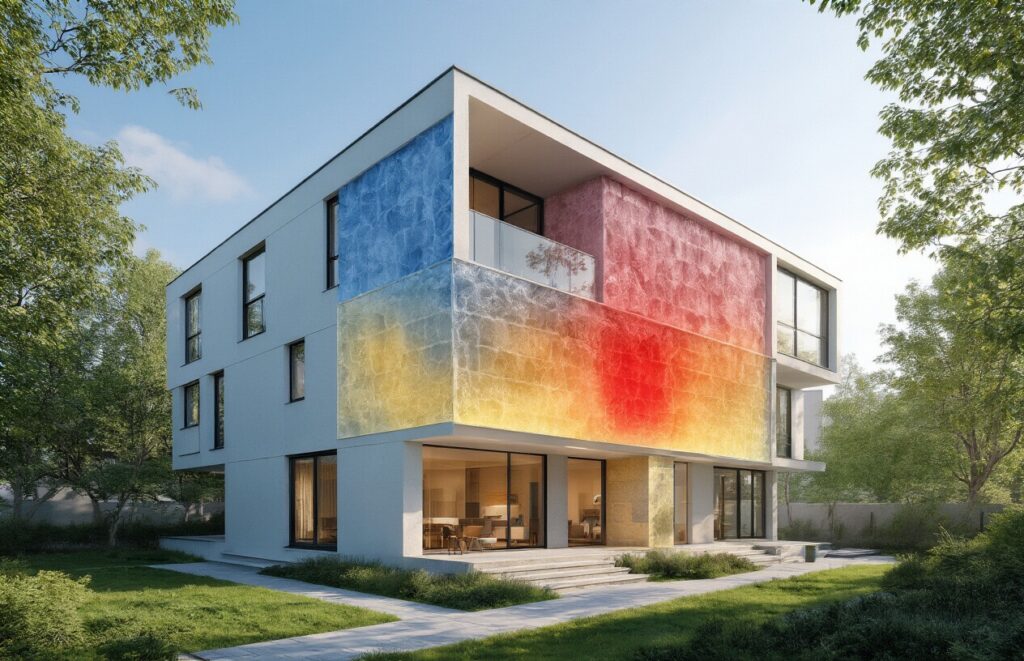
Ultra-low thermal conductivity reduces heat transfer
Aerogel insulation delivers exceptional thermal performance with conductivity values as low as 0.013 W/m·K, significantly outperforming traditional materials like fiberglass or foam boards. This remarkable resistance to heat flow creates an effective barrier that minimizes unwanted thermal bridging and maintains consistent interior temperatures regardless of external weather conditions.
Significant reduction in HVAC energy consumption
Buildings equipped with aerogel insulation typically experience 30-50% reductions in heating and cooling costs compared to conventional insulation systems. The material’s superior thermal barrier properties allow HVAC systems to operate more efficiently, reducing runtime cycles and extending equipment lifespan while maintaining optimal comfort levels throughout the building.
Enhanced building envelope performance
| Performance Metric | Aerogel | Traditional Insulation |
| R-value per inch | R-10 to R-14 | R-3 to R-6 |
| Thickness required | 2-3 inches | 6-8 inches |
| Thermal bridging | Minimal | Moderate to High |
Year-round temperature stability maintenance
Aerogel insulation provides consistent thermal protection across all seasons, maintaining stable indoor temperatures without the seasonal performance variations common in traditional materials. The material’s hydrophobic properties prevent moisture accumulation, which could compromise thermal efficiency, ensuring reliable performance in both humid summers and cold winters while reducing temperature fluctuations that can affect occupant comfort.
Exceptional Space-Saving Properties in Construction Design
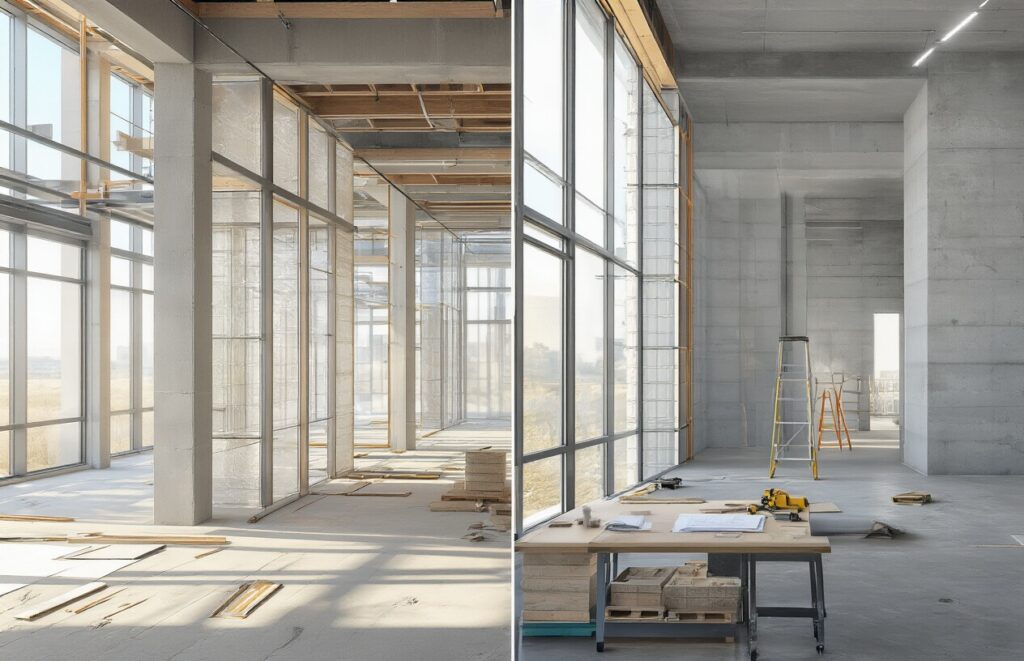
Thinner insulation layers achieve the same R-values
Aerogel insulation delivers impressive thermal performance with remarkably thin profiles. Traditional insulation materials such as fiberglass and foam require substantial thickness to achieve high R-values, whereas aerogel delivers the same thermal resistance with layers as thin as 1-2 inches. This exceptional performance stems from aerogel’s unique nanoporous structure, which traps air molecules and dramatically reduces heat transfer.
Maximized interior space utilization
The space-saving advantage translates directly into more usable floor area and increased property value. In residential applications, thinner walls mean larger rooms without expanding the building footprint. Commercial projects benefit from reduced structural depth requirements, allowing architects to maximize rentable square footage. This efficiency becomes especially valuable in urban environments where every square foot commands premium pricing.
Reduced wall thickness requirements
| Insulation Type | Thickness for R-30 | Space Saved |
| Fiberglass | 8-10 inches | – |
| Spray Foam | 6-8 inches | 20-25% |
| Aerogel | 2-3 inches | 70-80% |
Building codes increasingly favor high-performance insulation that minimizes wall assembly thickness. Aerogel meets these requirements while enabling innovative design approaches that weren’t possible with bulkier materials. Reduced wall thickness also means lower material costs for framing, finishing materials, and foundation requirements.
Outstanding Moisture Resistance and Vapor Permeability
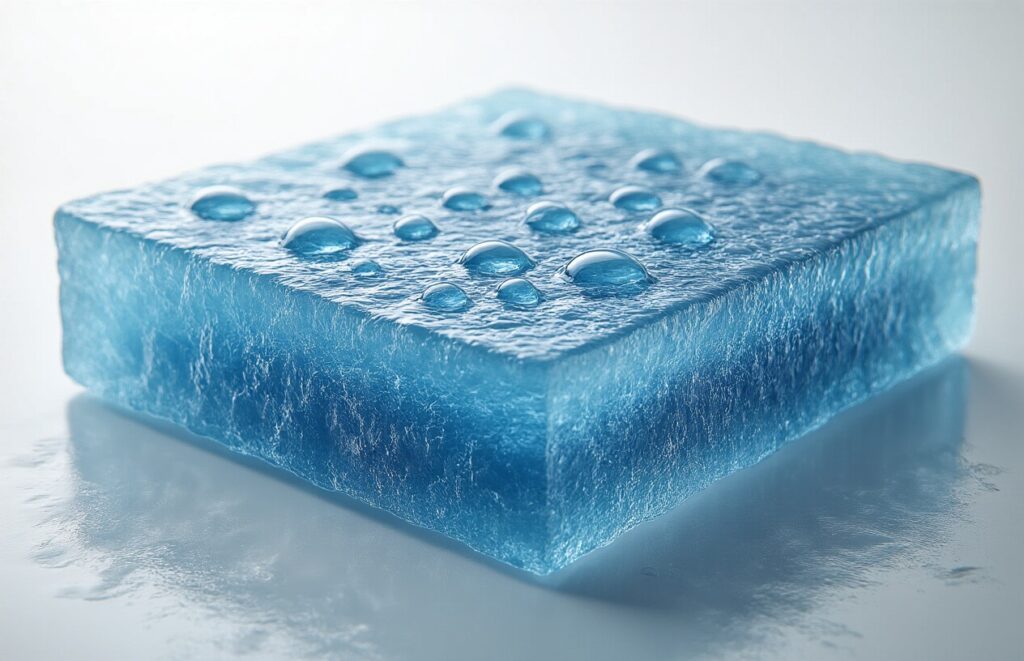
Hydrophobic Properties Prevent Water Absorption
Aerogel insulation naturally repels water thanks to its hydrophobic surface characteristics. The material’s structure prevents liquid water from penetrating the pores, maintaining thermal performance even in wet conditions. This water-resistant quality protects buildings from moisture infiltration that can compromise structural integrity and create costly repair issues.
Breathable Structure Allows Vapor Transmission
Despite blocking liquid water, aerogel allows water vapor to pass through its microporous network. This breathability prevents moisture buildup within wall assemblies while maintaining the insulation’s effectiveness. The balanced approach of blocking liquid moisture while permitting vapor movement creates optimal building envelope performance in varying weather conditions.
Superior Fire Safety and High-Temperature Performance
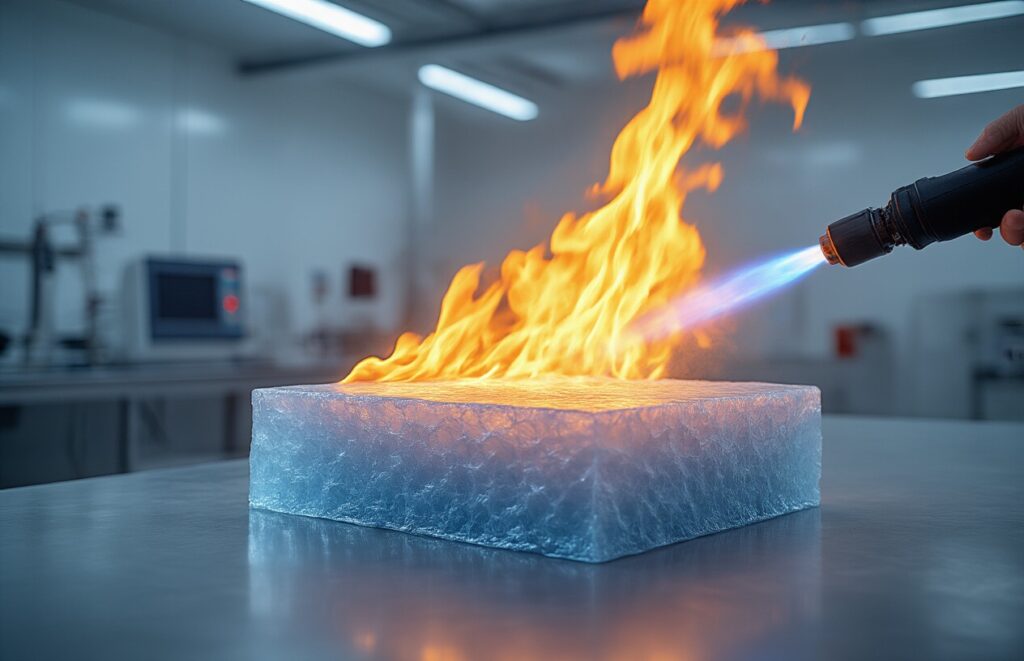
Non-combustible material composition
Aerogel insulation stands out as an inherently non-combustible material, making it a game-changer for building safety. Unlike traditional foam insulations that can ignite and spread flames, aerogel won’t burn or contribute to fire propagation. This characteristic comes from its unique silica-based structure, which remains stable even when exposed to direct flames.
Maintains insulating properties at extreme temperatures
Most insulation materials lose their effectiveness when temperatures soar, but aerogel keeps performing. It maintains its thermal resistance properties at temperatures exceeding 1,000°F, ensuring buildings stay protected even during fire emergencies. This stability means evacuation routes remain safer and structural integrity lasts longer during critical moments.
Enhanced building fire safety ratings
Buildings incorporating aerogel insulation often achieve higher fire safety classifications and improved insurance ratings. The material’s non-combustible nature helps structures meet stringent fire codes while reducing overall fire risk. Architects and engineers can design with confidence, knowing aerogel contributes to comprehensive fire protection strategies without compromising thermal performance.
Remarkable Durability and Long-Term Performance Stability
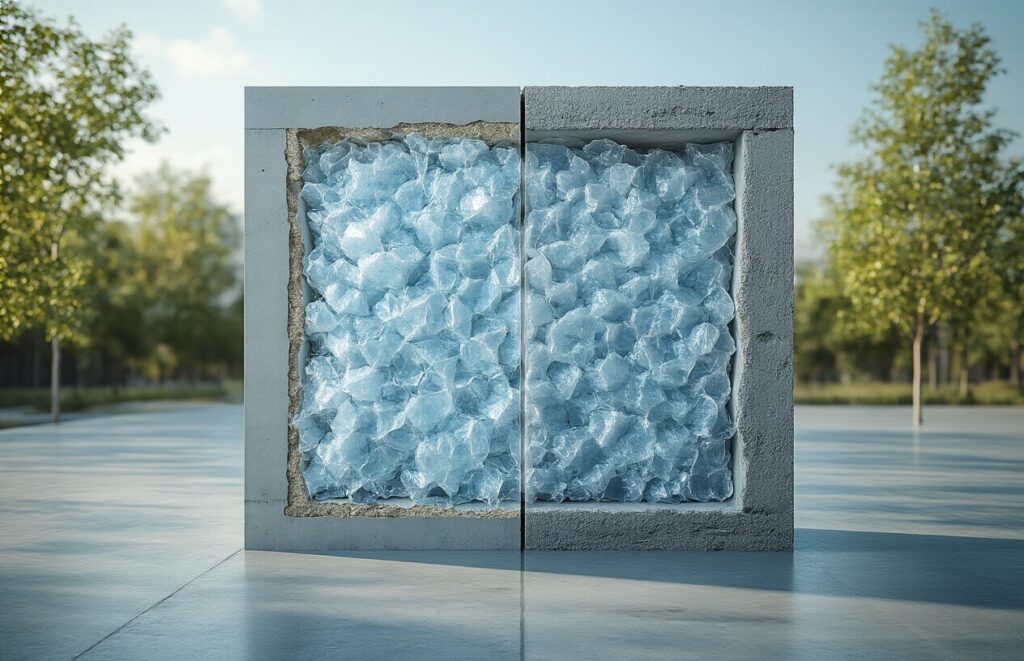
Resistance to settling and compression over time
Aerogel insulation maintains its structural integrity decades after installation, unlike traditional materials that compress and lose effectiveness. The nanoporous structure resists mechanical stress while preserving thermal performance throughout the building’s lifespan.
Minimal degradation from environmental factors
Environmental challenges like UV exposure, temperature cycling, and humidity barely affect aerogel’s performance. This stability means consistent energy efficiency without the gradual deterioration seen in conventional insulation materials over time.
Reduced maintenance and replacement costs
| Cost Factor | Aerogel | Traditional Insulation |
| Replacement frequency | 50+ years | 15-25 years |
| Maintenance requirements | Minimal | Regular inspection |
| Performance degradation | <5% over 30 years | 20-40% over 20 years |
Extended service life compared to traditional insulation
While fiberglass and foam insulation typically require replacement every 15-25 years, aerogel delivers reliable performance for 50+ years. This longevity stems from its chemically inert silica composition and stable cellular structure that resists aging processes.
Lightweight Construction Benefits for Structural Efficiency
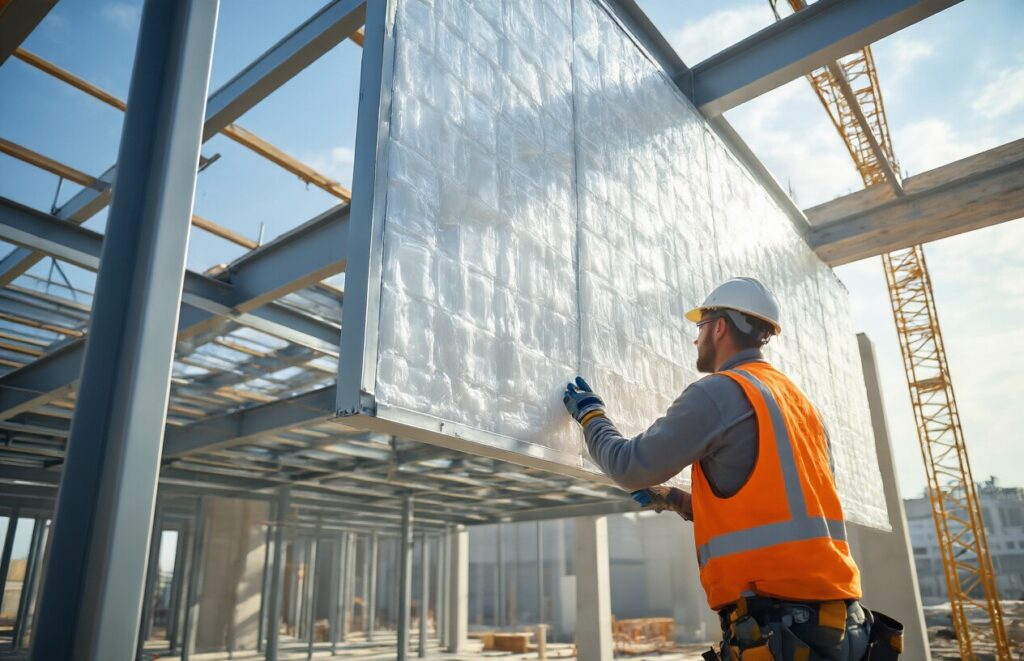
Reduced Dead Load on Building Structures
Aerogel insulation dramatically cuts structural weight by up to 90% compared to traditional materials. This weight reduction allows architects to design taller buildings with smaller foundations and lighter structural frames. The decreased dead load opens possibilities for innovative cantilevers and longer spans without additional reinforcement.
Simplified Installation and Handling Processes
Workers can easily handle aerogel panels with standard tools, eliminating the need for heavy machinery or specialized lifting equipment. The material’s flexibility allows cutting and fitting around complex geometries without cracking or breaking. Installation teams complete projects faster due to the material’s manageable size and weight characteristics.
Lower Transportation and Logistics Costs
Shipping costs drop significantly when transporting aerogel insulation due to its ultra-low density. A single truck can carry enough material to insulate large commercial buildings, reducing delivery frequency and fuel consumption. Storage requirements shrink dramatically, allowing contractors to stock more material in smaller warehouse spaces while reducing handling expenses.
Versatile Application Flexibility Across Building Systems
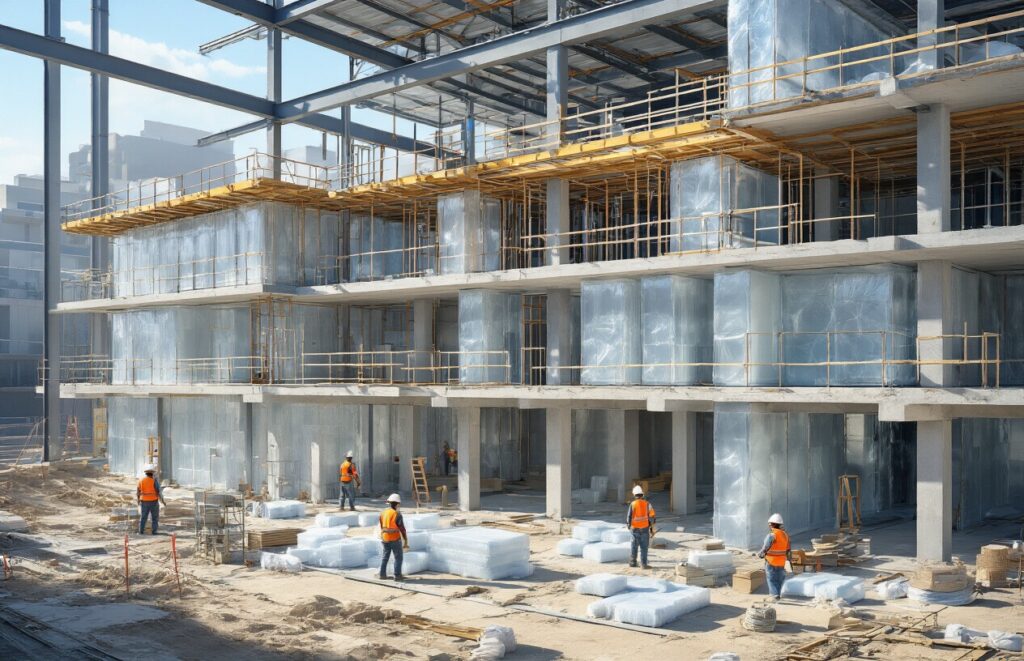
Suitable for walls, roofs, and foundation applications
Aerogel insulation works brilliantly across all major building envelope components. Wall applications benefit from its ultra-thin profile while delivering exceptional R-values. Roof systems gain superior thermal control without adding structural weight. Foundation applications resist moisture infiltration while maintaining thermal barriers.
Compatible with various construction methods
Modern construction techniques seamlessly embrace aerogel’s adaptability. Traditional stick-built homes, steel frame construction, and prefabricated systems all accommodate aerogel installation effectively.
Adaptable to retrofit and new construction projects
Retrofit projects particularly benefit from aerogel’s space-saving advantages. Existing buildings gain improved thermal performance without major structural modifications. New construction projects can specify aerogel from the design phase for optimal integration.
Integration with existing building materials
Aerogel complements conventional materials like fiberglass, foam boards, and traditional vapor barriers. Installation doesn’t require specialized adhesives or fasteners. Standard construction tools and techniques apply, making contractor adoption straightforward and cost-effective for widespread implementation.
Environmental Sustainability and Green Building Advantages

Reduced carbon footprint through energy savings
Aerogel insulation reduces energy consumption by up to 50% compared to traditional materials, significantly lowering building carbon emissions. Buildings equipped with aerogel systems require less heating and cooling, resulting in lower fossil fuel consumption and greenhouse gas emissions over the structure’s lifetime.
Contribution to green building certifications
Major certification programs like LEED, BREEAM, and Green Star award significant points for aerogel installation due to its exceptional thermal performance. The material’s superior R-value per inch helps projects meet energy-efficiency targets while contributing to innovation credits. Many developers now specify aerogel specifically to secure platinum-level certifications and meet increasingly stringent environmental standards.
Lower environmental impact during production
Modern aerogel manufacturing processes have evolved to minimize environmental impact through reduced energy consumption and waste generation. Unlike petroleum-based foam insulations, many aerogel products use silica-based materials with lower embedded carbon. The production methods require fewer toxic chemicals and generate fewer harmful byproducts, making aerogel a cleaner alternative throughout its manufacturing lifecycle.
Cost-Effectiveness Through Lifecycle Value Analysis

Higher Initial Investment Offset by Energy Savings
While aerogel insulation commands a premium price compared to traditional materials, the superior thermal performance delivers substantial energy savings that quickly recover the initial investment. Buildings using aerogel typically see 30-50% reductions in heating and cooling costs, with payback periods ranging from 3-7 years depending on climate conditions and energy prices.
Reduced Installation Labor Requirements
The lightweight nature and ease of handling significantly reduce installation time and labor costs. Contractors can install aerogel blankets faster than conventional insulation systems, often completing projects 20-30% quicker. This efficiency translates into lower labor costs and shorter project timelines, making the overall installation more cost-effective despite higher material costs.
Lower Long-Term Operational Costs
Aerogel’s exceptional durability means minimal maintenance requirements over its 50+ year lifespan. Unlike traditional insulation that may degrade or settle, aerogel maintains its thermal properties without replacement needs. The combination of consistent energy performance, reduced HVAC strain, and elimination of moisture-related issues delivers significant annual operational savings that compound over the building’s lifecycle.
Advanced Performance in Extreme Climate Conditions
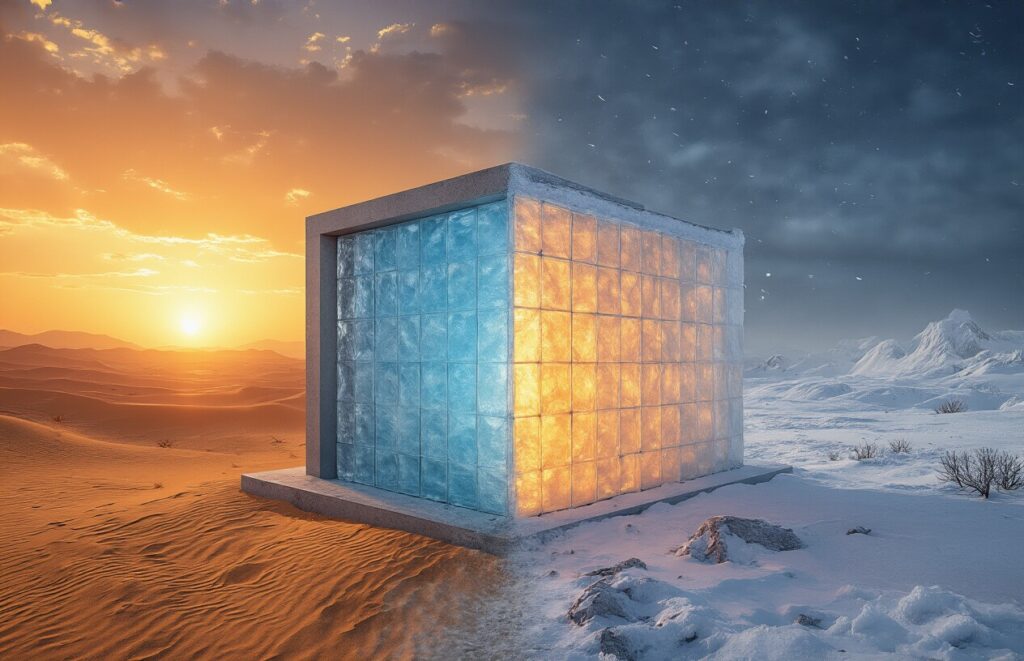
Consistent insulation performance in harsh weather
Aerogel insulation maintains exceptional thermal properties across extreme temperature ranges, from arctic cold to desert heat. Unlike traditional materials that lose effectiveness in severe conditions, aerogel’s unique nanostructure maintains stable R-values in sub-zero temperatures and intense solar radiation. This reliability proves invaluable in regions experiencing dramatic seasonal variations or unpredictable weather patterns.
Effective thermal bridging elimination
The material’s ultra-low thermal conductivity creates virtually uninterrupted insulation barriers, preventing heat transfer through structural elements. Aerogel wraps around steel beams, concrete connections, and building joints without compromising thickness requirements. This comprehensive coverage eliminates cold spots that plague conventional insulation systems, maintaining consistent interior temperatures regardless of external weather severity.
Enhanced comfort in challenging environments
Buildings equipped with aerogel insulation deliver superior occupant comfort during extreme weather events. Interior surfaces remain at comfortable temperatures, reducing drafts and eliminating the radiant heat loss that creates cold zones near windows and walls. This thermal stability minimizes HVAC cycling, creating quieter, more comfortable spaces while dramatically reducing energy consumption during peak heating and cooling demands.
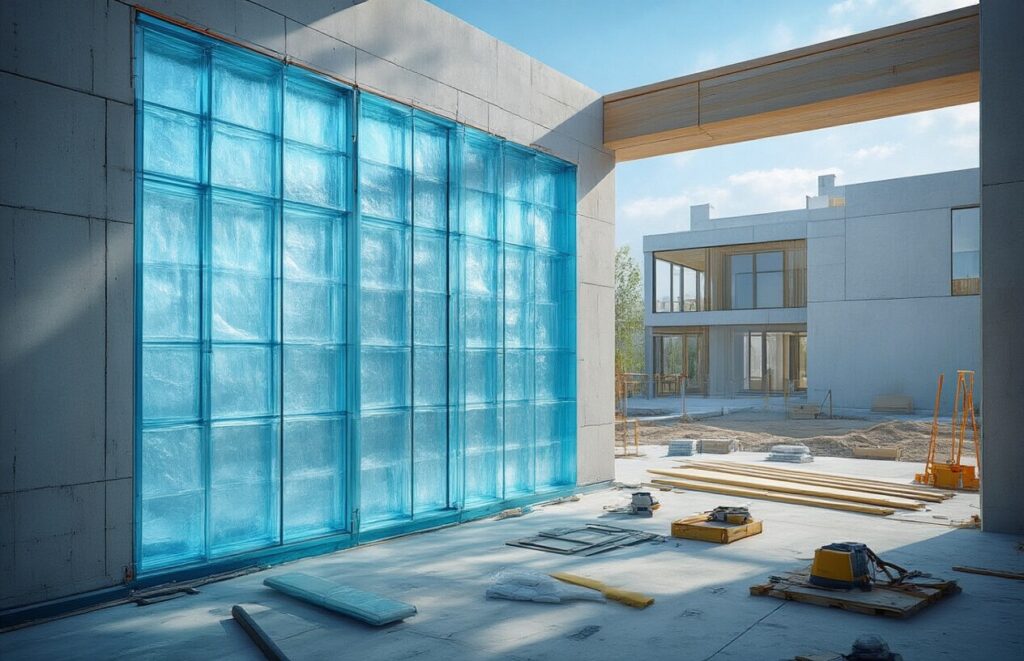
Aerogel insulation brings game-changing advantages to modern construction projects. From its unmatched thermal performance that slashes energy costs to its lightweight properties that reduce structural loads, this advanced material delivers on multiple fronts. The combination of superior fire resistance, moisture control, and durability means buildings stay protected and efficient for decades. Add in the space-saving design flexibility and environmental benefits, and aerogel becomes a smart investment that pays off over time.
The construction industry is moving toward smarter, more sustainable solutions, and aerogel insulation fits perfectly into this vision. While the upfront costs might seem higher than traditional materials, the long-term savings in energy bills, maintenance, and structural requirements make it a wise choice. If you’re planning a new build or major renovation, discuss incorporating aerogel insulation with your contractor. Your building will perform better, your energy bills will drop, and you’ll be investing in technology that keeps delivering value year after year.