
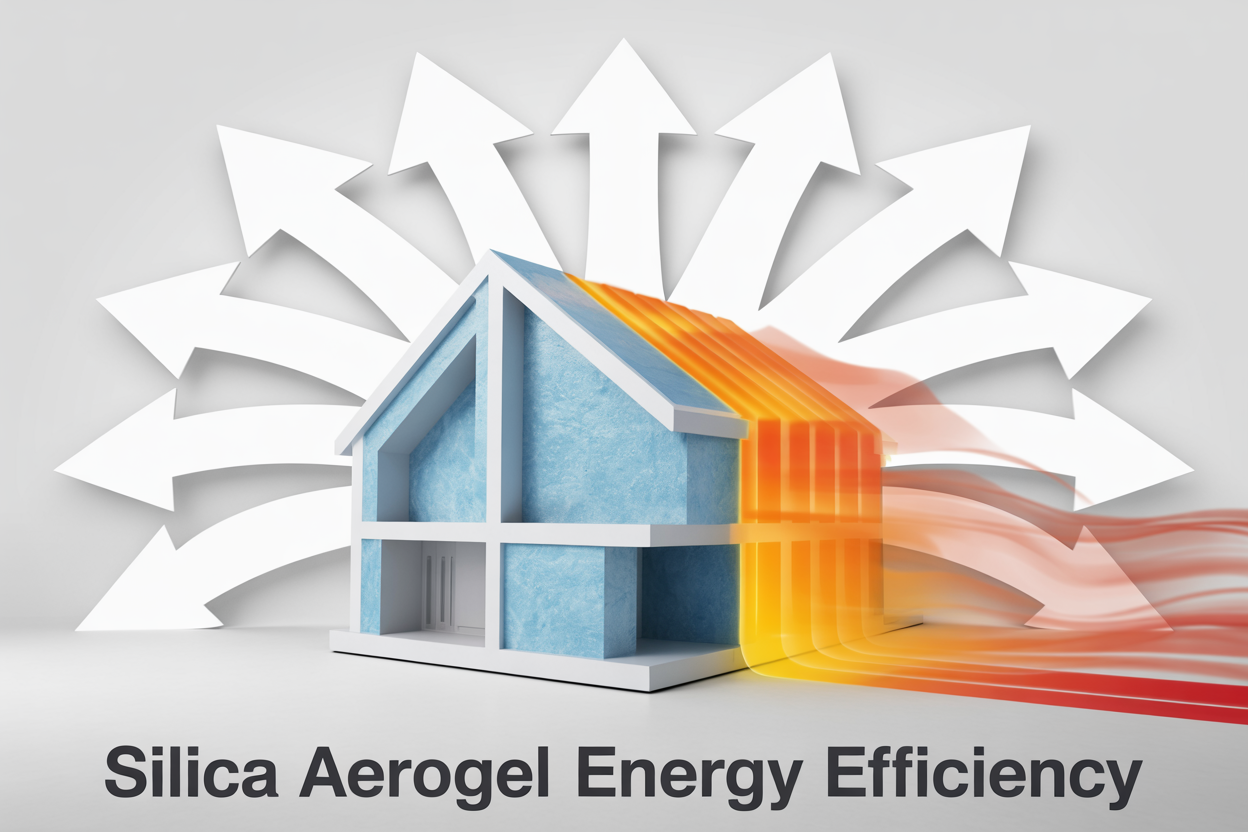
Silica aerogel insulation delivers exceptional energy efficiency benefits that can transform how buildings perform and save money on utility bills. This advanced material offers homeowners, contractors, and building engineers a game-changing solution for reducing energy waste while improving indoor comfort.
If you’re tired of high heating and cooling costs or want to meet strict energy codes, silica aerogel’s unique properties make it stand out from traditional insulation materials. We’ll explore how this super-insulator’s thermal performance leads to dramatic energy savings and examine the long-term financial benefits that make the initial investment worthwhile. You’ll also discover how choosing silica aerogel insulation reduces your building’s environmental impact while boosting overall performance.
Understanding Silica Aerogel’s Superior Thermal Properties
Ultra-low thermal conductivity compared to traditional insulation materials
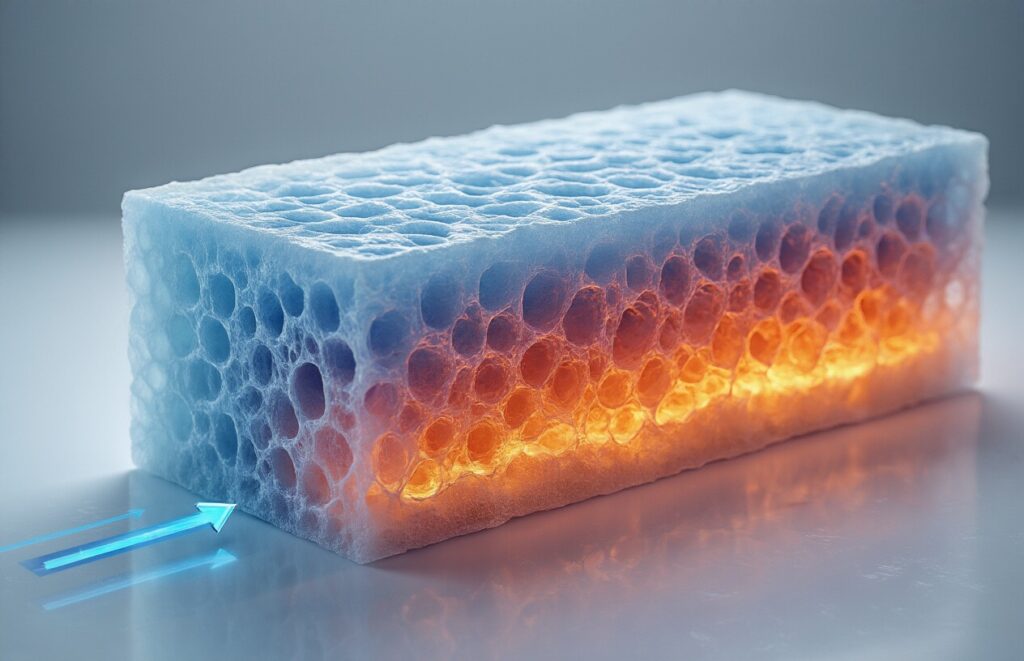
Silica aerogel achieves thermal conductivity values as low as 0.013 W/m·K, making it three times more effective than conventional fiberglass insulation. This remarkable performance comes from its unique microstructure, where 95% of the material consists of air trapped within nanoscale pores that prevent heat transfer through convection.
Exceptional heat resistance capabilities up to extreme temperatures
The material maintains its insulating properties across temperatures ranging from -200°C to 1000°C, far exceeding the operational limits of traditional insulation. Unlike organic foam insulations that degrade at high temperatures, silica aerogel’s inorganic structure remains stable, making it ideal for industrial applications and buildings requiring fire-resistant insulation solutions.
Lightweight structure that maximizes insulation efficiency per unit weight
| Material | Weight (kg/m³) | Thermal Conductivity (W/m·K) | Efficiency Ratio |
| Silica Aerogel | 150-200 | 0.013-0.018 | Excellent |
| Fiberglass | 12-96 | 0.032-0.044 | Good |
| Polyurethane Foam | 30-40 | 0.020-0.030 | Moderate |
Weighing only 150-200 kg/m³, silica aerogel delivers maximum thermal protection without adding significant structural load to buildings.
Dramatic Reduction in Energy Consumption for Heating and Cooling
Minimized heat transfer through building envelopes
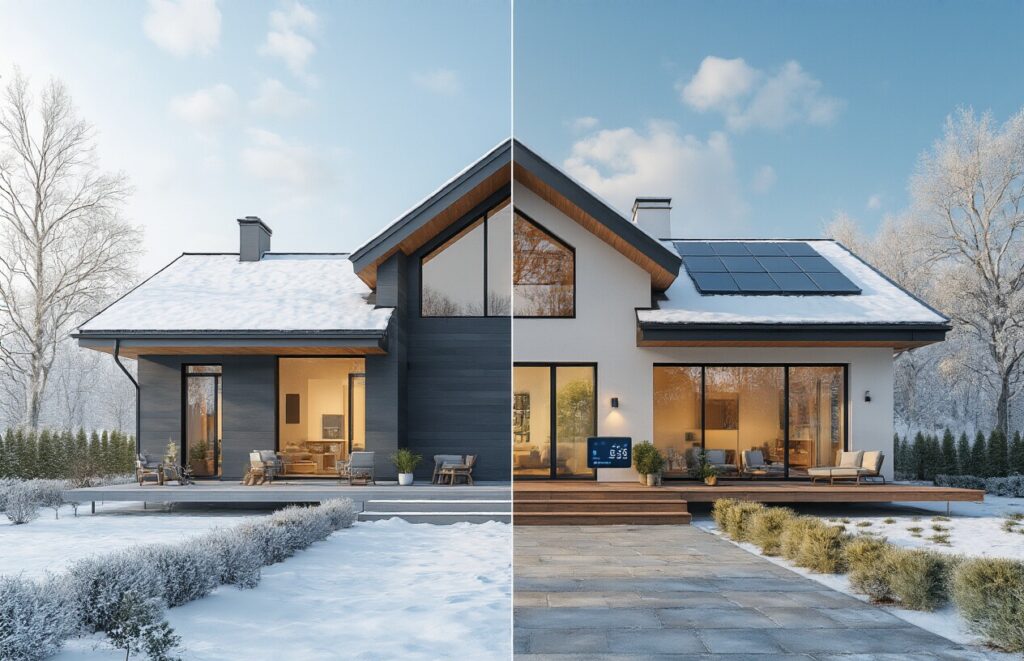
Silica aerogel creates an exceptional thermal barrier that dramatically cuts heat transfer through walls, roofs, and foundations. This ultra-low thermal conductivity material prevents unwanted heat loss during winter and blocks heat gain in summer, creating a more stable indoor environment that requires significantly less energy to maintain comfortable temperatures.
Reduced HVAC system workload and operational hours
With superior insulation performance, heating and cooling systems work less frequently and operate at lower capacities to achieve desired temperatures. HVAC equipment experiences reduced strain and cycling, leading to extended equipment life while consuming substantially less electricity and fuel throughout the year.
Lower energy bills through improved thermal barrier performance
Property owners typically see energy cost reductions of 30-50% after installing aerogel insulation. The material’s exceptional R-value per inch means buildings maintain consistent temperatures with minimal energy input, translating directly into lower monthly utility bills and reduced peak demand charges.
Enhanced temperature stability requiring less frequent climate adjustments
Buildings with aerogel insulation maintain steady indoor temperatures naturally, reducing the need for constant thermostat adjustments. Temperature fluctuations become minimal even during extreme weather conditions, creating comfortable living and working spaces while reducing energy consumption from frequent HVAC system cycling.
Long-term Cost Savings and Return on Investment
Reduced Monthly Utility Expenses Over Decades of Use
Property owners see substantial reductions in heating and cooling costs, often cutting energy bills by 20-40% after installing silica aerogel insulation. The ultra-low thermal conductivity means HVAC systems work less to maintain comfortable temperatures year-round. These savings compound over time, with many buildings recovering their initial investment within 5-8 years through lower utility expenses alone.
Extended Lifespan Compared to Conventional Insulation Materials
Silica aerogel maintains its insulating properties for 50+ years without degradation, while traditional materials like fiberglass often need replacement every 15-20 years. This durability eliminates costly reinstallation projects and reduces long-term building maintenance expenses. The material resists moisture, settling, and thermal cycling that typically compromise other insulation types.
Minimal Maintenance Requirements Leading to Ongoing Savings
The non-organic composition prevents mold growth, pest infiltration, and material breakdown that plague conventional insulation. Building owners avoid regular inspections, treatments, and repairs associated with deteriorating insulation systems. This hands-off approach translates to reduced labor costs and fewer service interruptions over the building’s lifetime.
Environmental Impact Benefits Through Reduced Carbon Footprint

Lower greenhouse gas emissions from decreased energy usage
Silica aerogel insulation slashes building energy demands by up to 50% compared to traditional materials. This dramatic reduction translates directly into lower carbon emissions, as buildings account for nearly 40% of global greenhouse gas output. Properties using aerogel insulation typically prevent 2-4 tons of CO2 emissions annually.
Reduced strain on power grid infrastructure
When buildings consume less energy for heating and cooling, electrical grids operate more efficiently with reduced peak demand loads. Aerogel’s superior insulation properties help stabilize grid operations, decrease the need for additional power plants, and minimize transmission losses. This ripple effect strengthens overall energy infrastructure while supporting grid modernization efforts and renewable energy integration goals.
Contribution to sustainable building practices and green certifications
Aerogel insulation helps buildings achieve LEED Platinum, BREEAM Outstanding, and Passive House certifications through exceptional energy performance metrics. Projects using aerogel typically score higher in energy efficiency categories, earning valuable certification points. Green building standards increasingly recognize aerogel’s role in creating ultra-low energy structures that meet tomorrow’s sustainability requirements.
Support for renewable energy system efficiency
Solar panels and wind systems work more effectively when paired with aerogel-insulated buildings. The reduced energy loads mean smaller renewable systems can meet building needs, improving cost-effectiveness and system reliability. Properties with aerogel insulation require 30-60% less backup energy storage, making renewable installations more practical and affordable for mainstream adoption.
Enhanced Building Performance and Comfort

Improved Indoor Temperature Consistency Throughout Seasons
Silica aerogel insulation creates remarkably stable indoor temperatures year-round by blocking heat transfer with exceptional efficiency. Unlike traditional insulation materials that allow temperature fluctuations, aerogel maintains consistent thermal barriers that keep your space comfortable regardless of external weather conditions. This consistency means fewer hot spots in summer and cold zones in winter, creating a uniform environment that feels naturally balanced.
Reduced Thermal Bridging and Cold Spots Elimination
The ultra-low thermal conductivity of silica aerogel effectively breaks thermal bridges that typically occur at structural connections like metal studs, concrete slabs, and window frames. These problem areas usually create uncomfortable cold spots and drafts, but aerogel’s superior insulating properties eliminate these temperature variations. Your building envelope becomes a continuous thermal barrier that prevents energy loss and maintains comfort in every corner of your space.
Better Humidity Control and Condensation Prevention
Aerogel insulation keeps interior surface temperatures closer to room temperature, which dramatically reduces condensation formation on walls, windows, and other surfaces. When interior surfaces stay warm, they don’t collect moisture from the air, preventing mold growth and maintaining healthier indoor air quality. This moisture control also protects building materials from water damage and extends the lifespan of your structure while keeping humidity levels in the optimal comfort range.
Increased Occupant Comfort with Stable Indoor Climate
Buildings with aerogel insulation provide superior occupant comfort through consistent temperatures and reduced drafts. People inside experience fewer temperature swings throughout the day, which means less fidgeting with thermostats and more consistent comfort levels. The stable thermal environment also reduces the need for constant HVAC adjustments, creating a more pleasant living or working space where occupants can focus on their activities rather than temperature discomfort.

Silica aerogel insulation stands out as a game-changing solution that delivers on multiple fronts. Its exceptional thermal properties translate directly into lower energy bills, reduced heating and cooling costs, and a more comfortable living or working environment. The initial investment pays for itself over time through consistent energy savings, while the environmental benefits make it a smart choice for anyone looking to reduce their carbon footprint.
Making the switch to silica aerogel insulation isn’t just about cutting costs—it’s about future-proofing your property and contributing to a more sustainable world. With energy prices continuing to rise and environmental concerns growing, this advanced insulation technology offers a practical way to tackle both challenges at once. Consider upgrading your insulation system and start experiencing the lasting benefits that come with superior energy efficiency.