
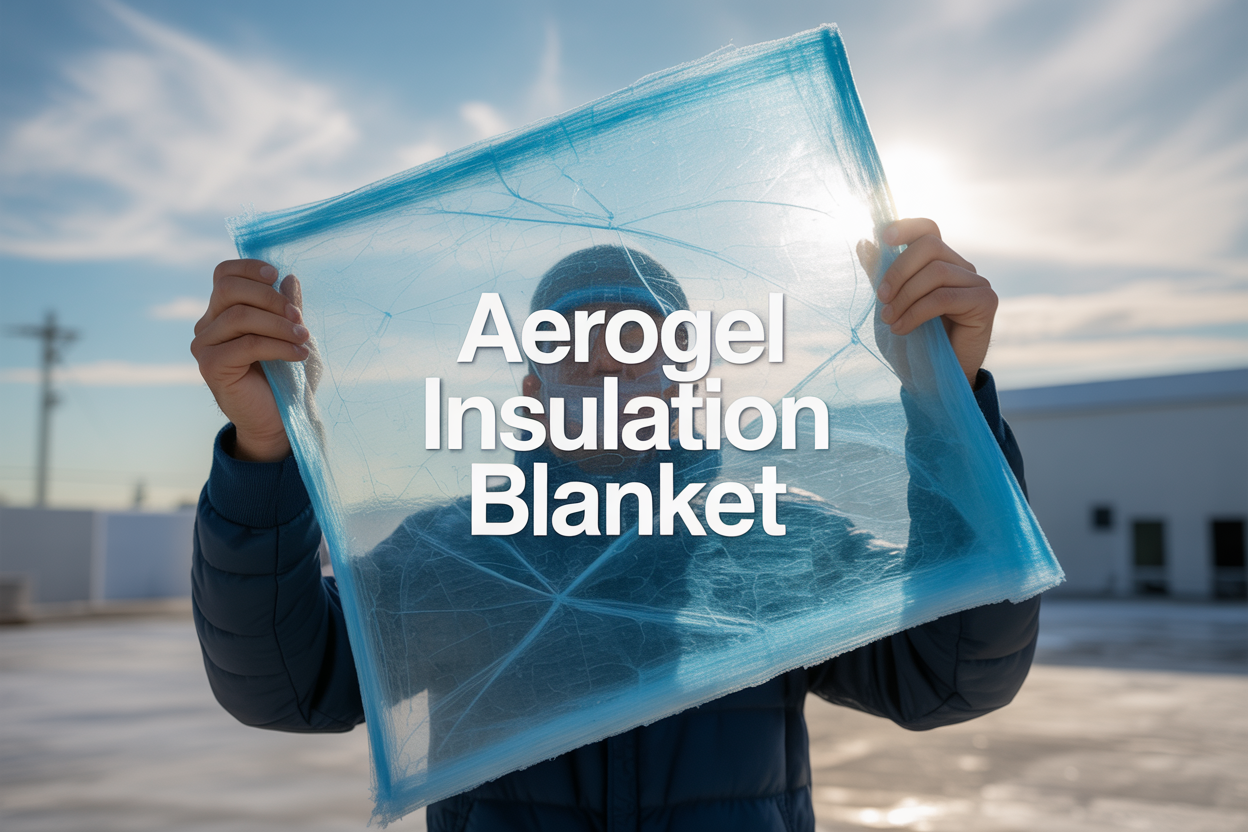
Silica aerogel insulation blanket represents a breakthrough in thermal insulation technology, combining the world’s most effective insulating material with practical, flexible applications. This advanced composite material merges nanoporous aerogel particles with fiber matrices to create insulation that delivers exceptional performance while remaining lightweight and easy to install.
This guide targets engineers, facility managers, contractors, and anyone seeking high-performance insulation solutions for demanding applications. Whether working in aerospace, petrochemicals, construction, or automotive industries, understanding aerogel technology becomes essential as traditional materials reach their performance limits.
The following sections explore how aerogel’s unique nanoscale structure creates unmatched thermal resistance, examine the manufacturing processes that determine product quality and cost, and compare performance benefits with those of conventional insulation materials. Additionally, coverage includes practical installation considerations and real-world applications where aerogel insulation blankets deliver maximum value across various industries.
Understanding Aerogel: The Foundation of Revolutionary Insulation
What Makes Aerogel the Lightest Solid Material on Earth
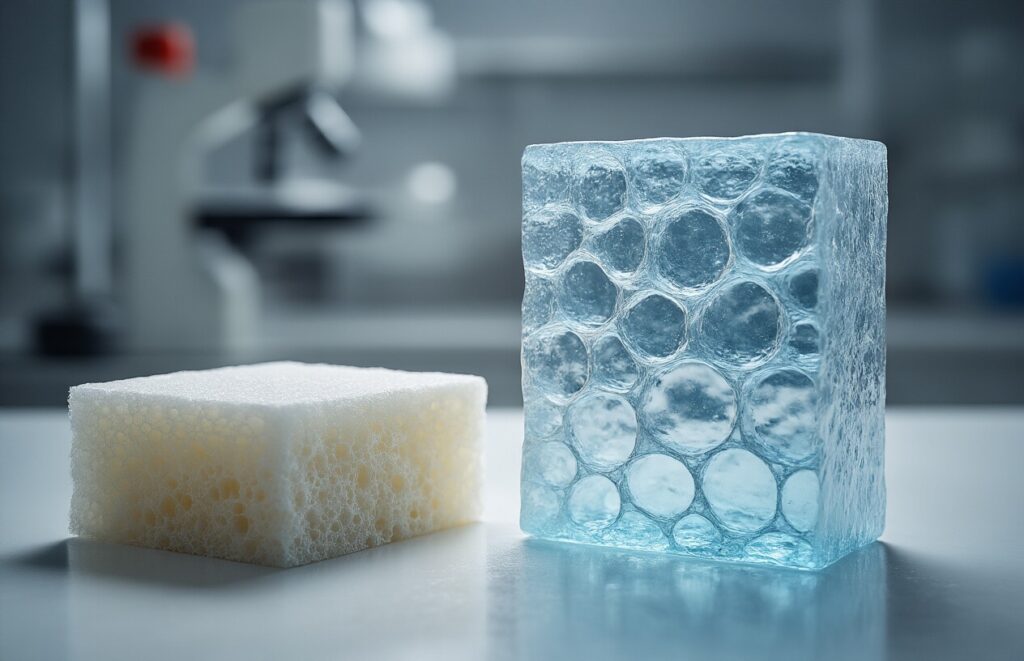
Aerogel achieves its status as one of the lightest solid materials through its extraordinary structure, in which up to 99.8% of its volume consists of air trapped within a microporous solid network. With densities typically ranging from 0.0011 to 0.5 g/cm³, aerogel averages about 0.020 g/cm³, making it only 15 times as heavy as air.
Chemical Composition and Structure of Silica Aerogel
The majority of aerogels are composed of silica, produced through a sol-gel process involving hydrolysis and condensation of silicon alkoxides such as TEOS and TMOS. The structure features spherical particles of 2-5 nm fused into clusters, forming a highly porous, fractal-like, three-dimensional network with pore sizes just under 100 nanometers.
Key Properties That Enable Superior Performance
Aerogel’s exceptional insulating capabilities stem from its ability to minimize heat transfer through both conduction and convection. The microstructure prevents gas movement while the Knudsen effect reduces thermal conductivity in small cavities, allowing aerogel to achieve thermal conductivities as low as 0.003 W·m⁻¹·K⁻¹, making it among the best insulating materials known.
Aerogel Insulation Blanket Technology Explained
How Aerogel Particles Are Combined with Fiber Matrix
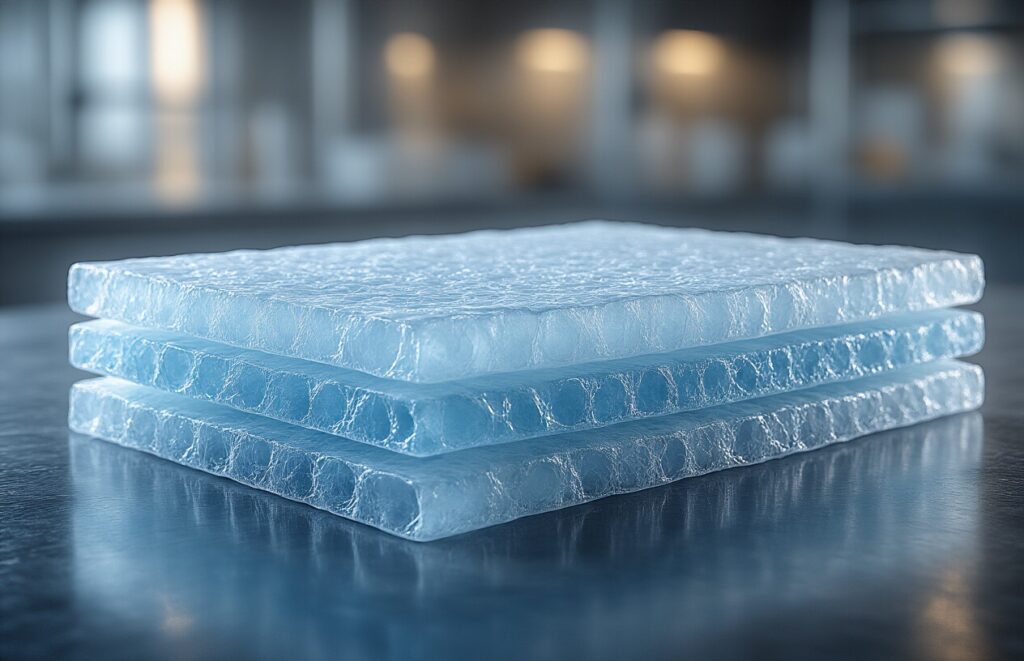
Aerogel particles are integrated with fiber reinforcement through sophisticated sol-gel techniques, where aluminosilicate sols are formed by hydrolyzing alumina dispersions in acid solutions. Fabrics, papers, and felts serve as reinforcing matrices, with the aerogel adhering directly to these fibers without the need for sizing or organic binders. This process can be carried out via batch impregnation of individual layers or continuous roll-to-roll manufacturing, followed by gelation, aging, and supercritical drying with liquid CO2.
Why Composite Design Solves Pure Aerogel Limitations
The composite approach addresses fundamental weaknesses inherent in monolithic aerogels, particularly their extreme fragility and tendency to release dust particles. Pure silica aerogels suffer from weak particle cohesion and mechanical brittleness, which severely limit practical applications. By embedding aerogel particles within fiber matrices with polymer binders such as polyvinyl alcohol, manufacturers achieve strong adhesion between components while preserving the aerogel’s mesoporous, three-dimensional microstructure and exceptional thermal properties.
Manufacturing Methods That Determine Quality and Cost
Supercritical Drying for Maximum Performance
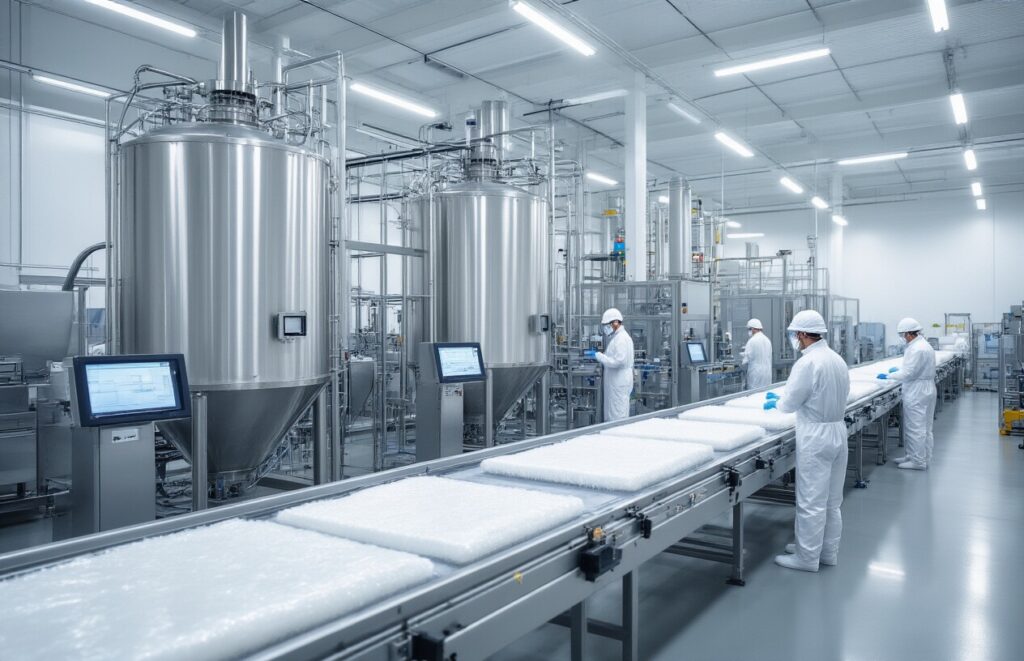
Supercritical drying is the gold standard for aerogel manufacturing, leveraging critical-point physics to preserve the delicate nanostructured pore network. This process transforms liquid solvents into supercritical fluids by heating and pressurizing them beyond their critical point, where surface tension disappears. High-temperature supercritical drying using organic solvents such as methanol is performed at 300-600°C and 50-100 atm, yielding superior aerogels with enhanced hydrophobic properties via methoxy group formation.
Atmospheric Pressure Drying for Cost-Effective Production
Low-temperature supercritical drying with carbon dioxide, known as the Hunt Process, offers a safer alternative at a critical temperature of just 31.1 °C. This method replaces organic solvents with liquid CO2 before supercritical extraction, eliminating flammability risks while maintaining non-toxicity. Although aerogels may undergo up to 5% shrinkage during solvent exchange, the process enables cost-effective production with excellent thermal performance for commercial applications.
How Aerogel Blankets Block Heat Transfer So Effectively
Nanoporous Structure Traps Air Molecules
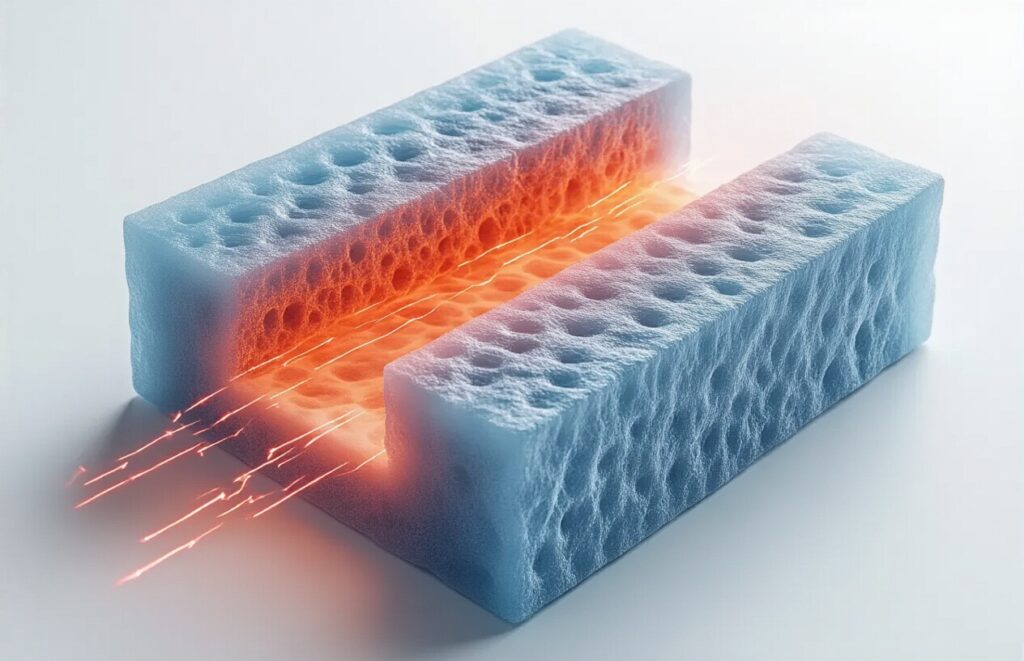
Aerogel blankets achieve exceptional thermal insulation through their unique three-dimensional nanostructure that effectively traps air molecules within an intricate network of nanopores. This nanoporous architecture creates countless tiny air pockets, with silica aerogels demonstrating thermal conductivities as low as 0.014-0.05 W/(m·K). The extremely high porosity, combined with the material’s lightweight properties,s allows aerogels to maintain superior insulation performance while remaining significantly lighter than traditional insulation materials.
Blocking Both Convection and Conduction Heat Paths
The sophisticated nanostructure of aerogel blankets simultaneously disrupts multiple heat-transfer mechanisms, effectively blocking both convective and conductive pathways. The confined air molecules within the nanoscale pores cannot establish convection currents, while the minimal contact points with solid material dramatically reduce conductive heat transfer. Advanced composite formulations incorporating reinforcing elements like carbon nanotubes and silicate compounds further enhance temperature resistance up to 1500°C while maintaining thermal conductivities around 0.023-0.032 W/(m·K).
Superior Performance Benefits Over Traditional Materials
Ultra-Low Thermal Conductivity Reduces Thickness Requirements
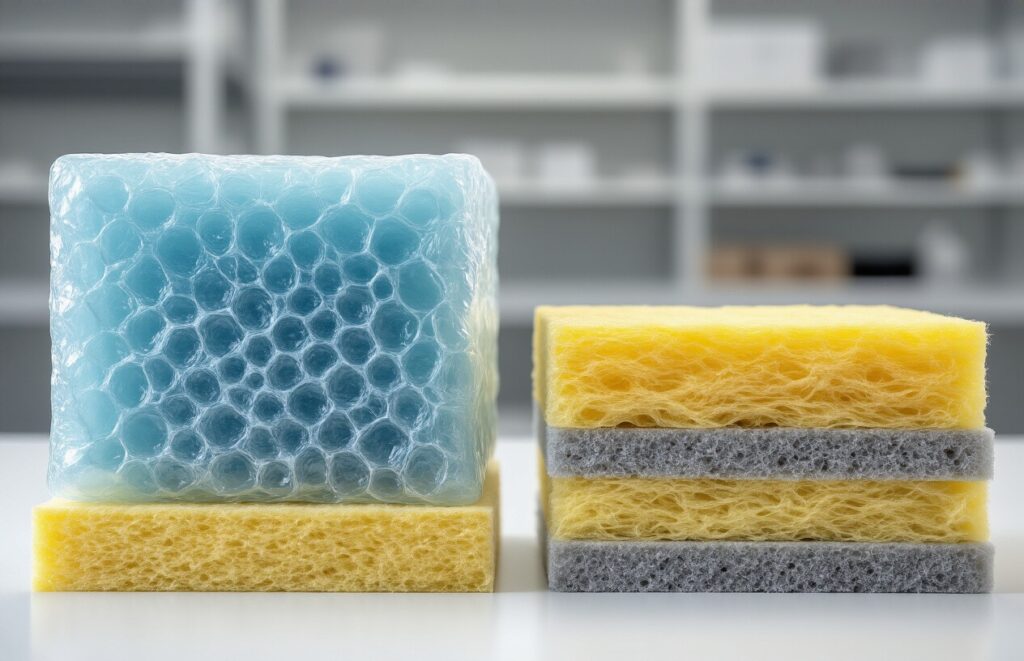
Aerogel insulation achieves thermal conductivity as low as 0.013 W/m·K, delivering R-values up to four times higher than those of conventional materials at identical thicknesses. This exceptional performance allows engineers to achieve superior thermal protection using significantly thinner profiles, with aerogel requiring only 0.7-1.0 inches for R-10 compared to fiberglass’s 2.9 inches.
Lightweight Design Minimizes Structural Load
Traditional insulation materials add significant structural weight, whereas aerogel weighs up to 95% less than conventional alternatives. This dramatic weight reduction means buildings require less structural support, vehicles consume less fuel, and installation becomes safer for workers while maximizing usable space in compact environments.
Types of Aerogel Insulation Blankets for Different Applications
Glass Fiber Composite for General Industrial Use
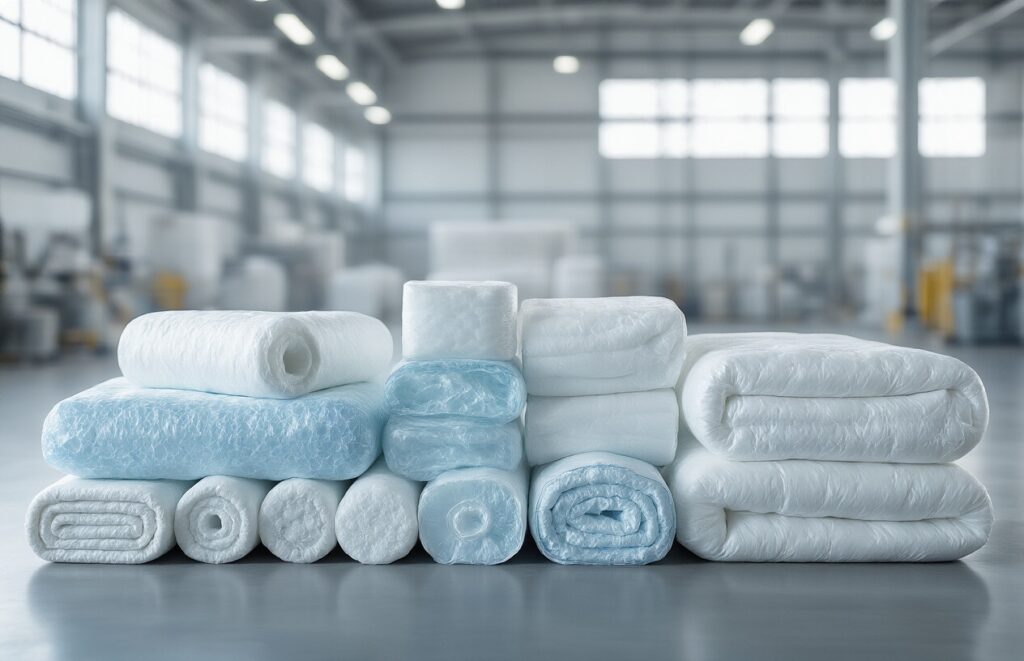
Glass fiber composite aerogel blankets represent the most widely adopted variant for industrial applications, offering exceptional thermal insulation with thermal conductivity as low as 0.013 W/m·K. These blankets maintain their insulating properties even when compressed, making them particularly effective for applications requiring flexibility and durability. Their lightweight nature, weighing as little as 0.5 pounds per square foot for 1-inch thickness, simplifies installation while providing superior performance compared to traditional materials like fiberglass and XPS.
Carbon Fiber Composite for Flexibility Requirements
Carbon fiber composite aerogel blankets excel in applications demanding enhanced flexibility and mechanical strength. These variants maintain the remarkable thermal properties inherent in aerogel technology while offering superior bendability and wrappability. The carbon fiber reinforcement provides additional structural integrity without compromising the material’s lightweight convenience or hydrophobic properties, making it ideal for installations requiring frequent handling or complex geometries where traditional rigid insulation materials would prove inadequate.
Industry Applications Where Aerogel Delivers Maximum Value
Aerospace Weight and Temperature Control Solutions
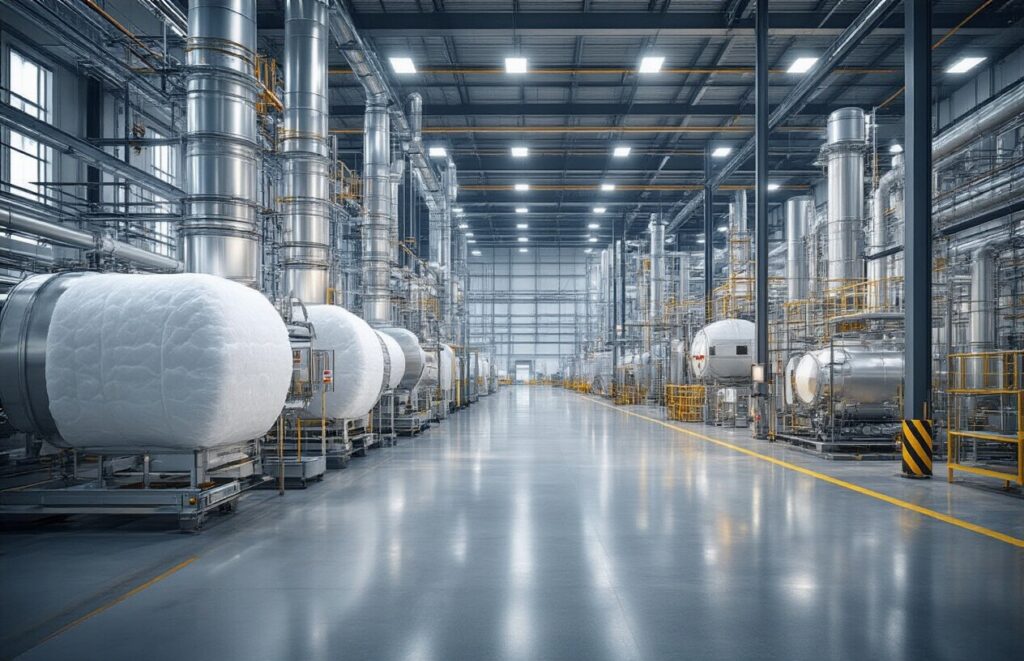
Aerogel insulation blankets represent a critical advancement for aerospace applications where weight reduction and thermal management are paramount. The material’s exceptional thermal properties, combined with ultra-low density, make it particularly valuable for spacecraft thermal protection systems and aircraft engine compartments.
Petrochemical Pipeline and Equipment Insulation
Building Energy Efficiency and Space Optimization
Automotive Thermal Management and Weight Reduction
Performance Comparison with Traditional Insulation Materials
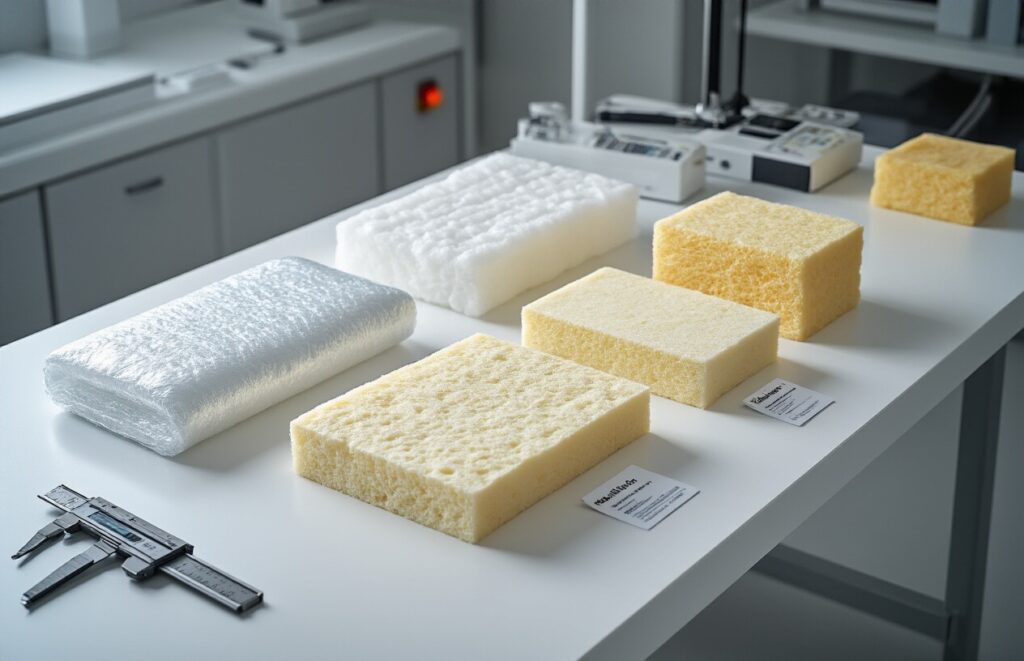
3-5x Better Thermal Performance Than Glass Wool and Rockwool
Aerogel insulation demonstrates superior thermal efficiency, with conductivity values ranging from 0.013 to 0.020 W/m·K, significantly outperforming traditional materials. Glass wool and rockwool typically achieve thermal conductivity between 0.035 and 0.050 W/m·K, making aerogel approximately four times more efficient than fiberglass and three to four times better than mineral wool. This exceptional thermal resistance allows aerogel to achieve the same insulation effect with substantially thinner layers.
Thickness Reduction of 67-80% for the Same Insulation Effect
The superior thermal properties of aerogel translate into dramatic space savings, with required thicknesses 50-80% lower than those of other insulation materials. This reduction in material thickness is especially valuable in applications with space constraints or where thermal bridging must be minimized, enabling more efficient design solutions while maintaining optimal thermal performance.
Practical Installation and Safety Considerations
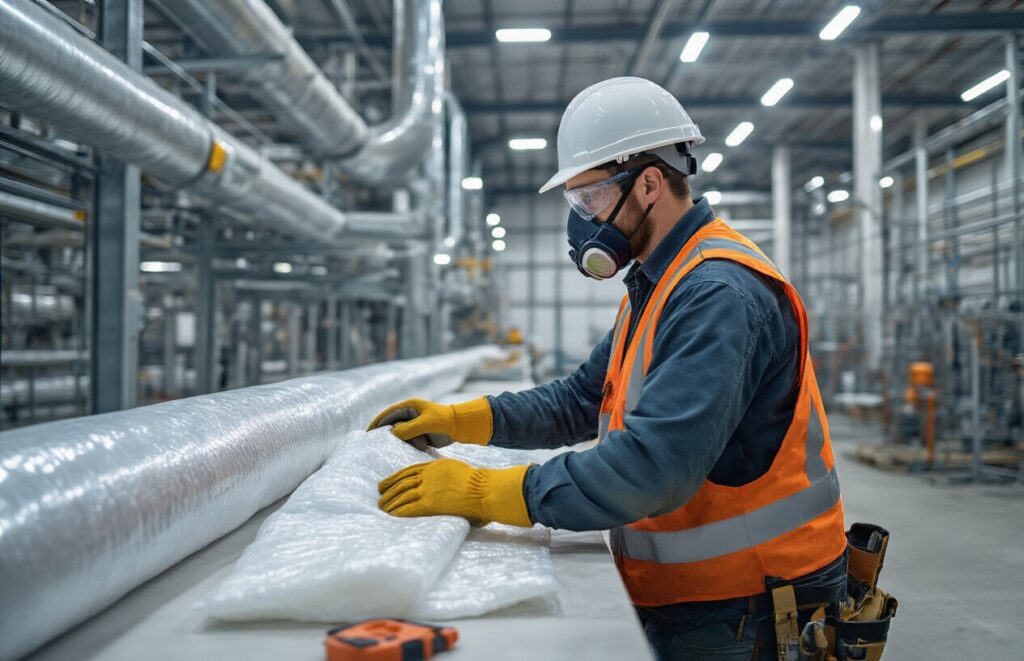
Safe Handling Without Special Protective Equipment
Aerogel insulation blankets maintain exceptional safety standards during installation, as the base materials remain non-toxic and odorless under normal conditions. The inorganic silica components exhibit excellent chemical stability and do not decompose or release harmful substances during routine handling.
Easy Cutting and Shaping for Complex Surfaces
While aerogel blankets can be shaped for various applications, proper handling techniques prevent material degradation. Installation should avoid excessive bending, folding, or throwing to maintain the blanket’s structural integrity and prevent aerogel particles from detaching from the substrate.
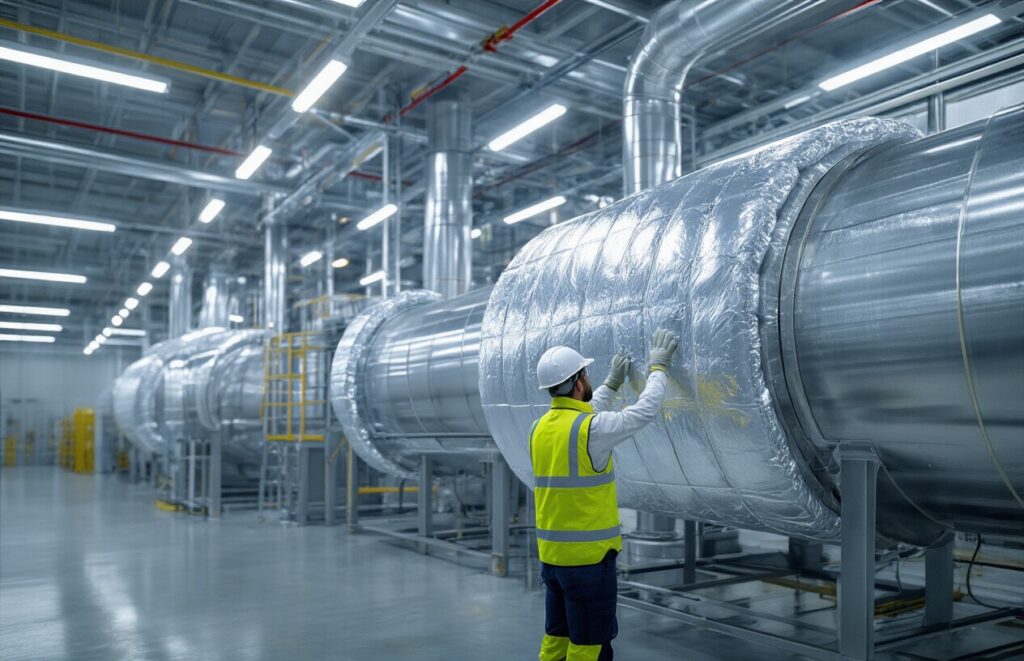
Silica aerogel insulation blankets represent a paradigm shift in thermal management, combining the revolutionary properties of aerogel with practical fiber matrices to deliver unmatched performance. With thermal conductivity 3-5 times lower than that of traditional materials, these blankets achieve superior insulation in significantly thinner profiles, making them ideal for space-constrained applications across the aerospace, petrochemical, construction, and automotive industries. The unique nanoporous structure, which traps air molecules while maintaining structural integrity, ensures consistent performance across extreme temperature conditions ranging from -200°C to 650°C.
As manufacturing processes continue to advance and costs decrease, aerogel insulation blankets are positioned to become the standard for high-performance thermal insulation. The combination of ultra-lightweight construction, exceptional durability, hydrophobic properties, and versatile installation capabilities makes these materials an investment in long-term energy efficiency and operational excellence. For industries seeking to optimize thermal management while reducing system weight and maintenance requirements, aerogel insulation blankets offer a proven solution that delivers measurable returns through reduced energy consumption and extended equipment life.