
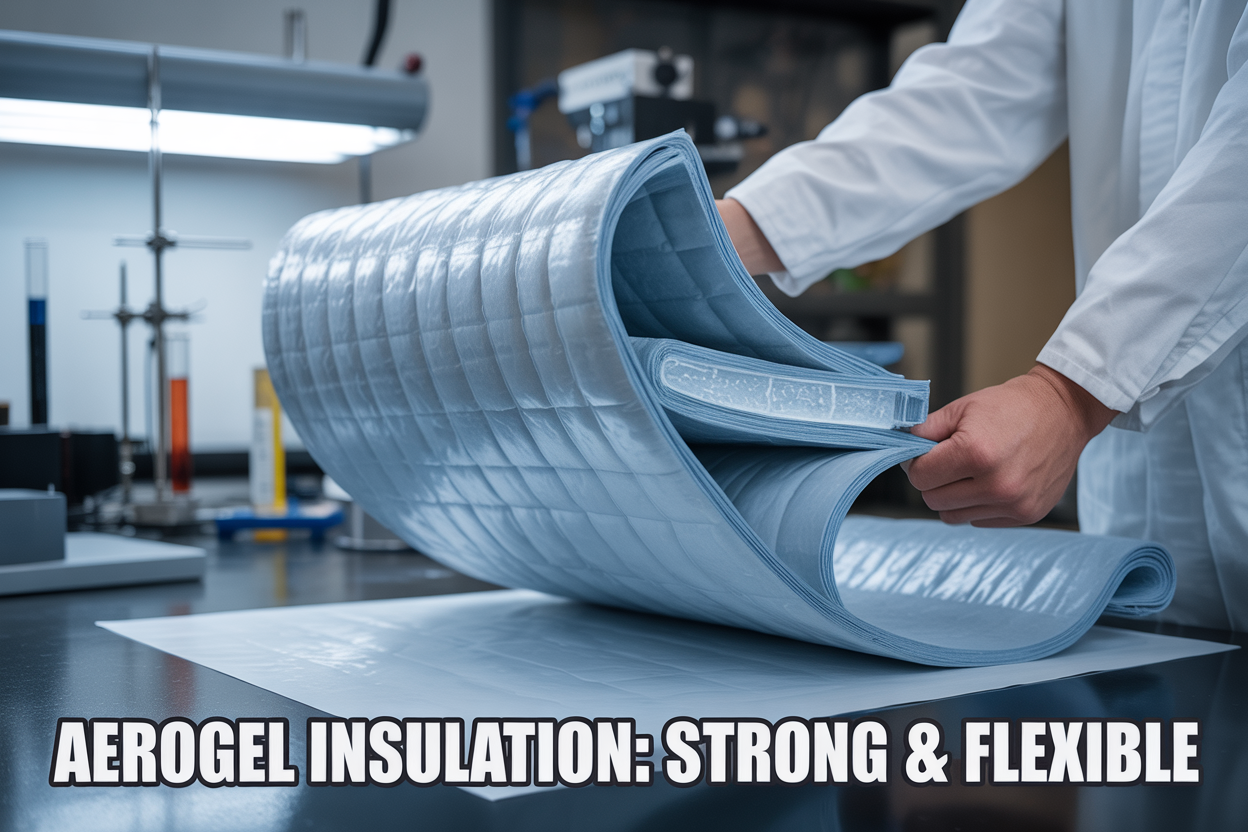
Aerogel insulation blankets pack incredible thermal performance into lightweight materials, but engineers and contractors often worry about their mechanical strength and flexibility in demanding applications. This guide helps facility managers, insulation contractors, and design engineers understand how these advanced materials hold up under real-world stress and movement.
Aerogel blankets might look fragile, but modern formulations offer surprising durability once you understand their limits. We’ll explore the mechanical strength properties that determine where these materials excel and examine how their unique flexibility opens doors for applications that would challenge traditional insulation. You’ll also learn about key testing standards that help you evaluate performance data and make confident material selections for your next project.
Understanding Aerogel Insulation Blanket Composition and Structure
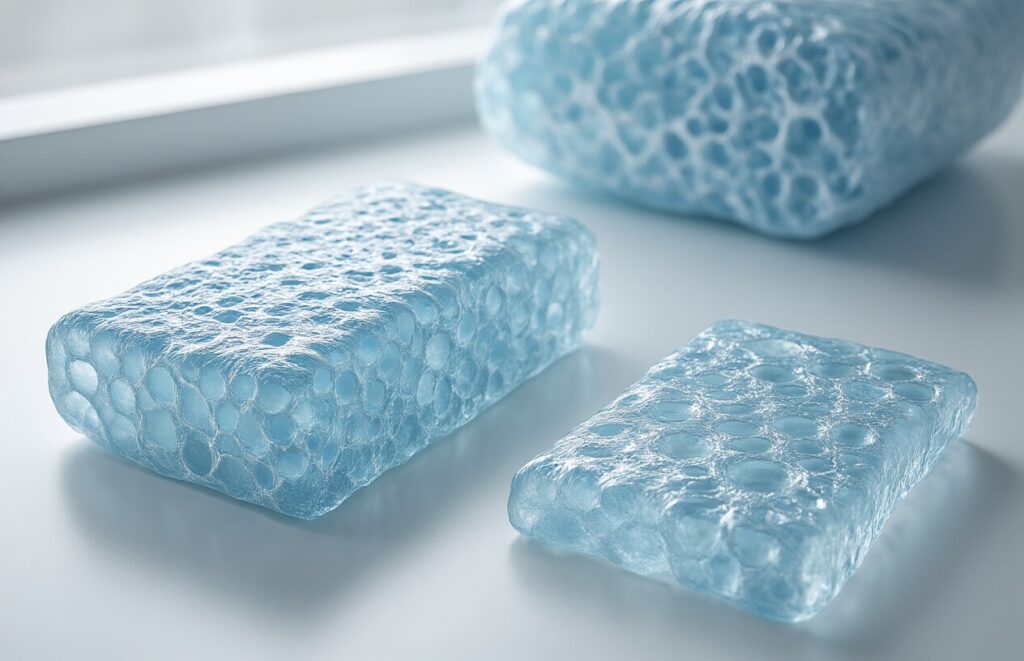
Unique silica aerogel matrix provides superior thermal protection.
Aerogel insulation blankets feature a remarkable silica aerogel matrix that creates an incredibly porous structure with up to 99% air content. This unique composition traps air molecules within nanoscale pores, preventing convective heat transfer and delivering thermal conductivity values as low as 0.013 W/m·K. The aerogel’s three-dimensional network maintains its insulating properties even under compression, making it perfect for high-temperature applications where traditional materials fail.
Flexible fiber reinforcement enhances handling capabilities.
The aerogel matrix is reinforced with flexible fibers such as glass or ceramic fibers, creating a durable composite that can bend without cracking. This reinforcement allows installers to wrap the blankets around pipes, curves, and irregular surfaces while maintaining structural integrity. The fiber network distributes mechanical stress throughout the blanket, preventing the delicate aerogel from fragmenting during installation or thermal cycling in demanding industrial environments.
Lightweight design reduces installation burden and system weight
| Property | Aerogel Blanket | Traditional Insulation |
| Density | 150-200 kg/m³ | 300-600 kg/m³ |
| Weight reduction | Up to 70% | Baseline |
| Installation time | 50% faster | Standard |
The low-density construction of aerogel blankets dramatically reduces system weight compared to conventional insulation materials. This weight advantage translates into faster installation times, reduced structural support requirements, and lower transportation costs. Workers can handle larger sections with less fatigue, improving productivity and safety on job sites where every pound matters for equipment performance and structural loading.
Mechanical Strength Properties That Maximize Performance
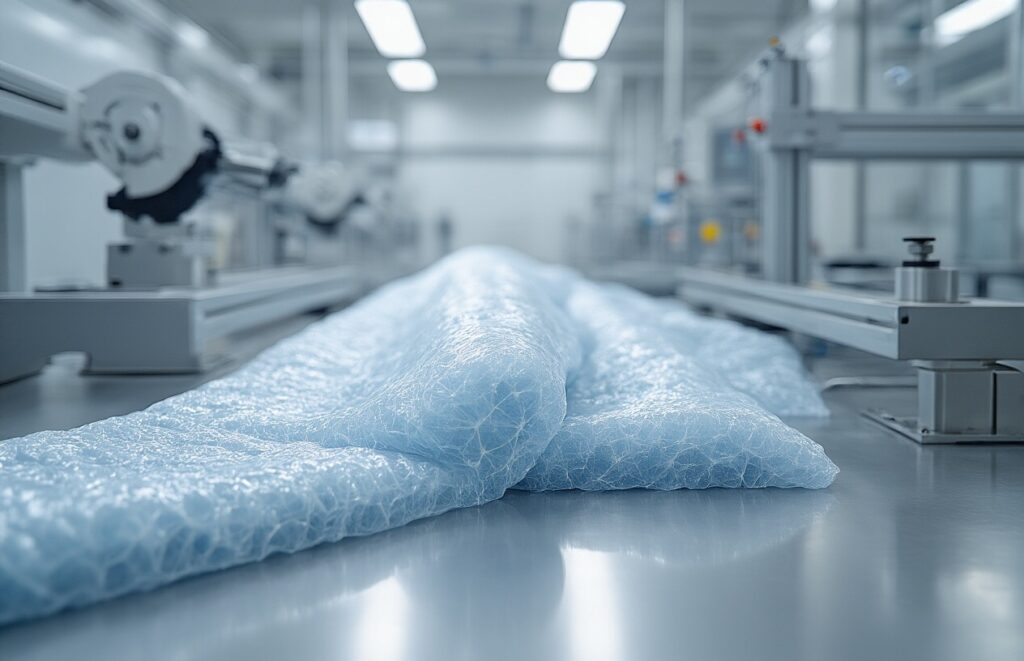
Compressive Strength Withstands High-Pressure Applications
Aerogel blankets excel under crushing loads while maintaining their insulating properties. These materials resist deformation when squeezed between pipes, equipment, or structural components. High-quality aerogel insulation typically handles pressures up to 14 psi without significant thickness loss, making it perfect for tight spaces where traditional insulation would compress and fail.
Tensile Strength Prevents Tearing During Installation and Use
The fiber reinforcement in aerogel blankets creates exceptional tear resistance during handling and installation. Workers can stretch and manipulate these blankets around complex geometries without worrying about damage. This durability translates to faster installation times and reduced material waste on job sites.
Puncture Resistance Protects Against Sharp Objects and Debris
Sharp edges, protruding bolts, and construction debris pose constant threats to the integrity of insulation. Aerogel blankets feature robust outer layers that resist punctures while maintaining flexibility. This protection prevents moisture infiltration and thermal bridging that could compromise the entire insulation system.
Temperature Cycling Maintains Structural Integrity Over Time
Repeated heating and cooling cycles can destroy conventional insulation materials due to the stresses caused by expansion and contraction. Aerogel blankets maintain their mechanical properties across the temperature range of -200°F to 1200°F. The silica aerogel core doesn’t experience significant thermal expansion, while the fiber matrix accommodates minor movements without cracking or delamination.
Flexibility Benefits for Real-World Applications
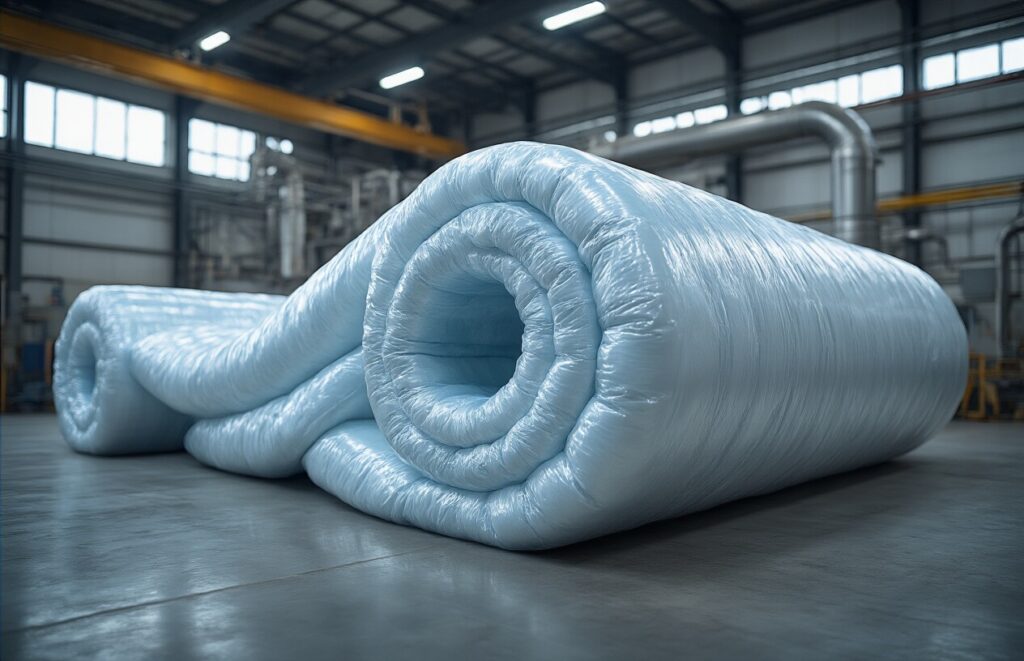
Conformability around complex shapes and piping systems
Aerogel blankets excel at wrapping around irregular surfaces, valves, and curved piping without losing thermal performance. Their flexible matrix allows for seamless coverage of complex industrial geometries where rigid insulation boards would create gaps or require extensive cutting and fitting.
Bendability enables installation in tight spaces.
The bendable nature of aerogel blankets makes installation possible in cramped mechanical rooms and confined equipment spaces. Workers can fold and maneuver the material through narrow openings and around obstacles, reducing installation time while maintaining continuous insulation coverage that prevents thermal bridging.
Recovery properties maintain insulation effectiveness after compression
Aerogel blankets return to their original thickness after being compressed during installation or maintenance. This elastic recovery preserves the low-density structure essential for thermal performance, ensuring long-term insulation effectiveness even in applications where the material is subject to regular handling or equipment vibration.
Testing Standards and Performance Metrics
ASTM Testing Protocols Ensure Reliable Strength Measurements
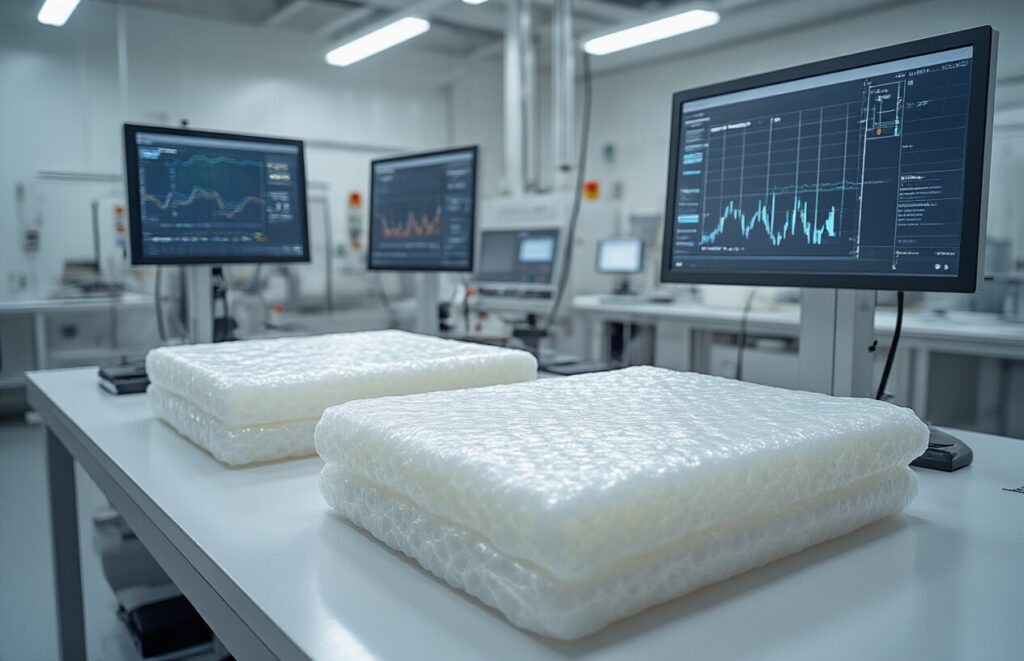
ASTM standards provide the foundation for measuring aerogel blanket mechanical properties through standardized compression, tensile, and flexural testing methods. These protocols establish consistent parameters for load application rates, sample dimensions, and environmental conditions, allowing manufacturers to generate comparable data across different products and batches.
Flexibility Testing Methods Validate Real-World Performance
Bend radius testing and cyclic flexure assessments simulate actual installation conditions in which blankets must conform to curved surfaces and withstand repeated movement. These evaluations measure the retention of thermal properties after mechanical stress, ensuring that the aerogel matrix maintains its insulating performance throughout its service life while accommodating thermal expansion and structural movement.
Comparing Performance Against Traditional Insulation Materials
Superior strength-to-weight ratio outperforms conventional options.
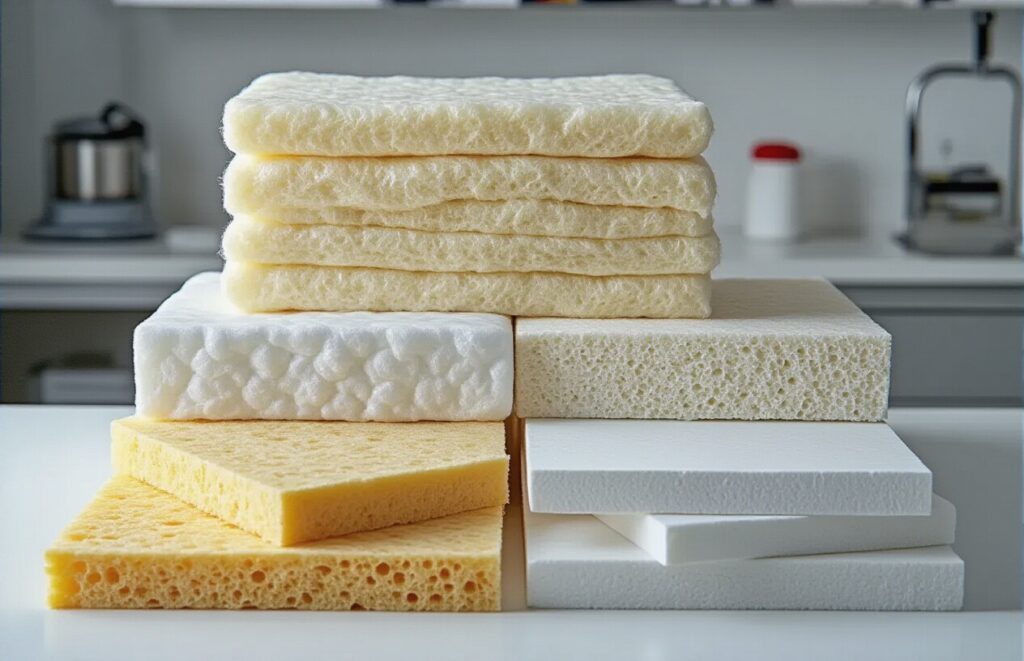
Aerogel blankets deliver exceptional mechanical performance while weighing up to 80% less than traditional fiberglass or mineral wool insulation. This remarkable strength-to-weight ratio means installers can handle larger sections without modifying structural support, significantly reducing both material and labor costs.
Enhanced flexibility reduces installation time and costs.
The bendable nature of aerogel blankets allows for seamless installation around complex geometries, pipes, and irregular surfaces without cutting or piecing together multiple sections. Traditional rigid foam boards require precise measuring, cutting, and sealing, often creating thermal bridges that compromise overall system performance and increase installation complexity.
Combined properties deliver unmatched thermal efficiency
| Property | Aerogel Blankets | Fiberglass | Mineral Wool |
| Thermal Conductivity | 0.013-0.014 W/m·K | 0.032-0.044 W/m·K | 0.038-0.052 W/m·K |
| Thickness Required | 10-15mm | 50-100mm | 60-120mm |
| Weight per m² | 1-3 kg | 8-15 kg | 10-20 kg |
Longevity advantages provide better return on investment
Aerogel blankets maintain their thermal and mechanical properties for decades without sagging, settling, or moisture absorption, which plague conventional materials. While initial costs are higher, the extended service life, reduced maintenance requirements, and consistent performance create total cost savings of 15-30% over 20 years compared to traditional insulation systems.
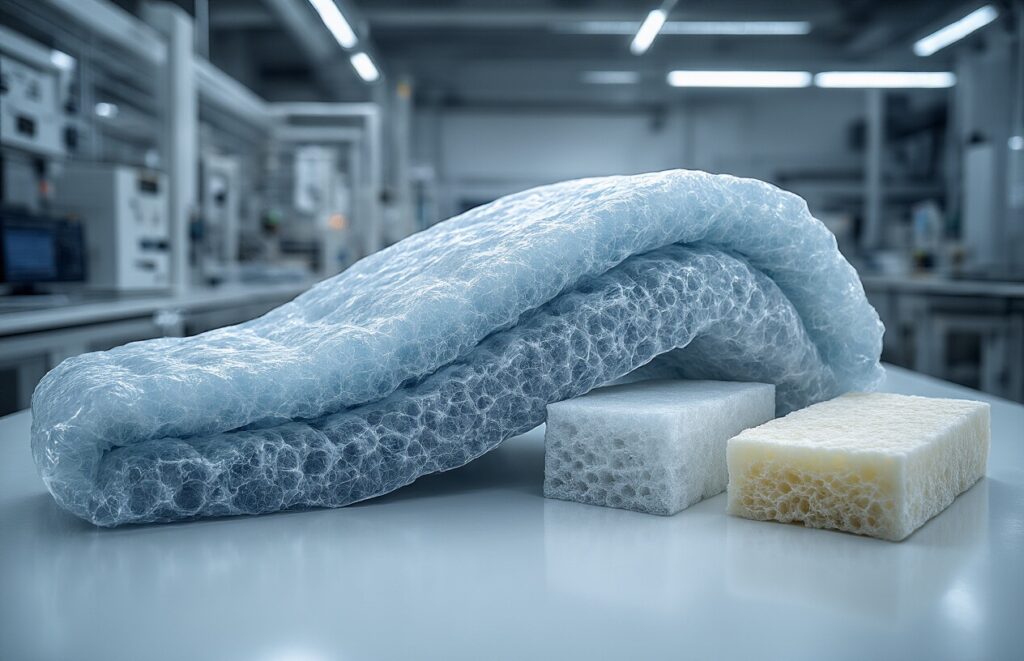
Aerogel insulation blankets offer an impressive combination of mechanical strength and flexibility that sets them apart from traditional insulation options. Their unique composition and structure deliver reliable performance while maintaining the bendability needed for complex installations. When you look at the testing standards and performance metrics, these blankets consistently outperform conventional materials in both durability and adaptability.
The real game-changer is how these blankets handle the demands of actual job sites. Their mechanical strength means they won’t tear or degrade easily. At the same time, their flexibility lets you wrap them around pipes, fit them into tight spaces, and install them in challenging configurations without compromising their insulating properties. If you’re dealing with applications where both durability and versatility matter, aerogel insulation blankets are worth serious consideration for your next project.