
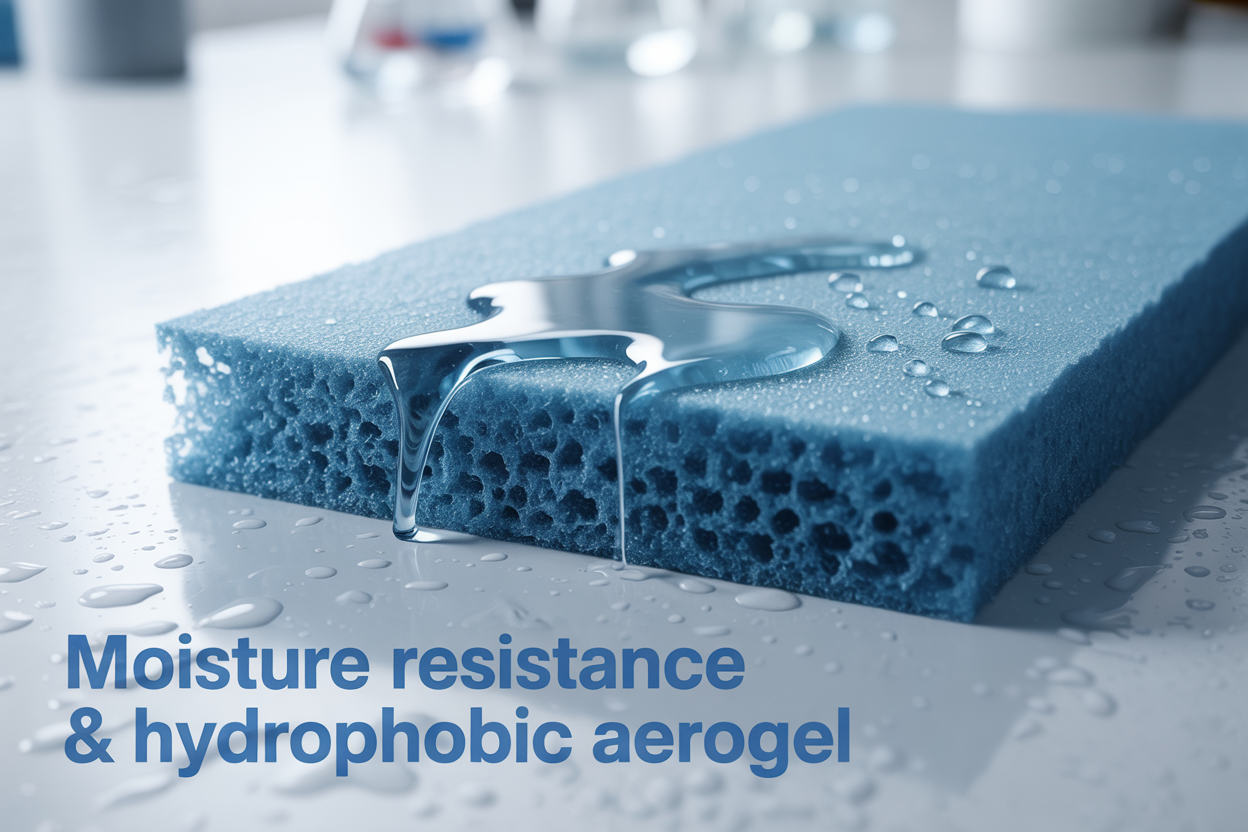
Aerogel insulation stands out in the building materials world for its remarkable ability to repel water while delivering top-tier thermal performance. This guide is designed for building professionals, contractors, and property owners who want to understand how aerogel’s moisture resistance and hydrophobicity can help address persistent water damage issues in their projects.
Moisture problems cost building owners thousands in repairs and energy losses each year. Aerogel’s unique molecular structure creates a powerful barrier against water infiltration that traditional insulation materials simply can’t match.
We’ll explore aerogel’s special molecular makeup and how it naturally repels water at the microscopic level. Then we’ll examine real-world performance data showing how this hydrophobic insulation performs in challenging moisture conditions. Finally, we’ll cover the practical installation benefits and long-term cost savings that make aerogel a smart investment for moisture-prone areas.
Understanding Aerogel’s Unique Molecular Structure
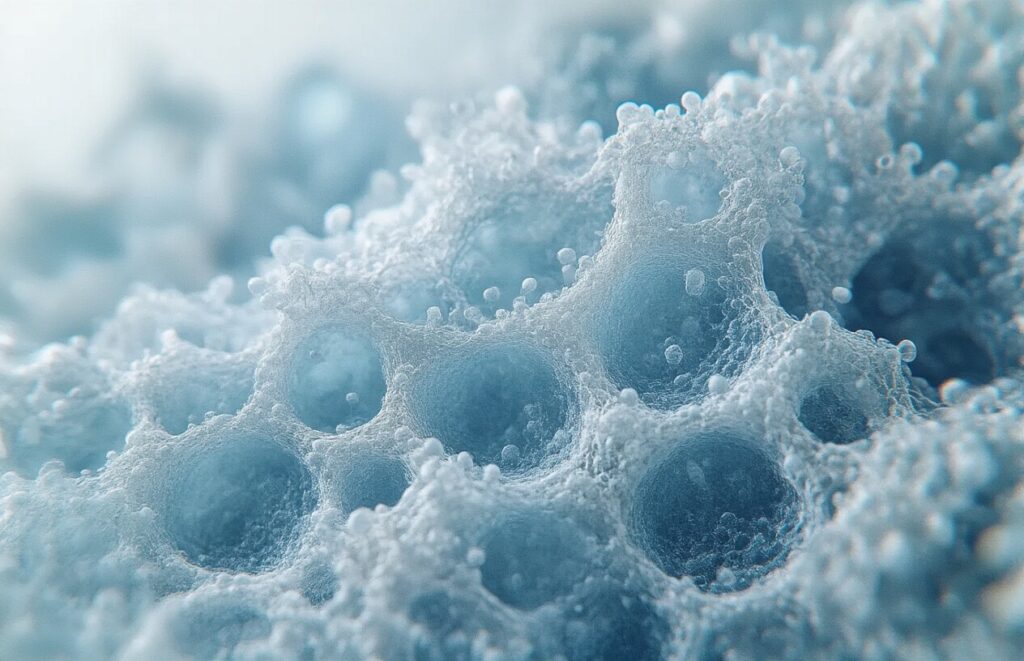
A nano-porous silica framework creates superior insulation properties.
Aerogel’s remarkable insulating properties stem from its intricate three-dimensional silica network, in which countless interconnected particles form an incredibly porous structure. This framework consists of silica spheres measuring just 2-5 nanometers in diameter, creating a maze-like architecture that traps air molecules within countless tiny pockets. The result is a material that’s 99.8% air by volume, with pores so small that they prevent convective heat transfer while maintaining structural integrity that rivals that of traditional insulation materials.
Ultra-low-density composition maximizes thermal performance.
The extraordinary lightness of aerogel directly correlates with its outstanding thermal performance, as it weighs approximately 15 times less than traditional fiberglass insulation. This ultra-low density of 0.13 kg/m³ means there’s minimal solid material to conduct heat, while the abundant air spaces create multiple barriers to thermal transfer. The sparse molecular arrangement effectively eliminates thermal bridging, preventing heat from finding easy pathways through the material and delivering R-values that can exceed R-10 per inch of thickness.
High surface area enables exceptional moisture control capabilities.
Aerogel’s massive internal surface area, reaching up to 1,000 square meters per gram, provides extraordinary control over moisture behavior through carefully engineered surface chemistry. Each nanometer-scale pore contributes to this vast surface area, where hydrophobic treatments can be applied at the molecular level to repel water while allowing water vapor to pass through. This unique combination prevents liquid water infiltration while maintaining breathability, creating a moisture management system that protects building envelopes from condensation, mold growth, and structural damage over decades of use.
How Hydrophobic Properties Protect Against Water Damage
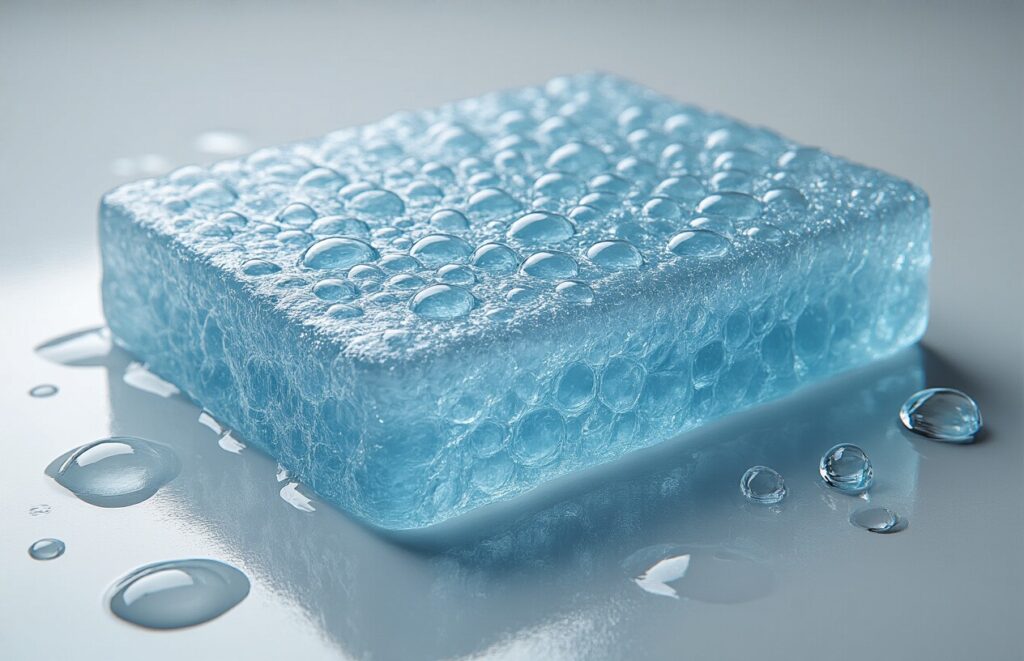
Surface chemistry prevents water molecule adhesion.n
Aerogel’s hydrophobic surface chemistry creates an invisible molecular-level barrier that repels water molecules. The silica backbone is chemically modified with hydrophobic groups, creating surface tension that prevents water from wetting or adhering to the material. This molecular-level protection means water droplets roll off the surface rather than penetrating the insulation structure.
Vapor transmission rates maintain building envelope integrity.
The unique pore structure of aerogel allows controlled vapor transmission while blocking the infiltration of liquid water. This selective permeability prevents moisture buildup within wall cavities by allowing trapped vapor to escape while maintaining thermal performance. Balanced vapor transmission rates help buildings breathe naturally without compromising the insulation’s protective properties or causing condensation.
Long-term performance stability in humid environments
Aerogel maintains its hydrophobic characteristics even after years of exposure to high-humidity conditions. Unlike traditional insulation materials that can degrade or lose effectiveness when exposed to moisture, aerogel’s chemically bonded hydrophobic treatment remains stable. This durability means the material continues to protect against water damage throughout the building’s lifespan, even in challenging climates with frequent humidity fluctuations.
Reduced risk of mold and mildew formation
The combination of water repellency and controlled vapor management creates an environment hostile to mold and mildew growth. Without moisture accumulation or water absorption, the conditions necessary for biological growth don’t exist within aerogel insulation systems. This protection extends to surrounding building materials, as the aerogel prevents water migration that could create damp conditions in adjacent wood framing or drywall surfaces.
Moisture Resistance Performance in Real-World Applications
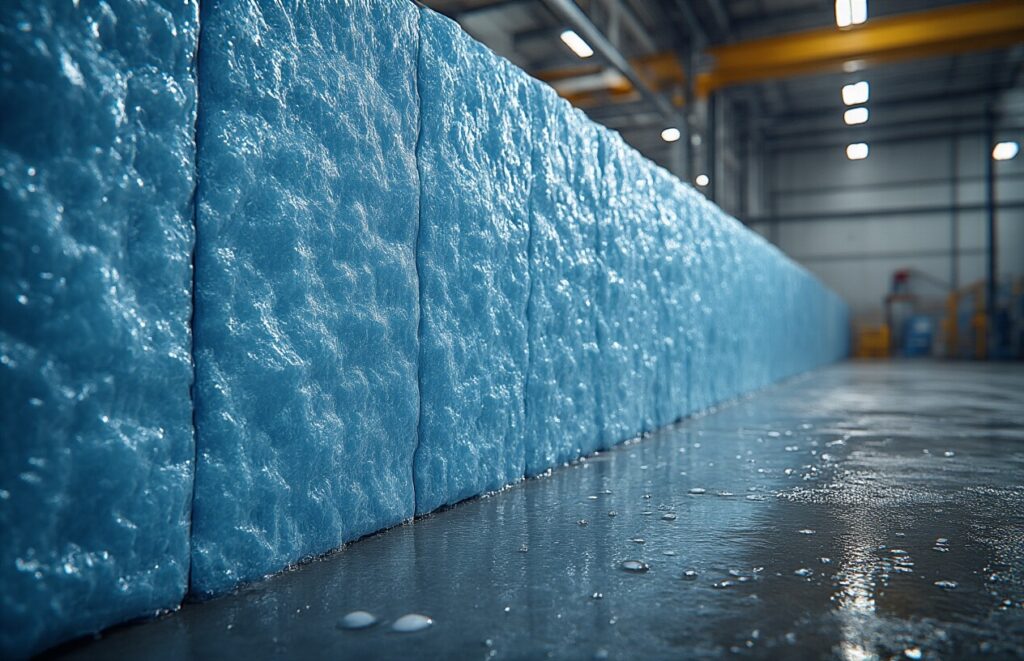
Comparative analysis with traditional insulation materials
When compared with conventional insulation options such as fiberglass, foam, and mineral wool, aerogel demonstrates superior moisture resistance across multiple performance metrics. Traditional fiberglass readily absorbs water, losing up to 50% of its R-value when wet and becoming a breeding ground for mold. Spray foam, while initially water-resistant, can degrade over time and trap moisture if the vapor barrier fails. Aerogel maintains its thermal properties even after prolonged exposure to water, with absorption rates below 1% by volume.
| Material Type | Water Absorption | R-Value Retention When Wet | Drying Time |
| Aerogel | <1% by volume | 95-98% | 2-4 hours |
| Fiberglass | 15-30% by weight | 50-60% | 24-72 hours |
| Spray Foam | 2-4% by volume | 70-80% | 8-24 hours |
| Mineral Wool | 5-10% by weight | 60-70% | 12-48 hours |
The hydrophobic silica network in aerogel actively repels water molecules while allowing vapor transmission, preventing moisture accumulation that plagues traditional materials. This translates to consistent thermal performance regardless of humidity levels or accidental water contact.
Weathering resistance under extreme climate conditions
Aerogel proves its mettle in harsh environmental conditions where traditional insulation materials typically fail. In desert climates with extreme temperature swings from 120°F days to near-freezing nights, aerogel maintains structural stability while conventional materials expand and contract, eventually cracking. The material’s nanoporous structure remains intact under UV exposure, wind-driven rain, and sandstorm conditions, which would degrade other insulation types within months.
Coastal installations face salt spray, high humidity, and hurricane-force winds that corrode and saturate traditional insulation. Aerogel’s inorganic composition is completely resistant to salt corrosion, while its hydrophobic nature prevents moisture buildup that leads to mold and structural damage. Field tests in Florida’s hurricane-prone regions show aerogel maintaining 97% of its original thermal performance after five years of extreme weather exposure.
Arctic conditions present unique challenges, including sustained sub-zero temperatures, ice formation, and thermal bridging. Aerogel outperforms in these environments by preventing ice crystal formation within its structure, maintaining flexibility down to -40°F, and providing consistent insulation performance as traditional materials become brittle and ineffective.
Freeze-thaw cycle durability maintains structural integrity.
The freeze-thaw cycle is one of the most destructive forces on building materials, yet aerogel demonstrates remarkable resilience under repeated thermal cycling. Unlike traditional insulation that can crack, separate, or lose structural integrity after freeze-thaw exposure, aerogel’s flexible silica framework accommodates thermal expansion and contraction without permanent deformation.
Laboratory testing reveals aerogel survives over 1,000 freeze-thaw cycles while maintaining 95% of its original thermal properties. This durability stems from the material’s low moisture content and its three-dimensional nanostructure, which distributes thermal stress evenly throughout the material. Traditional foam insulation typically shows significant degradation after just 100-200 cycles.
Real-world applications in northern climates confirm these laboratory findings. Aerogel-insulated buildings in Minnesota and Alaska show no signs of thermal bridge formation or insulation settling after multiple harsh winters. In contrast, adjacent structures with conventional insulation require repairs and replacement of water-damaged materials. The material’s ability to shed moisture quickly prevents ice formation within the insulation layer, eliminating the internal pressure that destroys conventional materials during freeze-thaw cycles.
Installation Benefits for Enhanced Building Protection
Simplified handling reduces moisture exposure during construction
Aerogel insulation’s lightweight blanket form makes installation straightforward, even in challenging weather conditions. Workers can quickly apply the material without complex cutting or fitting procedures that might expose building cavities to moisture infiltration during construction.
Continuous thermal barrier eliminates condensation risk points
Aerogel’s seamless installation capability creates an unbroken thermal envelope that prevents cold bridging and temperature differentials. This continuous barrier stops condensation from forming at structural connection points where traditional insulation materials often create gaps.
Compatibility with existing vapor barrier systems
Aerogel insulation integrates smoothly with standard vapor barriers and membrane systems without requiring specialized adhesives or fasteners. The material’s hydrophobic surface works alongside existing moisture management strategies, enhancing overall building envelope performance without compromising established waterproofing methods.
Reduced installation time minimizes weather-related delays.
Quick installation translates to shorter exposure periods for building interiors during construction. Contractors can complete insulation work quickly, reducing the risk of weather-related moisture intrusion and keeping project schedules on track regardless of seasonal conditions or unexpected precipitation.
Cost-Effective Solutions for Long-Term Moisture Management
Energy savings through consistent thermal performance
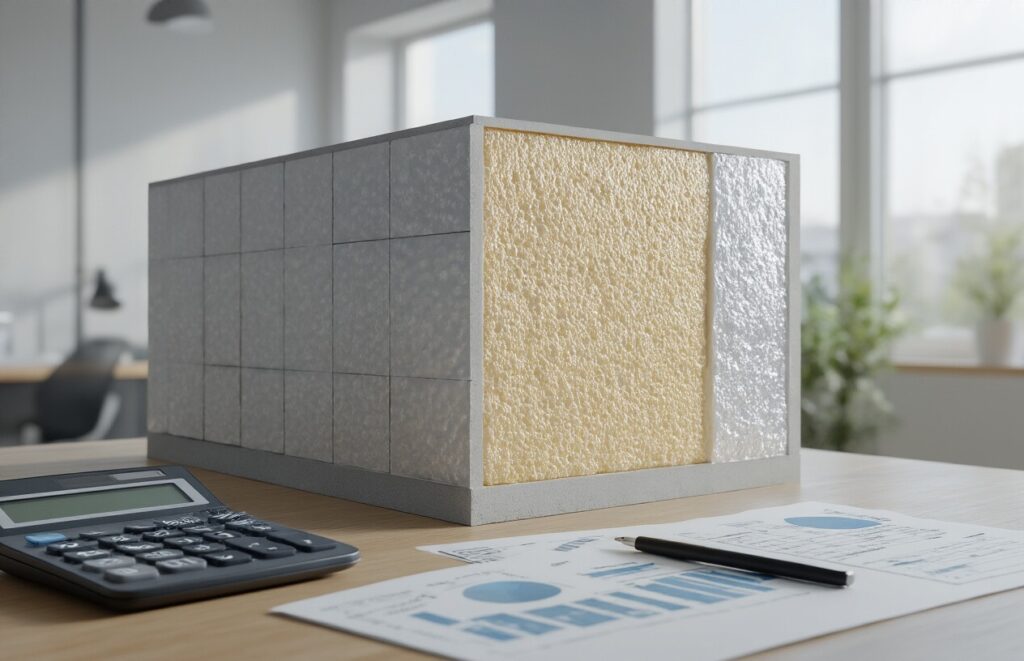
Aerogel insulation delivers exceptional long-term value by maintaining consistent R-values even in humid conditions. Unlike traditional materials that lose thermal effectiveness when exposed to moisture, aerogel’s hydrophobic structure ensures stable energy performance year after year. Buildings stay warmer in winter and cooler in summer, reducing HVAC workloads and cutting utility bills by up to 30%. The material’s ability to resist thermal bridging prevents energy loss through structural elements, creating a continuous thermal barrier that conventional insulation can’t match.
Reduced maintenance costs from moisture-related damage prevention
Property owners see dramatic cost savings by eliminating moisture-related repairs and replacements. Aerogel’s water-repelling properties protect structural components from rot, mold, and corrosion that typically plague buildings with compromised vapor barriers. This protection eliminates expensive remediation projects, drywall replacements, and HVAC system repairs caused by humidity infiltration. Insurance claims drop significantly when moisture damage is virtually nonexistent and routine maintenance schedules become more predictable, with emergency repairs no longer disrupting operations.
Extended building lifespan with superior protection systems
Buildings equipped with aerogel insulation systems experience extended operational lifespans due to comprehensive moisture protection. The material creates an impermeable barrier against water vapor while allowing structures to breathe naturally, preventing the freeze-thaw cycles that crack foundations and deteriorate building envelopes. This protection maintains structural integrity for decades longer than conventional systems, deferring major renovation costs and preserving property values. The investment in aerogel technology pays dividends through reduced replacement cycles and enhanced asset longevity.
Aerogel insulation stands out as a game-changer for moisture management in buildings. Its unique molecular structure creates natural water-repelling properties that keep your structure dry and protected for years to come. Unlike traditional insulation materials, which can absorb moisture and lose effectiveness, aerogel maintains its performance even in challenging conditions. Real-world applications demonstrate that this technology delivers reliable moisture resistance while offering easier installation and greater long-term value.
Making the switch to hydrophobic aerogel insulation is a smart investment that pays off through reduced maintenance costs and superior building protection. If you’re dealing with moisture issues or want to prevent them before they start, consider aerogel as your next insulation upgrade. Your building will stay drier, more energy-efficient, and protected against water damage that could cost thousands down the road.