
Aerogel insulation commands premium prices, but homeowners and contractors often wonder if the advanced material delivers enough energy savings to justify the upfront investment. This revolutionary insulation offers exceptional thermal performance in ultra-thin applications, making it attractive for space-constrained projects and high-efficiency building goals.
This analysis is designed for homeowners planning major renovations, builders working on energy-efficient projects, and property investors evaluating long-term cost benefits. We’ll break down the real costs versus potential savings to help you make an informed decision.
We’ll examine the initial investment costs and budget considerations, exploring what drives aerogel’s premium pricing and how it compares to traditional insulation options. You’ll also discover the key advantages that justify the higher price point, from superior thermal performance to space-saving benefits. Finally, we’ll analyze the return-on-investment timeline and identify specific scenarios where aerogel insulation makes the most financial sense for your project.
Understanding Aerogel Insulation and Its Unique Properties
What Makes Aerogel the World’s Lightest Solid Material
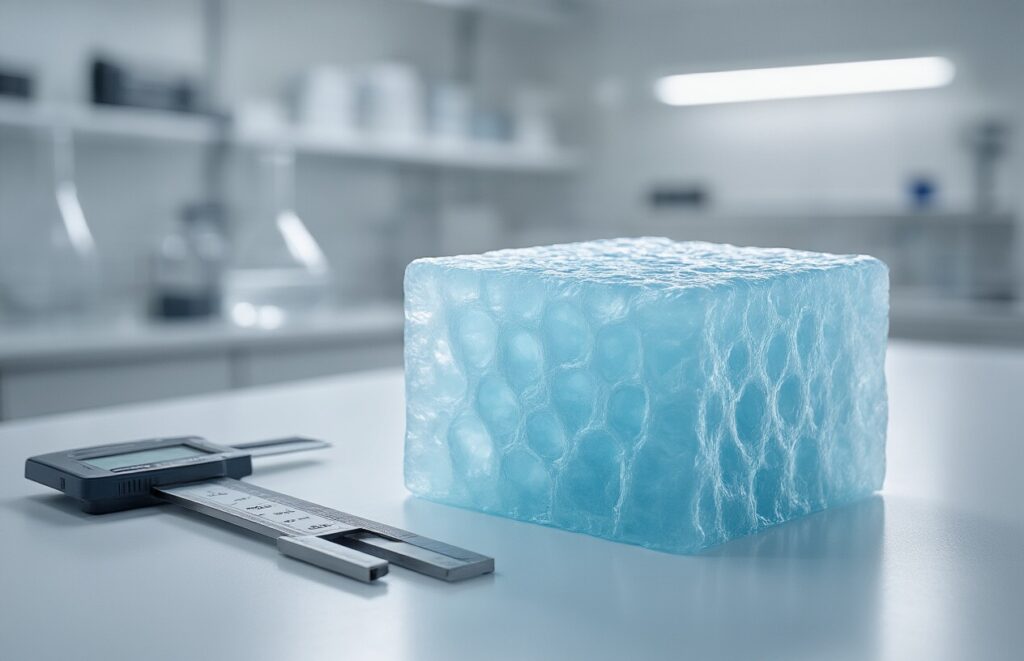
Aerogel earns its reputation as the world’s lightest solid because it’s made up of 99.8% air trapped within an ultra-fine silica network. This remarkable structure creates a material that’s almost weightless yet incredibly strong, earning the nickname “frozen smoke” due to its translucent, ghost-like appearance.
The manufacturing process involves removing liquid from a gel while preserving its solid structure, creating millions of tiny air pockets. These nanoscale pores give aerogel its extraordinary insulating properties while maintaining structural integrity capable of supporting thousands of times its own weight.
Superior Thermal Performance Compared to Traditional Insulation
| Insulation Type | R-Value per Inch | Thickness Needed |
| Aerogel Blankets | R-10 to R-14 | 1 inch |
| Fiberglass | R-3.2 to R-3.8 | 3-4 inches |
| Foam Board | R-5 to R-6 | 2-3 inches |
| Spray Foam | R-6 to R-7 | 2 inches |
Aerogel delivers three to four times better thermal resistance than conventional insulation materials. This means you get the same insulating power with much thinner applications, making it perfect for space-constrained projects where every inch counts.
Moisture Resistance and Fire Safety Benefits
Aerogel naturally repels water while allowing vapor transmission, preventing moisture buildup that can lead to mold and structural damage. This hydrophobic property maintains insulation effectiveness even in humid environments where traditional materials might fail.
Fire safety becomes a major advantage with aerogel’s exceptional heat resistance. The material can withstand temperatures exceeding 1,200°F without melting or releasing toxic gases, providing crucial protection in extreme conditions while maintaining its insulating properties.
Applications in Residential and Commercial Buildings
Residential Applications:
- Basement and crawl space insulation
- Window and door frame sealing
- Roof and attic spaces with limited clearance
- Historic home renovations requiring thin profiles
Commercial Applications:
- Industrial piping and equipment insulation
- Cold storage facilities
- Data centers require precise temperature control.
- Aerospace and automotive industries
The versatility of aerogel makes it suitable for both new construction and retrofit projects where space constraints or extreme performance requirements justify the premium cost.
Initial Investment Costs and Budget Considerations

Price Per Square Foot Compared to Fiberglass and Foam
Aerogel insulation costs between $2 and $ 4 per square foot, making it roughly 5-10 times more expensive than standard fiberglass batts ($0.40-0.70 per square foot) and 2-3 times pricier than spray foam ($1-2 per square foot). This dramatic price difference often causes sticker shock for homeowners accustomed to traditional insulation materials.
Labor and Installation Cost Factors
Professional installation adds $1-3 per square foot to your total project cost, depending on application complexity and regional labor rates. Aerogel blankets require specialized handling techniques and protective equipment, which can extend installation time by 20-30% compared to conventional materials. Some contractors charge premium rates for working with this advanced material due to its unique properties and handling requirements.
Hidden Expenses and Additional Materials Required
| Additional Cost | Price Range | Purpose |
| Vapor barriers | $0.15-0.30/sq ft | Moisture protection |
| Specialty fasteners | $0.10-0.25/sq ft | Secure attachment |
| Protective gear | $50-100 total | Safe installation |
| Air sealing materials | $0.20-0.40/sq ft | Complete thermal envelope |
These supplementary costs can add 15-25% to your base material expenses, bringing the true installed cost closer to $4-6 per square foot for a complete aerogel insulation system.
Key Advantages That Justify the Premium Price
Space-Saving Benefits with Thinner Installation Requirements
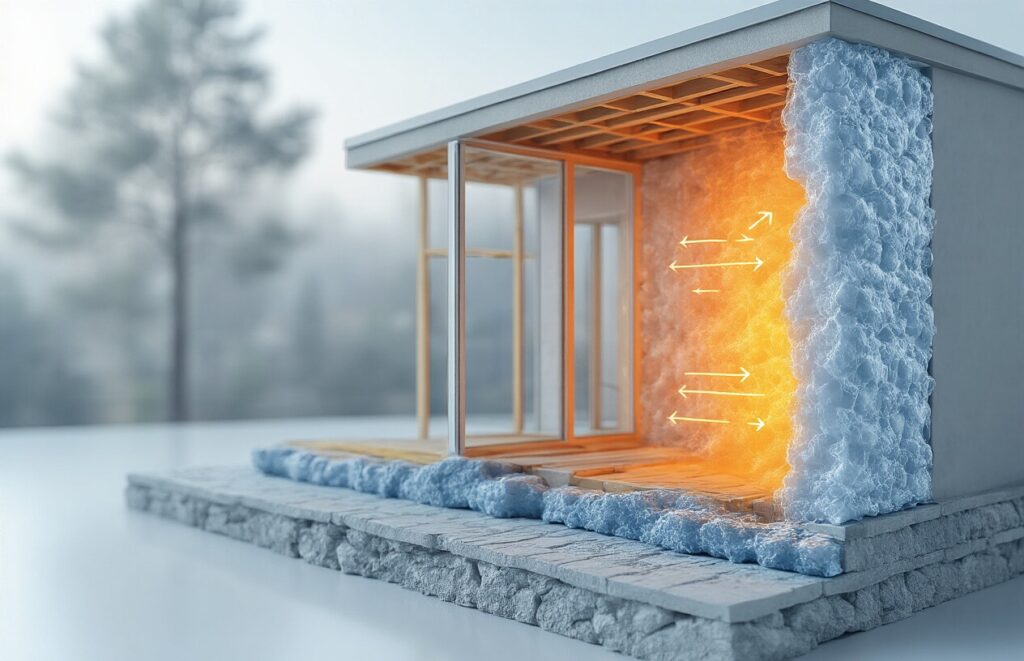
Aerogel insulation delivers exceptional thermal performance in remarkably thin applications, often requiring just 10-20mm thickness compared to 100-200mm for traditional materials. This space-saving advantage proves invaluable in retrofits, tight spaces, and applications where every inch matters, such as historic renovations or urban housing projects.
Energy Savings and Reduced HVAC System Strain
The superior thermal resistance of aerogel translates into dramatic energy savings, often reducing heating and cooling costs by 30-50%. Buildings maintain stable temperatures with less HVAC cycling, extending equipment lifespan and reducing maintenance needs. This efficiency gain becomes particularly pronounced in extreme climates where temperature differentials demand peak system performance.
Long-Term Durability and Maintenance-Free Performance
Unlike traditional insulation that degrades over time, aerogel maintains its thermal properties for decades without settling, absorbing moisture, or degrading in performance. This stability eliminates the need for replacement or top-up installations, making the higher upfront cost a one-time investment rather than a recurring expense.
Enhanced Comfort and Temperature Consistency
Aerogel’s exceptional thermal barrier eliminates hot and cold spots, creating uniform temperatures throughout spaces. Occupants experience improved comfort with reduced drafts and temperature swings, while condensation problems become virtually non-existent due to the material’s moisture resistance and thermal bridging prevention.
Potential Drawbacks and Limitations to Consider
High Upfront Investment Barriers for Budget-Conscious Projects
Aerogel insulation carries a premium price tag that can shock homeowners and contractors alike. The material costs 10-15 times as much as traditional fiberglass insulation, making it a tough sell for tight budgets. Even small residential projects can see insulation costs balloon from hundreds to thousands of dollars when switching to aerogel.
Limited Availability and Specialized Installation Requirements
Finding aerogel insulation products can prove challenging since most local suppliers don’t stock these specialty materials. Installation requires trained professionals familiar with aerogel’s unique handling needs, creating another barrier. Many contractors lack experience with aerogel, potentially leading to improper installation or voided warranties if DIY installation goes wrong.
Fragility During Handling and Installation Challenges
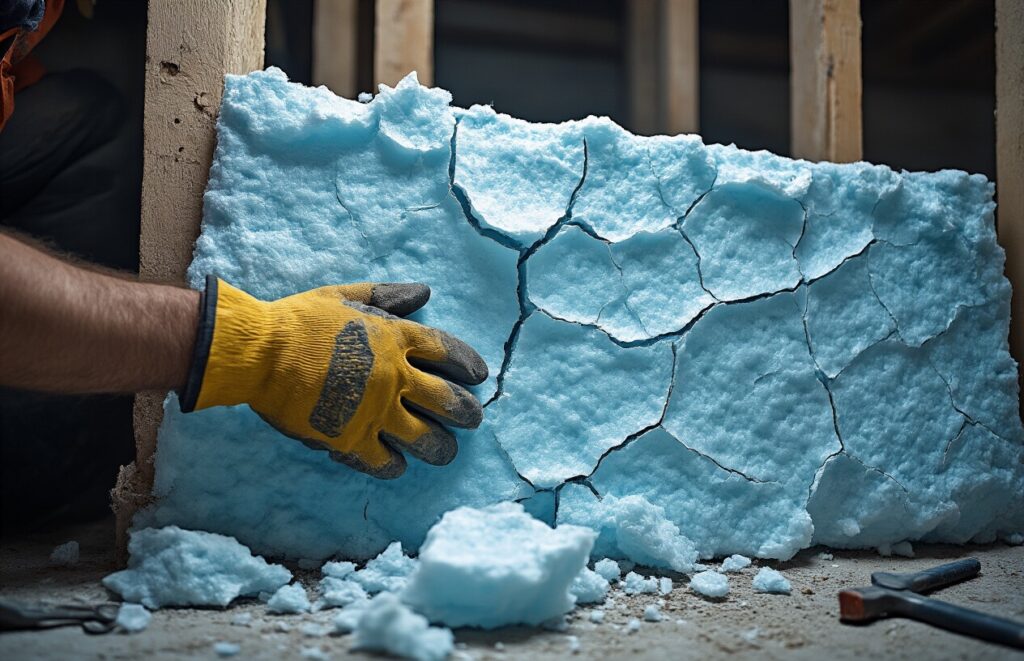
Aerogel blankets are surprisingly delicate and can crack or crumble under rough handling. The material requires careful cutting with specific tools to prevent damage and maintain its insulating properties. Wind and moisture during installation can compromise the material’s integrity, making weather conditions a critical factor in project delays and increased labor costs.
Return on Investment Analysis and Payback Period

Annual Energy Bill Reduction Calculations
Aerogel insulation typically reduces heating and cooling costs by 15-30% compared to traditional materials. For a 2,000-square-foot home with $200 monthly energy bills, this translates to annual savings of $360-$720. The superior thermal performance means your HVAC system works less to maintain comfortable temperatures, creating immediate cost benefits that compound over time.
Property Value Increase and Resale Benefits
| Improvement Type | Average Property Value Increase |
| Premium Insulation | 2-5% |
| Energy Efficiency Upgrades | 3-7% |
| Combined Systems | 5-10% |
Energy-efficient homes sell 20% faster and command premium prices. Aerogel insulation appeals to environmentally conscious buyers and positions your property as a high-performance home. Real estate appraisers increasingly recognize superior insulation as a valuable feature, especially in extreme-climate regions where energy costs are high.
Payback Timeline Comparison with Alternative Insulation Options
| Insulation Type | Initial Cost per sq ft | Annual Savings | Payback Period |
| Fiberglass | $0.50-$1.00 | $150-$300 | 2-4 years |
| Spray Foam | $1.50-$3.00 | $400-$600 | 4-6 years |
| Aerogel | $3.00-$6.00 | $600-$900 | 6-8 years |
While aerogel requires a higher upfront investment, its exceptional performance creates faster payback than expected. The key difference lies in longevity – aerogel maintains its R-value for decades without settling or degrading, unlike cheaper alternatives that lose effectiveness over time.
Long-Term Financial Benefits Over a 20-30 Year Period
Over 20 years, aerogel insulation generates $12,000 to $18,000 in energy savings for typical homes. When factoring in avoided replacement costs and property value increases, total returns often exceed 300-400% of the initial investment. Rising energy prices amplify these benefits, making aerogel a hedge against future utility rate increases that protect your long-term financial position.
Best Use Cases Where Aerogel Insulation Makes Financial Sense
Space-Constrained Projects with Premium Requirements
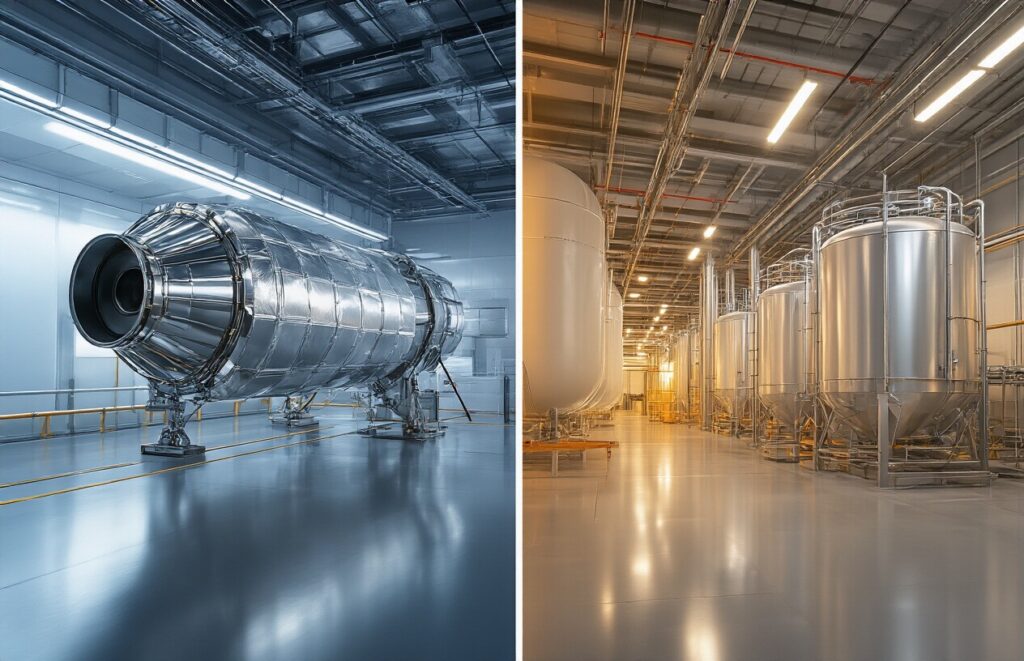
Aerogel insulation becomes financially justified when space is at a premium and performance can’t be compromised. Tiny homes, RVs, marine vessels, and urban high-rises with strict dimensional requirements benefit from aerogel’s exceptional R-value per inch. While traditional insulation might require 6-8 inches of thickness, aerogel achieves equivalent performance in just 2-3 inches, preserving valuable square footage that translates directly to higher property values or improved functionality.
Extreme Climate Conditions Requiring Maximum Efficiency
Properties in harsh environments like Alaska, desert regions, or high-altitude locations see rapid payback from aerogel’s superior thermal performance. The material excels where temperature differentials are extreme and energy costs are high. In these scenarios, the premium price gets offset by dramatic reductions in heating and cooling expenses, often achieving payback within 5-7 years while providing unmatched comfort and system reliability.
High-End Construction Projects with Energy Performance Goals
Luxury homes, commercial buildings pursuing LEED certification, and net-zero construction projects justify the cost of aerogel through enhanced property values and market positioning. These projects prioritize long-term performance over initial costs, viewing aerogel as an investment in building reputation and marketability. The material helps achieve aggressive energy targets while commanding premium pricing for the finished property.
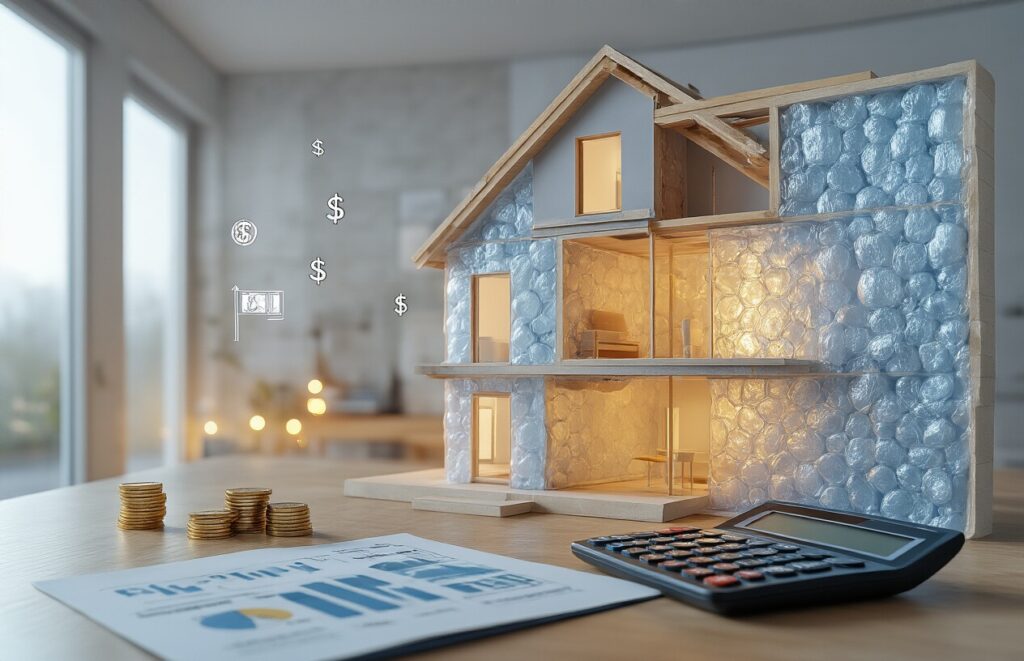
Aerogel insulation stands out as a premium building material that delivers exceptional thermal performance in tight spaces where traditional insulation falls short. While the upfront costs can be 5-10 times higher than conventional options, the long-term energy savings, space efficiency, and durability often make it a smart investment for the right applications. The technology particularly shines in commercial buildings, historic renovations, and spaces with extreme temperature requirements where maximizing R-value per inch is critical.
Before making the jump to aerogel, carefully evaluate your specific situation against the factors we’ve covered. If you’re dealing with space constraints, need superior thermal performance, or are working on a project where long-term energy efficiency outweighs initial costs, aerogel could pay for itself within 7-15 years. For most residential applications with ample space for traditional insulation, the math might not add up. The key is matching the right insulation technology to your project’s unique needs and budget reality.