
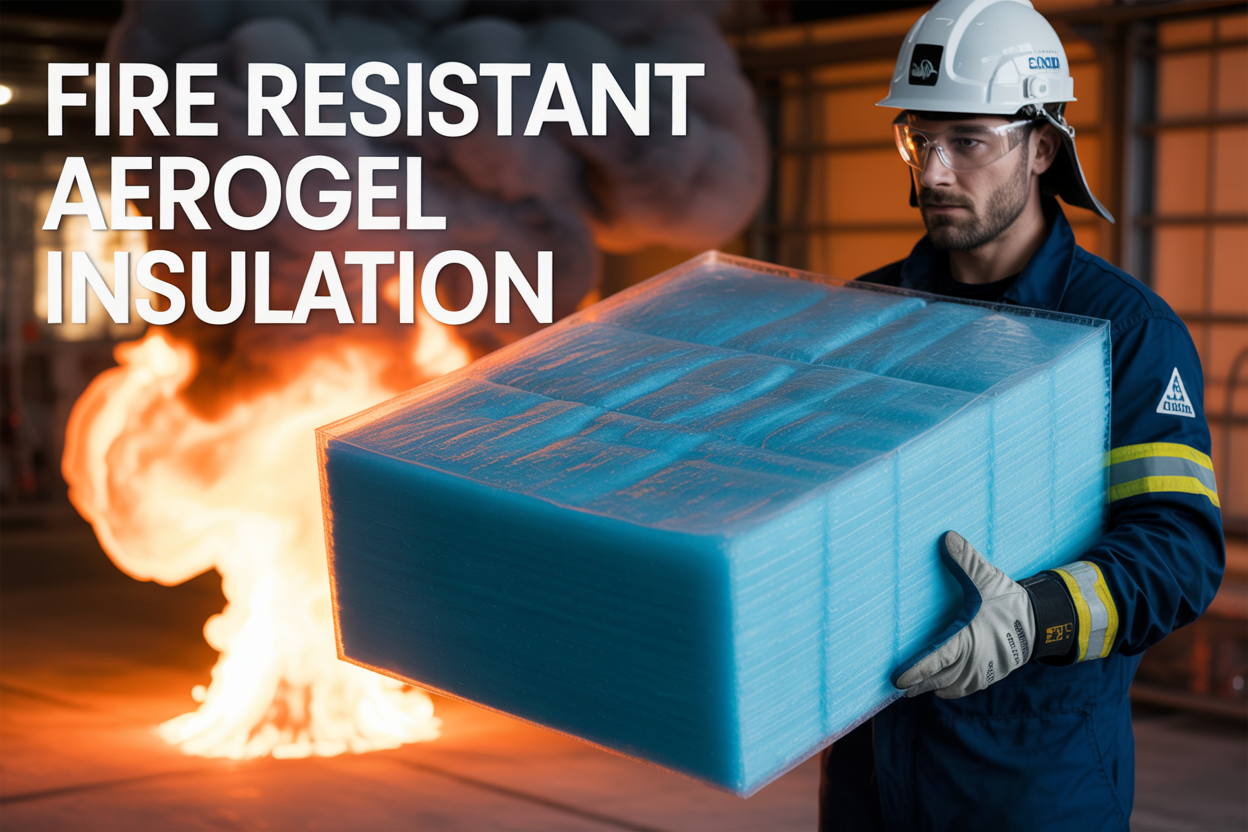
Silica aerogel insulation blankets are game-changers for fire protection and extreme-temperature resistance. These ultra-lightweight materials can handle temperatures exceeding 1000°C while maintaining their insulating properties, making them essential for engineers, facility managers, and safety professionals working in high-risk industries.
This guide is designed for technical professionals who need to understand how aerogel blankets perform under fire conditions and extreme heat. We’ll break down the unique composition and structure that give silica aerogel its remarkable fire-resistant properties. You’ll also learn about the testing standards and certification requirements that validate these materials for critical safety applications, plus see real examples of how they’re protecting people and equipment in industries like aerospace, petrochemical, and industrial manufacturing.
Understanding Silica Aerogel Composition and Structure
Ultra-low-density material properties that enhance fire resistance
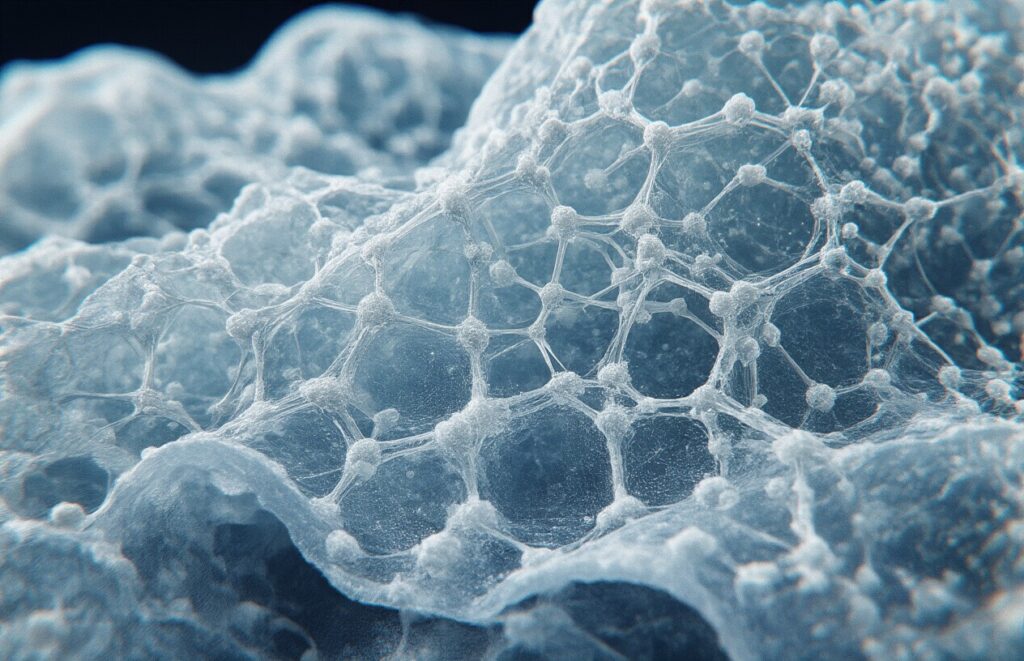
Silica aerogel blankets achieve exceptional fire resistance due to their remarkably low density, typically 0.1-0.2 g/cm³. This ultra-lightweight structure results in a minimal fuel load, meaning there’s simply less material available to burn during a fire. The sparse material distribution allows heat to dissipate rapidly through the interconnected voids rather than accumulate and promote combustion.
Nanoporous structure creates thermal barriers.
The nanoscale pore structure of silica aerogel, with pores measuring 2-50 nanometers, creates extraordinary thermal barriers that prevent heat transfer. Air molecules trapped within these tiny pores cannot move freely enough to conduct heat effectively, while the solid silica framework provides minimal pathways for thermal conduction. This dual-barrier system blocks radiant heat transfer and convective currents, maintaining structural integrity even at temperatures exceeding 1000°C.
Silicon dioxide composition prevents combustion.
Pure silica aerogel consists of 95-99% silicon dioxide (SiO₂), an inherently non-combustible inorganic material that remains chemically stable across a wide temperature range. Unlike organic insulation materials that decompose and release flammable gases when heated, silica maintains its molecular structure without producing combustible byproducts. The absence of carbon-based compounds eliminates the primary fuel source needed for sustained combustion.
Manufacturing process impact on fire resistance characteristics
The sol-gel manufacturing process directly influences fire resistance by controlling the pore-size distribution and the silica network density. Supercritical drying techniques preserve the delicate nanoporous architecture while removing moisture that could compromise performance. Careful control of gelation pH and aging time creates stronger silica bonds that resist thermal degradation, while fiber reinforcement adds structural stability without introducing combustible materials.
Temperature Resistance Capabilities of Aerogel Blankets
Withstanding extreme temperatures up to 1200°C
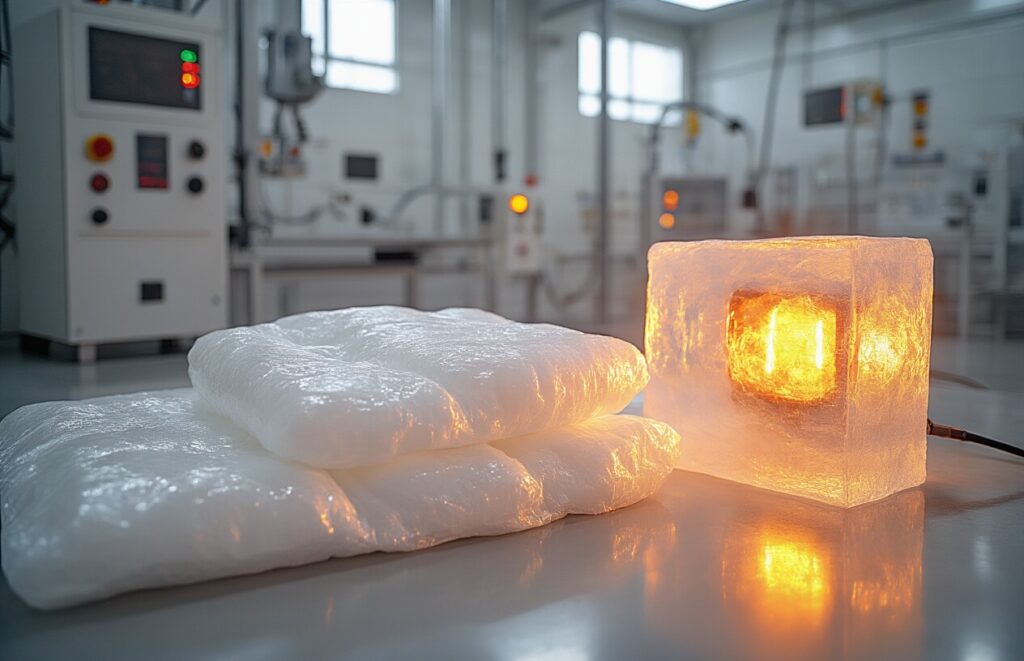
Silica aerogel blankets excel in extreme thermal environments, routinely operating at temperatures reaching 1200°C (2192°F) without degradation. This exceptional heat tolerance stems from the material’s silica backbone, which remains chemically stable at these elevated temperatures. The nanoporous structure creates multiple air pockets that effectively prevent heat transfer while maintaining the blanket’s protective properties.
Maintaining structural integrity under thermal stress
The unique three-dimensional silica network maintains its structural integrity even during rapid temperature fluctuations and prolonged thermal exposure. Unlike conventional insulation materials, which become brittle or lose insulating properties under thermal stress, aerogel blankets retain their flexibility and dimensional stability. This resilience prevents cracking, shrinkage, or material failure that could compromise safety in critical applications where consistent thermal protection is essential.
Superior performance compared to traditional insulation materials
| Property | Aerogel Blankets | Fiberglass | Mineral Wool |
| Max Operating Temperature | 1200°C | 540°C | 750°C |
| Thermal Conductivity | 0.013-0.014 W/mK | 0.040-0.050 W/mK | 0.035-0.040 W/mK |
| Thickness Required | 50% less | Standard | Standard |
Aerogel blankets outperform traditional materials across all key metrics. They require significantly less thickness to achieve equivalent insulation values while withstanding temperatures that would destroy fiberglass or mineral wool alternatives. This superior performance translates to space savings, reduced weight, and enhanced safety margins in demanding industrial applications where thermal protection cannot fail.
Fire Safety Benefits in Critical Applications
Protecting personnel from heat-related injuries
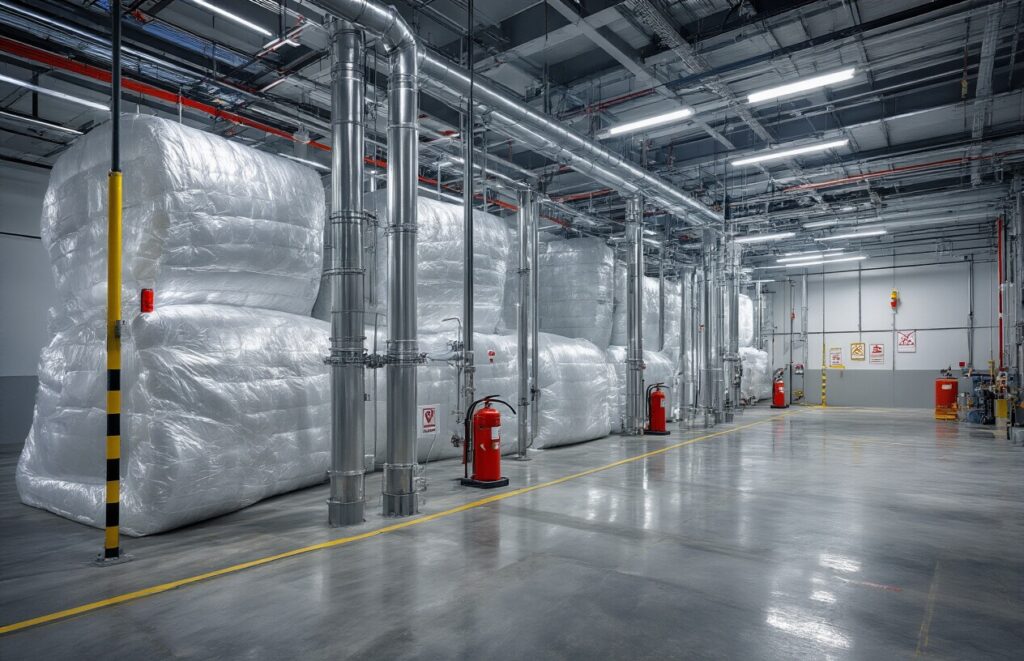
Silica aerogel blankets create a thermal barrier that keeps surface temperatures manageable, even when exposed to extreme heat sources. Workers can safely operate near hot equipment and pipelines without risking burns or heat stress injuries.
Preventing fire spread in industrial environments
The low thermal conductivity of aerogel blankets prevents heat transfer between adjacent systems, helping contain fire damage to specific areas. This localization prevents cascade failures and gives emergency response teams time to control incidents before they escalate across entire facilities.
Maintaining equipment functionality during fire events
Critical systems wrapped in aerogel insulation continue to operate during fire emergencies because internal temperatures remain within safe operating ranges. Control systems, sensors, and mechanical components remain functional when protected by these high-performance thermal barriers.
Reducing property damage and operational downtime
Aerogel blankets minimize heat damage to expensive industrial equipment and infrastructure during fire events. Quick recovery times mean facilities can resume operations faster, reducing financial losses and maintaining production schedules that would otherwise be disrupted for extended periods.
Testing Standards and Certification Requirements
ASTM Fire Resistance Testing Protocols
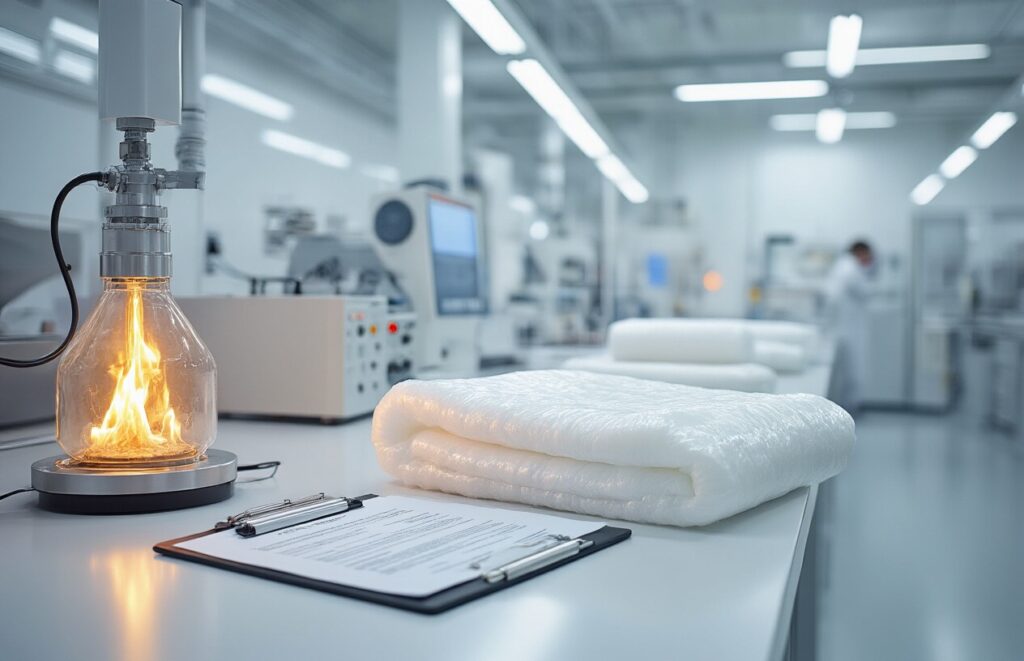
ASTM E84 surface burning characteristics testing measures flame spread and smoke development indices for silica aerogel blankets. The tunnel test evaluates how materials behave under controlled flame conditions, providing critical data for fire safety classifications. ASTM E119 standard time-temperature testing determines fire resistance ratings by subjecting materials to standardized furnace conditions.
Additional ASTM protocols include E136 for non-combustibility assessment and E1354 cone calorimeter testing for heat release rates. These comprehensive evaluations establish baseline performance metrics that manufacturers use to validate aerogel blanket fire resistance claims across different temperature ranges and exposure scenarios.
UL Certification Standards for Building Materials
UL 723 certification aligns with ASTM E84 testing requirements, focusing on surface burning characteristics and flame-spread ratings for building materials. Silica aerogel blankets typically achieve Class A fire ratings, indicating minimal flame spread and low smoke generation properties. UL 1256 standards specifically address fire-resistant cable systems where aerogel insulation plays a crucial protective role.
The UL listing process requires extensive documentation of manufacturing processes, quality control measures, and ongoing compliance monitoring. Certified aerogel products display UL marks indicating verified performance levels, giving specifiers confidence in fire safety applications across commercial and industrial installations.
International Fire Safety Compliance Requirements
The European EN 13501-1 classification system provides reaction-to-fire performance categories ranging from A1 (non-combustible) to F (high fire risk). Silica aerogel blankets commonly achieve A1 or A2 ratings, meeting stringent European building code requirements. ISO 1182 non-combustibility testing and ISO 1716 calorific potential assessments complement EN standards for comprehensive fire performance evaluation.
International Maritime Organization (IMO) standards govern marine applications where aerogel insulation protects critical ship systems. These regulations require specialized testing under marine-specific conditions, including salt-spray exposure and vibration testing, combined with fire-resistance verification protocols.
Real-World Performance in High-Risk Industries
Aerospace Applications Protecting Critical Components
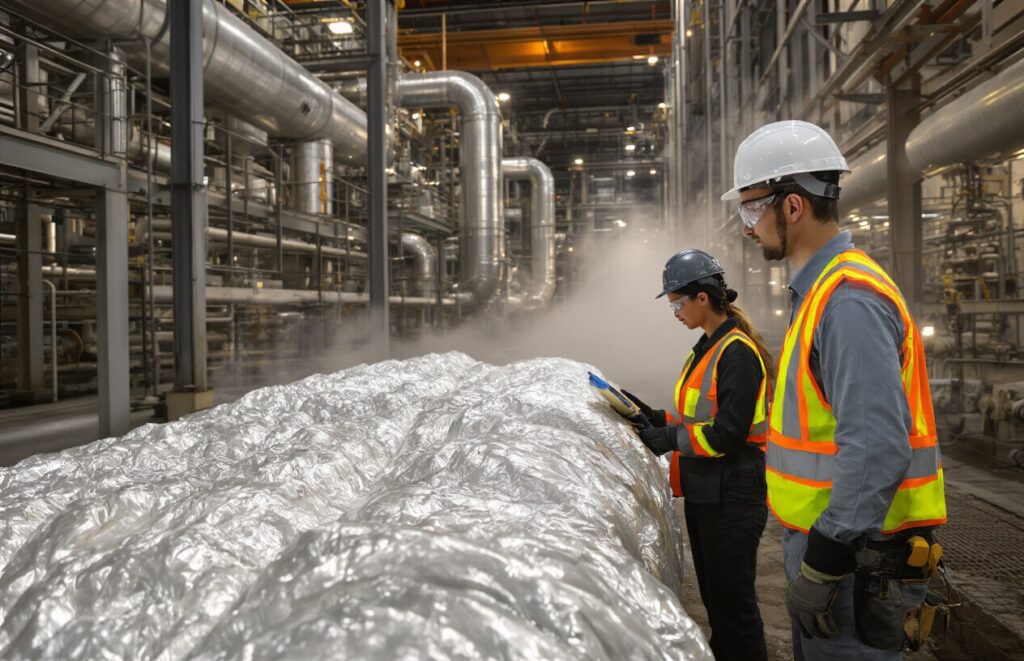
Aerospace engineers rely on silica aerogel blankets to shield spacecraft thermal protection systems and satellite electronics from extreme temperature fluctuations. These lightweight materials protect fuel lines, engine components, and sensitive instrumentation while maintaining structural integrity during launch and re-entry phases.
Oil and Gas Industry Pipeline Insulation
Pipeline operators install aerogel insulation blankets around high-temperature transport lines carrying heated crude oil and natural gas. The material’s exceptional fire resistance prevents catastrophic failures during equipment malfunctions or exposure to external fire. Offshore platforms particularly benefit from aerogel’s moisture resistance and thermal stability in harsh marine environments.
Power Generation Facility Fire Protection Systems
Nuclear and coal-fired power plants use aerogel blankets around steam pipes, turbine housings, and electrical switchgear to prevent the spread of fire during emergencies. The insulation maintains its protective properties even when exposed to superheated steam or electrical arcing, which would compromise traditional materials.
Marine Vessel Engine Room Installations
Commercial shipping vessels and naval craft wrap critical engine components with aerogel blankets to prevent fires from spreading between compartments. The material’s lightweight nature reduces overall vessel weight while providing superior protection for fuel lines, exhaust systems, and electrical equipment in confined spaces.
Industrial Furnace and Kiln Applications
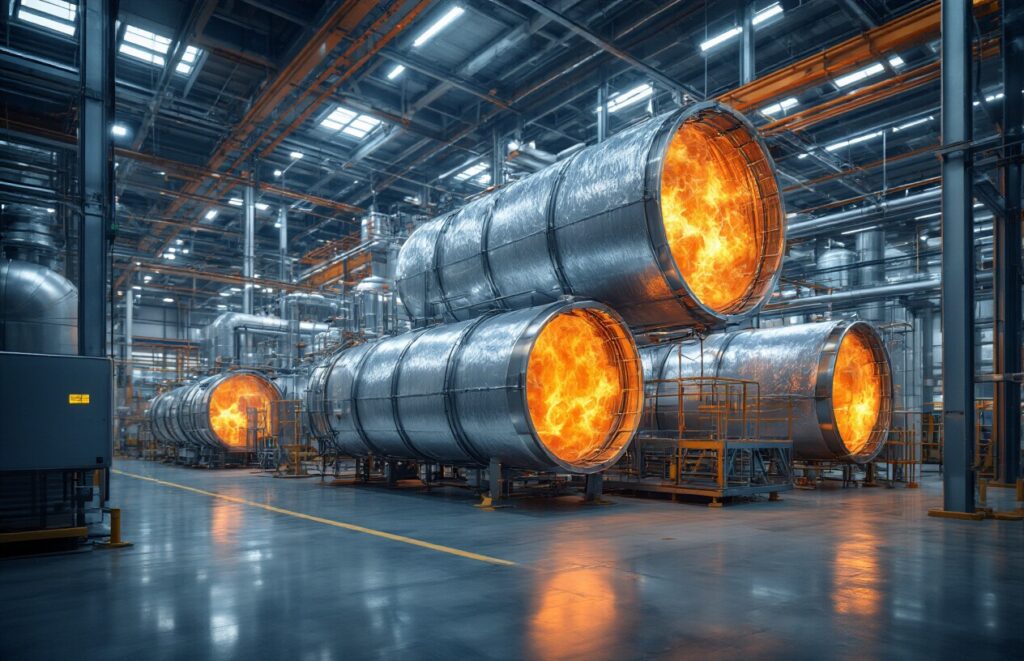
Steel mills, glass manufacturers, and ceramic producers line their high-temperature processing equipment with aerogel insulation to contain heat and prevent structural fires. The blankets withstand continuous exposure to temperatures exceeding 1000°C while maintaining flexibility around curved surfaces and expansion joints.
Silica aerogel insulation blankets stand out as game-changers in fire protection thanks to their unique structure and impressive temperature-handling capabilities. These blankets can withstand extreme heat while maintaining their insulating properties, making them perfect for aerospace, petrochemical, and industrial applications where safety can’t be compromised. The rigorous testing standards and certifications these materials meet give engineers and safety managers confidence that they’re choosing reliable protection.
If you’re working in an industry where fire safety is critical, aerogel blankets deserve serious consideration for your next project. Their proven track record in real-world applications shows they deliver when it matters most. Take time to evaluate how these advanced materials could upgrade your current fire protection strategy and potentially save both equipment and lives.