
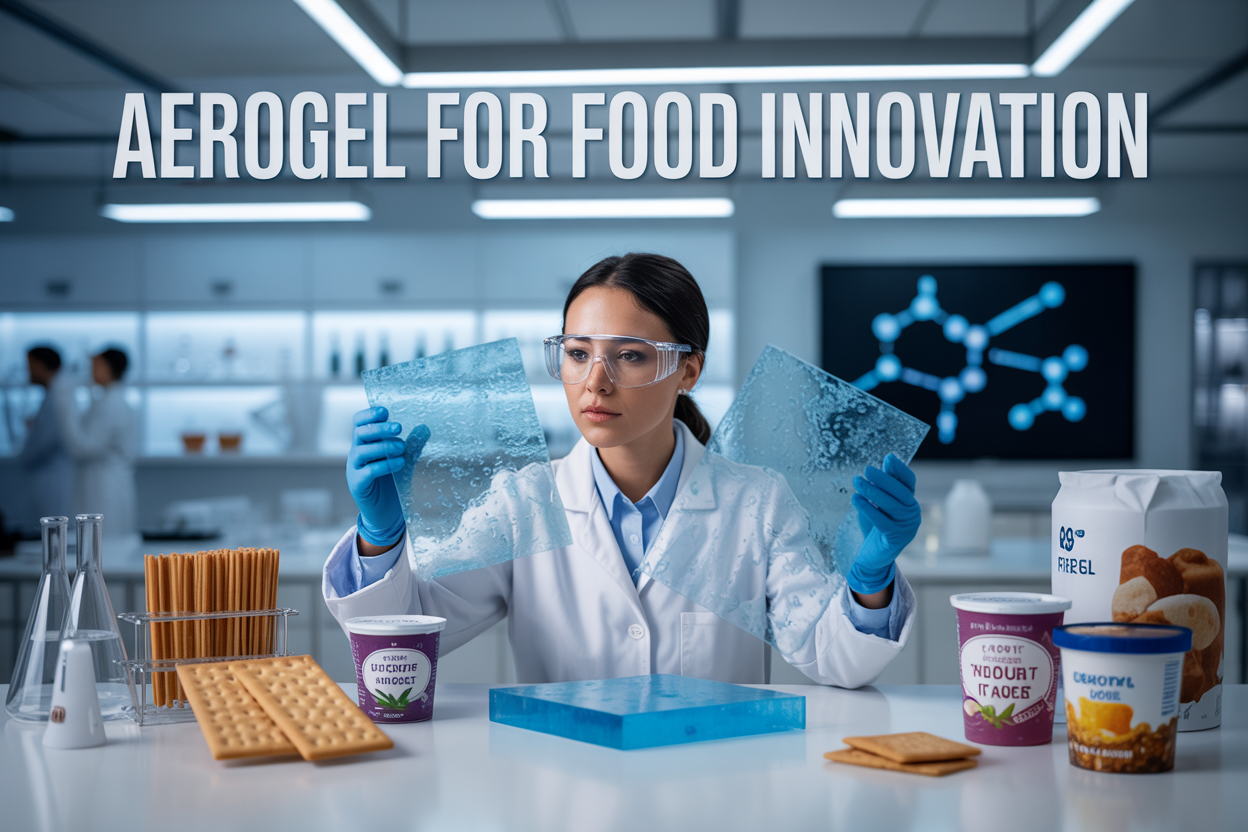
Aerogel for Food: Revolutionary Materials Transforming the Industry
Aerogel technology is reshaping how food manufacturers approach product development and packaging solutions. These ultra-light, porous nanomaterials offer game-changing properties that address key industry challenges from ingredient functionality to sustainable packaging. Food scientists, product developers, and packaging engineers are discovering aerogel applications that can improve texture, extend shelf life, and create smarter food products.
This comprehensive guide explores how aerogel technology works in food systems and examines practical applications already making their way to market. The discussion covers smart ingredient applications that control nutrient release and enhance product performance. Additionally, the analysis reveals how aerogels serve as effective fat-replacement solutions while maintaining the desired textures consumers expect. Finally, the exploration of advanced food packaging innovations demonstrates how these materials create intelligent, biodegradable packaging systems that respond to environmental conditions and protect product quality.
Understanding Aerogel Technology for Food Applications
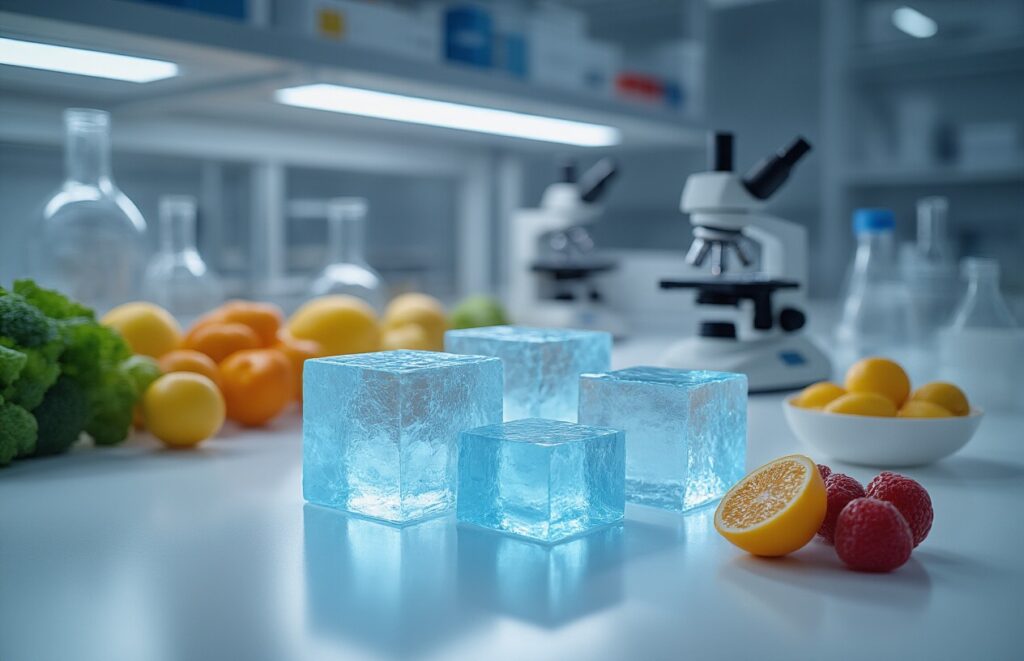
Unique nanostructured properties with low density and high surface area
Aerogels represent exceptional nanostructured materials characterized by ultra-low bulk density ranging from 0.0001 to 0.2 g/cm³ and remarkably high specific surface area exceeding 150-200 m²/g. These materials exhibit a low thermal conductivity of approximately 0.015 W/m·K, making them ideal for specialized food applications that require precise thermal control.
Open porosity characteristics enabling advanced functionality
The highly porous three-dimensional structure of aerogels achieves porosity levels of 95-99.99%, predominantly mesoporous, with pore diameters between 2 and 50 nm when produced via supercritical drying. This exceptional porosity enables advanced functionalities, including controlled release of bioactive compounds, moisture management, and barrier properties essential for food preservation and packaging applications.
Bio-based materials used for food-grade aerogel production
Food-grade bio-aerogels are synthesized from natural matrices, including polysaccharides (starch, chitosan, alginate, cellulose derivatives), proteins (whey, egg white, soy), and hybrid combinations that incorporate both biopolymer types. These bio-based precursors, often derived from agro-industrial waste, offer renewable, cost-effective alternatives while maintaining the superior structural properties required for food-industry applications.
Smart Ingredient Applications in Food Products

Controlled nutrient release systems for enhanced bioavailability
Biopolymer aerogels demonstrate exceptional potential as controlled nutrient delivery systems through their unique structural properties. These materials achieve extremely high porosity, up to 99.1%, and surface areas up to 145.3 m²/g in cellulose-based variants, enabling precise encapsulation and gradual release of essential nutrients. The aerogels’ ultralow density and engineered release profiles enable customized nutrient diffusion rates that respond to environmental factors, such as moisture levels.
Active compound delivery mechanisms for functional foods
Advanced aerogel formulations incorporate specific microbial strains and targeted nutrient supplements derived from nitrogen and phosphorus sources to enhance bioactive compound delivery. Research demonstrates that specialized aerogel compositions achieve 85% higher compound-release efficiency within 12 days than conventional delivery methods. These systems utilize natural biodegradable materials, including cellulose, chitosan, alginate, and starch, which are manufactured via supercritical drying processes to maintain optimal functionality while ensuring environmental compatibility.
Fat Replacement and Texture Modification Solutions

Oleogel creation through oil absorption within aerogel pores
The formation of oleogels requires the entrapment of high amounts of organic oils, often exceeding 90% by weight, within a three-dimensional gel network. Aerogel technology facilitates this process through oleogelation, in which liquid vegetable oil becomes physically trapped within the aerogel’s porous matrix via interactions such as electrostatic forces, van der Waals interactions, and hydrogen bonding.
Fat substitute capabilities for healthier food formulations
Aerogel-based oleogels demonstrate exceptional potential as fat replacers by mimicking the viscoelasticity and functionality of traditional solid fats while containing significantly lower levels of trans and saturated fats. These semi-solid materials preserve the nutritional composition and benefits of liquid vegetable oils, including valuable components such as sterols and vitamin E, without requiring harmful hydrogenation processes that create trans fatty acids.
Advanced Food Packaging Innovations
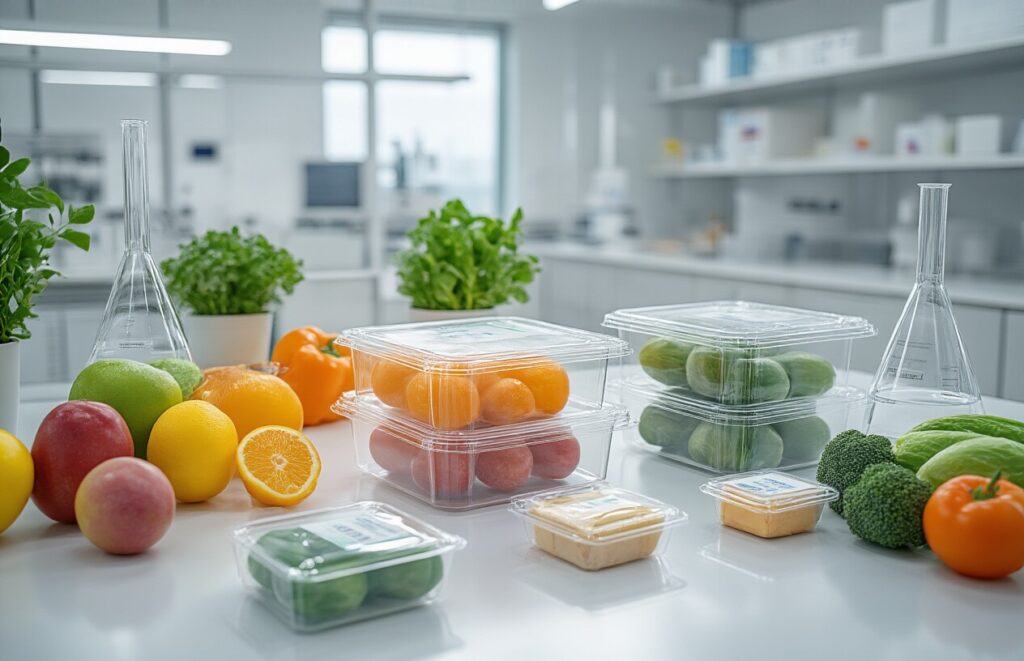
Biodegradable packaging material development using aerogels
Bio-based aerogels derived from renewable resources like cellulose biomass offer sustainable alternatives to conventional packaging materials. These biodegradable aerogels maintain structural integrity through hydrophobic biopolymer coatings, enabling effective moisture resistance while preserving environmental benefits. The Institute of Agrochemistry and Food Technology has developed cellulose-based aerogels from waste plant materials using simplified, cost-effective production processes.
Intelligent packaging systems with active compound integration
Enhanced barrier properties for extended shelf life
These aerogels demonstrate exceptional performance as active food-packaging components, particularly when used as absorbent pads beneath meat and fish products. The highly porous structure provides excellent sorption properties and a high specific surface area, effectively extending the shelf life of fresh produce while maintaining product quality throughout storage and distribution.
Manufacturing and Processing Considerations
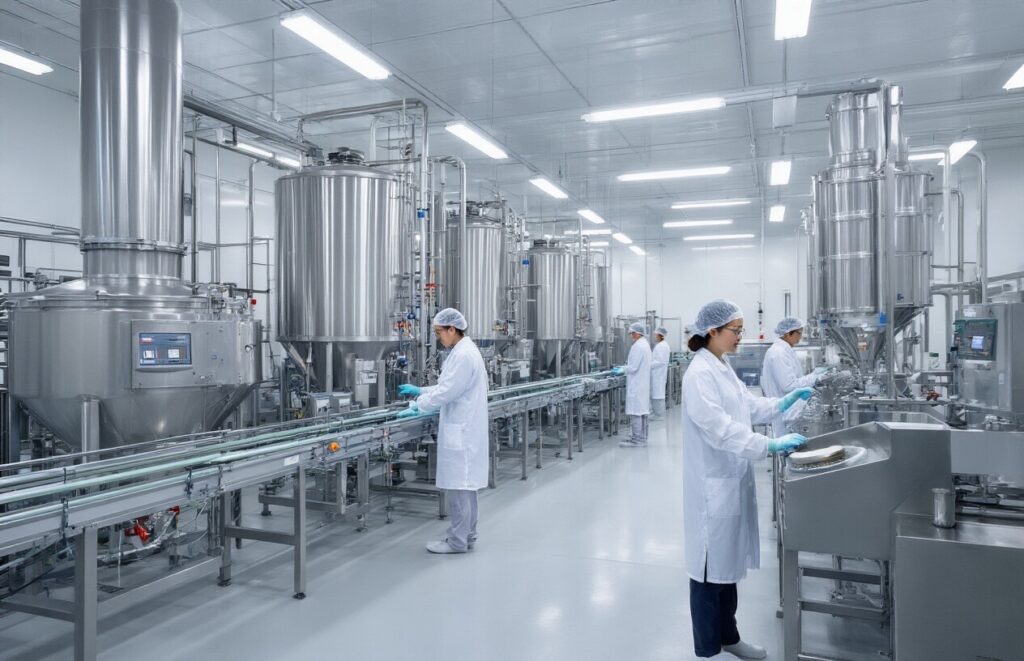
Solvent removal techniques while preserving network structure
Advanced manufacturing techniques focus on innovations in ambient-pressure drying, significantly reducing production costs compared to traditional supercritical CO₂ processing. These ambient-pressure methods eliminate the need for expensive supercritical processing while maintaining the delicate porous network structure essential for food applications. QT-polysiloxane enabler technologies enhance the fundamentals of sol-gel chemistry and optimize processes throughout the manufacturing workflow.
Production from hydrogels, organogels, and tissue sources
Bio-based aerogel production uses a range of sustainable feedstocks, including cellulose nanofibers, alginate, starch, chitosan, protein, pectin, and agar. Manufacturing processes encompass the development of products from food waste, textile waste, and agricultural byproducts, creating environmentally sustainable production pathways. These organic and composite materials undergo specialized sol-gel chemistry processes designed specifically for biological source materials.
Scalability challenges for commercial food applications
Scale-up challenges from laboratory to commercial manufacturing pose significant barriers, including high production costs and limited manufacturing capacity. The transition from niche specialty materials to mainstream technology platforms entails cost-analysis complexities across different aerogel types and production methods. Current manufacturing expenses and intricate regulatory issues continue hindering widespread commercial adoption in food industry applications.
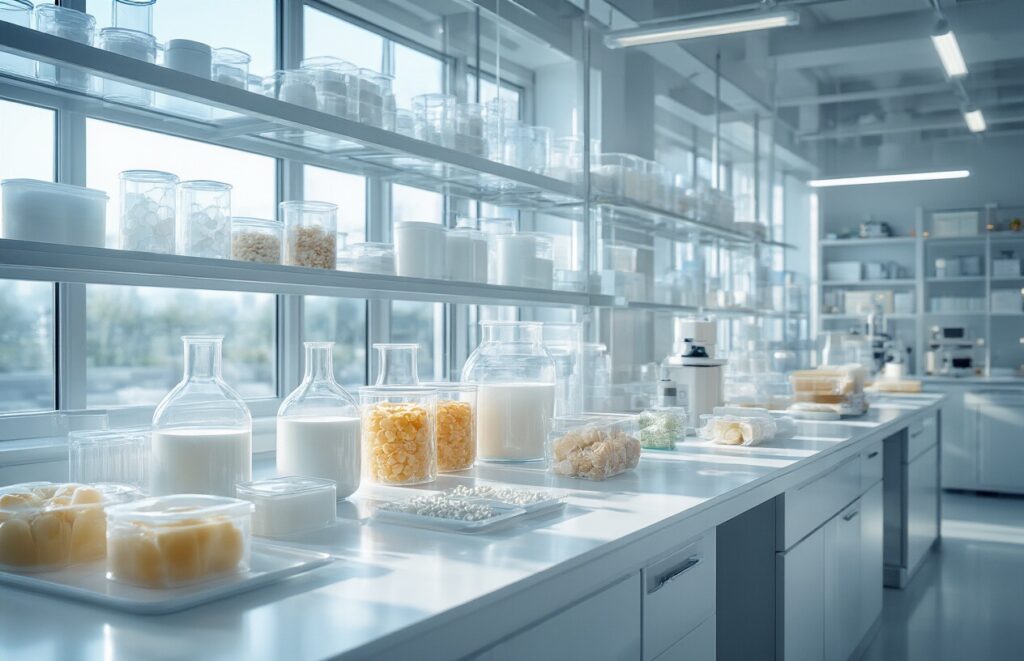
Aerogel technology represents a transformative advancement in food science, offering unprecedented opportunities to enhance both product development and packaging solutions. The nanostructured materials, with their exceptional properties, including low bulk density, high surface area exceeding 150 m²/g, and open porosity of 95-99.99%, enable innovative applications ranging from smart ingredient delivery systems to sustainable fat-replacement solutions. These bio-based materials can be customized into various formats and textures while maintaining the unique characteristics that make them ideal for controlled nutrient release and active compound delivery.
The potential for aerogels to revolutionize food manufacturing extends beyond ingredient applications to encompass intelligent packaging materials that can enhance food safety and extend shelf life. As the technology continues to evolve, food manufacturers should consider integrating aerogel-based solutions into their product development strategies to meet growing consumer demands for healthier, more sustainable food options. The convergence of nanotechnology and food science through aerogel applications positions the industry for significant advancements in both nutritional functionality and environmental sustainability.