
Selecting the right thickness for an aerogel insulation blanket can make the difference between an efficient thermal management system and one that falls short of performance expectations. Engineers, contractors, and facility managers across industries from aerospace to petrochemicals need practical guidance for making these critical decisions, especially when working with extreme temperatures or space constraints.
This comprehensive thickness guide addresses the specific challenges of matching aerogel blanket specifications to real-world applications. The complexity goes beyond simple thermal calculations – factors like installation space, environmental conditions, and long-term performance all play crucial roles in determining optimal thickness.
The guide covers key material properties and how different aerogel types perform across temperature ranges, helping readers understand which formulations work best for their specific needs. Detailed calculation methods and thermal performance metrics provide the technical foundation for making informed thickness decisions. At the same time, specialized sections address the unique requirements of cryogenic applications where standard insulation materials often fail. Additional coverage includes proven installation techniques that maximize thermal performance and explores the combined benefits aerogel blankets offer beyond basic insulation, including fire protection and acoustic control.
Understanding Aerogel Properties and Material Types
Definition and unique characteristics of aerogel materials
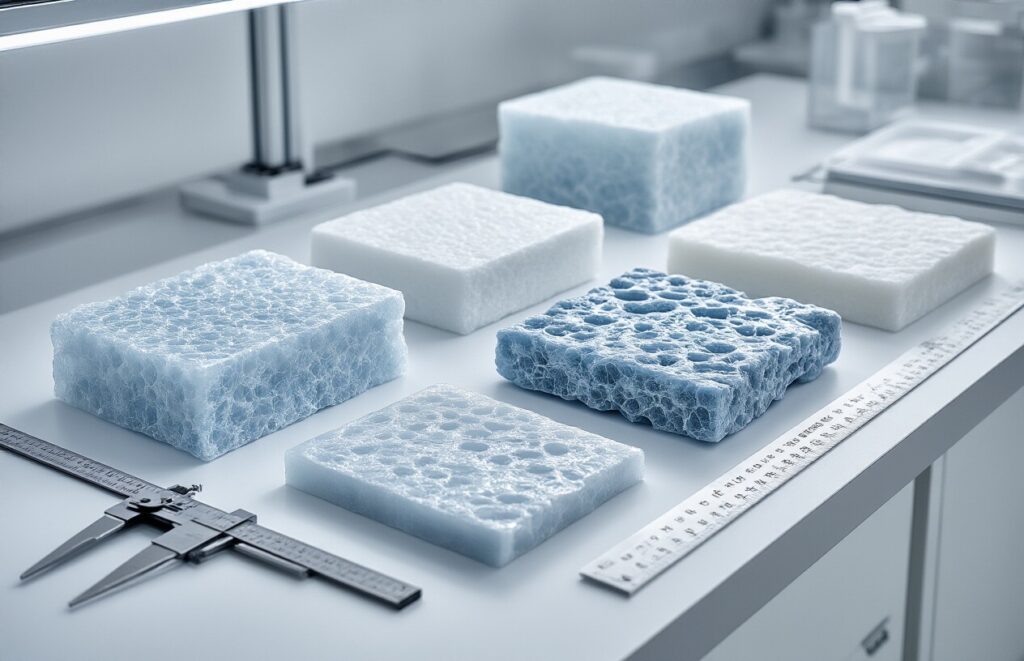
Aerogel is a synthetic, ultralight, porous material derived from a gel via a supercritical drying process, delivering remarkable thermal insulation properties due to its nanoscale structure. The nanoporous composition consists almost entirely of air, making aerogel the world’s lightest solid with exceptionally low thermal conductivity.
Silica aerogel for superior thermal insulation performance
Monolithic silica aerogel exhibits a thermal conductivity of 0.017 W/mK, with pore sizes ranging from 5 to 100 nanometers. Flexible aerogel blankets feature approximately 12nm pore diameters and comprise over 60% of silica aerogel sales. These materials offer the lowest thermal conductivity of any commercially available insulation, enabling a significant reduction in the total insulation thickness required.
Key Factors for Selecting Optimal Blanket Thickness
Application-Specific Thermal Insulation Requirements
Selecting the optimal aerogel blanket thickness begins with identifying the specific application context, whether residential, industrial, or aerospace. Each application presents unique thermal insulation requirements that directly influence thickness specifications. Industrial processes may require higher thermal resistance, while residential applications focus on energy-efficiency standards.
Operating Temperature Ranges and Environmental Constraints
Temperature exposure ranges fundamentally determine blanket thickness requirements, with extreme conditions necessitating enhanced insulation performance. Available installation space imposes dimensional constraints, though aerogel’s low thermal conductivity allows thinner thicknesses while maintaining effectiveness. Climate zone assessment ensures the proper selection of thickness for optimal thermal efficiency across varying environmental conditions.
Thickness Calculation Methods and Thermal Performance
R-value Calculations and Thermal Conductivity Formulas
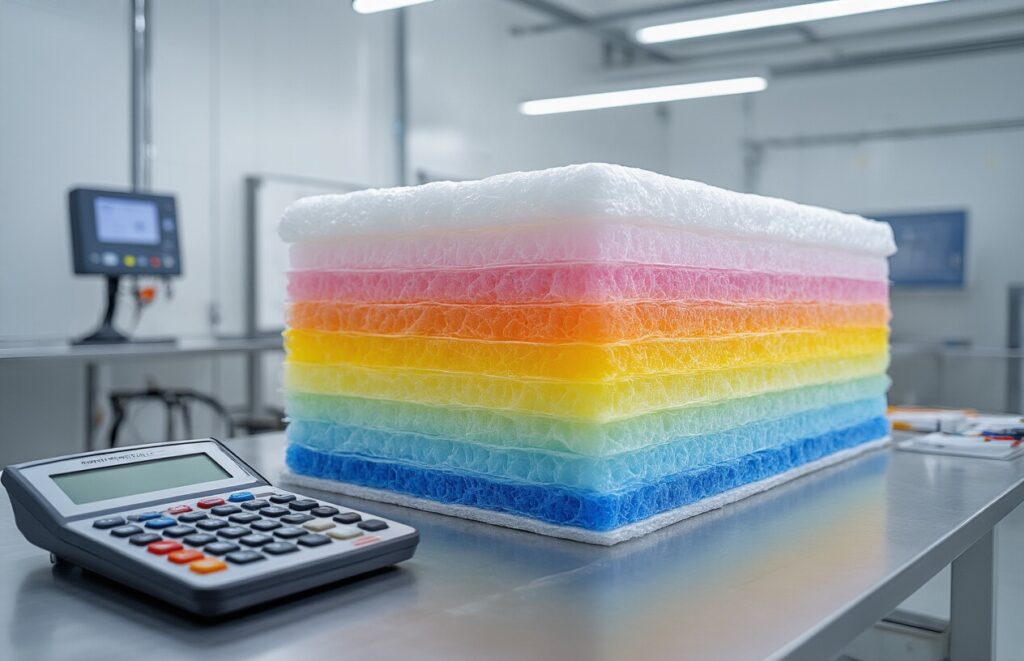
Determining the appropriate aerogel blanket thickness requires understanding R-value calculations, where higher R-values indicate superior insulation performance. The fundamental formula for calculating the required thickness is: R-value = Thickness (in) / Thermal Conductivity (Btu·in/ft²·h·°F). This calculation enables precise sizing based on specific thermal requirements and desired insulation efficiency.
Industry Standards and Performance Requirements
Flexible aerogel blankets are codified under ASTM C1728-13, Standard Specification for Flexible Aerogel Insulation, which applies to both hot and cold applications. This standard provides comprehensive classifications for aerogel blankets by Type, Grade, and Category, based on maximum use temperature and thermal conductivity. Industry standards from sources like the U.S. Department of Energy provide recommended R-values for various applications, ensuring optimal thermal performance through proper specification compliance.
Specialized Cryogenic Applications and Requirements
Extreme temperature challenges below -100°F (-74°C)
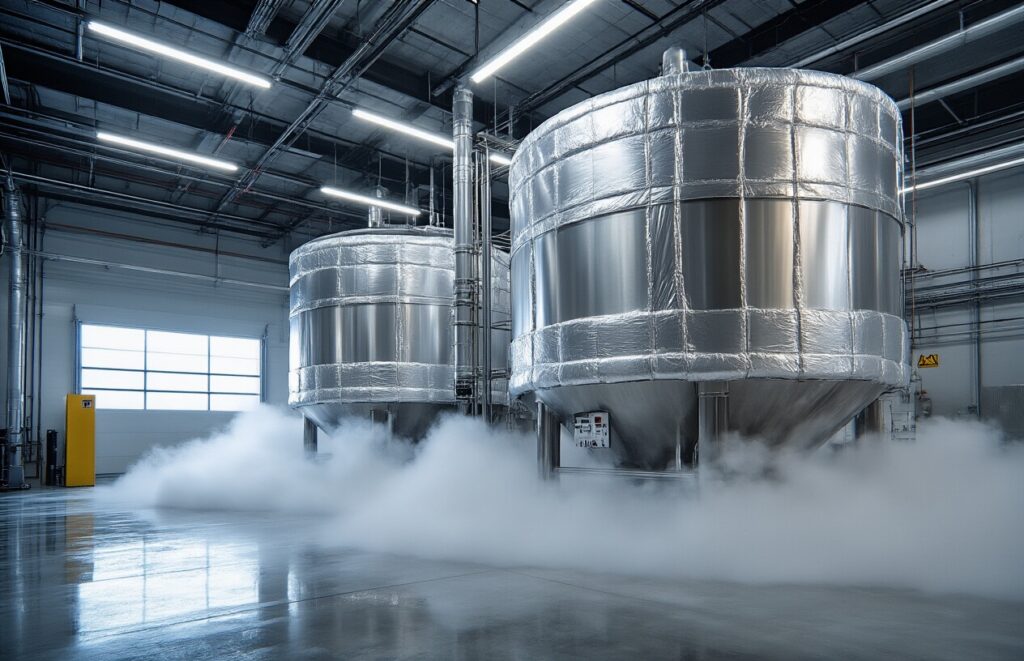
Cryogenic temperatures present unique insulation challenges, beginning at or below -100°F (-74°C) and extending to an effective lower boundary of -460°F (-273°C). These extreme conditions create substantial temperature differentials, generate strong vapor drive toward cold surfaces, and cause significant material contraction that traditional insulation systems struggle to accommodate effectively.
ASTM Type I, Grade 1, Category B specifications for cryogenic service
For cryogenic applications, ASTM Type I, Grade 1, Category B blanket specifications provide optimal performance through a composite construction featuring polyester and glass-fiber reinforcement with integral vapor-barrier membranes. This specialized configuration addresses the unique demands of extremely low-temperature environments while maintaining structural integrity.
Ice crystal formation prevention through nanoporous structure
Aerogel’s nanoporous structure, with pore diameters of approximately 12nm, effectively prevents ice formation within the blanket body by restricting water molecule aggregation. Since ice crystal formation requires 275 water molecules, the tiny pore size keeps any ice formation localized and superficial, even when vapor barriers experience breaches.
Flexibility maintenance at temperatures down to -321°F (-196°C)
Aerogel blanket insulation maintains remarkable flexibility at cryogenic temperatures down to -321°F (-196°C), accommodating thermal shock and providing splash protection. This flexibility eliminates the need for contraction joints typically required in conventional cryogenic insulation systems, simplifying installation and reducing potential failure points.
Installation Techniques for Maximum Performance

Multi-layer cigarette wrap application methods
Flexible aerogel insulation requires strategic layering techniques to achieve optimal thermal performance. Multiple 5mm- and 10mm-thick blankets are applied using traditional cigarette-wrap methods, with each layer systematically wrapped around the pipe surface. Temporary securing with fiberglass-reinforced packing tape or adhesive spray ensures proper positioning during installation, particularly for larger or irregular surfaces where maintaining consistent coverage proves challenging.
Proper joint sealing and thermal bridging prevention
Circumferential joints between blanket sections must be staggered to eliminate through-joints that create thermal pathways. Each joint requires careful sealing to prevent thermal bridging, with vapor-barrier membranes sealed with foil-faced butyl tape. The factory-laminated vapor barrier on each layer provides redundancy, while contraction joints are unnecessary because aerogel’s continuous flexibility eliminates installation costs and vapor-penetration risks.
Combined Benefits Beyond Thermal Insulation
Passive Fire Protection Capabilities in Applied Thicknesses
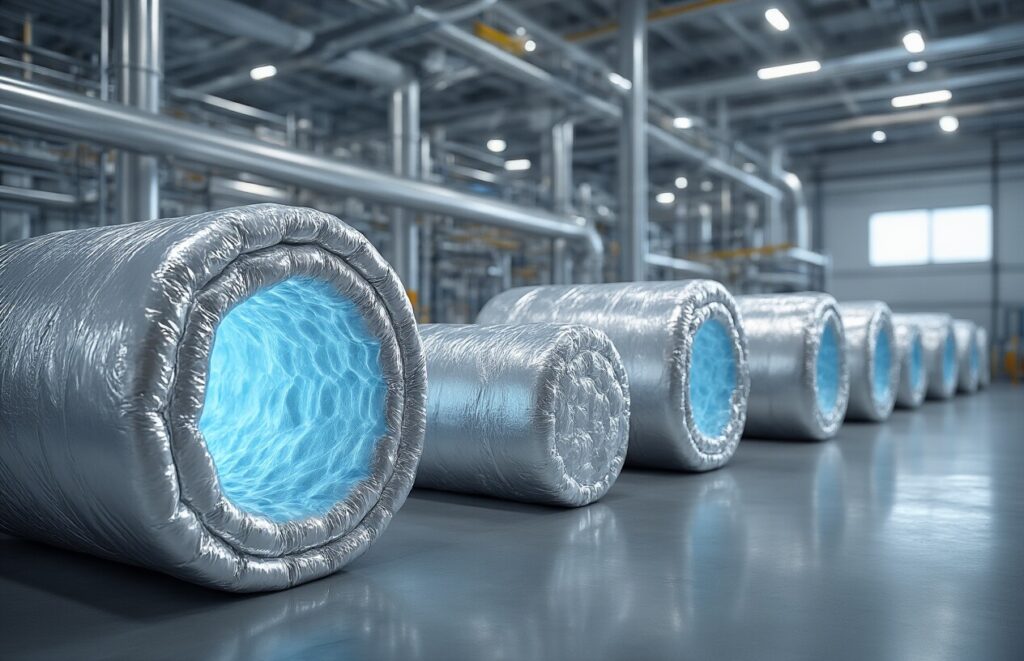
The nanoporous structure of aerogel provides exceptional Passive Fire Protection (PFP) capabilities, delivering superior performance in both pool-fire and jet-fire protection scenarios. An aerogel blanket installed at 80 mm thickness, commonly specified for condensation control in LNG service applications, can provide over 2½ hours of pool-fire protection meeting UL 1709 standards and 60 minutes of jet-fire protection.
Acoustic Performance Meeting ISO 15665 Requirements
The underlying physical structure of silica aerogel provides considerable acoustic benefits for industrial applications. When combined with mass-loaded vinyl (MLV), aerogel blankets can meet ISO 15665 classes A, B, and C requirements, as well as the demanding ‘Shell D’ insertion loss requirement, making them suitable for noise-critical installations.
Hydrophobic Properties Preventing Corrosion Under Insulation
Aerogel blankets possess inherent hydrophobicity that is essential for protecting underlying piping and equipment surfaces from water ingress. This hydrophobicity effectively prevents the development of corrosion under insulation (CUI), a common failure mechanism that can compromise both equipment integrity and insulation performance over time.
Mechanical Durability and Long-Term Performance Advantages
Aerogel blankets offer exceptional mechanical resistance, providing durable, long-lasting insulation. These materials demonstrate remarkable durability during transportation and installation, allowing for pre-insulation with reduced risk of damage during transport or erection. The blankets remain flexible at cryogenic temperatures, eliminating the risk of thermal shock damage and ensuring consistent performance throughout their service life.
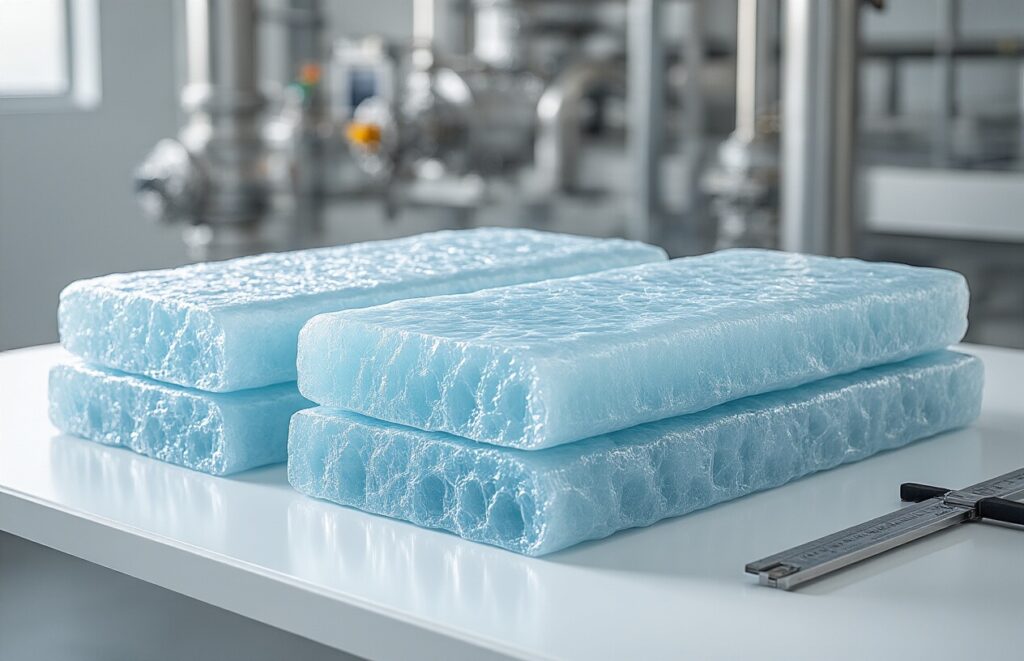
Selecting the appropriate aerogel blanket thickness requires careful consideration of multiple factors, including application requirements, temperature conditions, space limitations, and thermal resistance needs. The R-value calculations, combined with local climate assessments, provide the foundation for determining optimal thickness while ensuring maximum thermal efficiency. From cryogenic applications requiring specialized Type I, Grade 1, Category B blankets to standard industrial installations, proper thickness selection directly impacts both performance and cost-effectiveness.
The unique properties of aerogel blankets—including their exceptional thermal conductivity, hydrophobicity, and flexibility at extreme temperatures—make them suitable for diverse applications, ranging from petrochemical facilities to LNG terminals. Beyond thermal insulation, these materials offer additional benefits, including passive fire protection, acoustic performance, and simplified installation, which reduce project timelines and labor costs. When sourcing aerogel solutions, partnering with reputable manufacturers ensures access to quality materials that meet specific application demands while delivering long-term durability and optimal thermal performance across various industrial and commercial environments.