
Aerospace & Space Industry Applications of Aerogel Insulation
The extreme conditions of space exploration demand insulation materials that can withstand temperatures ranging from -270°F to 2,000°F while remaining incredibly lightweight. Aerogel insulation has emerged as the gold standard for aerospace thermal protection, offering unmatched performance in the harsh environment beyond Earth’s atmosphere.
This comprehensive guide serves aerospace engineers, mission planners, spacecraft designers, and industry professionals who need to understand how aerogel technology addresses critical thermal management challenges in space applications.
The following sections explore the unique properties that make aerogel ideal for space environments, examine its current applications in spacecraft thermal protection systems, and analyze how this revolutionary material enables future deep-space exploration missions. Each topic demonstrates why leading space agencies and private aerospace companies continue to invest heavily in aerogel-based solutions for their most demanding missions.
Understanding Aerogel Properties for Space Applications
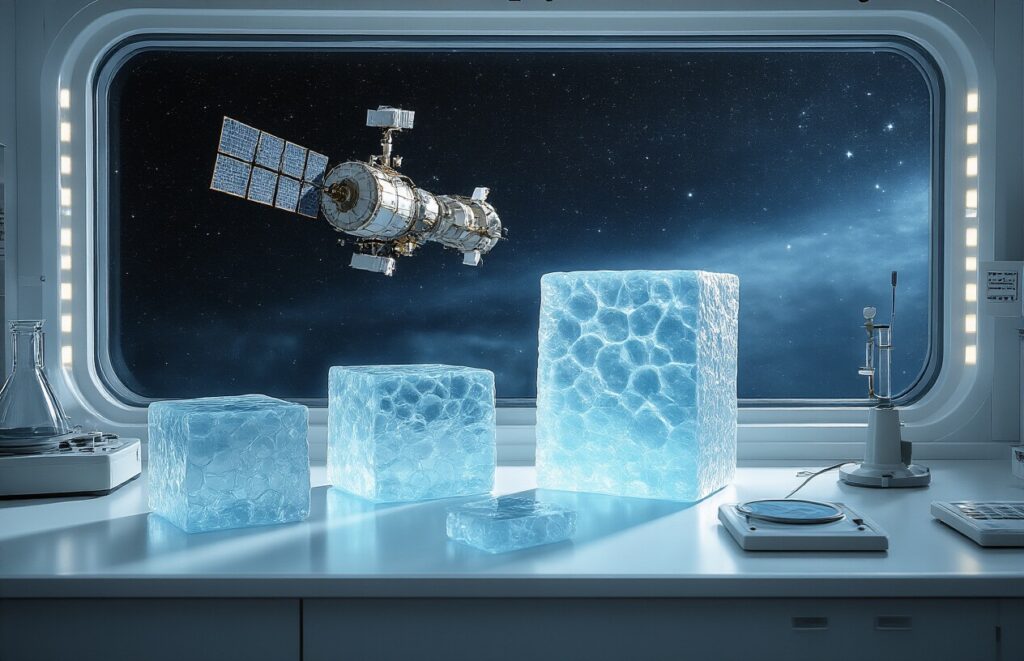
Ultra-low thermal conductivity benefits in extreme temperature environments
Aerogel delivers exceptional thermal protection when spacecraft face dramatic temperature swings from -250°F to 250°F. This material blocks heat transfer 39 times better than traditional fiberglass insulation, creating reliable thermal barriers that keep sensitive electronics operating properly during deep-space missions.
Lightweight characteristics reduce launch costs and payload restrictions
Space missions benefit significantly from aerogel’s 95% air composition, making it lighter than foam while providing superior insulation. Every pound saved translates to thousands of dollars in launch cost reductions, allowing engineers to allocate more weight to scientific instruments and essential mission equipment.
Spacecraft Thermal Protection Systems

Heat shield applications for atmospheric re-entry protection
Aerogel serves as a critical thermal barrier material in spacecraft heat shields, protecting vehicles during high-speed atmospheric re-entry. The material’s exceptional insulating properties and low thermal conductivity prevent extreme temperatures from penetrating the spacecraft structure. Advanced aerogel composites withstand temperatures exceeding 1,200°C while maintaining structural integrity and protecting crew compartments.
Cryogenic fuel tank insulation prevents boil-off losses.
Space missions rely on aerogel insulation to maintain cryogenic fuel temperatures in storage tanks. The material’s superior thermal resistance minimizes heat transfer from external sources, preventing costly fuel evaporation during extended missions. Aerogel blankets wrapped around liquid hydrogen and oxygen tanks reduce boil-off rates by up to 90%, extending mission duration and improving fuel efficiency for deep space exploration.
Electronic component temperature regulation in harsh environments
Spacecraft electronics require precise temperature control to function reliably in space’s extreme conditions. Aerogel insulation creates thermal barriers around sensitive instruments, maintaining optimal operating temperatures despite external temperature fluctuations ranging from -250°C to 120°C. The material’s flexibility allows custom fitting around complex electronic assemblies while providing consistent thermal protection throughout mission lifecycles.
Satellite and Space Station Insulation Solutions
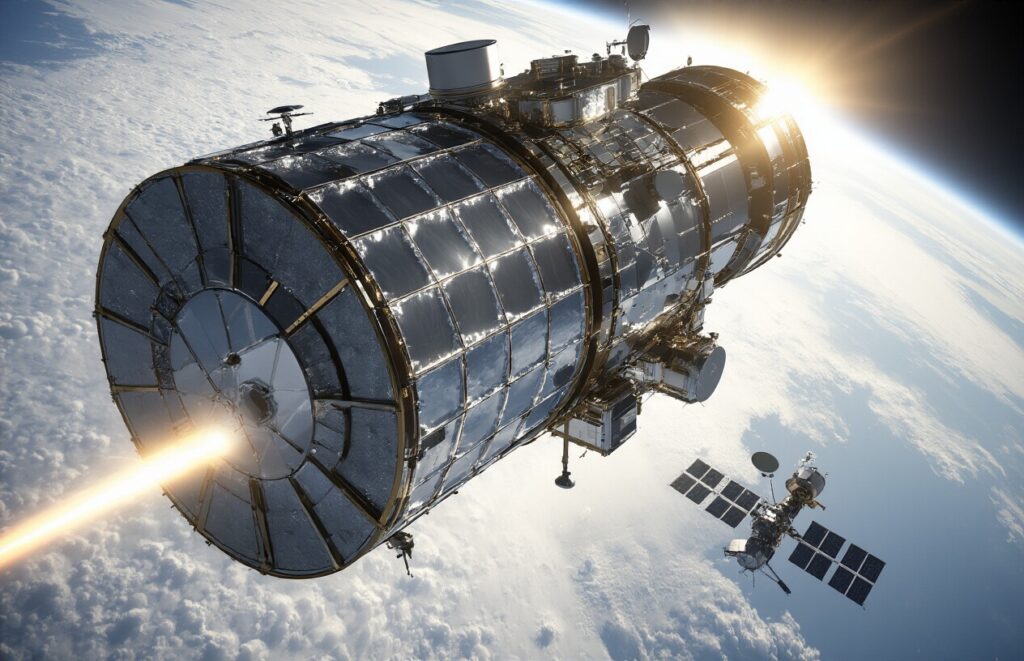
Multi-layer insulation blanket integration for enhanced performance
Aerogel-enhanced multi-layer insulation (MLI) blankets deliver exceptional thermal protection for satellites and space stations. These blankets combine aerogel’s ultra-low thermal conductivity with traditional reflective barriers, creating superior insulation systems that outperform conventional designs. The integration reduces heat transfer by up to 70% compared to standard MLI configurations.
Solar panel backing protection from temperature fluctuations
Solar panel arrays experience extreme temperature swings in space, ranging from -250°F to +250°F during orbital cycles. Aerogel backing materials shield photovoltaic cells from thermal stress while maintaining electrical efficiency. This protection extends panel lifespan and prevents performance degradation caused by repeated thermal expansion and contraction cycles.
Instrument compartment thermal stability maintenance
Critical electronic instruments require stable operating temperatures to function accurately in space environments. Aerogel insulation maintains consistent internal temperatures within instrument compartments, protecting sensitive equipment from external temperature variations. The material’s low outgassing properties prevent contamination of precision optical and electronic components.
Life support system efficiency improvements
Aerogel insulation significantly improves life support system performance by reducing the energy consumption needed for temperature regulation. The material’s thermal properties allow environmental control systems to operate more efficiently, extending mission duration and reducing power requirements. This efficiency translates to lower operational costs and enhanced crew safety on long-duration missions.
Rocket and Launch Vehicle Applications
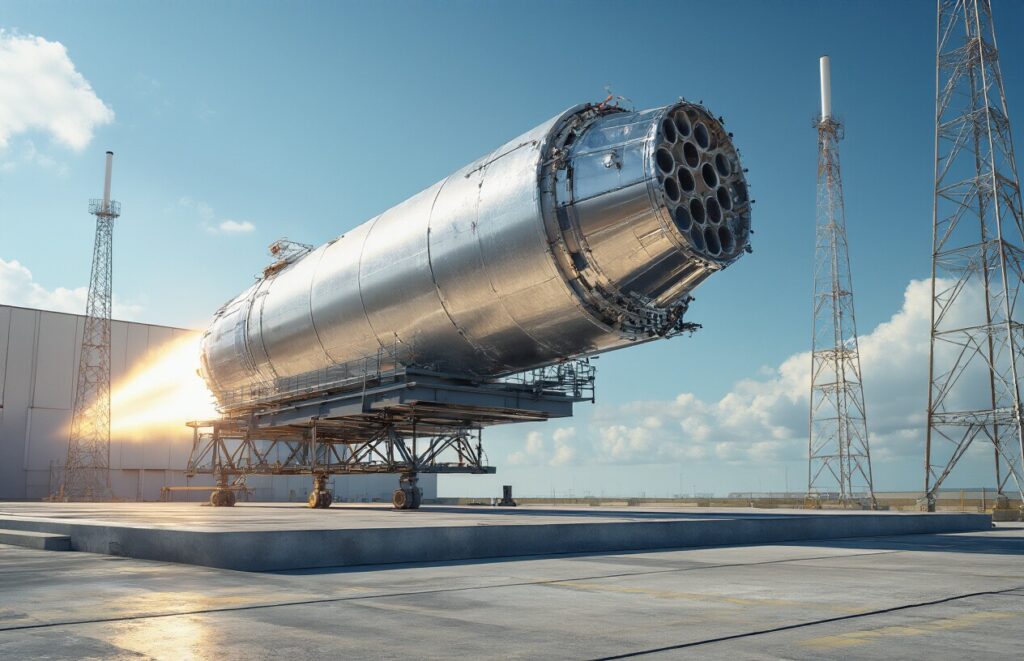
Engine compartment heat shielding for component protection
Rocket engines generate extreme temperatures exceeding 3,000°C, creating harsh conditions that can damage critical components. Aerogel insulation provides superior thermal barriers around engine compartments, protecting sensitive electronics, hydraulic systems, and structural elements from heat damage. The material’s exceptional thermal resistance and lightweight properties make it ideal for maintaining operational temperatures in these high-stress environments.
Payload bay thermal control during ascent phases
During launch, payload compartments experience dramatic temperature fluctuations as rockets traverse different atmospheric layers. Aerogel blankets maintain stable internal temperatures, protecting satellites, scientific instruments, and cargo from thermal shock. This temperature regulation prevents equipment malfunction and preserves mission-critical systems during the challenging ascent phase when traditional cooling methods are unavailable.
Fuel line insulation prevents ice formation and heat transfer.
Cryogenic fuels such as liquid hydrogen and liquid oxygen require precise temperature control to prevent dangerous ice buildup and maintain proper flow characteristics. Aerogel insulation wraps fuel lines and tanks, creating effective thermal barriers that prevent external heat from warming cryogenic propellants while blocking moisture that could freeze on cold surfaces. This dual protection ensures reliable fuel delivery and prevents potentially catastrophic ice-related failures during launch operations.
Future Space Exploration Mission Benefits
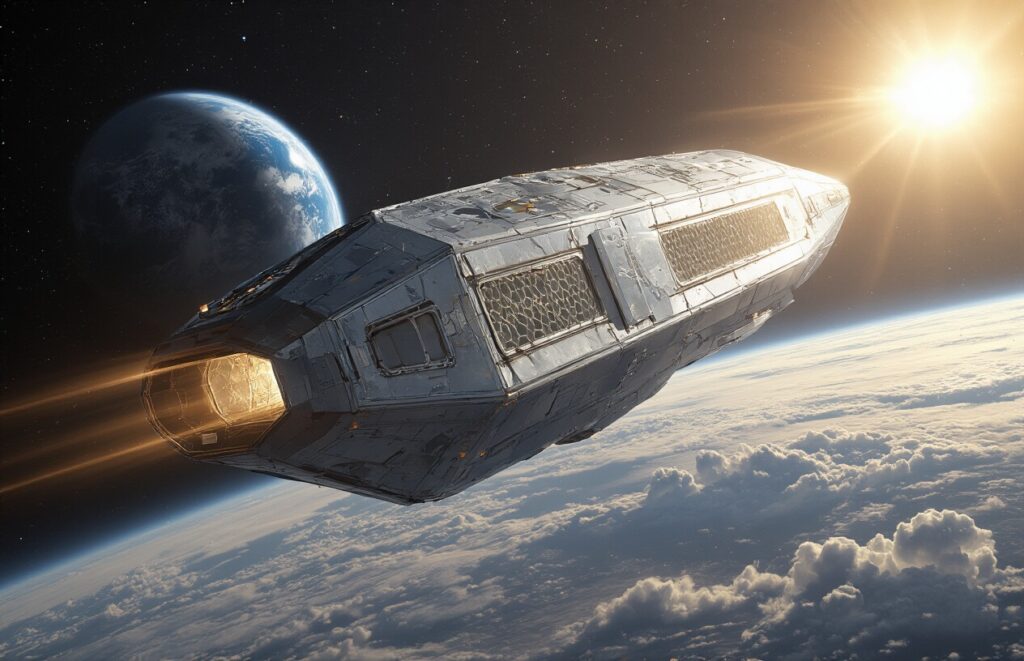
Mars Mission Habitat Insulation for Crew Comfort and Safety
Aerogel insulation provides critical thermal protection for Mars habitats, maintaining stable internal temperatures despite extreme external conditions ranging from -80°C to 20°C. The material’s lightweight properties reduce launch costs while its exceptional thermal barrier performance ensures crew survival during extended surface missions lasting up to 26 months.
Deep Space Probe Longevity Through Superior Thermal Management
Space probes equipped with aerogel insulation demonstrate significantly extended operational lifespans in deep space environments. The material’s ability to maintain instrument temperatures within operational ranges enables missions to Pluto, Jupiter’s moons, and beyond to collect data for decades rather than years, maximizing scientific return on investment.
Lunar Base Construction Material Advantages
Aerogel offers unique advantages for lunar base construction, providing excellent insulation against temperature swings of 250°C between lunar day and night. Its low density reduces transportation costs from Earth while its durability withstands micrometeorite impacts and radiation exposure that would degrade conventional insulation materials over time.
Cost Reduction Opportunities for Commercial Space Ventures
Commercial space companies achieve substantial cost savings by implementing aerogel, reducing payload mass by up to 40% compared to traditional insulation systems. This weight reduction translates directly to lower launch costs and enables companies to allocate more budget to revenue-generating payload capacity or mission-critical equipment.
Enhanced Mission Success Rates Through Reliable Thermal Protection
Mission success rates improve dramatically with aerogel thermal protection systems, as temperature-related equipment failures represent a leading cause of space mission failures. The material’s proven reliability across temperature extremes and its resistance to degradation provide mission planners with confidence in long-duration space operations.
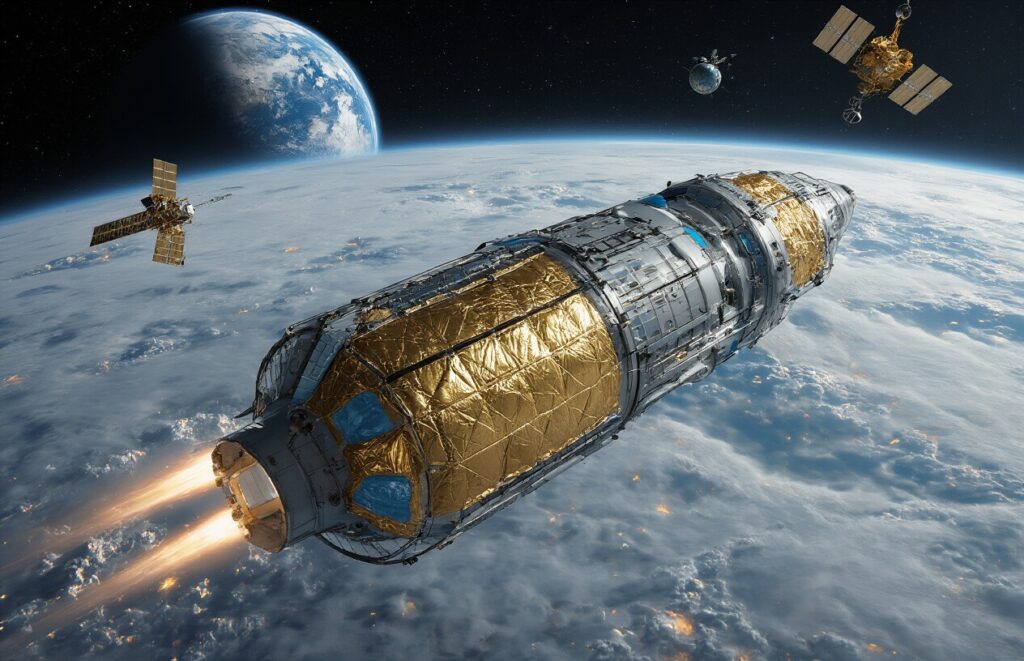
Space exploration continues to push the boundaries of material science, and aerogel insulation stands at the forefront of this technological revolution. The unique properties of aerogels—extreme lightweight design, exceptional thermal resistance, and remarkable durability—make them ideal for protecting spacecraft during the harsh conditions of launch and orbital operations. From thermal protection systems that shield vehicles during atmospheric reentry to insulation solutions that maintain optimal temperatures aboard satellites and space stations, aerogels have proven their value across a range of aerospace applications.
The potential for aerogel technology in future space missions looks increasingly promising as space agencies plan more ambitious exploration projects. As rockets become more efficient and spacecraft venture deeper into space, the demand for advanced insulation materials that can perform reliably in extreme environments will only grow. Companies and space organizations seeking to improve mission success rates would benefit from incorporating aerogel solutions into their thermal management strategies. The investment in aerogel technology today will likely determine which missions succeed in tomorrow’s competitive space landscape.