
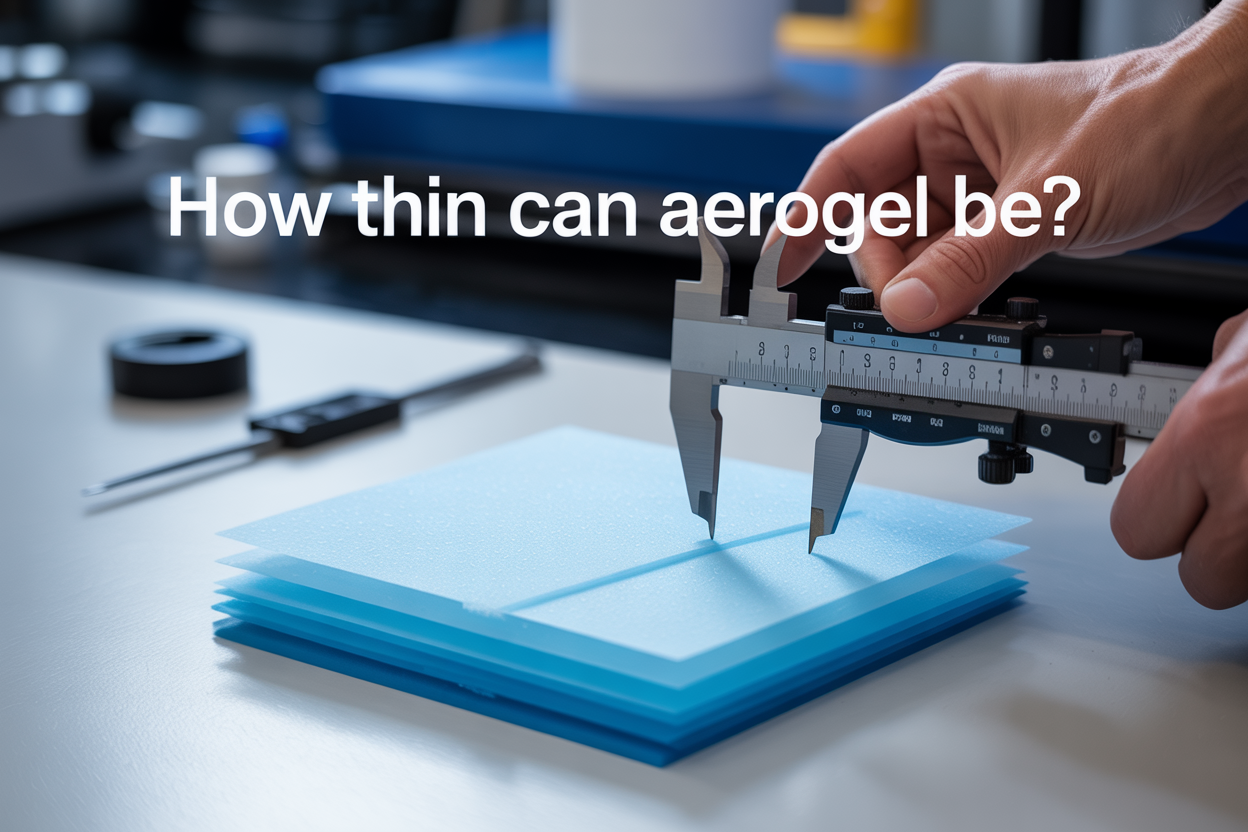
Aerogel insulation can be incredibly thin while maintaining excellent thermal performance, but there’s a sweet spot where going too thin starts to hurt efficiency. This guide is for engineers, architects, contractors, and building designers who need to balance space constraints with insulation requirements in their projects.
Aerogel’s remarkable ability to trap air in its nanoporous structure makes it one of the most effective insulators available, even at minimal thicknesses. But how thin can you go before performance drops off?
We’ll explore aerogel’s unique thermal properties that enable its use in ultra-thin applications, identify the critical thickness thresholds at which performance begins to decline, and examine real-world scenarios where thickness limitations matter most. You’ll also learn practical strategies for maximizing the insulation value of the thinnest possible aerogel installations.
Understanding Aerogel’s Unique Thermal Properties
Exceptional insulation capabilities compared to traditional materials
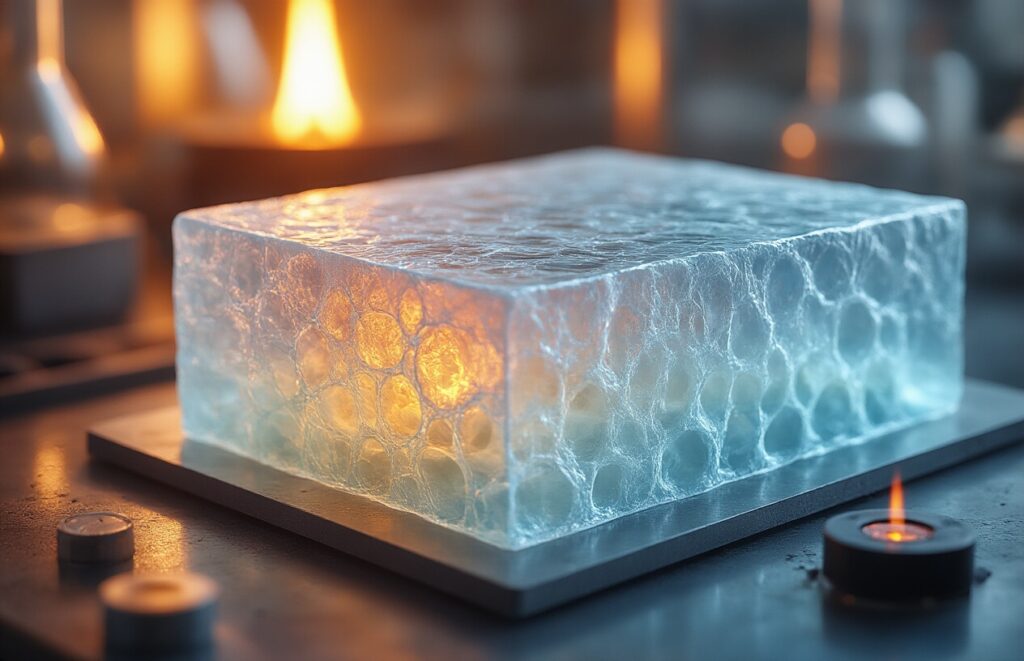
Aerogel outperforms conventional insulation materials by a massive margin, delivering a thermal conductivity as low as 0.012 W/m·K, compared to fiberglass at 0.040 W/m·K. This translates to requiring 70% less thickness to achieve identical insulating performance. Traditional materials rely on trapped air pockets, but aerogel’s structure creates a near-vacuum environment that virtually eliminates heat transfer through conduction and convection.
How the nanoporous structure creates superior thermal resistance
The secret lies in aerogel’s incredibly complex nanoporous architecture, where 90-99% of the material consists of air trapped within silica networks measuring just 2-50 nanometers. These microscopic pores are smaller than the mean free path of air molecules, preventing normal heat conduction. The remaining solid framework provides structural integrity while minimizing thermal bridging, creating an almost perfect thermal barrier that maintains effectiveness even at minimal thicknesses.
Critical Thickness Thresholds for Optimal Performance
Minimum thickness requirements for residential applications
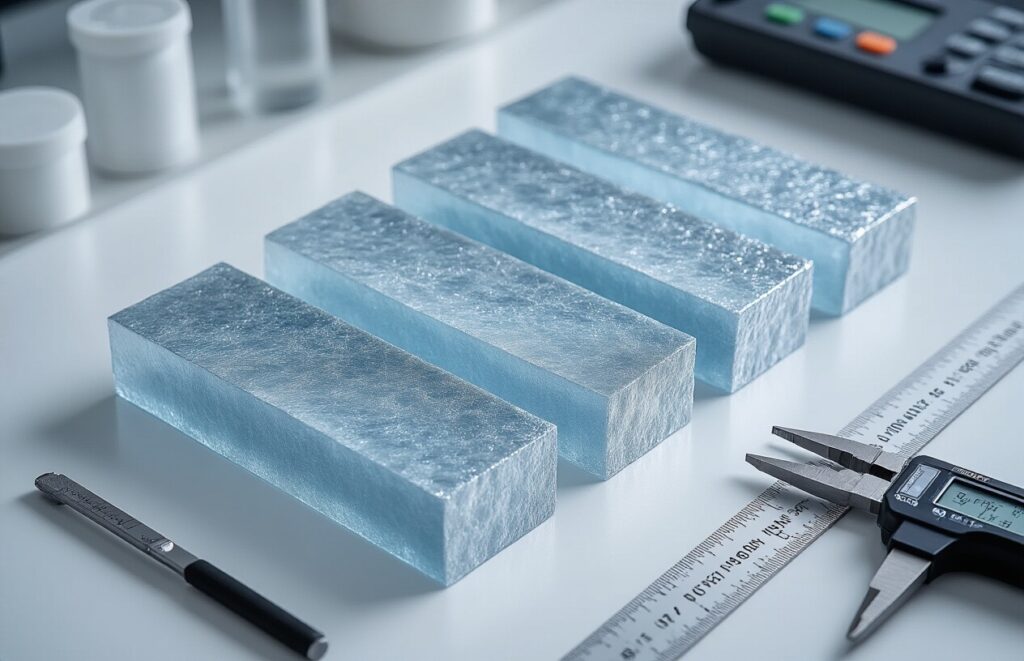
Residential aerogel applications typically require a minimum thickness of 5-10mm to maintain effective thermal performance. Below this threshold, the material’s insulating properties drop significantly, making it less cost-effective than traditional alternatives. Most home applications, such as window retrofits and attic insulation, work best with 6-8mm aerogel blankets for optimal energy savings.
Industrial and commercial thickness standards
| Application Type | Minimum Thickness | Optimal Range |
| HVAC systems | 3-5mm | 8-12mm |
| Pipeline insulation | 10-15mm | 15-25mm |
| Cryogenic applications | 20mm+ | 25-40mm |
Commercial installations demand thicker aerogel layers due to extreme temperature differentials and extended exposure periods. Industrial equipment often uses 15-20mm aerogel insulation to withstand harsh conditions while maintaining space constraints.
Performance degradation points below critical thresholds
When aerogel thickness drops below 3mm, thermal conductivity increases exponentially, resulting in a loss of up to 60% of its insulating effectiveness. The material’s unique nanoporous structure is compromised in ultra-thin applications, allowing increased heat transfer via radiation and convection pathways that the aerogel matrix can no longer adequately block.
Scientific testing methods for measuring effectiveness
- Hot plate method: Measures thermal conductivity using ASTM C518 standards
- Heat flow meter technique: Evaluates steady-state thermal transmission
- Guarded hot plate testing: Provides precise thermal resistance measurements
- Infrared thermography: Maps temperature distribution across aerogel surfaces
These standardized testing protocols help manufacturers determine minimum viable thickness while ensuring consistent performance metrics across different aerogel formulations and applications.
Variables That Impact Thin Aerogel Performance

Density Variations and Their Effect on Insulation Value
Aerogel density directly correlates with thermal performance, especially in thin applications. Lower-density aerogels (0.1-0.15 g/cm³) provide superior insulation but become mechanically fragile when compressed into thin layers. Higher density variants (0.15-0.25 g/cm³) maintain structural integrity but sacrifice some thermal resistance, creating a critical balance point around 0.18 g/cm³ for optimal thin-layer performance.
Manufacturing Quality Control Factors
Production inconsistencies dramatically impact the effectiveness of thin aerogel. Surface uniformity, pore-structure homogeneity, and edge-sealing quality become magnified concerns when working with reduced thicknesses. Batch-to-batch variations in silica particle distribution can create thermal bridging zones that compromise the entire installation. Quality manufacturers implement stringent thickness tolerance controls (±0.5mm) and conduct thermal imaging inspections to ensure consistent performance across ultra-thin applications.
Environmental Conditions Affecting Thin Layer Effectiveness
Moisture infiltration poses the greatest threat to thin aerogel performance, as reduced thickness provides less buffer against environmental exposure. Temperature cycling causes expansion and contraction that can create gaps in thin installations, while vibration stress concentrates at connection points. Proper vapor barriers and flexible mounting systems become essential for maintaining long-term effectiveness in challenging environments.
Real-World Applications Where Thickness Matters Most

Space-constrained building retrofits
Historic buildings and urban apartments often have minimal space for insulation improvements. Aerogel panels as thin as 3-5mm can deliver thermal performance equivalent to 50mm of traditional insulation, making them perfect for window reveals, thin cavity walls, and areas where every millimeter counts. Property developers use these ultra-thin solutions to meet modern energy codes without sacrificing valuable interior space or compromising architectural integrity.
Automotive and aerospace weight-sensitive projects
Weight reduction drives aerogel adoption in vehicles and aircraft, where 2-4mm aerogel blankets replace bulkier thermal barriers. Tesla uses aerogel insulation in battery packs to maintain optimal temperatures while minimizing weight. Aerospace engineers integrate aerogel into spacecraft heat shields and satellite components where traditional insulation would add prohibitive mass. Racing teams apply aerogel wraps around exhaust systems, achieving superior heat protection without the weight penalty of conventional ceramic materials.
Wearable technology and clothing applications
Smart clothing and heated garments incorporate aerogel layers as thin as 1-2mm to provide warmth without bulk. Outdoor gear manufacturers embed aerogel into jackets and gloves, creating lightweight products that outperform down insulation. Medical devices like heated therapy wraps use aerogel elements to distribute heat evenly across the body. Athletic wear companies integrate aerogel into performance clothing, allowing athletes to maintain optimal body temperature without restricting movement or adding weight.
Electronics thermal management solutions
Consumer electronics require aerogel films measuring just 0.5-1mm thick to manage heat in smartphones, laptops, and gaming devices. These ultra-thin applications prevent overheating while maintaining sleek device profiles that consumers demand. Data centers use aerogel sheets to insulate server components without blocking airflow paths. VR headsets incorporate aerogel padding to insulate heat-generating processors from users’ skin, ensuring comfort during extended gaming sessions while maintaining the lightweight design essential to the user experience.
Maximizing Performance in Ultra-Thin Installations
Proper installation techniques for thin aerogel layers
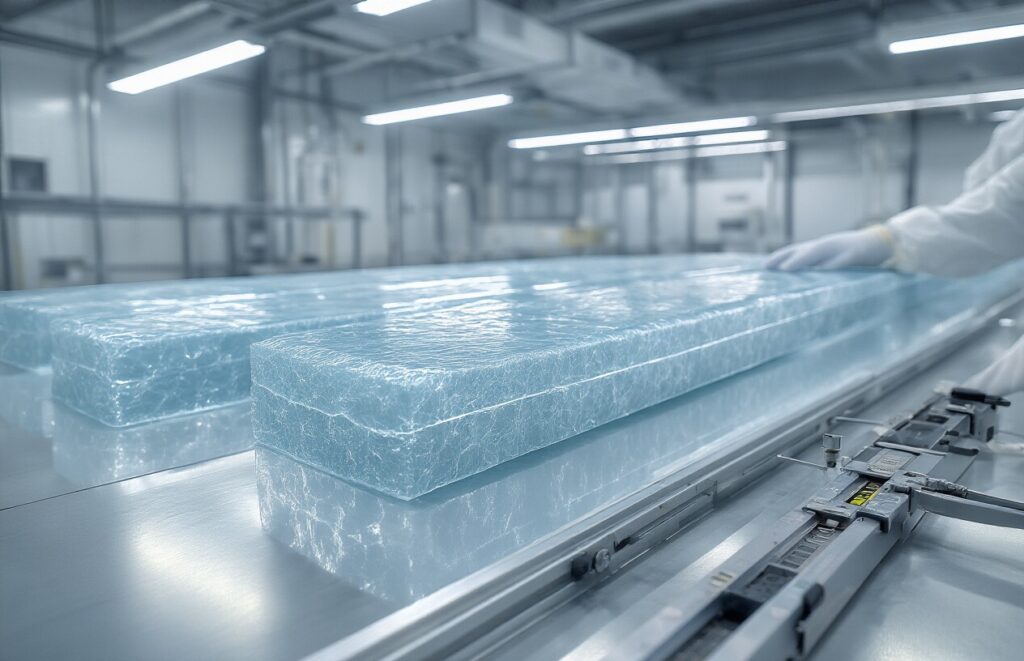
Clean surface preparation becomes critical when working with aerogel layers thinner than 5mm. Remove all dust, moisture, and contaminants using lint-free cloths and approved solvents. Apply gentle, uniform pressure during installation to prevent compression that reduces thermal performance. Seal edges immediately with compatible tapes to prevent moisture infiltration and thermal bridging.
Temperature-controlled installation environments prevent aerogel degradation during application. Work in conditions between 15-25°C with humidity below 60%. Use specialized adhesives designed for aerogel compatibility, avoiding standard construction adhesives that can compromise the material’s nanoporous structure and create unwanted thermal pathways.
Combining aerogel with other materials for enhanced results
Quality assurance testing for thin applications
Long-term performance monitoring strategies
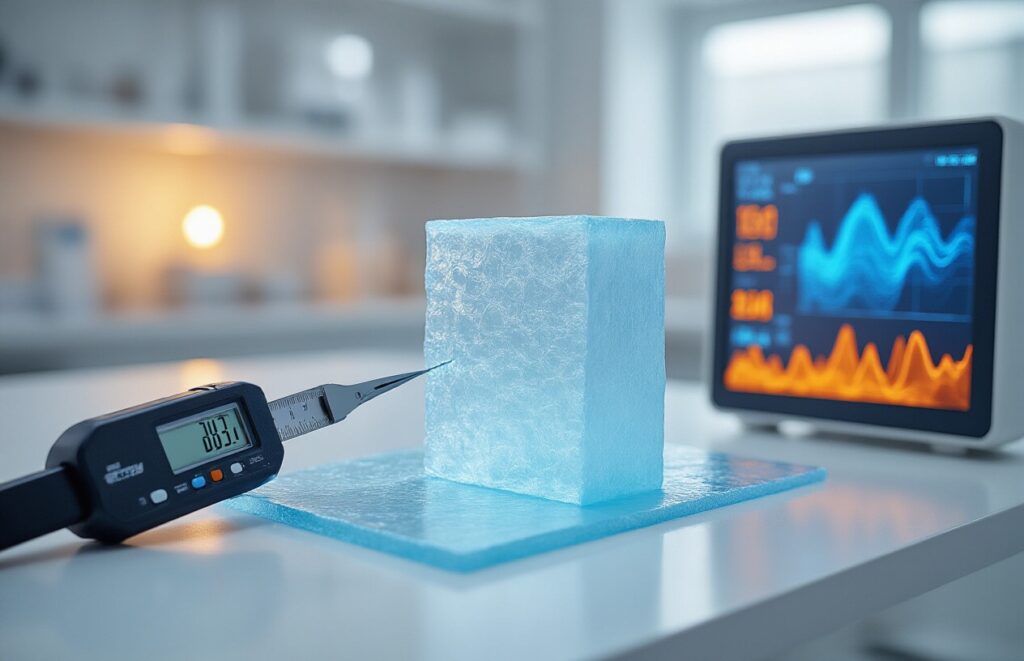
Aerogel insulation proves that size doesn’t always matter when it comes to thermal performance. While traditional insulation materials lose their effectiveness when compressed or thinned, aerogel maintains impressive insulating properties even at remarkably thin thicknesses. The key lies in understanding critical thickness thresholds and working with the material’s unique properties rather than against them.
Getting the most out of ultra-thin aerogel installations comes down to careful planning and attention to detail. Consider your specific application needs, account for thermal bridging, and don’t forget about proper installation techniques. When done right, aerogel can deliver outstanding thermal performance in spaces where conventional insulation won’t fit. Start with your project requirements and work backward to determine the optimal thickness that balances performance, cost, and space constraints.