
Aerogel insulation is transforming the way industrial facilities protect their piping systems against heat loss and temperature extremes. This advanced material offers engineers, facility managers, and industrial contractors a game-changing solution that outperforms traditional insulation methods.
Industrial piping systems face constant challenges from temperature fluctuations, space constraints, and energy costs. Aerogel insulation addresses these problems through its unique properties, delivering exceptional results in demanding environments.
This guide covers the key advantages of aerogel insulation for industrial applications. We’ll explore how its superior thermal performance cuts energy costs while taking up minimal space around pipes. You’ll also learn about aerogel’s ability to handle extreme temperatures and maintain its effectiveness over years of continuous use.
Superior Thermal Performance Benefits of Aerogel Insulation
Ultra-low thermal conductivity reduces heat loss by up to 90%
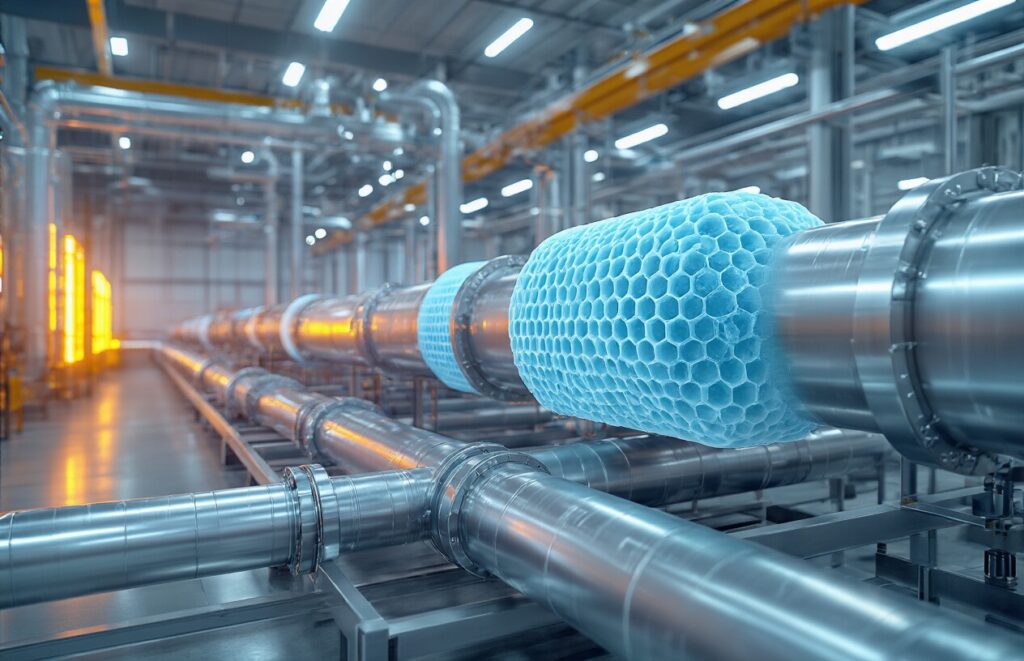
Aerogel insulation achieves thermal conductivity as low as 0.013 W/mK, significantly outperforming traditional materials such as fiberglass and mineral wool. This exceptional property stems from aerogel’s nanoporous structure, which traps air molecules and virtually eliminates conductive heat transfer through industrial piping systems.
Maintains consistent temperatures across long pipeline runs
Extended pipeline networks benefit from aerogel’s superior thermal stability, preventing temperature fluctuations that plague conventional insulation materials. The consistent thermal barrier ensures process fluids maintain target temperatures over distances spanning hundreds of meters, eliminating hot spots and cold zones that compromise system efficiency and product quality in critical industrial applications.
Enhanced Energy Efficiency and Cost Savings
Significant reduction in energy consumption for heating and cooling
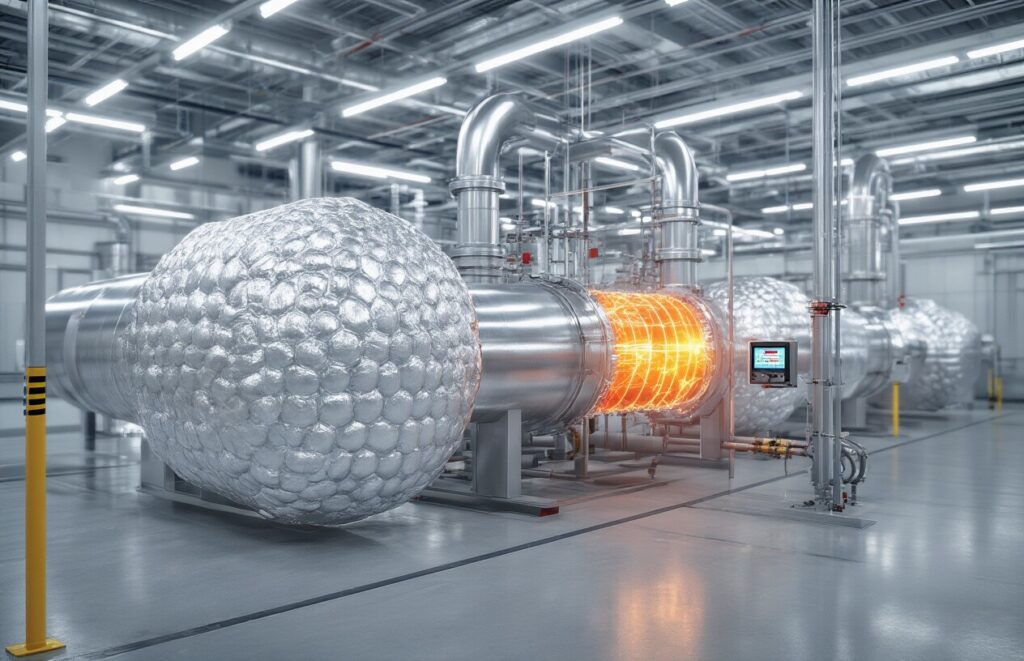
Aerogel insulation dramatically cuts energy consumption by providing exceptional thermal resistance in a remarkably thin profile. Industrial facilities see energy reductions of 30-50% when upgrading from traditional insulation materials to aerogel systems. The superior thermal barrier prevents unwanted heat transfer, allowing HVAC systems to operate more efficiently while maintaining optimal process temperatures with less energy input.
Lower operating costs through reduced heat transfer
Monthly utility bills drop significantly when aerogel insulation minimizes heat loss and gain in piping systems. The material’s ultra-low thermal conductivity keeps hot pipes hot and cold pipes cold without requiring constant energy input to compensate for thermal losses. Reduced energy demands translate directly into lower operational expenses, creating measurable cost savings that compound over time across large industrial operations.
Faster return on investment compared to traditional insulation materials
| Material Type | Typical ROI Period | Energy Savings |
| Traditional Insulation | 5-7 years | 15-25% |
| Aerogel Insulation | 2-4 years | 30-50% |
Despite higher upfront costs, aerogel insulation pays for itself faster through superior energy savings. The combination of reduced energy consumption and lower maintenance requirements creates a compelling financial case. Most industrial installations recover their aerogel investment within three years, compared to five or more years for conventional insulation solutions.
Space-Saving Installation Advantages
Compact Design Reduces Required Clearance Around Pipes
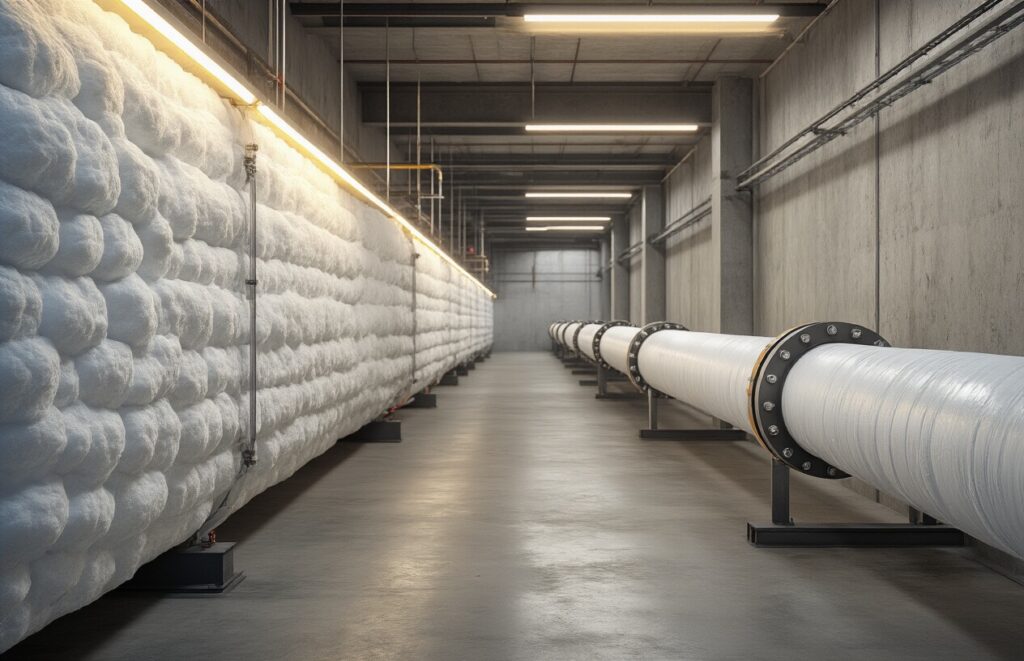
Aerogel insulation’s ultra-thin profile dramatically reduces the space required around industrial piping systems. Traditional insulation materials often require several inches of clearance, but aerogel achieves superior thermal performance with just a fraction of that thickness. This allows pipes to be installed closer together and in tighter spaces without compromising insulation effectiveness.
Lightweight Properties Minimize Structural Load Requirements
The exceptionally low density of aerogel insulation reduces structural stress on pipe supports and building frameworks. Unlike heavy conventional materials that demand reinforced mounting systems, aerogel’s feather-light weight allows existing infrastructure to handle additional insulation without costly structural modifications. This weight advantage becomes especially valuable in overhead installations and aging facilities where load capacity is limited.
Flexible Application in Confined Industrial Spaces
Aerogel’s moldable characteristics and thin profile make it perfect for cramped industrial environments where space is at a premium. The material easily wraps around complex pipe geometries, valves, and fittings that would be challenging for bulkier insulation types. Maintenance crews can work more efficiently in tight quarters since the reduced insulation thickness provides better access to equipment and components.
Extreme Temperature Resistance Capabilities
Stable performance from cryogenic to high-temperature applications
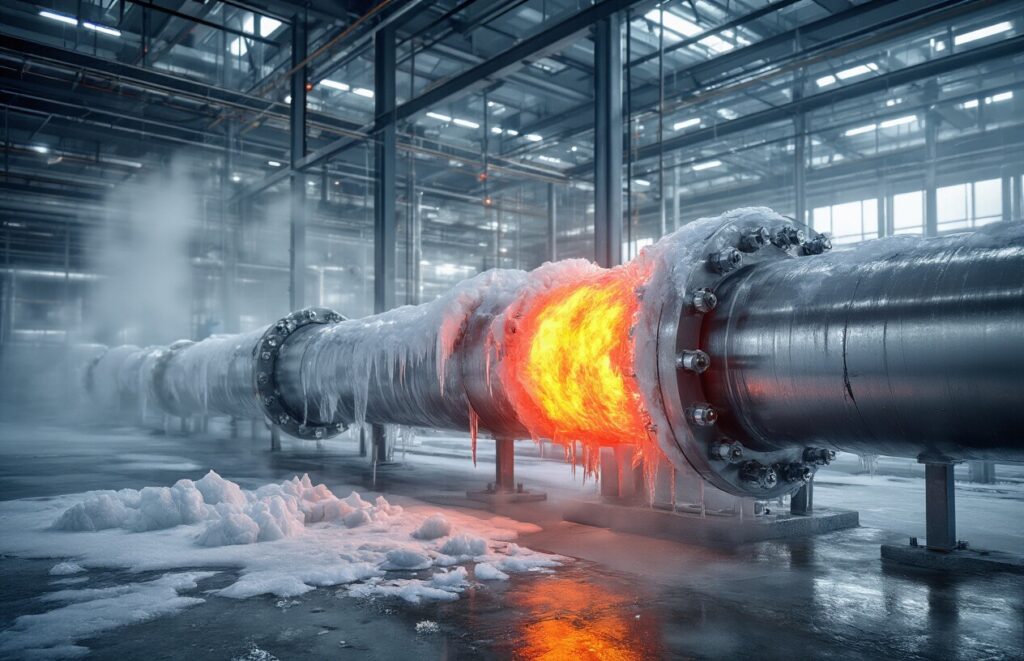
Aerogel insulation delivers consistent thermal protection across an incredible temperature range, from cryogenic applications at -200°C to high-temperature environments reaching 1000°C. This remarkable stability stems from aerogel’s unique silica-based structure, which remains intact even under extreme thermal stress. Unlike traditional insulation materials that degrade or lose effectiveness at temperature extremes, aerogel maintains its low thermal conductivity throughout this entire range.
Maintains insulating properties under thermal cycling conditions
Repeated heating and cooling cycles pose significant challenges for conventional insulation systems, often causing cracking, shrinkage, or complete failure. Aerogel demonstrates exceptional resilience under thermal cycling, maintaining structural integrity and insulating performance even after thousands of temperature cycles. The material’s low thermal expansion coefficient prevents stress buildup that typically damages other insulation types, making it ideal for systems experiencing frequent temperature variations or startup-shutdown cycles.
Superior performance in steam and hot oil pipeline systems
Steam distribution networks and hot oil transfer systems require insulation that can withstand sustained high temperatures while preventing energy loss. Aerogel excels in these applications, providing superior thermal resistance at temperatures up to 650°C for steam systems and 400°C for hot oil pipelines. The material’s hydrophobic properties prevent moisture absorption, which commonly plagues traditional insulation in steam environments, while its chemical inertness resists degradation by hot oils and process chemicals.
Effective insulation for liquefied gas transportation lines
Cryogenic applications such as LNG and liquid nitrogen transportation require insulation that performs flawlessly at ultra-low temperatures. Aerogel’s exceptional performance at -200°C makes it ideal for these demanding applications, preventing heat ingress that can cause product loss due to vaporization. The material’s flexibility at cryogenic temperatures eliminates the brittleness issues common with conventional insulation, while its vapor barrier properties prevent moisture infiltration that can freeze and damage piping systems.
Durability and Long-Term Performance Benefits
Resistance to Moisture Absorption and Degradation
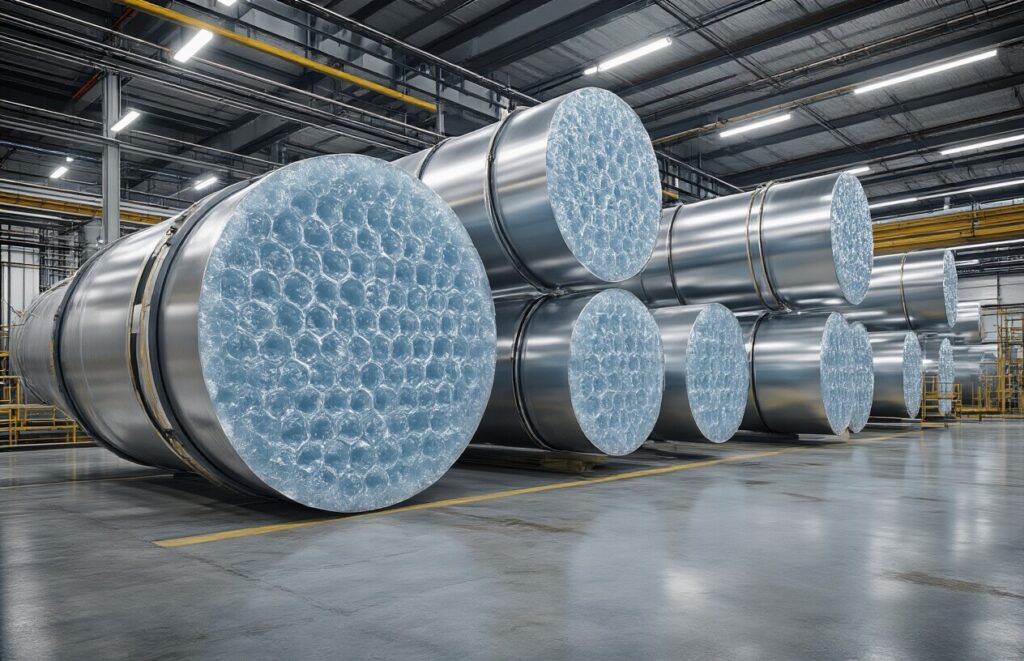
Aerogel insulation excels in humid industrial environments due to its hydrophobic properties. The material’s unique structure repels water molecules, preventing the formation of thermal bridges that compromise insulation effectiveness. Unlike traditional materials that lose performance when wet, aerogel maintains consistent thermal properties even in high-moisture conditions. This resistance extends operational reliability across diverse industrial settings, from chemical processing plants to offshore facilities.
Maintains Structural Integrity Under Mechanical Stress
Extended Service Life Reduces Replacement Frequency
Industrial facilities benefit significantly from aerogel’s exceptional longevity compared to conventional insulation materials. While traditional options typically require replacement every 5-10 years, aerogel systems can perform effectively for 15-25 years under normal operating conditions. This extended lifespan translates to reduced downtime for maintenance activities and lower total cost of ownership.
Chemical Resistance Against Industrial Corrosives
Minimal Maintenance Requirements Over Operational Lifetime
| Maintenance Aspect | Traditional Insulation | Aerogel Insulation |
| Inspection Frequency | Quarterly | Annually |
| Repair Requirements | High | Minimal |
| Performance Monitoring | Continuous | Periodic |
| Replacement Schedule | 5-10 years | 15-25 years |
The robust nature of aerogel insulation dramatically reduces maintenance demands throughout its operational life. Regular inspections reveal minimal degradation, eliminating the frequent repairs common with traditional materials. This reliability allows maintenance teams to focus resources on other critical systems rather than constantly addressing insulation failures.
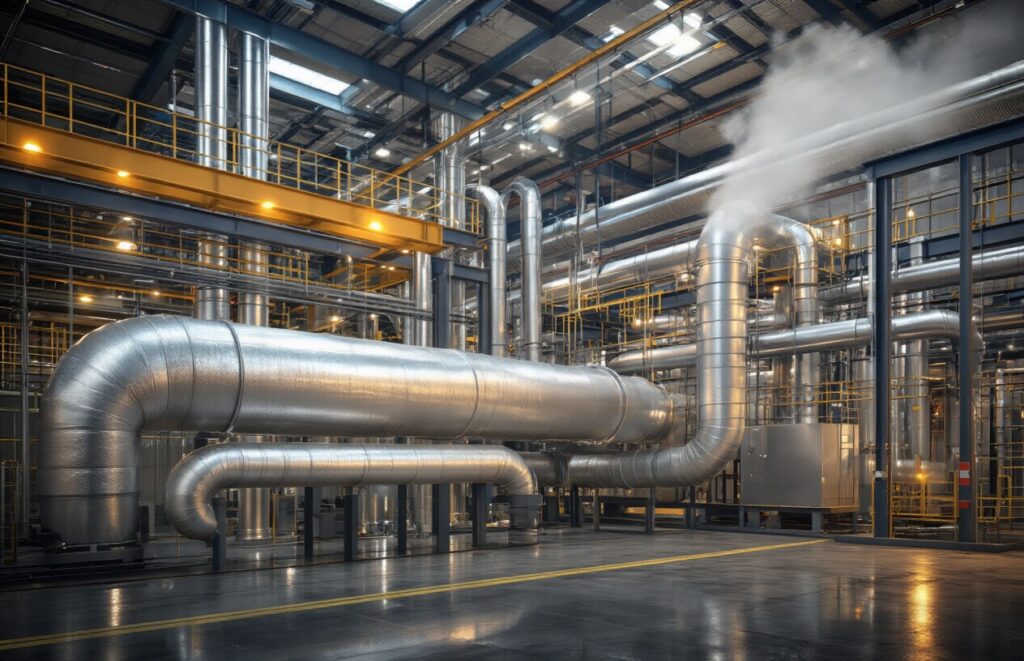
Aerogel insulation brings real game-changing benefits to industrial piping systems. Its exceptional thermal performance minimizes heat loss while saving valuable space during installation. The energy savings add up quickly, making it a smart financial choice for businesses looking to cut operating costs. Plus, its ability to withstand extreme temperatures and last for years means you won’t have to deal with frequent replacements.
If you’re managing an industrial facility with complex piping systems, aerogel insulation deserves serious consideration. The upfront investment pays for itself through lower energy bills and reduced maintenance needs. Talk to your engineering team about where aerogel could make the biggest impact in your operations – your bottom line will thank you later.