
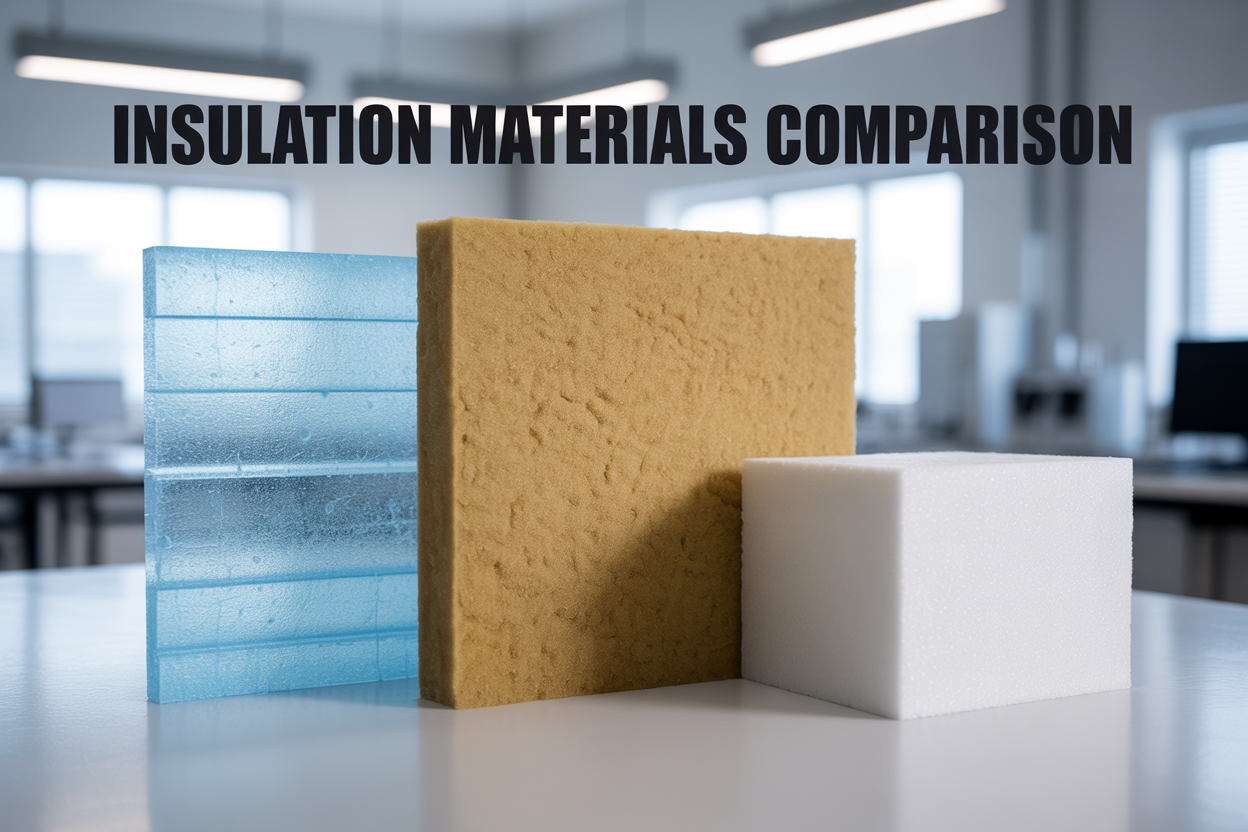
Choosing the right insulation material can make or break your energy efficiency goals. Homeowners, contractors, and building professionals need to understand how aerogel, PIR, and PU foam stack up against each other before making this critical decision.
This guide is designed for anyone facing insulation choices – from DIY homeowners planning basement upgrades to construction professionals specifying materials for commercial projects.
We’ll break down the thermal performance of each material so you can see which one actually delivers the best R-value for your specific application. You’ll also get a realistic look at installation requirements and costs, helping you figure out which option gives you the most bang for your buck. Finally, we’ll cover the real-world scenarios where each insulation type shines so that you can match the right material to your project’s needs.
Understanding Each Insulation Material’s Core Properties
Aerogel’s Ultra-Low Thermal Conductivity and Lightweight Structure
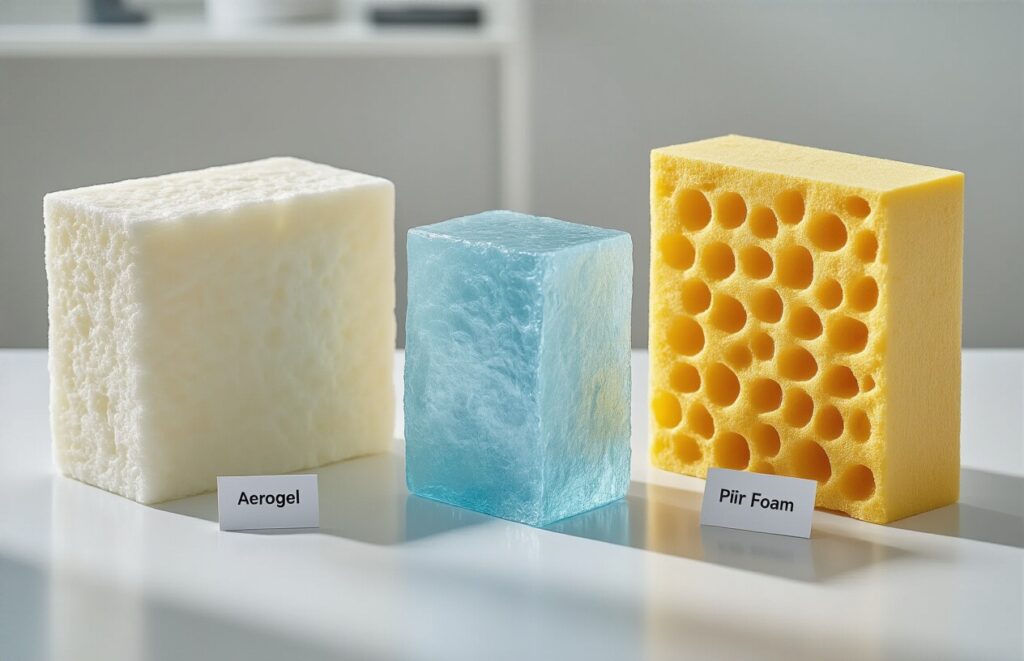
Aerogel stands as the superstar of insulation materials, boasting thermal conductivity values as low as 0.013 W/mK – making it three times more effective than traditional fiberglass. This nanoporous material consists of 99% air trapped within a silica matrix, creating an incredibly lightweight structure that weighs only slightly more than air itself. The unique gel-to-aerogel manufacturing process removes liquid while preserving the solid network, resulting in exceptional insulating properties that outperform virtually all other materials.
PIR Foam’s Fire Resistance and Dimensional Stability
PIR (Polyisocyanurate) foam brings impressive fire resistance to the table with its self-extinguishing properties and ability to form a protective char layer when exposed to flames. This rigid foam maintains dimensional stability across temperature fluctuations, preventing thermal bridging and maintaining consistent R-values over time. The closed-cell structure provides thermal conductivity values of around 0.022-0.028 W/mK, while offering excellent moisture resistance and structural integrity, making it ideal for commercial roofing applications.
PU Foam’s Versatility and Cost-Effectiveness
Polyurethane foam shines through its remarkable adaptability, available in both spray-applied and rigid board formats to suit diverse installation needs. This material offers solid thermal performance with conductivity values ranging from 0.020 to 0.030 W/mK, striking an excellent balance between insulating capability and affordability. PU foam excels in filling irregular spaces and creating seamless thermal barriers, making it the go-to choice for residential applications where budget constraints meet performance requirements.
Density and Thickness Comparisons That Impact Performance
| Material | Density (kg/m³) | Typical Thickness (mm) | Thermal Conductivity (W/mK) |
| Aerogel | 80-200 | 10-50 | 0.013-0.014 |
| PIR Foam | 30-40 | 50-150 | 0.022-0.028 |
| PU Foam | 30-80 | 50-200 | 0.020-0.030 |
The relationship between density and performance varies significantly across these materials. Aerogel achieves superior insulation with minimal thickness due to its unique nanostructure, whereas PIR and PU foams require greater thickness to match its performance. Higher-density versions of PU foam generally provide better insulation but increase weight and cost considerations for structural applications.
Thermal Performance Analysis Across Different Applications
R-Value Measurements and Heat Transfer Prevention
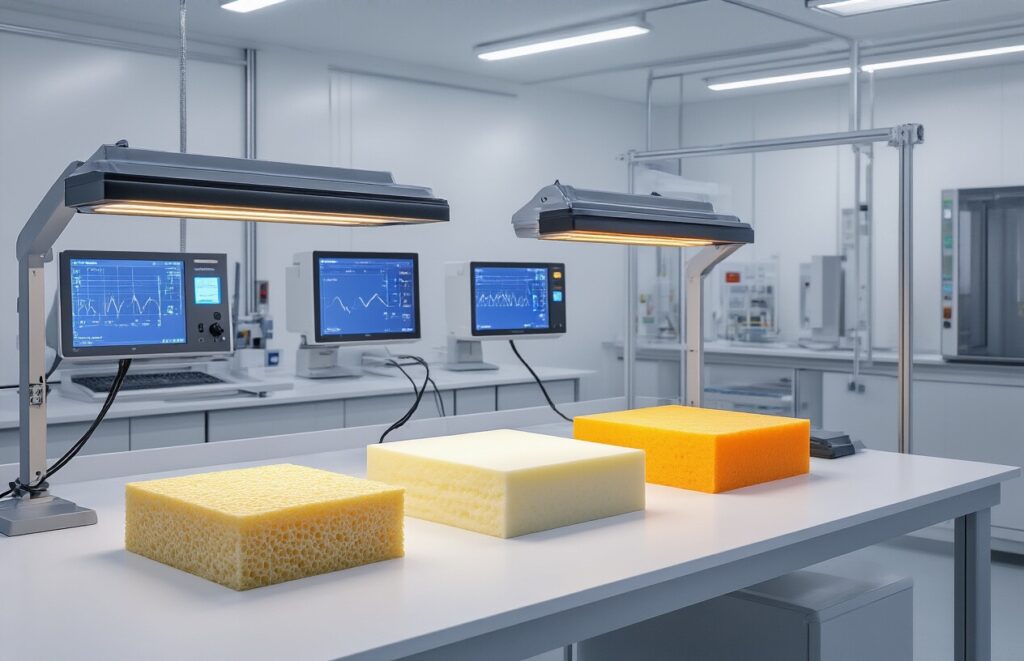
Aerogel dominates thermal resistance with R-values reaching 10-14 per inch, making it the most effective insulator per unit thickness. PIR foam delivers solid performance at R-6.5-7.0 per inch, while PU foam provides R-5.5-6.5 per inch. These measurements translate directly to energy savings, with aerogel requiring the thinnest profile for equivalent thermal protection.
Temperature Range Effectiveness for Each Material
| Material | Operating Range | Peak Performance |
| Aerogel | -200°F to 1200°F | Extreme temperatures |
| PIR Foam | -40°F to 300°F | Moderate heat applications |
| PU Foam | -40°F to 200°F | Standard building conditions |
Aerogel maintains consistent performance across the widest temperature spectrum, while PIR and PU foams excel within typical construction environments but degrade under extreme conditions.
Long-Term Performance Degradation Factors
Moisture exposure significantly affects PU foam, causing cell-structure breakdown and reduced R-values over time. PIR foam shows better moisture resistance but can experience thermal drift, losing up to 10% efficiency over decades. Aerogel demonstrates exceptional stability, maintaining thermal properties for 20+ years with minimal degradation when properly protected from physical damage and moisture infiltration.
Installation Requirements and Practical Considerations
Application Methods and Equipment Needed
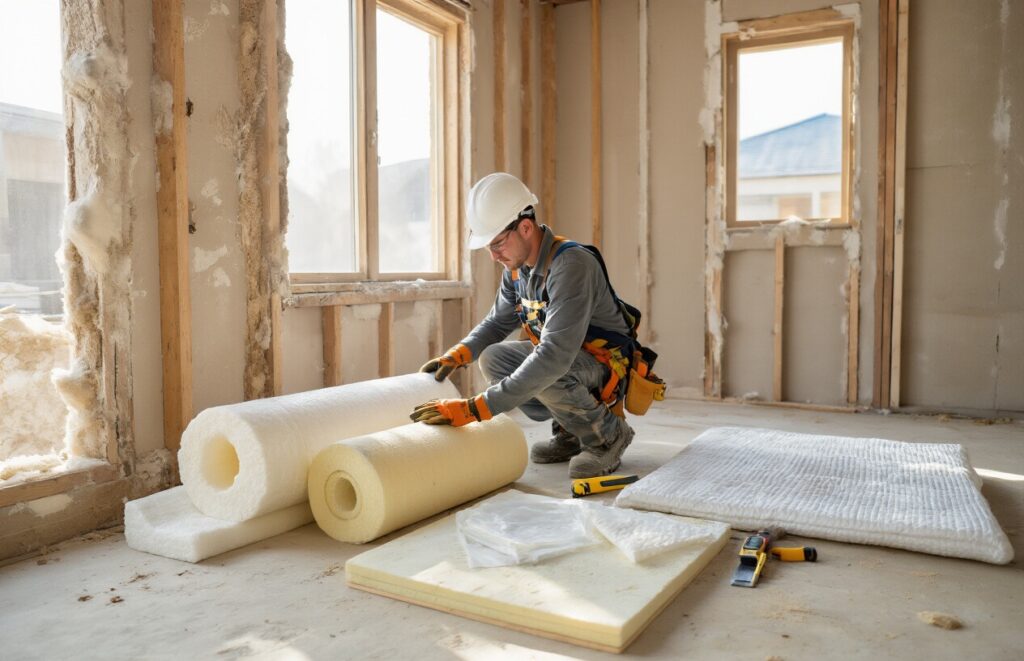
Aerogel insulation comes in blanket form or rigid panels, requiring basic cutting tools and standard fasteners. PIR foam boards need specialized cutting equipment for precise fits, while spray PU foam demands professional application equipment, including heated hoses, spray guns, and mixing chambers. Aerogel installation resembles traditional insulation methods; PIR requires careful measuring and mechanical fastening; and PU foam application requires trained technicians with protective gear.
Surface Preparation and Compatibility Issues
| Material | Surface Requirements | Compatibility Issues |
| Aerogel | Clean, dry surfaces | Works with most substrates |
| PIR | Smooth, level surfaces | Moisture barriers needed |
| PU Foam | Clean surfaces only | Chemical reactions possible |
Aerogel blankets conform easily to irregular surfaces, while PIR boards require precise measurements and a level substrate. PU foam expands significantly during curing, potentially damaging nearby materials if not properly contained.
Labor Costs and Installation Time Differences
PU foam offers the fastest installation since it’s sprayed directly onto surfaces and self-levels. PIR installation takes a moderate time due to cutting and fitting requirements, while aerogel installation speed varies by application method. Labor costs reflect these time differences, with PU foam requiring skilled applicators but completing projects quickly, PIR needing standard construction workers for longer periods, and aerogel falling somewhere between, depending on the specific product type.
Maintenance Requirements Over Time
Aerogel maintains performance with minimal intervention, occasionally requiring replacement of damaged sections. PIR boards may need joint sealing maintenance and moisture barrier checks every few years. PU foam typically requires the least ongoing maintenance once properly cured, though damaged areas need complete removal and reapplication rather than spot repairs.
Cost Analysis and Return on Investment

Initial Material Costs Per Square Foot Coverage
| Insulation Type | Cost per sq ft | R-value per inch |
| Aerogel | $8-15 | 10-14 |
| PIR Foam | $1.50-3.00 | 6-7 |
| PU Foam | $1.00-2.50 | 5-6 |
Aerogel commands premium pricing due to its advanced manufacturing process and exceptional thermal properties. PIR foam sits in the middle range, offering solid performance at moderate cost. Polyurethane foam provides the most budget-friendly option while still delivering reliable insulation performance.
Installation Labor and Equipment Expenses
PIR and PU foam panels require standard construction tools and moderate skill levels, keeping labor costs reasonable at $2-4 per square foot. Aerogel installation demands specialized training and careful handling procedures, pushing labor costs to $5-8 per square foot. Spray foam applications need professional equipment and certification, adding $1-3 per square foot to installation expenses.
Long-Term Energy Savings Calculations
Aerogel’s superior R-value translates to 15-25% greater energy savings compared to conventional insulation. A typical 2,000-square-foot home insulated with aerogel saves $300-500 annually on heating and cooling costs. PIR foam achieves 10-15% energy savings over standard materials, while PU foam provides 8-12% improvements. Higher upfront costs for premium materials often pay dividends through reduced utility bills.
Payback Period for Different Building Types
| Building Type | Aerogel Payback | PIR Payback | PU Payback |
| Residential | 8-12 years | 5-7 years | 4-6 years |
| Commercial | 6-10 years | 4-6 years | 3-5 years |
| Industrial | 4-8 years | 3-5 years | 2-4 years |
Commercial and industrial buildings with higher energy consumption see faster returns on insulation investments. Residential applications typically require longer payback periods but still provide solid long-term value. Climate zones with extreme temperatures accelerate payback timelines by 1-2 years across all building types.
Durability and Environmental Impact Assessment
Moisture Resistance and Mold Prevention
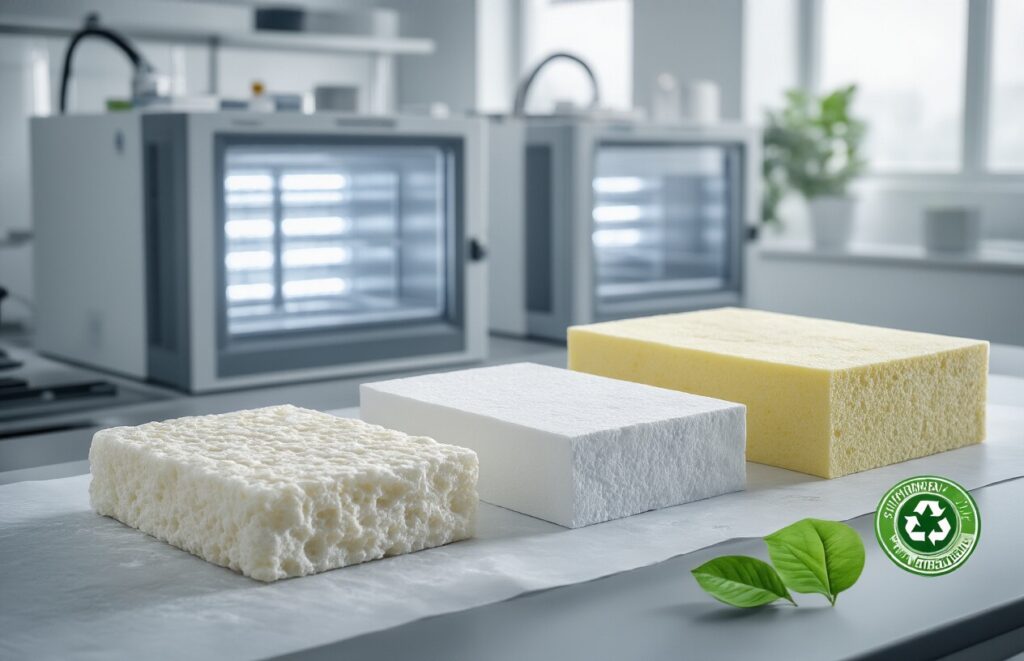
Aerogel stands out for its exceptional moisture resistance, thanks to its hydrophobic properties, which make it nearly impossible for water to penetrate. PIR foam offers good moisture resistance with a closed-cell structure, while PU foam varies significantly – closed-cell versions resist moisture well, but open-cell types absorb water readily.
UV Degradation and Weather Resistance
Direct sunlight rapidly degrades PU foam, necessitating protective coverings for outdoor applications. PIR foam shows better UV stability but still needs protection for long-term exposure. Aerogel remains unaffected by UV radiation and maintains performance under extreme weather conditions.
Environmental Sustainability and Recycling Options
| Material | Recyclability | Environmental Impact | Lifespan |
| Aerogel | Limited recycling | Low carbon footprint | 50+ years |
| PIR Foam | Difficult to recycle | Moderate impact | 25-30 years |
| PU Foam | Some recycling options | Higher impact | 20-25 years |
Aerogel offers the best environmental profile with minimal waste and the longest service life. PIR and PU foams pose recycling challenges, though newer formulations are improving sustainability by incorporating bio-based components and implementing better end-of-life processing methods.
Best Use Cases for Each Insulation Type
Aerogel Applications in Space-Constrained Projects
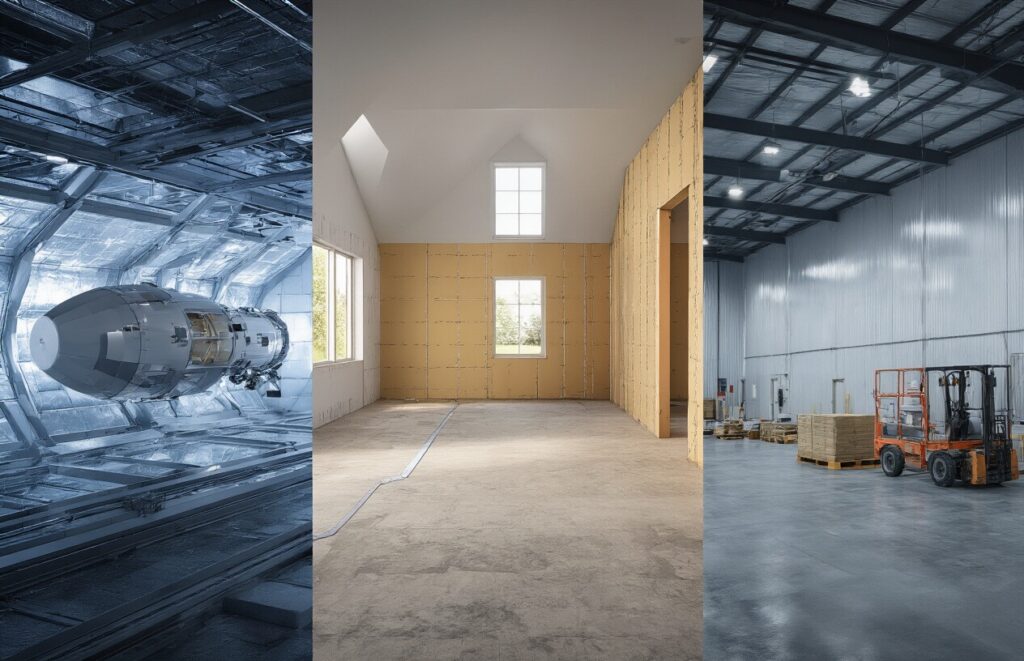
Aerogel excels where space comes at a premium. Its ultra-thin profile delivers exceptional thermal resistance without sacrificing valuable square footage. Renovation projects in historic buildings, skyscraper retrofits, and tiny homes benefit from aerogel’s compact design. The material’s flexibility accommodates irregular surfaces and tight corners that traditional insulation can’t reach.
PIR Foam Benefits for Fire-Rated Assemblies
PIR foam offers superior fire resistance compared to other foam insulations. Building codes often require fire-rated assemblies in commercial structures, multi-family housing, and industrial facilities. PIR maintains its insulating properties during fire exposure while releasing minimal toxic gases. Its closed-cell structure resists moisture infiltration, making it ideal for basement walls and below-grade applications where fire safety remains critical.
PU Foam Advantages in Budget-Conscious Installations
Polyurethane foam provides excellent performance at competitive pricing. New construction projects and large-scale renovations benefit from PU foam’s cost-effectiveness without compromising thermal efficiency. The material’s spray application eliminates thermal bridging and fills gaps seamlessly. Contractors appreciate PU foam’s quick curing time, which accelerates project timelines while maintaining quality insulation coverage.
Climate Zone Considerations for Optimal Performance
| Climate Zone | Best Material | Key Benefits |
| Cold (Zones 5-8) | PIR Foam | Superior R-value retention in freezing temperatures |
| Mixed (Zones 3-4) | PU Foam | Balanced moisture control and thermal performance |
| Hot-Humid (Zones 1-2) | Aerogel | Minimal thickness reduces cooling load |
Material selection depends heavily on regional climate patterns. Cold climates demand materials that maintain insulating properties at low temperatures. Hot climates require thin profiles that don’t add bulk while providing adequate thermal resistance. Mixed climates need balanced moisture management to prevent condensation issues during seasonal temperature swings.
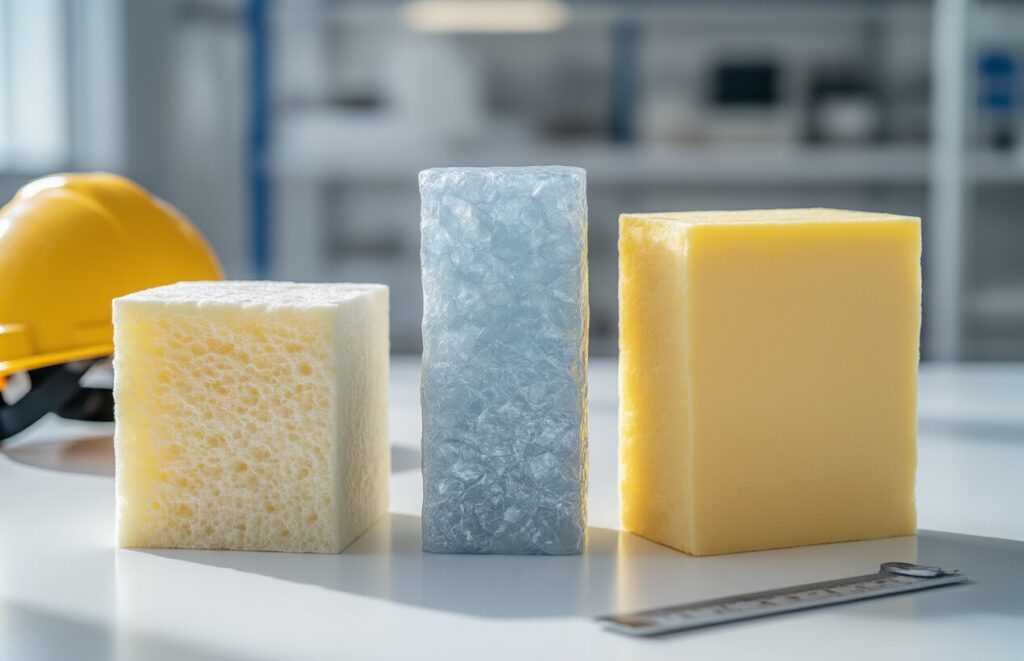
Choosing the right insulation material comes down to matching your specific needs with each material’s strengths. Aerogel offers unmatched thermal performance in tight spaces but comes with a hefty price tag, making it best suited for specialized applications. PIR foam strikes a solid middle ground with good thermal properties and fire resistance, making it ideal for most commercial and residential projects. PU foam remains the budget-friendly champion for basic insulation needs where extreme performance isn’t required.
Your decision should weigh thermal requirements against budget constraints and installation complexity. If you’re working on a high-performance building or have space limitations, aerogel’s superior insulation properties make it a worthwhile investment. For standard construction projects where fire safety is a priority, PIR foam delivers reliable performance without breaking the bank. When cost is your primary concern and basic insulation meets your needs, PU foam gets the job done effectively. Consider your project’s lifespan, environmental goals, and local building codes to make the smartest choice for your situation.