
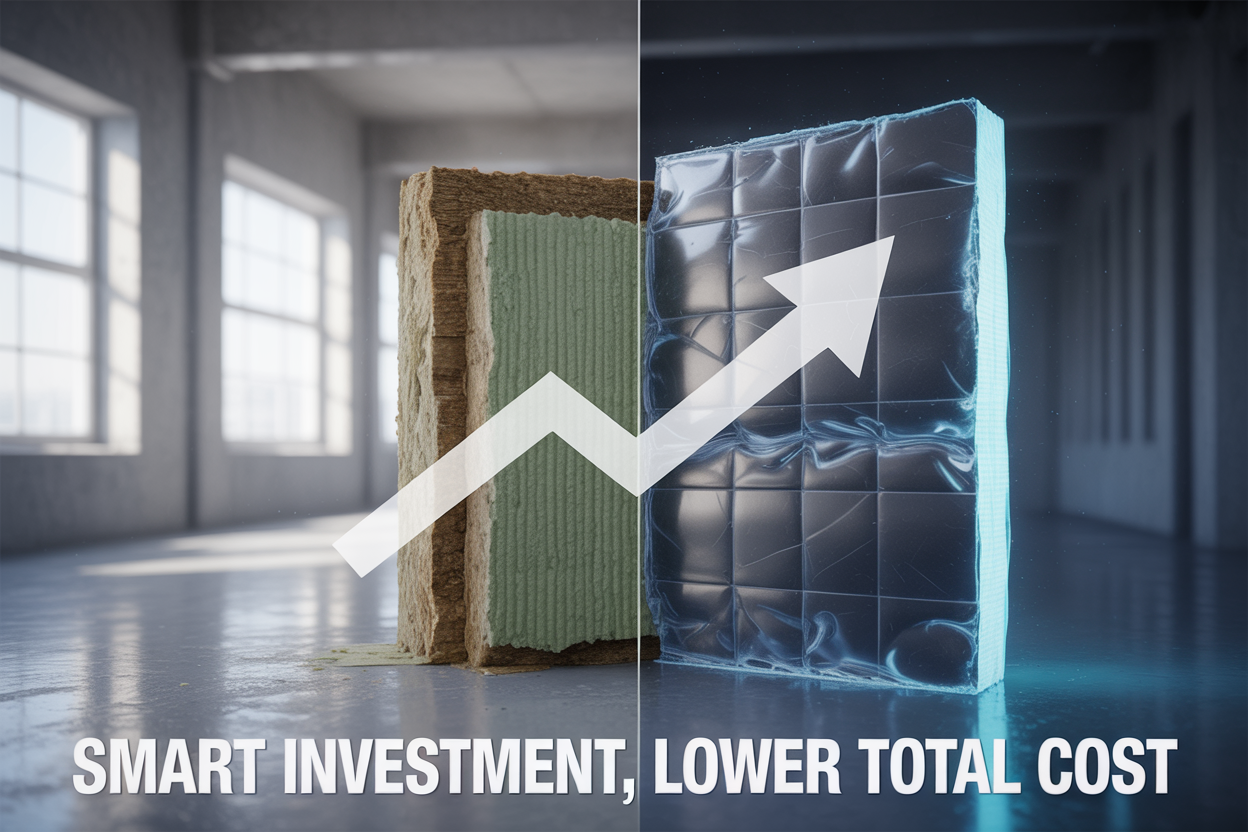
Aerogel Costs More Upfront — Here’s Why It Still Saves You Money
If you’ve looked into aerogel insulation and felt sticker shock, you’re not alone. The upfront cost is real, and it’s higher than that of conventional insulation. But the engineers, procurement managers, and project leads who’ve done the full math keep coming back to aerogel — because the numbers over time tell a completely different story.
This breakdown is for anyone making insulation decisions where long-term operating costs, energy efficiency, and ROI actually matter — think oil and gas, industrial process systems, cold chain, and construction.
Here’s what we’ll walk through:
- Why aerogel costs more to produce and what you’re actually paying for
- Where conventional insulation quietly bleeds money through heat loss, replacement cycles, and downtime
- How to calculate Aerogel’s real ROI so you can make the case internally with actual numbers
The aerogel’s total cost-of-ownership advantage isn’t a marketing claim — it’s a math problem. Let’s work through it.
Understanding Why Aerogel Costs More Upfront
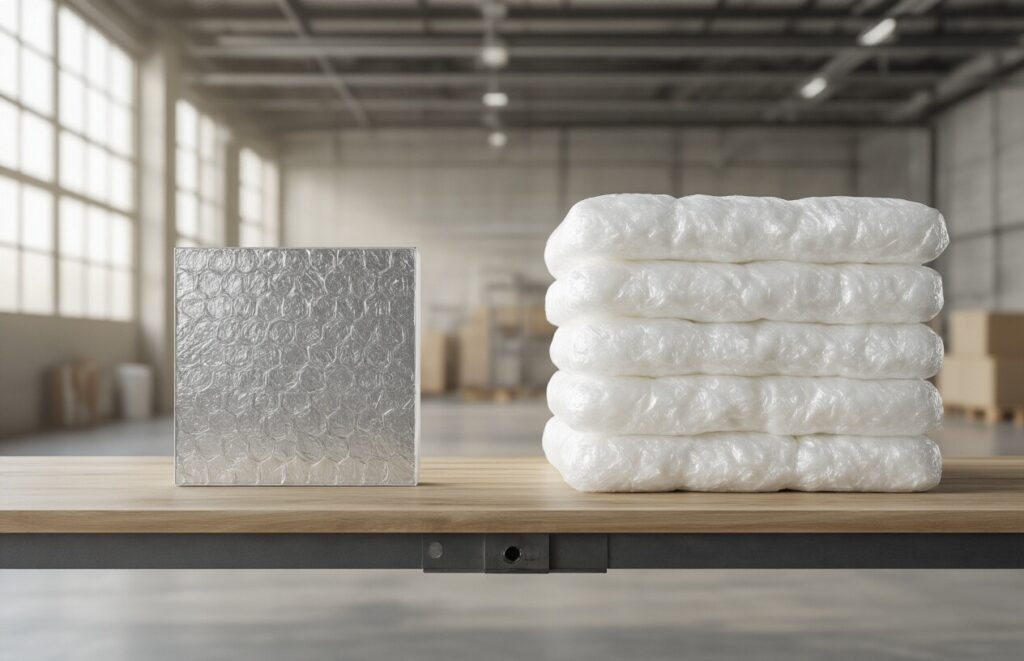
What Makes Aerogel More Expensive to Produce Than Conventional Insulation
High-performance insulation, including aerogel, has historically been perceived as inaccessible due to its higher cost relative to conventional alternatives. The materials and processes required to manufacture aerogel demand significantly greater investment, making the upfront cost a common barrier for buyers evaluating insulation options.
How Advanced Manufacturing Processes Drive Initial Price Points
With this in mind, the premium associated with aerogel stems directly from its complex production requirements. Unlike standard insulation materials, aerogel undergoes sophisticated manufacturing that justifies its higher purchase price. Why high-performance materials command a premium at purchase is straightforward — the engineering precision and resource intensity embedded in every panel or blanket are reflected in the cost, positioning aerogel as a specialized, high-value product.
The Hidden Costs of Cheap Conventional Insulation
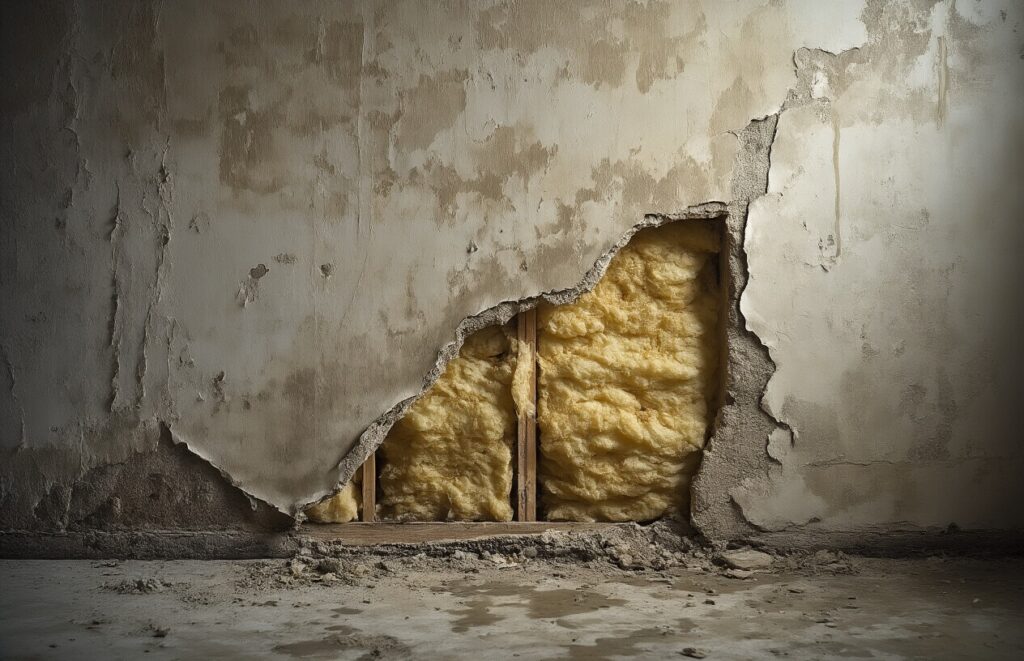
Operational Inefficiencies Caused by Bulky or Underperforming Insulation
Conventional high-performance insulation has often been too bulky or difficult to deploy, leading to significant operational inefficiencies in industrial and commercial applications. Thick, cumbersome materials demand more space, complicate installation workflows, and can restrict access to critical system components — translating directly into lost productivity and higher labor costs over time.
With this in mind, next we’ll see how aerogel’s superior thermal performance directly addresses these inefficiencies. By delivering exceptional insulating capability in a far slimmer profile, aerogel eliminates the spatial and operational penalties that conventional materials routinely impose, fundamentally reshaping the total cost of ownership.
How Aerogel Delivers Superior Thermal Performance That Saves Money
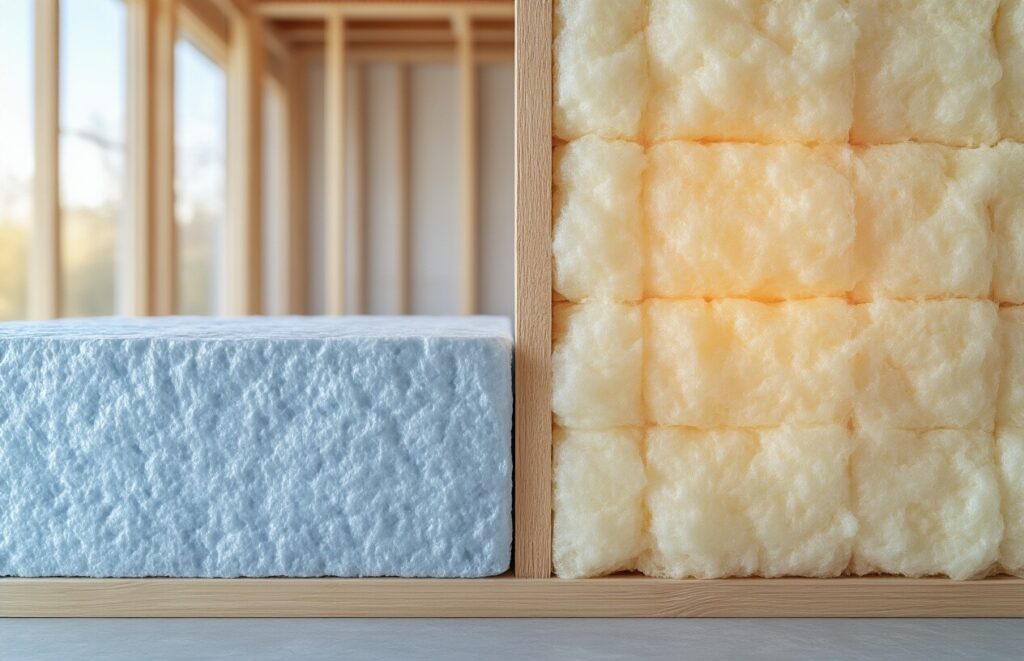
Unmatched Insulation Efficiency That Drastically Reduces Heat Loss
Aerogel’s extraordinary thermal performance makes it one of the most powerful tools for cutting industrial heat losses. As DashamLabs advances next-generation silica aerogel insulation through process innovation, the material’s energy-saving potential becomes increasingly accessible, directly reducing operational energy costs over time.
Thinner Profiles That Save Space and Simplify Installation
With this in mind, aerogel’s efficiency also translates into thinner insulation profiles, simplifying installation while preserving valuable space. DashamLabs’ focus on scalable, cost-efficient production ensures that these advantages compound in large-scale industrial applications, making aerogel the natural choice for energy efficiency worldwide and eliminating the need for repeated capital expenditure on replacement materials.
Industries That Gain the Most From Aerogel’s Total Cost Advantage

Oil and Gas Operations Cutting Energy and Maintenance Costs
Aerogel insulation delivers measurable value in oil and gas environments, where thermal efficiency directly impacts operating costs. Its design prioritizes scalability and ease of use, making it a practical choice for pipelines, equipment, and facilities requiring consistent thermal management with reduced maintenance intervention over time.
Cold Chain Logistics, Mobility, Aerospace, and Process Systems
With this in mind, cold chain logistics benefit from aerogel’s ability to protect product integrity while minimizing energy consumption during transport and storage. Mobility and aerospace applications benefit from its lightweight efficiency, where every gram saved translates into performance gains and fuel savings. Process systems, meanwhile, achieve reliable thermal control that supports operational consistency across demanding industrial conditions.
Calculating the Real Return on Investment for Aerogel Insulation

How to Compare Upfront Cost Against Lifetime Energy Savings
Aerogel technology is engineered to dramatically reduce energy waste, meaning the upfront premium pays for itself through sustained energy savings over the insulation’s lifetime. When comparing costs, factor in annual energy savings, durability, and reduced replacement frequency relative to conventional alternatives to build a clear, data-driven TCO picture.
Factoring in Reduced Downtime and Maintenance Into the TCO Model
With this in mind, next, we’ll see how operational continuity strengthens Aerogel’s ROI case. Because aerogel combats energy waste at a structural level, facilities experience fewer thermal failures and less maintenance intervention, directly reducing costly downtime that conventional insulation cannot prevent.
Environmental Benefits That Translate Into Regulatory and Operational Value
Previously, I’ve highlighted aerogel’s performance advantages. Now consider its broader mission: aerogel technology actively addresses global climate challenges, empowering industries to operate sustainably. This environmental contribution translates into measurable regulatory value, including potential compliance advantages, carbon reduction credits, and alignment with sustainability mandates that increasingly influence operational budgets and long-term business viability.
How Scalable Production Is Making Aerogel More Accessible
Process Innovation That Brings Down Manufacturing Costs
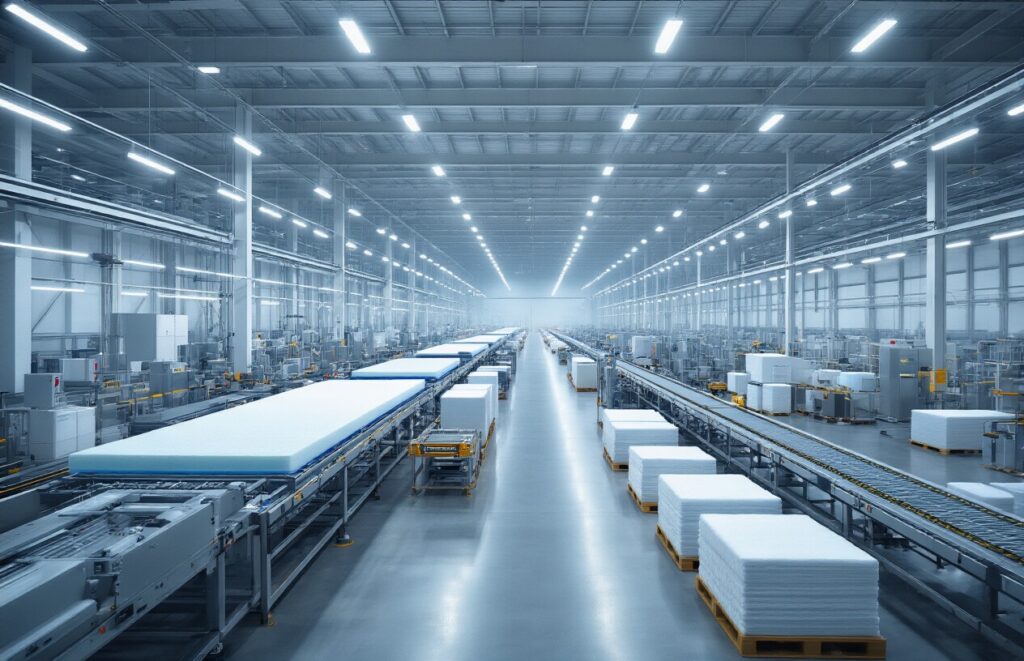
DashamLabs is building next-generation silica aerogel insulation through deliberate process innovation that makes manufacturing cost-efficient and scalable. Their fully Indian-patented breakthrough in materials science reimagines how aerogel is produced, eliminating inefficiencies that have historically kept pricing out of reach for broader markets.
Continuous Production at Scale Reducing Per-Unit Pricing
With this in mind, continuous production at scale is central to DashamLabs’ approach, directly reducing per-unit pricing. This scalability positions India as a global leader in advanced materials while democratizing access to high-performance insulation worldwide — aerogel made in India, built for the world.
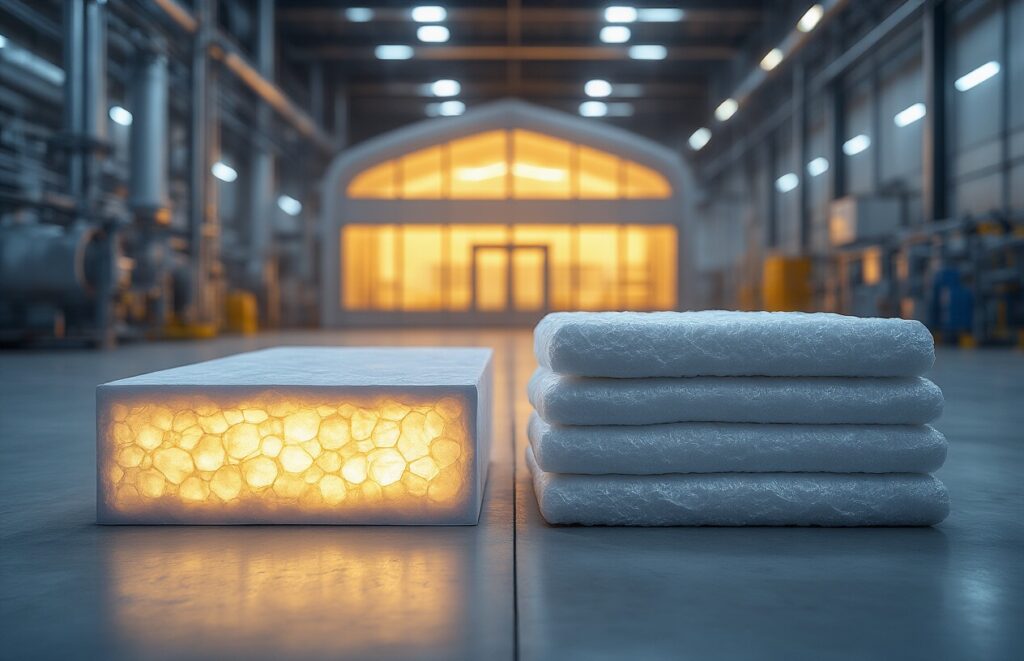
The upfront cost of aerogel insulation is real — but so is the financial logic behind it. As explored throughout this post, conventional insulation may appear cheaper at first glance. Still, it consistently falls short when you account for heat loss, maintenance, replacements, and energy waste over time. Aerogel’s superior thermal performance, slim profile, and long service life combine to deliver a total cost of ownership that simply outperforms traditional alternatives — across oil and gas, cold chains, mobility, and beyond. When the full return on investment is calculated honestly, aerogel pays for itself.
The barrier to adoption is also shrinking. Innovations in scalable production are making aerogel more accessible than ever, and companies like DashamLabs are at the forefront of that shift — engineering next-generation silica aerogel flexible sheets through process innovations that make high-performance insulation cost-efficient and easy to deploy at scale. If your industry depends on energy efficiency, thermal reliability, or reducing long-term operational costs, now is the time to take a closer look at what aerogel can do for your bottom line.