
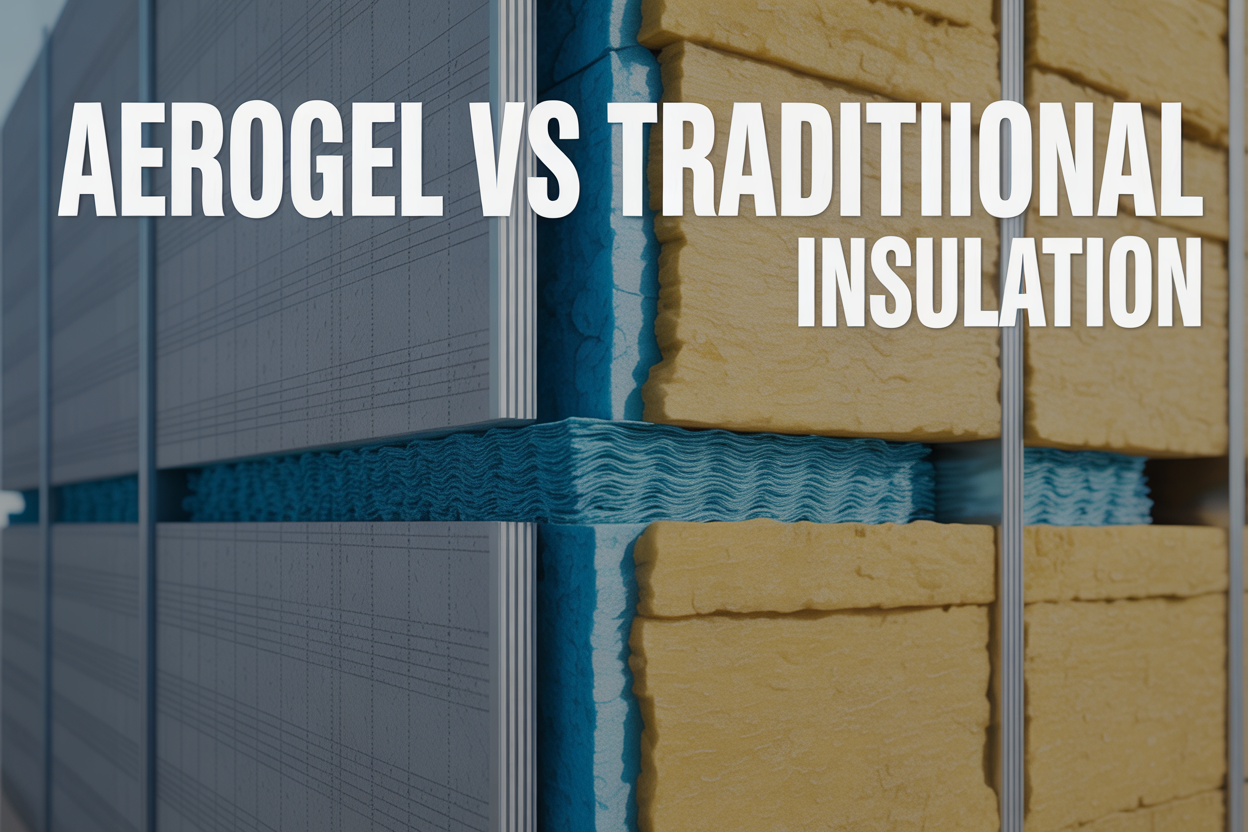
Aerogel insulation delivers game-changing thermal performance, leaving traditional insulation materials in the dust. This revolutionary technology offers building professionals, architects, and property owners a smarter way to tackle energy efficiency challenges in both residential and commercial projects.
Traditional fiberglass, foam, and cellulose insulation simply can’t match aerogel’s incredible R-value per inch or its space-saving design. While conventional materials struggle with moisture issues and thermal bridging, aerogel maintains its performance in harsh conditions while taking up minimal space.
We’ll explore how aerogel’s unique nanoporous structure creates superior thermal barriers compared to standard options. You’ll also discover the significant space-saving advantages that make aerogel perfect for modern construction, where every inch counts. Finally, we’ll break down the long-term cost benefits that make this premium material a smart investment despite higher upfront costs.
Understanding Aerogel Technology and Its Unique Properties
Ultra-low-density structure creates superior thermal barriers.
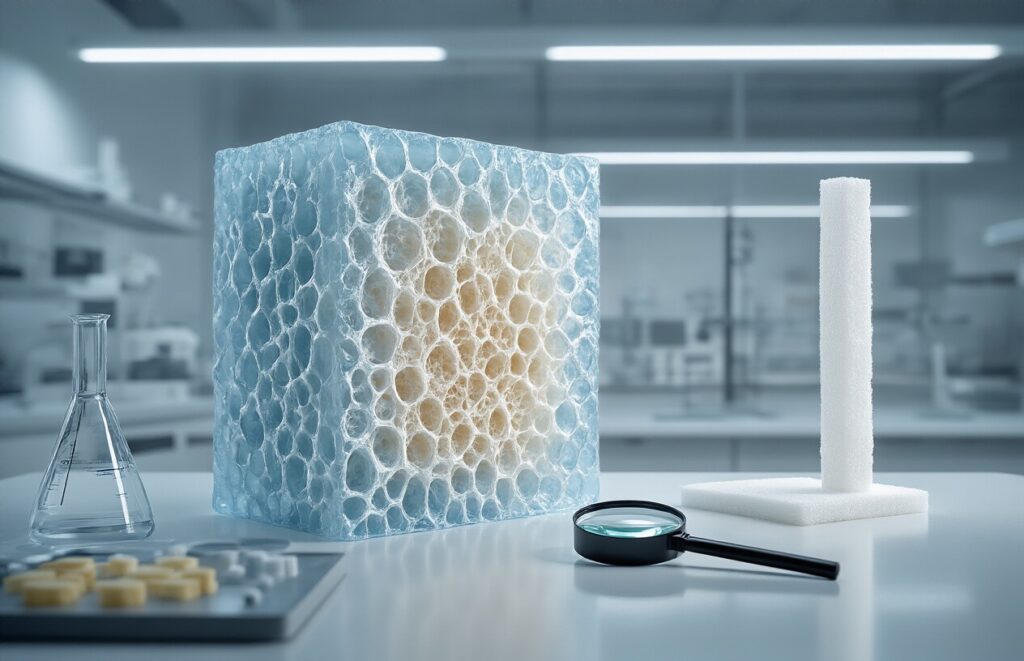
Aerogel’s remarkably low density—often just 2-3 times that of air—creates an exceptional thermal barrier that traditional insulation materials simply cannot match. This gossamer-like structure contains up to 99.8% air by volume while maintaining solid integrity. The result is thermal conductivity values as low as 0.013 W/m·K, significantly lower than those of fiberglass, foam, and mineral wool insulations.
Nanoporous composition traps air more effectively than conventional materials.
The secret lies in aerogel’s nanoscale pore structure, where billions of tiny air pockets, measuring just 2-50 nanometers, create a labyrinth that prevents heat transfer by convection and conduction. Unlike traditional materials with larger pores that allow air to move, aerogel’s microscopic architecture essentially freezes air molecules in place, creating an almost perfect thermal barrier that maintains its effectiveness across extreme temperature ranges.
Superior Thermal Performance Compared to Traditional Options
R-value per inch exceeds fiberglass by 200-300%
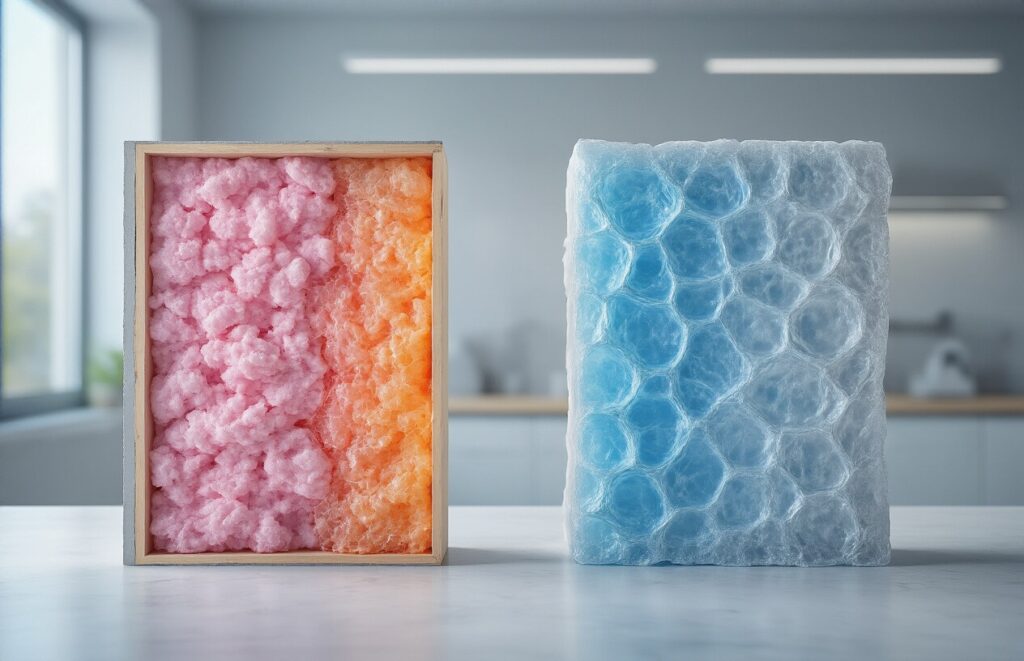
Aerogel insulation delivers exceptional thermal resistance, achieving R-values of 10-14 per inch compared to fiberglass’s typical R-3.5 per inch. This dramatic performance gap means buildings require significantly less insulation thickness to meet energy codes. The silica aerogel structure traps air in nanopores, creating thermal barriers that traditional materials simply cannot match.
Minimal thermal bridging significantly reduces heat loss.
The uniform density and consistent thermal properties of aerogel eliminate the hot spots common in traditional insulation systems. Unlike batts or loose-fill materials that compress or settle over time, aerogel maintains its thermal integrity throughout the building envelope. This consistency prevents energy loss through thermal bridging, resulting in up to 30% lower heating and cooling costs compared to conventional insulation approaches.
Space-Saving Benefits for Modern Construction

Thinner Profiles Achieve Same Insulation Levels as Bulky Alternatives
Aerogel insulation delivers exceptional thermal protection in incredibly thin layers, often requiring just 10-20mm thickness compared to 100-200mm of traditional materials like fiberglass or foam. This dramatic reduction stems from aerogel’s extraordinary thermal resistance, arising from its nanoporous structure, which traps air molecules and minimizes heat transfer through conduction and convection.
Maximized Interior Space Without Compromising Energy Efficiency
The space savings translate directly into valuable interior square footage for buildings. Architects can design sleeker wall assemblies that meet stringent energy codes while preserving room dimensions. This becomes particularly valuable in urban environments where every square foot is valuable, allowing developers to maximize usable space without sacrificing comfort or energy performance standards.
Ideal Solution for Retrofitting Existing Structures with Limited Cavity Space
Historic buildings and older structures often present challenging retrofit scenarios with narrow wall cavities and strict preservation requirements. Aerogel insulation fits seamlessly into these confined spaces, delivering modern thermal performance without extensive demolition or structural modifications. Property owners can upgrade energy efficiency while maintaining architectural integrity and avoiding costly structural alterations that traditional thick insulation would require.
Moisture and Environmental Resistance Advantages
Hydrophobic Properties Prevent Water Absorption and Mold Growth
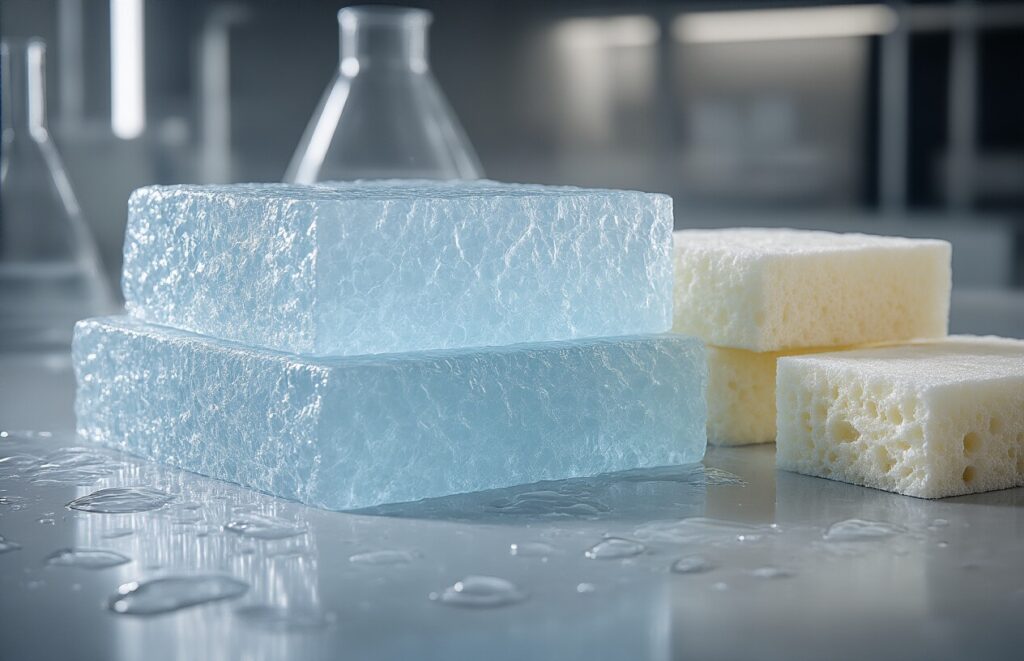
Aerogel’s remarkable water-repelling properties create an impenetrable barrier against moisture infiltration. Unlike traditional insulation materials, which can absorb water and lose thermal efficiency, aerogel maintains its insulating properties even in humid conditions. This hydrophobic nature eliminates the breeding ground for mold, mildew, and bacteria that plague conventional insulations like fiberglass and cellulose.
Chemical Inertness and Fire Safety
The silica-based structure of aerogel resists chemical breakdown from environmental pollutants, UV exposure, and temperature fluctuations. This inert composition ensures consistent performance without degradation over time. Aerogel’s non-combustible properties provide superior fire safety compared to petroleum-based foam insulations that can release toxic fumes when burning, making it ideal for high-safety applications.
Cost-Effectiveness Over Building Lifecycle
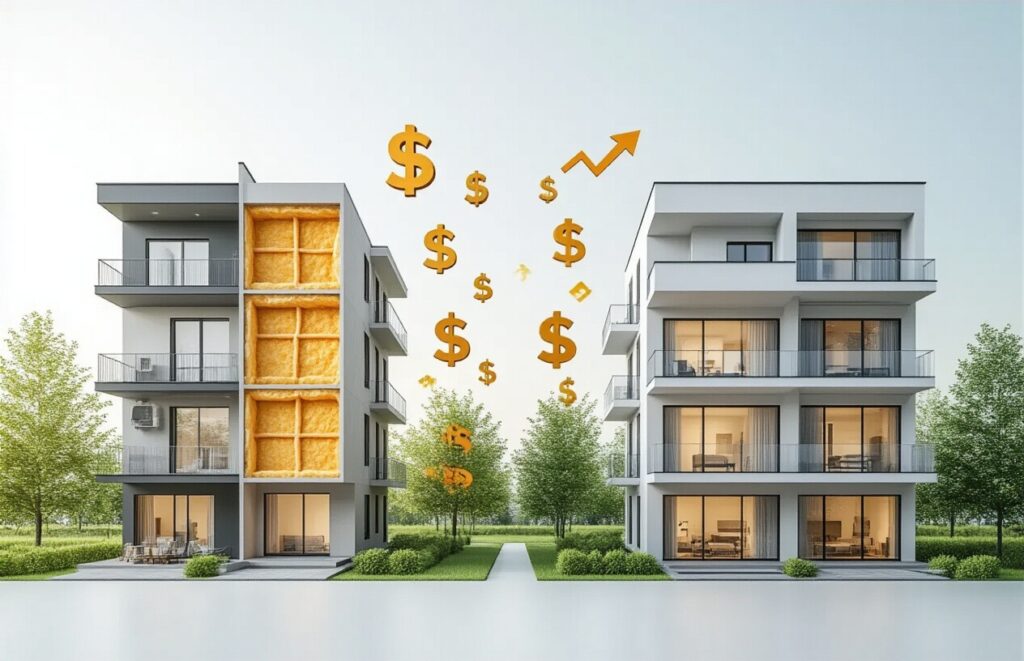
Reduced energy bills offset higher upfront investment.
Aerogel insulation’s exceptional thermal performance delivers substantial energy savings that quickly recover the initial investment premium. Buildings equipped with aerogel insulation typically see 30-50% reductions in heating and cooling costs compared to conventional materials. The superior R-value per inch means homeowners and commercial property owners experience immediate decreases in utility bills, with most installations paying for themselves within 3-5 years through energy savings alone.
Lower maintenance requirements decrease long-term expenses.
Aerogel’s durability and resistance to degradation create significant cost advantages in maintenance over traditional insulation. Unlike fiberglass or cellulose materials that settle, absorb moisture, or lose effectiveness over time, aerogel maintains its insulating properties for decades without replacement or supplementation. This longevity eliminates the recurring costs of insulation updates, moisture damage repairs, and performance restoration that plague conventional materials.
Increased property values from superior energy ratings
Properties featuring aerogel insulation command premium market values due to their exceptional energy-efficiency ratings and reduced operating costs. Real estate appraisers recognize the long-term value proposition, with energy-efficient homes selling 5-10% above comparable properties. Green building certifications become more achievable with aerogel’s performance characteristics, opening access to tax incentives and rebates that provide additional financial benefits beyond direct energy savings.
Faster installation times reduce labor costs.
Aerogel’s lightweight nature and flexible application methods significantly reduce installation time and labor expenses. Professional installers can cover larger areas more quickly than with traditional bulk insulation materials, cutting project timelines by 20-40%. The material’s conformability to irregular surfaces eliminates time-consuming cutting and fitting procedures. At the same time, its dust-free properties create safer, more efficient working conditions, boosting productivity and reducing installation costs.
Aerogel insulation clearly stands out as a game-changer in the building industry. Amazingly, the thermal performance beats traditional materials by a wide margin, while taking up way less space in your walls. You get better moisture resistance, longer-lasting protection, and real savings over time, making the upfront investment worth every penny.
If you’re planning a new build or major renovation, aerogel deserves serious consideration. Sure, it costs more initially than fiberglass or foam, but the energy savings, space benefits, and durability will pay you back for years to come. Talk to your contractor about incorporating aerogel insulation into your project – your future self will thank you for the lower energy bills and superior comfort.