
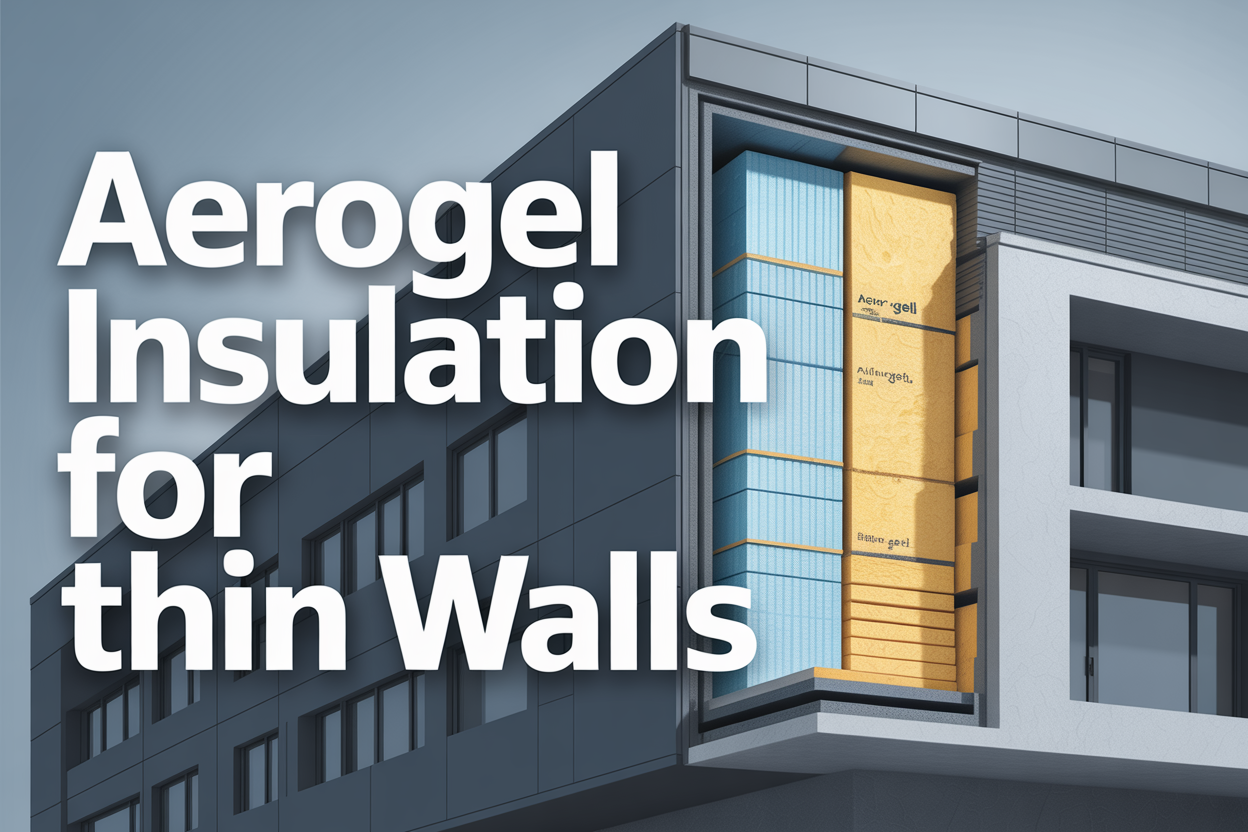
When space is tight but thermal performance must not be compromised, aerogel insulation is the game-changing solution for thin-wall applications. This breakthrough material delivers unmatched insulating power in remarkably slim profiles, making it perfect for architects, builders, and engineers working on space-constrained projects where every millimeter counts.
Aerogel insulation solves the age-old trade-off between thermal efficiency and wall thickness. You’ll discover how aerogel’s unique thermal properties outperform traditional insulation materials by delivering superior R-values in ultra-thin layers. We’ll also explore the space-saving advantages that enable you to maximize interior square footage without sacrificing energy efficiency, as well as the long-term installation and durability benefits that make aerogel a smart investment for demanding building applications.
Understanding Aerogel’s Superior Thermal Properties
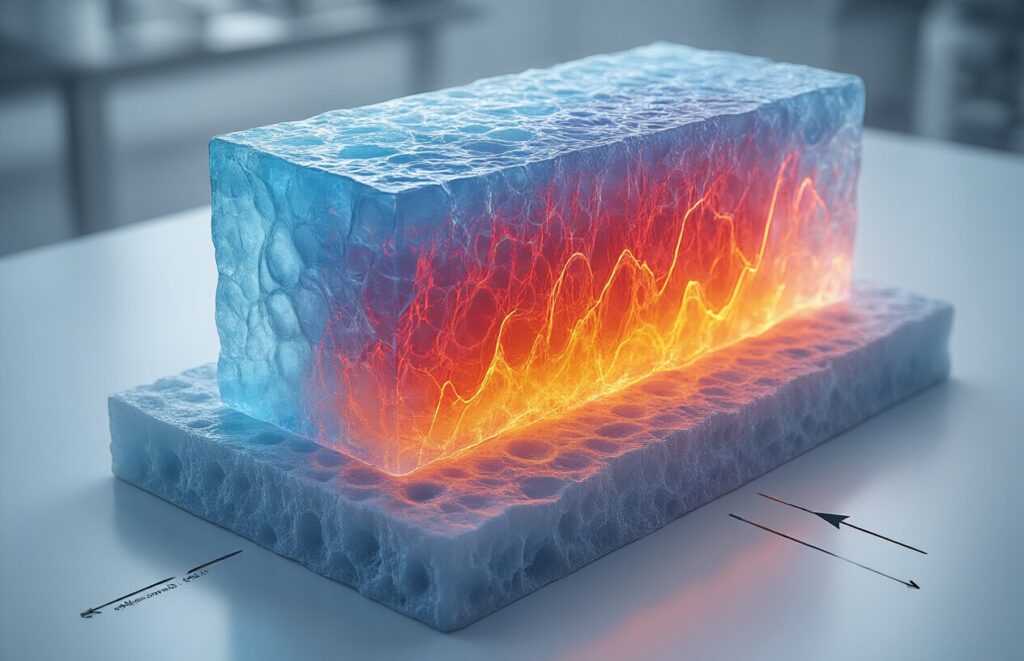
Ultra-low thermal conductivity delivers maximum insulation efficiency
Aerogel is the world’s most effective thermal insulator, with thermal conductivity as low as 0.013 W/m·K, significantly outperforming traditional materials such as fiberglass and foam. This remarkable property stems from its nanoporous structure, in which 90% of the material consists of trapped air within microscopic pores that impede heat conduction.
Minimal heat transfer reduces energy loss in confined spaces
The unique structure of aerogel creates a tortuous path for heat transfer, dramatically reducing thermal bridging in thin-wall applications. Even at thicknesses of just 10-20mm, aerogel provides insulation performance equivalent to conventional materials that are three to four times thicker, making it ideal for space-constrained environments.
Consistent performance across extreme temperature ranges
Aerogel maintains its insulating properties from -200°C to 650°C, providing reliable thermal protection under varying environmental conditions. Unlike traditional insulation, which can degrade or lose effectiveness under thermal stress, aerogel’s amorphous silica structure remains stable, ensuring consistent R-values throughout the building’s lifecycle.
Space-Saving Advantages of Aerogel in Thin Wall Construction

Exceptional insulation performance with minimal thickness requirements
Aerogel delivers unmatched thermal resistance at just a fraction of the thickness required by conventional insulation materials. While traditional fiberglass or foam insulation needs 6-8 inches to achieve optimal R-values, aerogel accomplishes the same performance in just 1-2 inches. This remarkable efficiency stems from aerogel’s unique nanoporous structure, which traps air molecules and prevents heat transfer with extraordinary effectiveness.
Maximizes usable interior space without compromising thermal efficiency
Architects and builders gain significant interior square footage by switching to aerogel insulation systems. A typical 4-inch exterior wall using traditional insulation can be reduced to just 2 inches with aerogel, instantly adding valuable living or working space. This space optimization becomes especially crucial in urban environments where every square foot commands premium pricing, allowing developers to maximize both comfort and profitability without sacrificing energy performance.
Enables sleeker architectural designs with superior energy performance
Modern architectural visions often feature ultra-thin profiles and minimalist aesthetics that challenge traditional insulation approaches. Aerogel empowers designers to create striking facades with slender walls while maintaining exceptional thermal barriers. Glass curtain walls, metal panel systems, and contemporary concrete structures benefit enormously from aerogel’s ability to provide world-class insulation without the bulk that typically compromises clean, geometric designs.
Reduces overall wall assembly thickness compared to traditional materials
Complete wall assemblies using aerogel insulation typically measure 40-60% thinner than comparable systems using conventional materials. This reduction cascades through the entire building envelope, affecting foundation requirements, structural loads, and material quantities. The streamlined assembly process also reduces construction complexity, as fewer layers and components need coordination during installation while achieving superior thermal performance standards.
Enhanced Building Performance Through Aerogel Integration

Eliminates thermal bridging for consistent temperature control
Aerogel insulation creates a continuous thermal barrier that stops heat transfer through structural elements like studs and framing members. This seamless protection maintains steady indoor temperatures year-round, preventing hot and cold spots that plague traditional insulation methods.
Reduces HVAC system loads and operational costs
Buildings with aerogel insulation require significantly less heating and cooling energy due to superior thermal performance. Property owners see dramatic reductions in utility bills while HVAC systems operate more efficiently with reduced cycling frequency and lower peak demand loads.
Improves occupant comfort through better temperature stability
The exceptional thermal resistance of aerogel creates stable indoor environments with minimal temperature fluctuations. Occupants experience consistent comfort levels throughout different seasons and weather conditions, eliminating drafts and temperature variations that commonly occur near exterior walls.
Meets stringent energy codes with thinner wall assemblies
Aerogel’s outstanding R-value per inch allows architects to achieve code compliance with remarkably thin wall constructions. This advantage proves invaluable in urban environments where space constraints demand maximum interior square footage while meeting increasingly strict energy efficiency requirements.
Minimizes condensation risks in challenging climate conditions
The low thermal conductivity of aerogel prevents interior surface temperatures from dropping to dew point levels. This protection guards against moisture-related problems like mold growth and structural damage, particularly valuable in humid climates or buildings with high internal moisture loads.
Installation and Durability Benefits for Long-Term Value
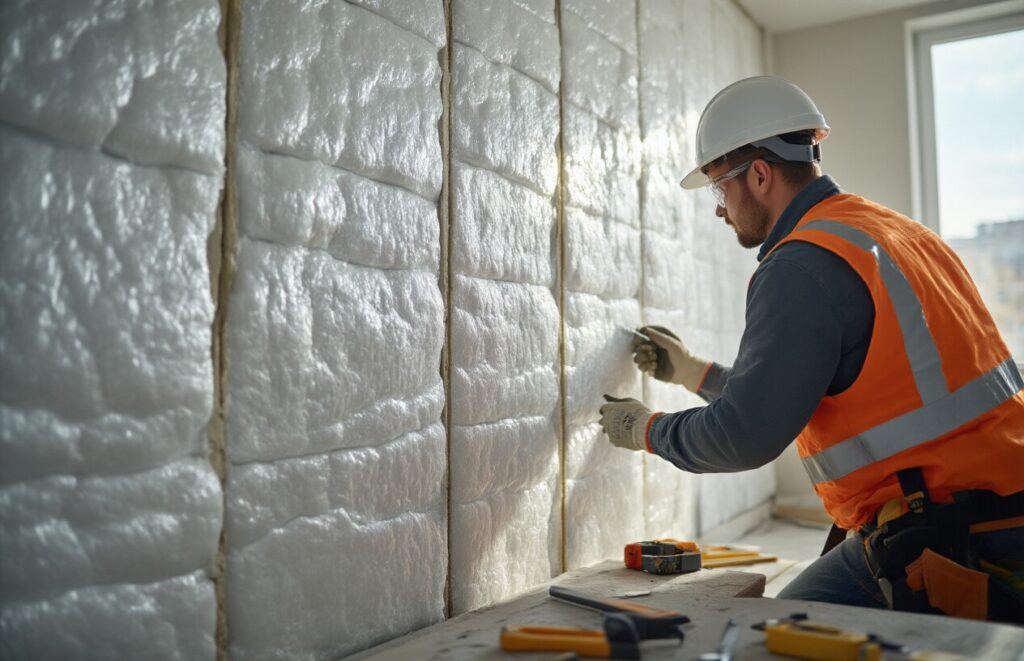
Lightweight Properties Simplify Handling and Installation Processes
Aerogel’s remarkably low density makes it incredibly easy to transport and maneuver on construction sites. Installation crews can handle large panels without specialized lifting equipment, reducing labor costs and project timelines significantly. The material cuts cleanly with standard tools and doesn’t create hazardous dust particles during handling.
Maintains Insulation Effectiveness Over Extended Building Lifespans
Unlike traditional insulation materials that compress and lose thermal performance over time, aerogel maintains its insulating properties for decades. The material’s stable structure resists settling, sagging, or thermal bridging that commonly plague conventional options. This consistency delivers predictable energy savings throughout the building’s entire lifecycle, making it a smart long-term investment.
Resists Moisture Absorption That Degrades Conventional Insulation
Aerogel’s hydrophobic nature repels water while remaining breathable, preventing the moisture-related problems that destroy other insulation types. When wet conditions occur, the material doesn’t lose its thermal effectiveness or develop mold and mildew issues. This moisture resistance proves especially valuable in thin wall applications where traditional vapor barriers might be difficult to install properly.
Requires Minimal Maintenance Once Properly Installed
Once in place, aerogel insulation operates maintenance-free for the building’s lifetime. The material doesn’t degrade from temperature cycling, UV exposure, or pest infiltration, unlike other insulation types. Property owners avoid costly replacement cycles and performance degradation, making aerogel an excellent choice for buildings where accessing wall cavities would be expensive or disruptive.
Aerogel insulation is a game-changer for thin-wall applications, delivering exceptional thermal performance while occupying minimal space. This super-thin material outperforms traditional insulation options, allowing builders to maximize interior space without compromising on energy efficiency. The enhanced building performance delivered by aerogel integration results in better temperature control, lower energy costs, and improved occupant comfort.
When you’re dealing with thin-wall construction, every millimeter counts. Aerogel provides the thermal protection you need without bulk, and it’s built to last. The installation process is straightforward, and the long-term durability means you won’t have replacement headaches down the road. If you’re planning a project where space is tight but performance can’t be compromised, aerogel insulation deserves serious consideration for your thin-wall applications.