
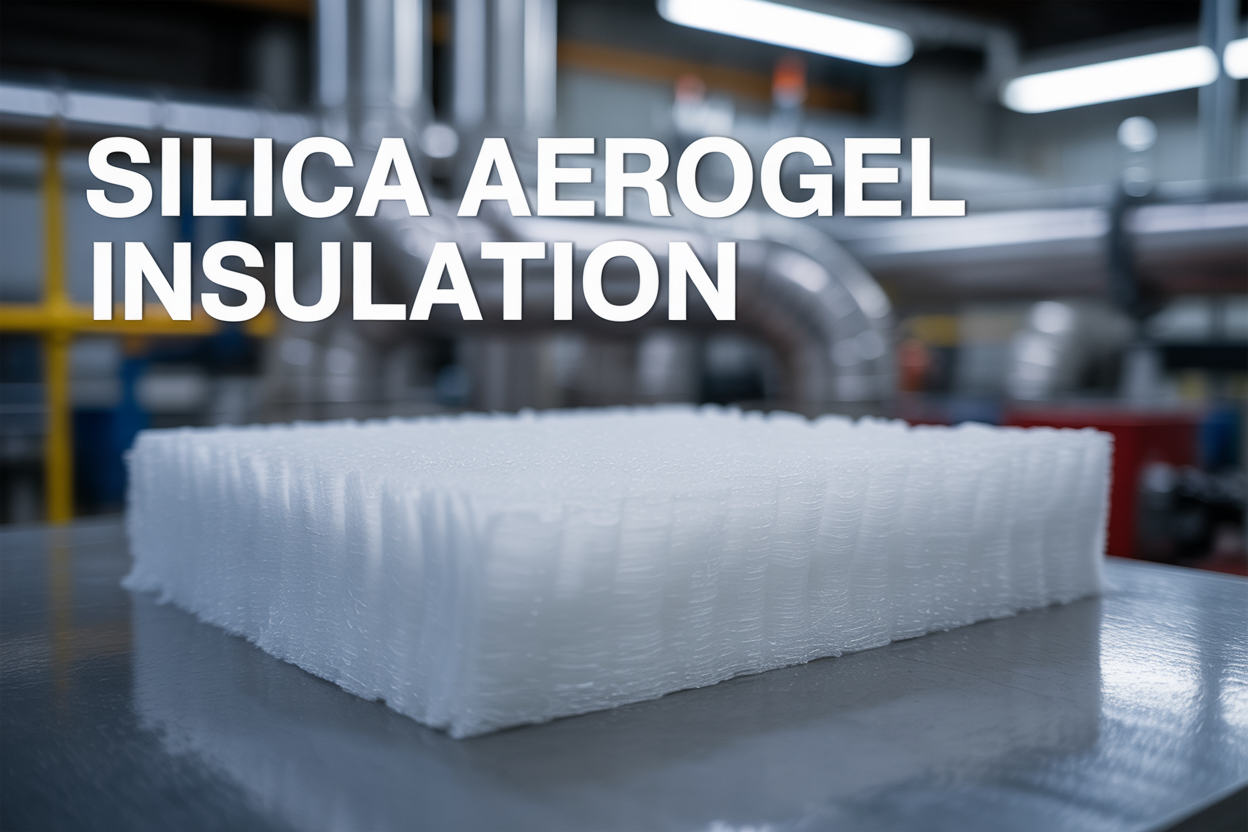
Silica aerogel insulation blanket is among the most advanced thermal protection materials available today, offering unmatched insulating properties in an ultra-lightweight format. This guide is perfect for homeowners, contractors, engineers, and facility managers who want to understand this cutting-edge insulation technology and determine if it’s right for their projects.
You’ll discover what makes silica aerogel insulation blankets so effective at blocking heat transfer, explore their key advantages over traditional insulation materials, and learn about the diverse applications where these high-performance blankets deliver exceptional results. We’ll also walk through proper installation techniques and help you evaluate the costs versus long-term savings to make an informed investment decision.
Understanding Silica Aerogel Insulation Blanket Fundamentals
What Makes Silica Aerogel the World’s Best Insulator
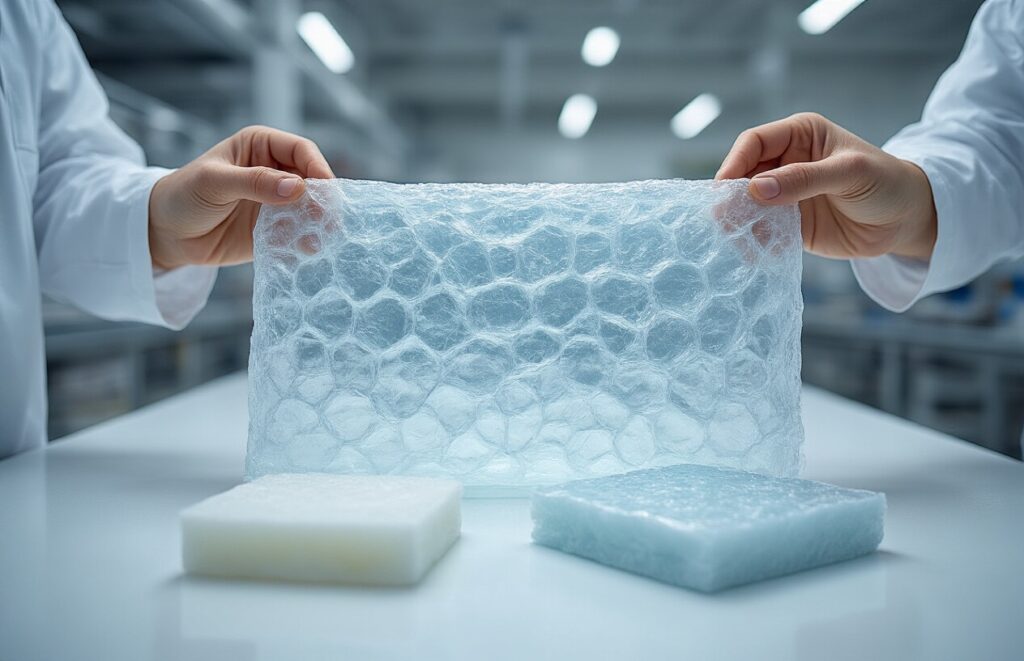
Silica aerogel earns its title as the world’s most effective insulator through its extraordinary structure – imagine 99.8% air trapped within an incredibly lightweight silica framework. This nanoporous material simultaneously blocks heat transfer by conduction, convection, and radiation, achieving thermal conductivity as low as 0.013 W/mK.
The secret lies in its microscopic pores, which are smaller than the mean free path. This prevents air from moving freely and conducting heat, while the silica framework remains so thin that it barely conducts heat itself, creating an almost perfect thermal barrier.
How Aerogel Blankets Differ from Traditional Insulation Materials
Traditional insulation materials like fiberglass, foam, and mineral wool rely primarily on trapped air pockets to reduce heat transfer. Aerogel blankets take this concept to the extreme, incorporating aerogel particles within a flexible fibrous matrix that maintains the aerogel’s exceptional insulating properties while adding structural integrity.
Unlike conventional insulators that lose effectiveness when compressed or wet, aerogel blankets maintain their thermal performance under pressure and resist moisture absorption. They also provide superior insulation in much thinner profiles – typically 50-90% thinner than traditional materials for equivalent thermal performance.
Key Physical Properties That Deliver Superior Performance
| Property | Silica Aerogel Blanket | Fiberglass | Polyurethane Foam |
| Thermal Conductivity (W/mK) | 0.013-0.018 | 0.035-0.040 | 0.020-0.030 |
| Operating Temperature Range | -200°C to 650°C | -50°C to 230°C | -40°C to 110°C |
| Hydrophobic Properties | Excellent | Poor | Moderate |
| Compression Recovery | >95% | <80% | <70% |
The unique combination of ultra-low density (0.1-0.2 g/cm³), exceptional flexibility, and outstanding durability makes aerogel blankets suitable for extreme environments where traditional insulation fails.
Manufacturing Process Behind This Revolutionary Material
Production begins by creating silica aerogel via a sol-gel process, in which silicon compounds form a wet gel. This gel undergoes supercritical drying, which removes liquid without collapsing the delicate nanoporous structure that gives aerogel its remarkable properties.
The dried aerogel particles are then integrated into a flexible fibrous batting material, typically made from glass fibers or organic polymers. This composite manufacturing approach combines the aerogel’s thermal performance with the mechanical strength needed for practical installation and long-term durability in real-world applications.
Exceptional Benefits of Silica Aerogel Insulation Blankets
Unmatched Thermal Insulation Performance in Thin Profiles
Silica aerogel blankets deliver exceptional thermal performance with R-values reaching 10-14 per inch – significantly higher than traditional insulation materials. This superior efficiency means you need much thinner layers to achieve the same insulation performance, making them perfect for space-constrained applications where every inch matters.
The ultra-low thermal conductivity of aerogel blankets enables engineers to reduce insulation thickness by 50-80% compared to conventional materials while maintaining the same thermal protection. This space-saving advantage proves invaluable in industrial equipment, pipelines, and building retrofits where bulky insulation simply won’t fit.
Outstanding Fire Resistance and Safety Advantages
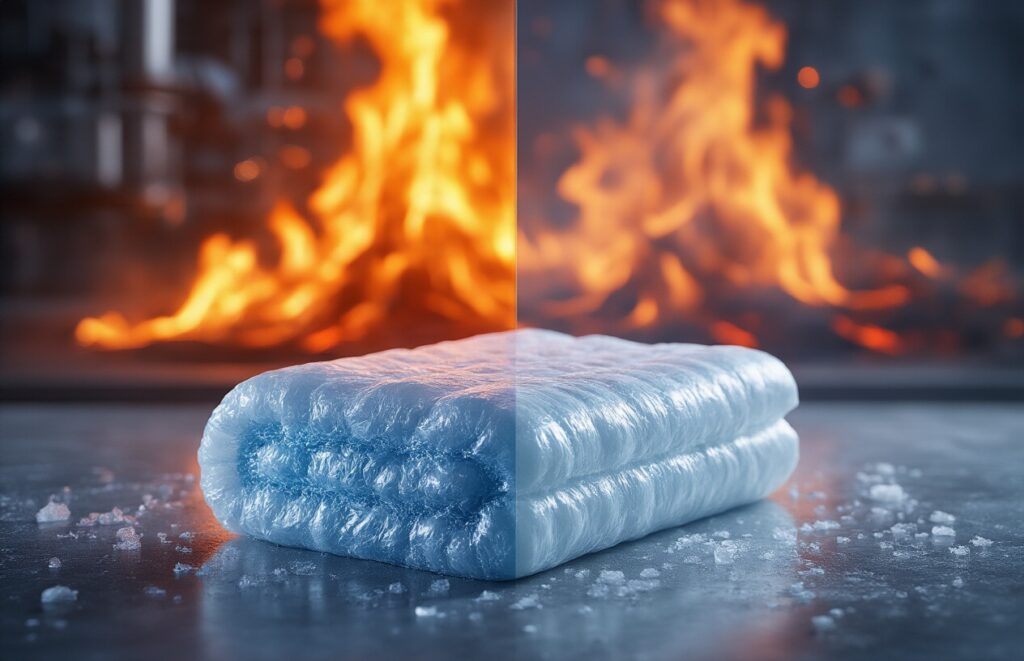
Aerogel insulation blankets naturally resist ignition and won’t contribute to fire spread, maintaining their structural integrity even at temperatures exceeding 1200°F. Unlike organic insulation materials that burn or melt, aerogel blankets form a protective barrier that helps prevent heat transfer during fires.
The non-combustible nature of silica aerogel provides peace of mind in high-risk applications like petrochemical facilities, power plants, and marine environments. These blankets don’t release toxic gases when exposed to extreme heat, making them safer for both installation teams and building occupants.
Lightweight Design Reduces Structural Load Requirements
Weighing approximately 90% less than traditional insulation materials, aerogel blankets dramatically reduce structural loading on buildings, equipment, and support systems. This weight reduction translates to lower installation costs and reduced stress on aging infrastructure that might struggle with heavier insulation options.
The minimal weight makes aerogel blankets ideal for applications where load-bearing capacity is limited, such as offshore platforms, aircraft, and high-rise buildings. Installation teams can handle larger sections easily, speeding up project completion while reducing labor costs and safety risks associated with heavy materials.
Moisture Resistance Prevents Degradation Over Time
Aerogel blankets naturally repel water while remaining permeable to water vapor, preventing moisture accumulation that typically degrades insulation performance. This hydrophobic characteristic ensures consistent thermal performance even in humid environments or areas prone to condensation.
The moisture resistance eliminates common problems like mold growth, corrosion, and thermal bridging that plague traditional insulation systems. This durability means aerogel blankets maintain their insulation effectiveness for decades without requiring replacement or maintenance, providing long-term value in challenging environmental conditions.
Flexible Installation Options for Complex Applications
The inherent flexibility of aerogel blankets allows conforming to irregular surfaces, curved pipes, and complex geometries without creating gaps or thermal bridges. This adaptability makes installation straightforward, even in tight spaces where rigid insulation boards would be impossible to fit properly.
Multiple attachment methods,s including mechanical fasteners, adhesives, and specialized clips, accommodate various substrate materials and installation requirements. The blankets can be easily cut, shaped, and overlapped on-site, giving installers the freedom to create custom solutions for unique applications without requiring specialized tools or extensive training.
Real-World Applications Where Aerogel Blankets Excel
Industrial Process Equipment and Pipe Insulation
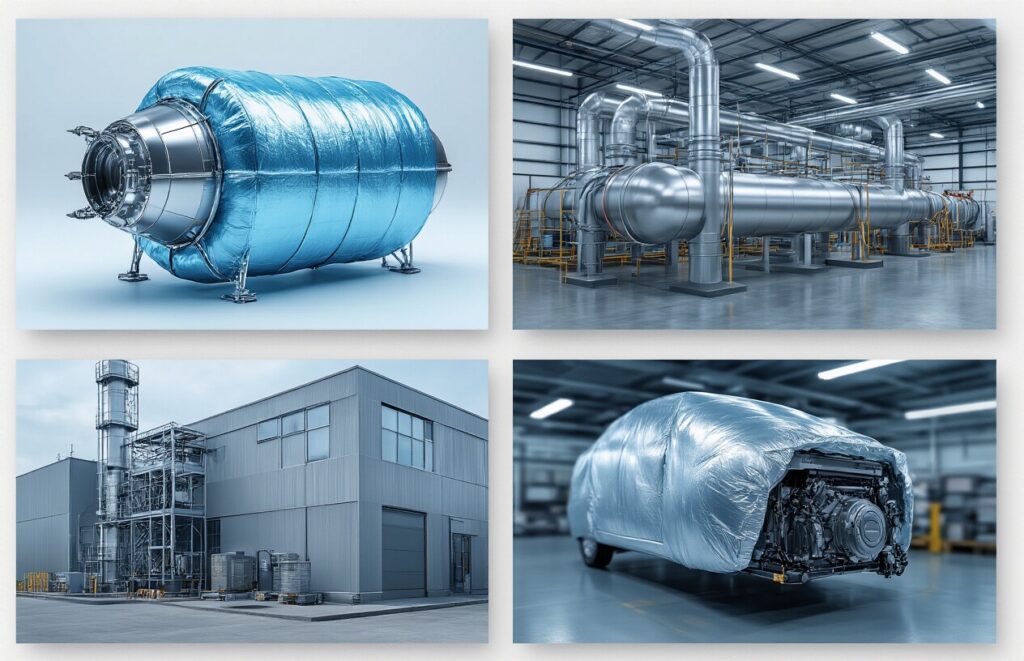
Silica aerogel blankets transform industrial operations by providing exceptional thermal protection for process equipment, boilers, and piping systems. These blankets handle extreme temperatures up to 1,200°F while maintaining their structural integrity, making them perfect for refineries, chemical plants, and power generation facilities. Their ultra-thin profile saves space in cramped industrial environments where traditional insulation creates clearance issues.
Aerospace and Aviation Thermal Protection Systems
The aerospace industry relies heavily on aerogel blankets for critical thermal management applications. Aircraft engines, spacecraft heat shields, and satellite components benefit from aerogel’s lightweight properties and superior temperature resistance. NASA has used aerogel insulation in multiple space missions, including Mars rovers and space shuttles, where every gram matters and reliability is non-negotiable.
Building Construction and Energy Efficiency Projects
Modern construction projects increasingly incorporate aerogel blankets to achieve ambitious energy efficiency targets. These blankets excel in wall cavities, roofing applications, and foundation insulation where space constraints limit traditional materials. High-performance buildings, passive houses, and LEED-certified projects use aerogel insulation to minimize thermal bridging while maximizing R-value per inch of thickness.
Installation Guidelines for Maximum Performance Results
Essential Pre-Installation Planning and Surface Preparation
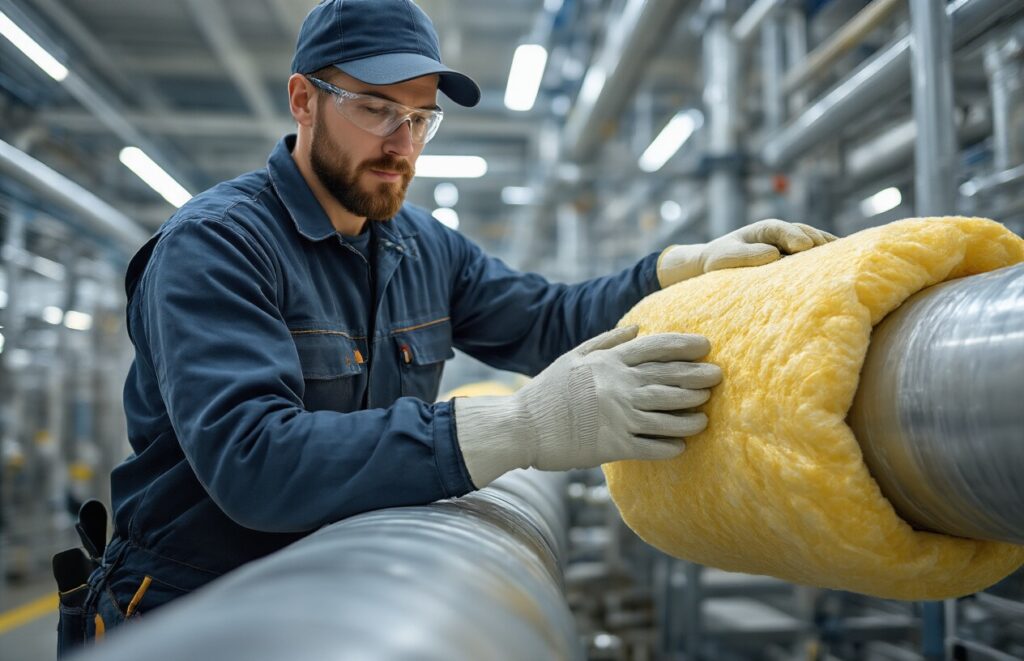
Before installing silica aerogel blankets, a thorough surface inspection helps prevent future performance issues. Clean all surfaces of dust, oil, moisture, and debris using appropriate cleaning agents. Check for sharp edges, protruding bolts, or rough surfaces that could damage the delicate aerogel material during installation.
Temperature considerations are critical to a successful installation. Avoid installing aerogel blankets when ambient temperatures exceed the manufacturer’s specifications or when humidity is high. Document surface temperatures and environmental conditions to ensure optimal adhesion and material performance throughout the installation process.
Proper Handling Techniques to Maintain Material Integrity
Aerogel blankets require gentle handling to preserve their unique cellular structure. Always wear clean gloves and avoid compressing or folding the material, as this permanently reduces insulation effectiveness. Store blankets flat or in loose rolls, never under heavy objects that could create permanent indentations.
When cutting aerogel blankets, use sharp, clean blades and make single, decisive cuts rather than sawing motions. Support the material fully during cutting operations to prevent tearing. Handle individual pieces by their edges whenever possible, and avoid dragging blankets across rough surfaces that could cause surface damage or contamination.
Securing Methods That Ensure Long-Term Effectiveness
Mechanical fastening systems are best for aerogel blanket installations, as stainless steel fasteners prevent corrosion. Space fasteners according to manufacturer specifications, typically at 12-18-inch intervals, ensuring even distribution across the entire blanket surface. Use large washers or backing plates to distribute the load and prevent tearing.
For high-temperature applications, specialized high-temperature adhesives or mechanical systems maintain bond integrity over time. Overlap joints by at least 2 inches and seal with appropriate tape designed for aerogel applications. Avoid over-tightening fasteners, as this can compress the aerogel and significantly reduce its insulation properties.
Quality Control Checks for Professional Installation
Visual inspection immediately after installation identifies potential issues before system startup. Look for gaps, tears, compressed areas, or improperly sealed joints that could compromise thermal performance. Use thermal imaging cameras to detect heat bridges or areas where the blanket isn’t making proper contact with the substrate.
Document all installation details, including environmental conditions, material batch numbers, and any deviations from standard procedures. Perform thermal-conductivity spot checks with calibrated instruments to verify insulation effectiveness. Create a maintenance schedule for periodic inspections, as aerogel blankets can shift or degrade over time without proper monitoring and care.
Cost Considerations and Return on Investment Analysis

Initial Investment Compared to Traditional Insulation Options
| Insulation Type | Cost per Square Foot | Thickness Required | Total Investment |
| Silica Aerogel Blanket | $8-15 | 0.5-1 inch | High upfront |
| Fiberglass Batts | $0.50-2 | 6-12 inches | Low initial |
| Mineral Wool | $1-3 | 4-8 inches | Moderate |
| Spray Foam | $3-7 | 2-4 inches | Moderate-High |
Aerogel insulation blankets carry a premium price tag that can shock first-time buyers. The material costs 5-10 times more than traditional fiberglass insulation, making the initial investment substantial for most projects.
Long-Term Energy Savings That Justify Premium Pricing
The superior thermal performance of aerogel blankets creates significant energy savings that offset the higher purchase price. Properties insulated with aerogel typically see 30-50% reduction in heating and cooling costs compared to conventional insulation methods.
Reduced Maintenance Costs Over Product Lifetime
Aerogel blankets resist moisture, don’t settle over time, and maintain their insulating properties for decades without replacement. Traditional insulation typically requires replacement every 10-15 years, while aerogel systems can last 50+ years with minimal maintenance.
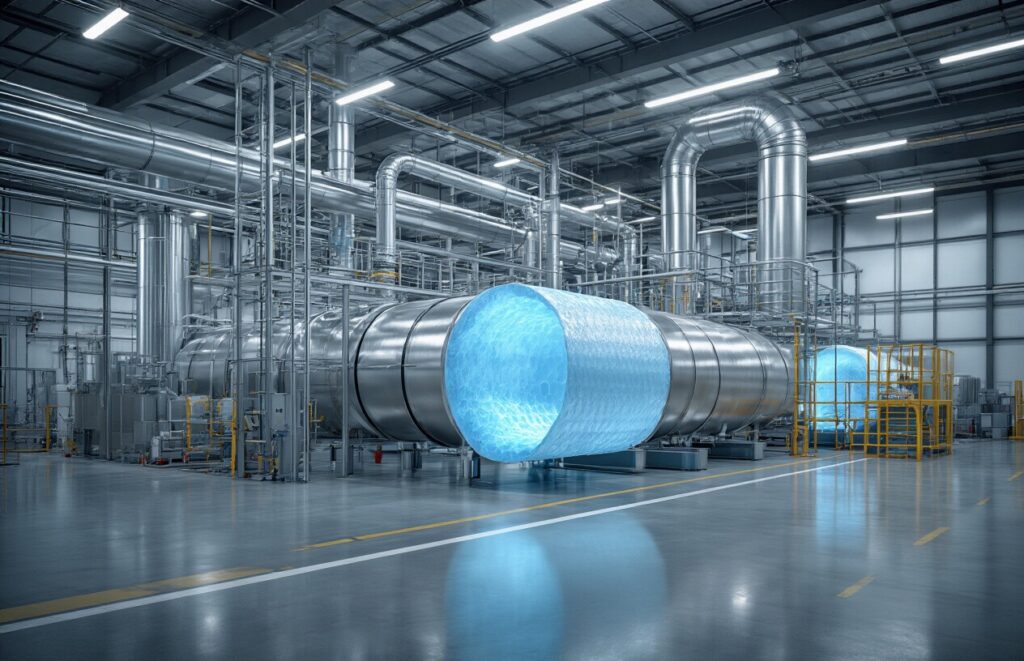
Silica aerogel insulation blankets represent a game-changing approach to thermal management, delivering unmatched performance in minimal space. These ultra-lightweight materials offer exceptional heat resistance, moisture protection, and energy savings that traditional insulation simply can’t match. From industrial pipelines to residential applications, aerogel blankets provide superior results while taking up significantly less space than conventional alternatives.
The initial investment in aerogel insulation pays off through reduced energy costs, improved system efficiency, and long-term durability. While the upfront cost may seem higher, the combination of space savings, ease of installation, and outstanding thermal performance makes aerogel blankets a smart choice for demanding applications. If you’re dealing with extreme temperatures, space constraints, or need reliable insulation that won’t degrade over time, silica aerogel blankets deserve serious consideration for your next project.