
Silica aerogel stands out as one of the most remarkable materials in modern science, boasting properties that seem almost too good to be true. This ultra-lightweight solid captures the attention of engineers, researchers, and materials scientists who need advanced insulation solutions and cutting-edge thermal management.
This guide breaks down the key silica aerogel properties that make this material so special. We’ll explore why silica aerogel achieves such incredibly low density while maintaining structural integrity. You’ll also discover how its exceptional thermal conductivity performance makes it a game-changer for insulation applications across industries from aerospace to construction.
Understanding Silica Aerogel’s Ultra-Low Density Characteristics
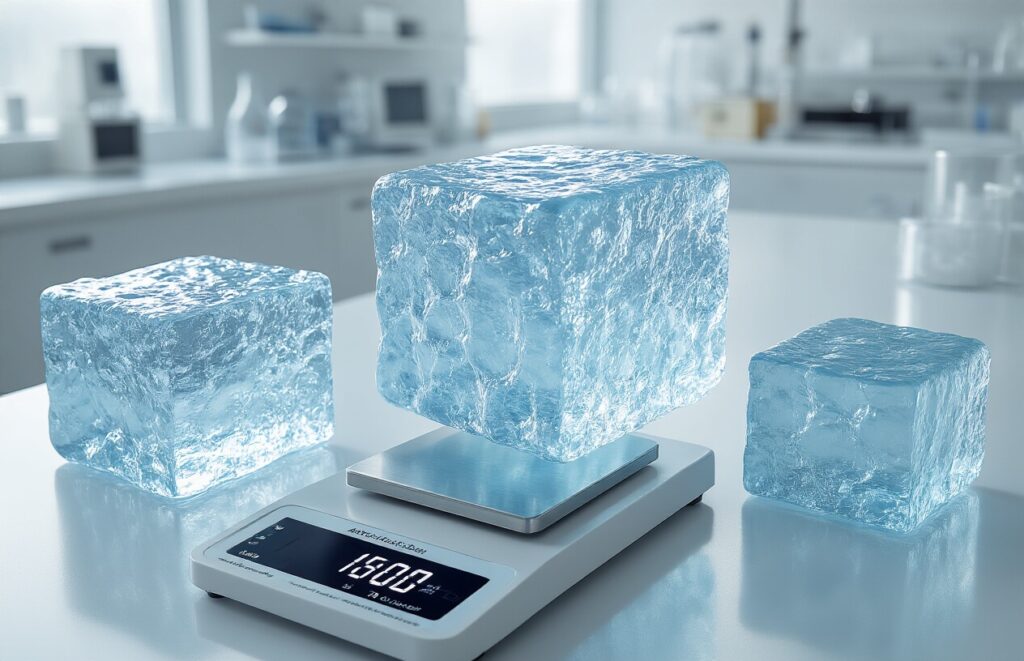
Achieving 99.8% Air Content for Maximum Lightweight Performance
Silica aerogel’s remarkable ultra-low density stems from its extraordinary porous structure, where 99.8% of the material consists of air trapped within interconnected silica networks. This high air content ratio yields a lightweight material that weighs just 3-4 milligrams per cubic centimeter, making it one of the lightest solids ever engineered.
Comparing Density Values Against Traditional Insulation Materials
Traditional insulation materials pale in comparison to silica aerogel’s density achievements. While fiberglass insulation typically weighs 10-50 kg/m³ and polyurethane foam ranges from 30-80 kg/m³, silica aerogel can achieve densities as low as 3 kg/m³ and delivers superior thermal performance across all applications.
| Material | Density (kg/m³) | Thermal Conductivity (W/m·K) |
| Silica Aerogel | 3-200 | 0.013-0.025 |
| Fiberglass | 10-50 | 0.032-0.044 |
| Polyurethane | 30-80 | 0.020-0.030 |
How Porous Structure Creates Record-Breaking Low Mass Properties
The secret behind aerogel’s ultra-low density lies in its three-dimensional nanoporous network. During the supercritical drying process, liquid solvents are removed without collapsing the delicate silica framework, preserving a maze of interconnected pores ranging from 2-50 nanometers. This preserved structure maintains structural integrity while keeping mass at absolute minimum levels.
Exceptional Thermal Conductivity Performance of Silica Aerogel

Breaking Thermal Barriers with Industry-Leading Insulation Values
Silica aerogel delivers thermal conductivity values as low as 0.013 W/mK, making it one of the most effective insulating materials available. This extraordinary performance stems from its nanoporous structure, which traps air molecules and severely limits heat transfer through conduction and convection pathways.
Temperature Stability Advantages Across Extreme Conditions
The material maintains its insulating properties across temperatures ranging from -200°C to 650°C, outperforming traditional insulation that degrades under thermal stress. This stability makes aerogel ideal for applications involving rapid temperature changes or prolonged exposure to extreme heat.
Energy Savings Potential in Commercial and Industrial Applications
Buildings with aerogel insulation can achieve energy savings of 30-50% compared to conventional materials. Industrial facilities benefit from reduced heat loss in pipelines, furnaces, and processing equipment, translating to significant operational cost savings and improved energy efficiency ratings.
Comparison with Conventional Thermal Insulation Solutions
| Material | Thermal Conductivity (W/mK) | Thickness for Equal Performance |
| Silica Aerogel | 0.013-0.025 | 1x (baseline) |
| Fiberglass | 0.035-0.040 | 2-3x thicker |
| Polyurethane Foam | 0.020-0.030 | 1.5-2x thicker |
| Mineral Wool | 0.035-0.045 | 2.5-3.5x thicker |
Aerogel requires significantly less thickness to provide equivalent thermal protection, making it valuable in applications where space is critical.
Advanced Structural Architecture of Silica Aerogel Networks
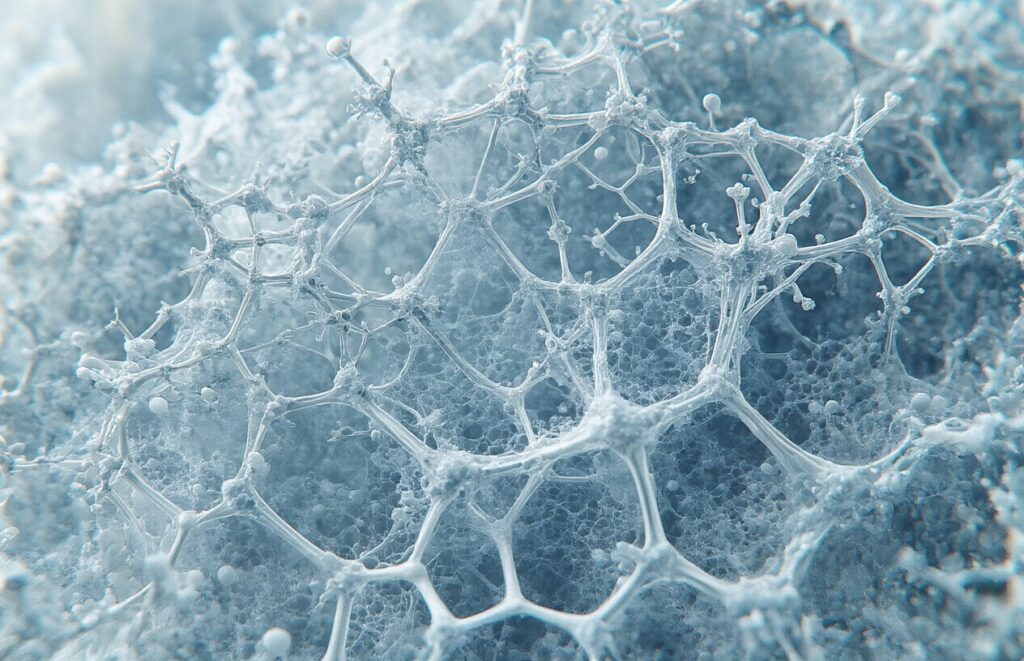
Three-Dimensional Silica Framework Design Principles
Silica aerogels feature interconnected three-dimensional networks built from silica nanoparticles linked through siloxane bonds. These frameworks create pearl-necklace structures where primary particles aggregate into secondary clusters, forming a continuous solid backbone that maintains structural integrity while achieving porosity levels exceeding 99%. The branching patterns follow fractal geometry principles.
Nanoscale Pore Distribution and Surface Area Benefits
The hierarchical pore structure spans multiple scales, from micropores (less than 2 nm) to macropores (greater than 50 nm), with mesopores dominating the distribution. This creates surface areas of up to 1,000 m²/g, enabling exceptional adsorption performance and thermal insulation through restricted gas-molecule movement within the confined nanoscale spaces.
Mechanical Strength Properties Despite Ultra-Low Density
| Property | Typical Value | Notes |
| Compressive Strength | 0.1-10 MPa | Varies with density |
| Tensile Strength | 0.01-0.1 MPa | Limited by network brittleness |
| Young’s Modulus | 1-100 MPa | Density-dependent |
The silica network distributes loads through its interconnected backbone, though brittleness remains a challenge. Reinforcement techniques using fiber additives or polymer matrices can improve mechanical properties while preserving the aerogel’s unique characteristics.
How Sol-Gel Processing Creates Optimal Structural Integrity
The sol-gel synthesis controls gelation kinetics and aging processes to optimize network formation. Hydrolysis and condensation reactions form silica networks, while supercritical drying preserves the delicate structure by preventing capillary forces that would collapse pores. Process parameters such as pH, temperature, and precursor concentration directly affect the final structural properties.
Surface Chemistry Modifications for Enhanced Performance
Surface functionalization converts hydrophilic silica surfaces to hydrophobic ones via silylation reactions. Trimethylchlorosilane treatments create methyl-terminated surfaces that repel water and improve handling characteristics. Other modifications include amine functionalization for CO₂ capture and metal-oxide coatings to enhance thermal stability at elevated temperatures.
Real-World Applications Leveraging Silica Aerogel Properties
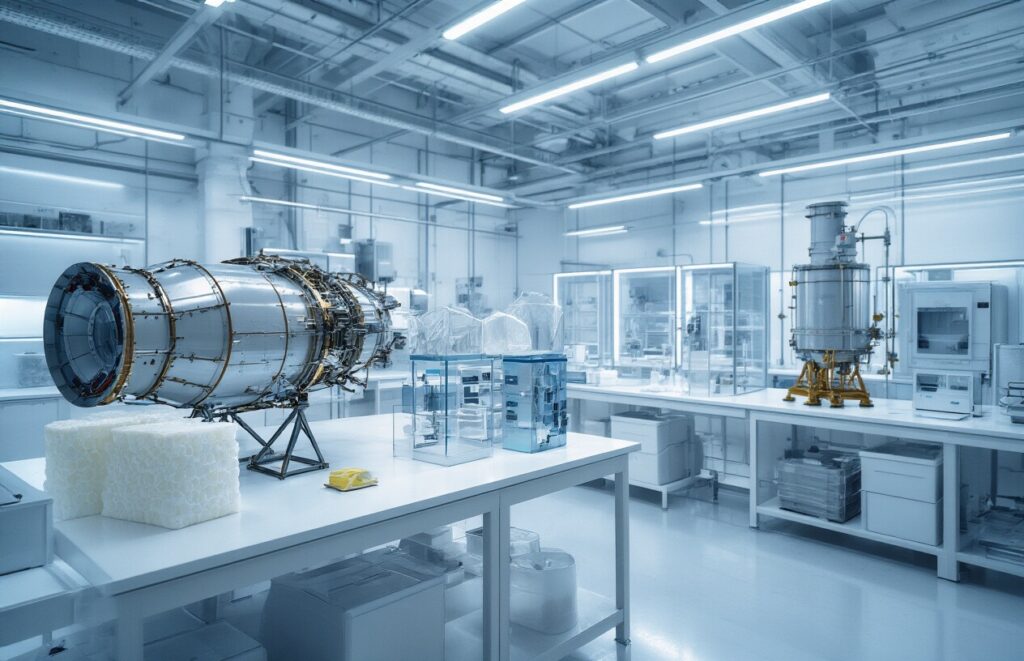
Aerospace and Space Exploration Thermal Protection Systems
NASA’s Mars rovers rely on silica aerogel blankets to protect sensitive instruments from extreme temperature fluctuations ranging from -80°C to 20°C. The material’s exceptional thermal insulation, combined with its lightweight nature, makes it perfect for spacecraft where every gram matters. Space missions use aerogel panels that are 99% air, providing unmatched thermal protection without adding significant weight to launch vehicles.
Building Insulation Solutions for Energy-Efficient Construction
Modern construction projects increasingly incorporate aerogel-enhanced insulation materials that dramatically reduce energy consumption. These translucent aerogel panels allow natural light while maintaining superior thermal performance – up to five times better than traditional fiberglass insulation. Green building certifications now recognize aerogel applications for achieving net-zero energy targets in both residential and commercial structures.
Industrial Process Equipment Thermal Management Benefits
Chemical processing plants and refineries use aerogel coatings to insulate high-temperature pipes and equipment operating above 650°C. The material’s non-combustible properties and thermal shock resistance make it ideal for protecting workers while reducing heat loss. Petrochemical facilities report 30-40% energy savings when aerogel replaces conventional insulation materials in critical thermal management applications.
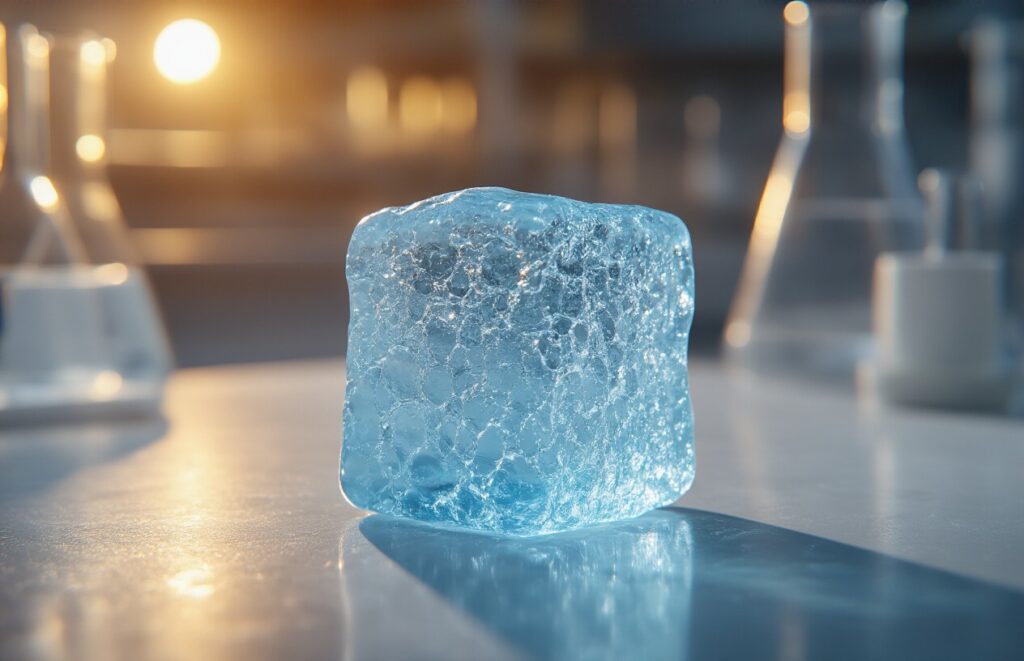
Silica aerogel is one of the most remarkable materials in modern science, combining ultra-low density with exceptional thermal insulation and a unique network structure that makes it well-suited for demanding applications. Its density can be as low as three times that of air, while its thermal conductivity rivals that of still air, creating a material that’s both lightweight and exceptionally insulating. The intricate nanoporous structure forms a web-like network that gives aerogel its distinctive properties and translucent appearance.
These extraordinary characteristics have opened doors to exciting real-world applications across industries such as aerospace, construction, and energy storage. From keeping spacecraft components at stable temperatures to improving building insulation efficiency, silica aerogel continues to prove its worth in applications where traditional materials fall short. As research advances and production costs decrease, expect to see this “frozen smoke” material play an even bigger role in solving complex engineering challenges where weight, space, and thermal management are paramount.