
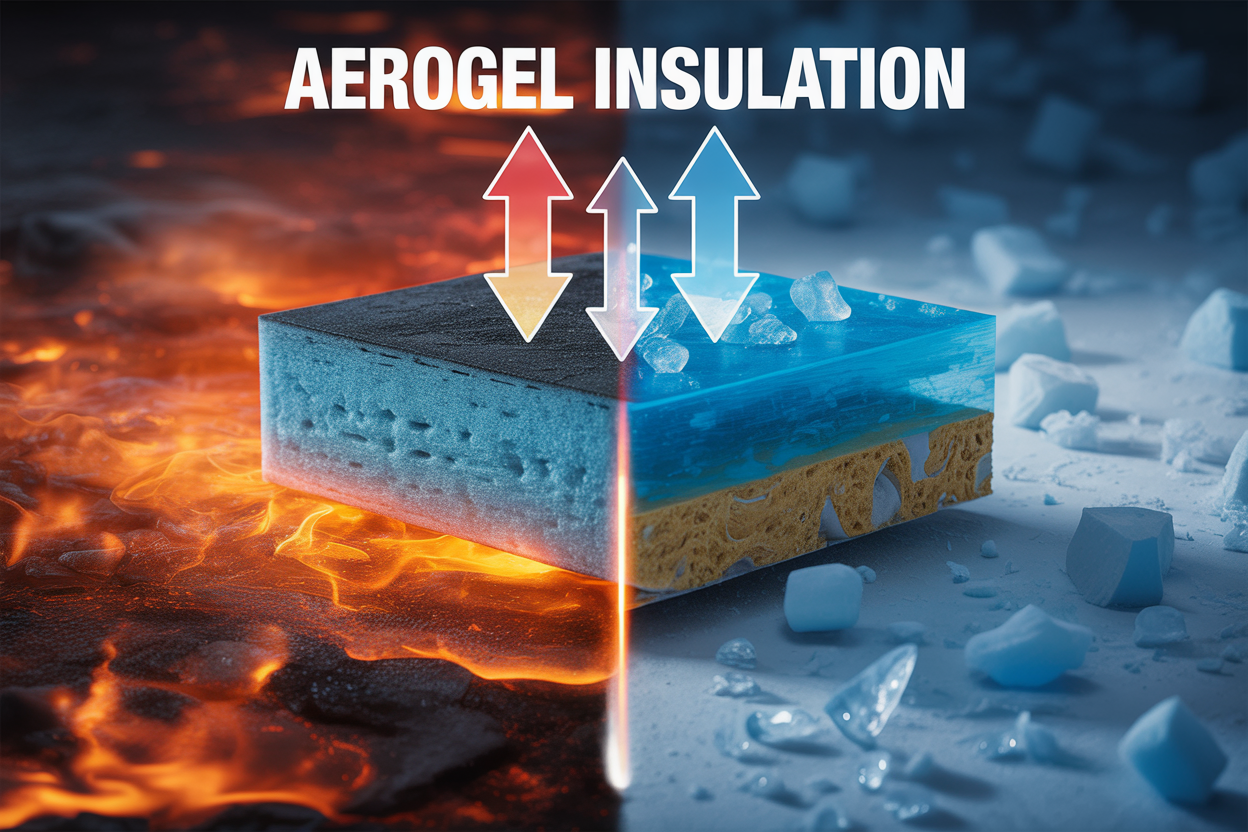
Aerogel insulation is among the most advanced materials for preventing heat loss in environments where traditional insulation fails. This guide is for engineers, contractors, industrial designers, and facility managers seeking reliable thermal protection solutions for challenging conditions.
Aerogel’s unique structure makes it incredibly effective at blocking heat transfer, even when temperatures drop to arctic levels or soar in industrial furnaces. We’ll explore how aerogel’s microscopic air pockets create an almost impenetrable thermal barrier and examine its real-world performance in sub-zero outdoor applications and high-heat industrial settings. You’ll also see how aerogel compares with conventional insulation materials in terms of effectiveness, durability, and cost.
Understanding Aerogel’s Revolutionary Insulation Properties
Superior thermal resistance compared to traditional materials
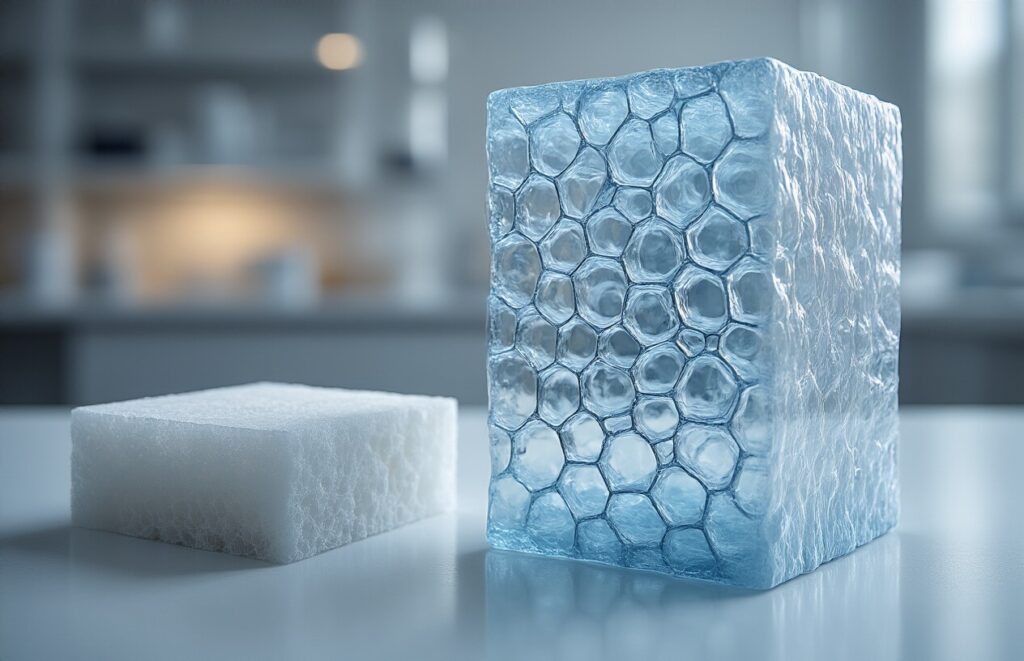
Aerogel delivers thermal conductivity values as low as 0.013 W/m·K, making it three times more effective than fiberglass and five times better than foam insulation. This remarkable performance stems from its unique silica structure that traps air molecules within nanoscale pores, creating an almost impenetrable barrier to heat transfer.
Ultra-low density structure maximizes air trapping
With densities ranging from 0.003 to 0.35 g/cm³, aerogel consists of 90-99% air trapped within a solid framework. The interconnected pore network creates countless dead air spaces that prevent convective heat movement, while the solid matrix remains minimal to avoid conducting thermal energy through the material itself.
Minimal thermal bridging prevents heat transfer
| Material | Thermal Bridging Risk | Heat Transfer Path |
| Aerogel | Minimal | Interrupted pathways |
| Fiberglass | Moderate | Through fibers |
| Foam boards | High | Through solid sections |
The aerogel’s discontinuous structure eliminates continuous pathways for heat conduction, breaking thermal bridges that plague conventional insulation materials.
Exceptional performance across wide temperature ranges
Aerogel maintains its insulating properties from -200°C to 650°C without degradation or performance loss. Unlike traditional materials that compress, melt, or lose effectiveness at extreme temperatures, aerogel’s stable silica backbone preserves its porous structure and thermal resistance across demanding environmental conditions.
Science Behind Aerogel’s Heat Loss Prevention
Nanoporous Structure Blocks Conductive Heat Transfer
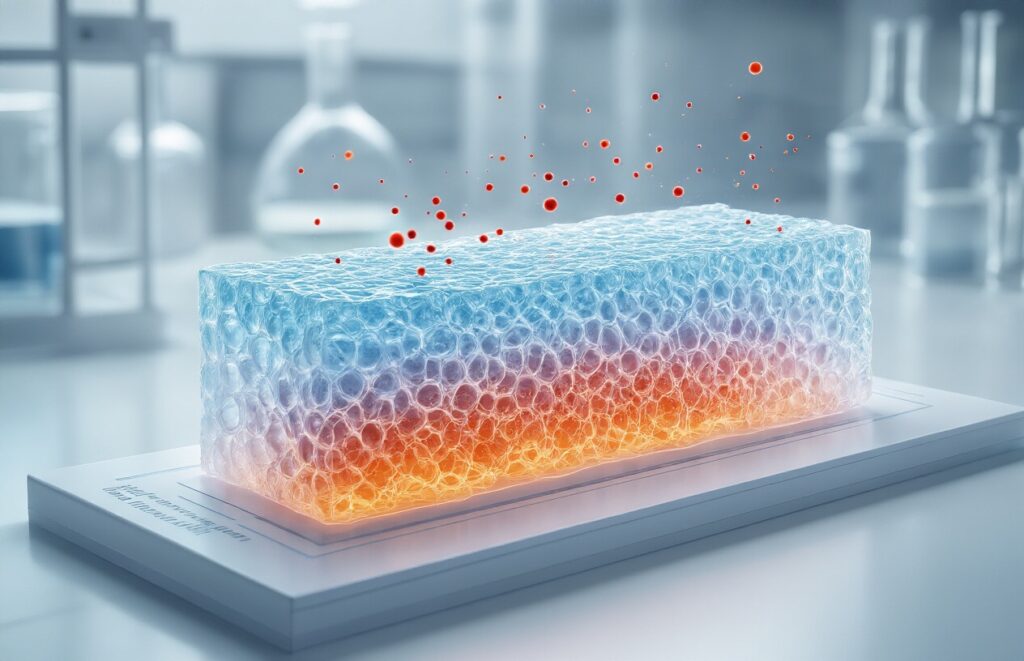
Aerogel’s extraordinary insulation power comes from its incredibly porous structure, where 90-99% of the material is air trapped within a delicate silica framework. These nanometer-sized pores create millions of tiny air pockets that prevent heat molecules from moving freely through the material. When heat tries to conduct through solid pathways, it hits dead ends at every turn, forcing energy transfer to slow dramatically compared to dense materials like metals or traditional insulation.
Reduced Convective Currents Within Material Matrix
The small pore size of aerogel severely limits air movement within the material, thereby virtually eliminating convective heat transfer. Unlike traditional insulation, where air can circulate in larger spaces, aerogel’s pores are so small that air molecules can’t establish the circulation patterns needed for convection. This creates a nearly motionless air environment in which heat can move only through much slower diffusion processes.
Low Emissivity Minimizes Radiant Heat Loss
Aerogel’s unique surface properties give it a remarkably low thermal emissivity, meaning it doesn’t readily absorb or emit radiant heat. The material’s translucent, highly reflective structure bounces thermal radiation back rather than allowing it to pass through. Some aerogel formulations include infrared-opacifying additives that further reduce radiative heat transfer, making the material effective against all three heat transfer mechanisms simultaneously – conduction, convection, and radiation.
Performance Advantages in Arctic and Sub-Zero Environments

Maintains insulation effectiveness at -40°F and below
Aerogel insulation performs exceptionally well when temperatures drop to extreme lows. Unlike conventional materials that lose thermal resistance in frigid conditions, aerogel maintains its structural integrity and insulation properties even at -40°F and beyond. The material’s unique nanoporous structure remains stable across temperature fluctuations, delivering consistent R-values that protect critical systems from heat loss.
Prevents ice crystal formation within material structure
The hydrophobic nature of aerogel creates a barrier against moisture infiltration that typically plagues traditional insulation materials. This prevents ice crystal formation within the material’s structure, which would otherwise compromise thermal performance and create thermal bridges. Aerogel’s moisture resistance ensures long-term reliability in environments where freeze-thaw cycles constantly challenge material durability.
Reduces energy consumption for heating systems
| Energy Savings Comparison | Traditional Insulation | Aerogel Insulation |
| Heat Loss Reduction | 60-70% | 85-95% |
| Heating System Runtime | Standard | 30-40% Less |
| Annual Energy Costs | Baseline | 25-35% Lower |
Building operators report significant reductions in heating costs when aerogel replaces conventional insulation in cold climates. The superior thermal barrier reduces the workload on heating systems, allowing them to maintain comfortable temperatures with less energy input.
Extends equipment lifespan in harsh climates
Equipment protected by aerogel insulation experiences less thermal stress and temperature fluctuation damage. The material’s ability to maintain consistent temperatures around sensitive components prevents:
- Condensation-related corrosion
- Thermal expansion and contraction damage
- Component failure from temperature cycling
- Premature degradation of seals and gaskets
This protection translates to extended maintenance intervals and reduced replacement costs for critical equipment operating in extreme cold environments.
Applications in High-Temperature Industrial Settings

Protects Personnel from Extreme Heat Exposure
Aerogel insulation creates a vital barrier between workers and dangerous heat sources in steel mills, refineries, and power plants. The material’s exceptional thermal resistance keeps surface temperatures low even when interior pipes reach 1000°F or higher. This protection allows maintenance crews to work safely near furnaces and boilers without bulky protective gear.
Maintains Process Efficiency in Furnaces and Reactors
High-temperature manufacturing processes demand consistent thermal control to maintain product quality and energy efficiency. Aerogel’s superior insulating properties minimize heat loss from reactor walls and furnace chambers, keeping internal temperatures stable while reducing fuel consumption. Chemical processing plants and metal foundries benefit from tighter temperature control, resulting in higher yields and lower production costs.
Reduces Cooling Costs in Manufacturing Facilities
Industrial facilities using aerogel insulation experience significant reductions in air-conditioning costs during hot-weather operations. The material prevents heat transfer from production equipment into surrounding workspaces, maintaining comfortable temperatures without overworking HVAC systems. Manufacturing plants report energy savings of 30-50% compared to traditional insulation methods, particularly in glass manufacturing and ceramics production where extreme heat is constant.
Comparing Aerogel to Traditional Insulation Materials
Space-saving benefits with thinner installation profiles
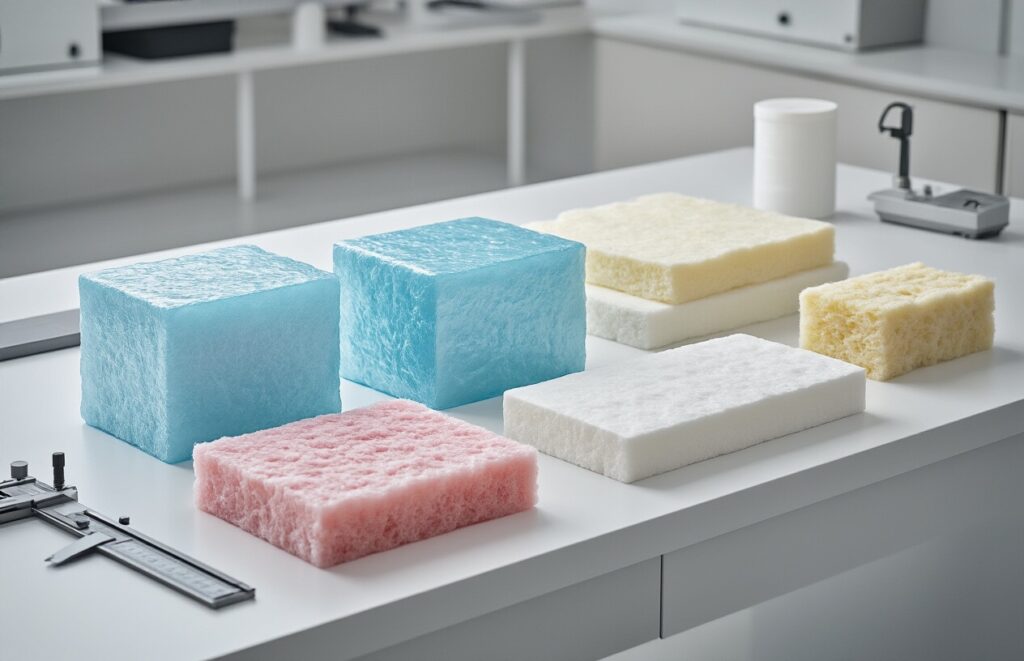
Aerogel delivers exceptional thermal performance while requiring dramatically less space than traditional materials. Standard fiberglass insulation requires 6-8 inches of thickness to match the performance of aerogel, which achieves the same performance in just 1-2 inches. This space efficiency proves invaluable in cramped applications like spacecraft, submarines, and retrofitting existing buildings, where wall cavity space is limited.
Weight reduction advantages for structural applications
The ultra-light nature of aerogel creates significant advantages for weight-sensitive projects. While traditional insulation materials can add substantial load to structures, aerogel weighs up to 95% less than conventional alternatives. This weight reduction becomes critical in aerospace applications, mobile equipment, and buildings where structural load capacity is constrained, allowing engineers to maximize insulation performance without compromising structural integrity.
Long-term durability outperforms conventional options
Aerogel maintains its insulating properties far longer than traditional materials. Unlike fiberglass that can settle and compress over time, or foam insulation that degrades with temperature cycling, aerogel’s nanoporous structure remains stable for decades. This durability translates to consistent thermal performance without the gradual efficiency loss common in conventional insulation systems.
Cost-effectiveness despite higher initial investment
| Material | Initial Cost | Lifespan | Maintenance | Total Cost |
| Aerogel | High | 50+ years | Minimal | Moderate |
| Fiberglass | Low | 15-25 years | Replacement needed | High |
| Foam | Moderate | 10-20 years | Regular replacement | High |
While aerogel costs more upfront, its exceptional longevity and minimal maintenance requirements create long-term savings. The reduced installation time from thinner profiles also lowers labor costs, making aerogel increasingly competitive with traditional materials when total lifecycle costs are considered.
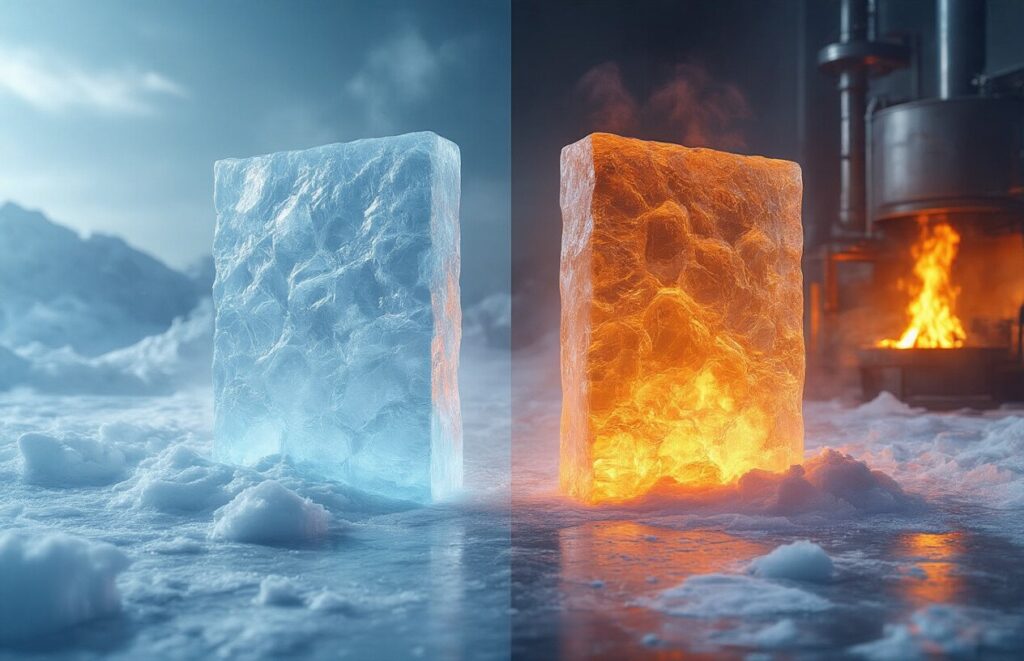
Aerogel stands out as a game-changer in the insulation space, delivering unmatched performance that other materials simply can’t match. Its unique structure blocks heat transfer like nothing else, making it the go-to choice for everything from Arctic expeditions to blazing hot industrial equipment. When you compare it side by side with traditional insulation, aerogel outperforms traditional insulation in extreme conditions.
If you’re dealing with situations where temperature control is critical and failure isn’t an option, aerogel deserves serious consideration. Yes, it costs more upfront than standard materials, but the superior protection and energy savings make it worth every penny. Don’t let extreme temperatures compromise your operations – invest in insulation technology that actually works when you need it most.