
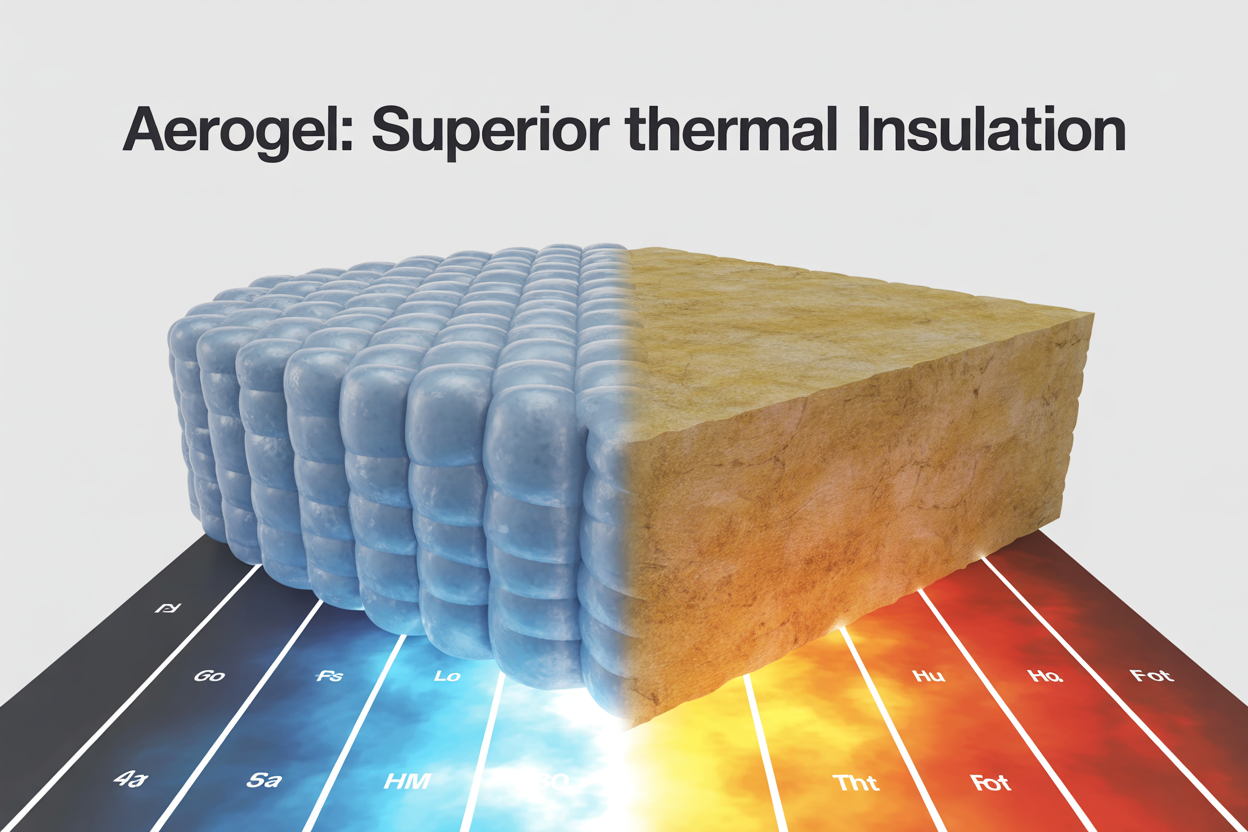
Aerogel thermal insulation is changing how engineers, architects, and product designers think about keeping heat where it belongs. This lightweight material outperforms traditional insulation such as fiberglass, foam, and mineral wool in ways that matter for your projects.
This guide is for professionals working on aerospace components, building construction, industrial equipment, and consumer products who need the best thermal protection without adding bulk or weight.
We’ll explore aerogel’s exceptional thermal performance, which can beat conventional materials by up to 50%, and how its ultra-lightweight properties can reduce your space requirements by 70%. You’ll also discover why aerogel’s durability makes it a smart long-term investment compared to traditional insulation that degrades over time.
Superior Thermal Performance Characteristics
Exceptional Low Thermal Conductivity Values
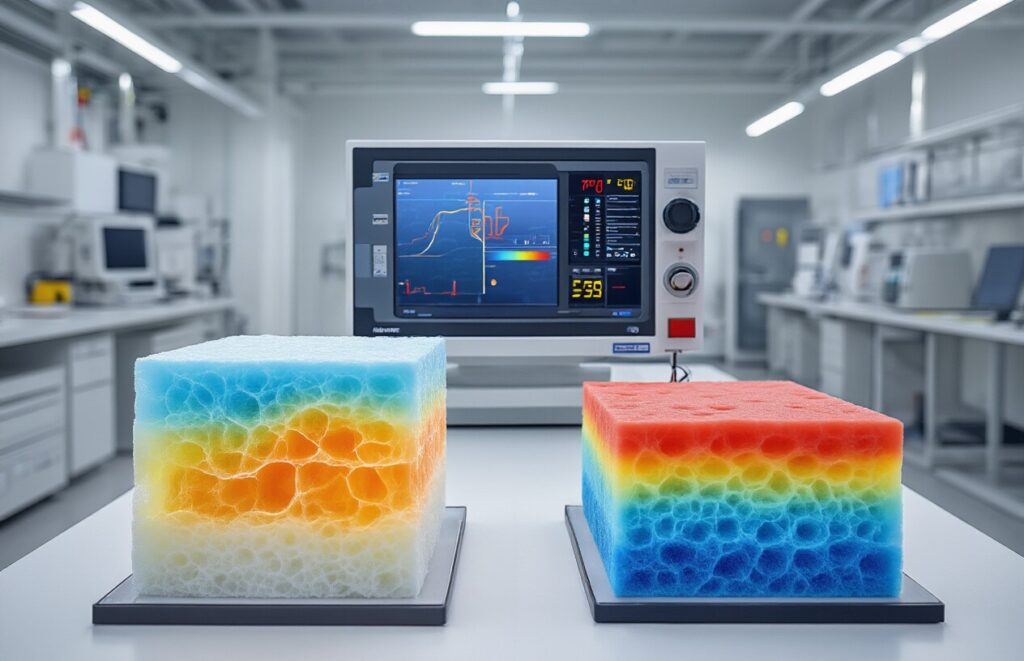
Aerogels achieve thermal conductivity values as low as 0.013 W/m·K, making them among the most effective insulators available. This performance stems from their unique nanoporous structure, which traps air molecules and severely limits heat transfer through conduction and convection.
Minimal Heat Transfer Across Wide Temperature Ranges
These materials maintain their insulation properties from cryogenic temperatures below -200°C to high-temperature applications exceeding 650°C. Traditional materials such as fiberglass and foam typically fail or degrade significantly outside much narrower temperature windows, whereas aerogels continue to deliver consistent thermal protection across extreme temperature ranges.
Outstanding R-Value Performance Per Unit Thickness
| Material | R-Value per inch | Thickness for R-10 |
| Aerogel | R-10 to R-14 | 0.7-1.0 inches |
| Fiberglass | R-3.5 | 2.9 inches |
| Foam Board | R-6.5 | 1.5 inches |
Aerogel blankets deliver R-values up to four times higher than conventional insulation materials at identical thicknesses. This exceptional performance allows engineers to achieve superior thermal protection using significantly thinner profiles, creating design possibilities that weren’t feasible with traditional materials.
Consistent Insulation Properties Under Extreme Conditions
Aerogels resist thermal degradation, moisture absorption, and mechanical compression better than conventional insulators. Where traditional materials might lose 20-50% of their insulating capacity when exposed to humidity, vibration, or temperature cycling, aerogels maintain stable thermal performance. This reliability makes them ideal for aerospace, industrial, and marine applications where consistent protection is critical for safety and performance.
Significant Space and Weight Savings
Ultra-Thin Profile Delivers Maximum Insulation
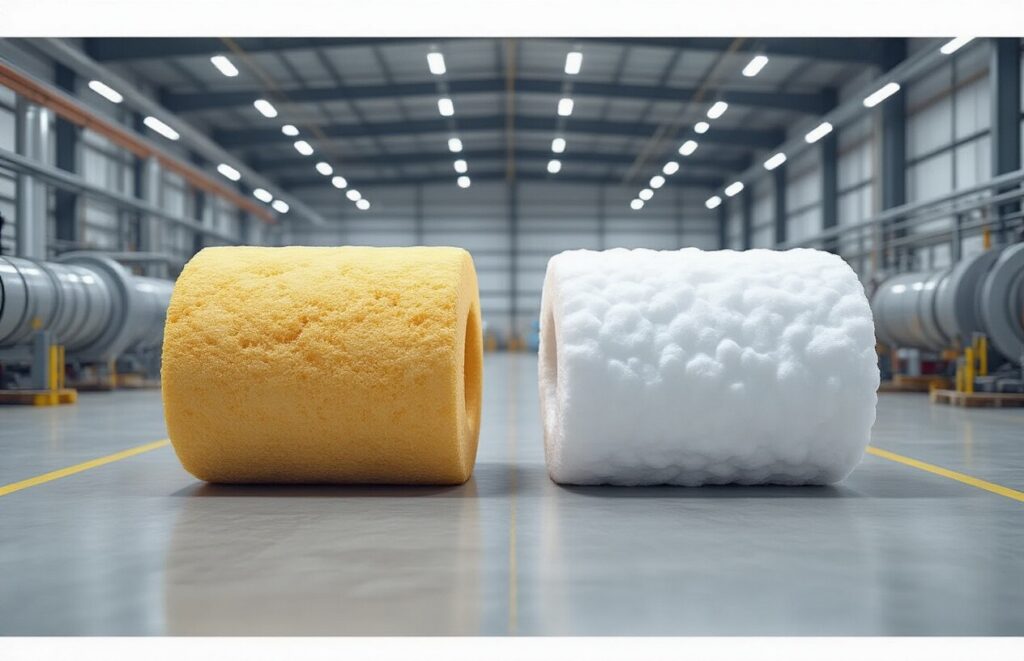
Aerogel insulation achieves remarkable thermal protection with incredibly thin profiles, often just a few millimeters thick compared to traditional materials requiring several inches. This ultra-thin design delivers the same insulating performance while using 90% less space, making it ideal for applications where every inch counts.
Lightweight Construction Reduces Structural Load
Traditional insulation materials such as fiberglass and foam add significant weight to structures, whereas aerogel weighs up to 95% less than conventional alternatives. This dramatic weight reduction means buildings need less structural support, vehicles consume less fuel, and installation becomes easier and safer for workers.
Compact Design Maximizes Usable Space
The compact nature of aerogel insulation creates more space for living or working areas. In cramped environments like spacecraft, submarines, or tiny homes, aerogel’s minimal thickness translates directly into precious extra square footage that would otherwise be lost to bulky insulation layers.
Enhanced Durability and Longevity Benefits

Superior Resistance to Temperature Cycling
Aerogel insulation withstands extreme temperature swings without degrading or losing effectiveness. Unlike traditional materials that expand and contract dramatically, aerogel maintains its structural integrity through countless freeze-thaw cycles. This stability prevents cracking, delamination, and performance degradation that commonly plague conventional insulation systems.
Non-Degrading Properties Over Extended Periods
The unique silica structure of aerogel remains unchanged for decades, maintaining consistent thermal performance throughout its lifespan. Traditional materials like fiberglass and foam often settle, compress, or deteriorate over time, reducing their insulating capacity. Aerogel’s stable nanoporous network resists physical breakdown, ensuring long-term reliability without replacement needs.
Immunity to Moisture Absorption and Damage
Aerogel naturally repels water while allowing vapor transmission, preventing moisture-related problems that destroy other insulation types. Wet insulation loses most of its thermal resistance and can harbor mold or bacteria. Aerogel’s hydrophobic properties keep it dry and effective even in humid environments, eliminating moisture-induced failures.
Chemical Stability Against Environmental Factors
The chemically inert nature of aerogel provides exceptional resistance to acids, bases, solvents, and UV radiation. This chemical stability prevents degradation from environmental pollutants or cleaning agents that can damage organic insulation materials. Aerogel maintains its properties in harsh industrial environments where traditional materials would quickly fail.
Versatile Application Capabilities
Flexible Installation in Complex Geometries
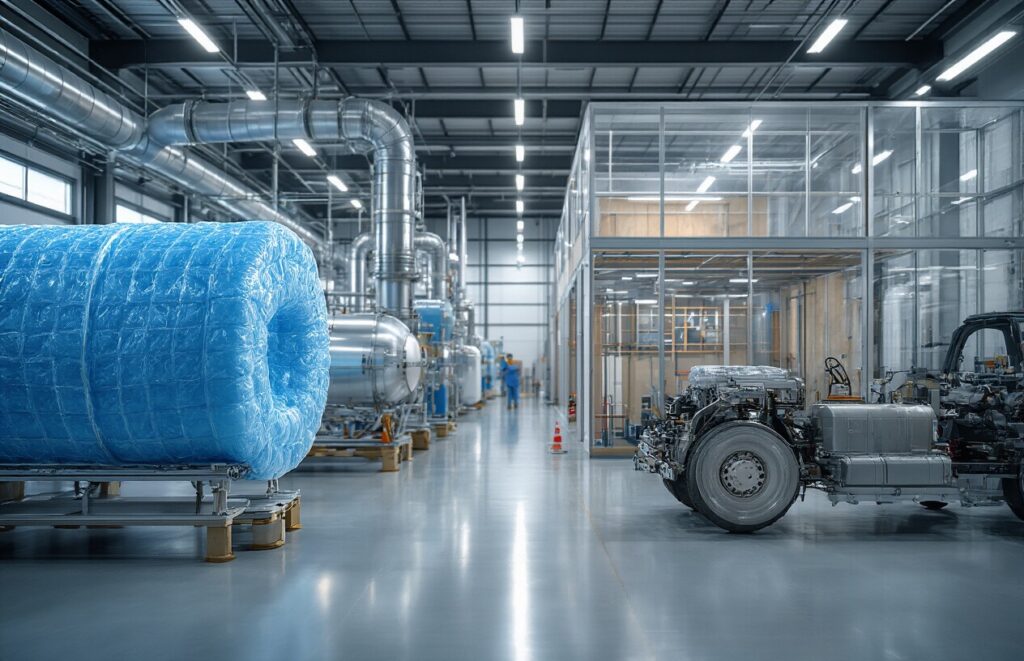
Aerogel insulation adapts easily to irregular shapes, curved surfaces, and tight spaces where traditional materials fail. Its pliable nature allows installation around pipes, ducts, and equipment with complex configurations without creating thermal bridges or air gaps.
Compatibility with Various Surface Materials
Aerogel bonds effectively with metals, concrete, plastics, and composites without requiring specialized adhesives or surface treatments. This universal compatibility streamlines installation processes and reduces material costs across diverse industrial applications.
Effective Performance in Both Hot and Cold Applications
The material maintains consistent insulation properties across extreme temperature ranges, from cryogenic conditions to high-heat industrial processes. Unlike conventional insulators that degrade or become ineffective at temperature extremes, aerogel delivers reliable thermal protection in both heating and cooling applications.
Environmental and Economic Advantages

Reduced Energy Consumption for Heating and Cooling
Aerogel insulation significantly reduces energy use by maintaining consistent indoor temperatures with minimal HVAC operation. Buildings equipped with aerogel materials require up to 50% less energy for climate control compared to traditional insulation methods.
Lower Carbon Footprint Through Improved Efficiency
The exceptional thermal performance of aerogel directly translates to reduced greenhouse gas emissions. By requiring less energy for heating and cooling, buildings contribute significantly fewer carbon emissions throughout their operational lifespan.
Long-Term Cost Savings Despite Higher Initial Investment
While aerogel costs more upfront, the energy savings compound over decades. Property owners typically recover their initial investment within 5-10 years through reduced utility bills, making it a financially sound choice for long-term building performance.
Sustainable Manufacturing Process Options
Modern aerogel production incorporates eco-friendly methods, including supercritical drying techniques that minimize chemical waste. Many manufacturers now use renewable energy sources and recyclable precursor materials, reducing the environmental impact of production processes.
Minimal Material Waste During Installation
Aerogel’s flexible blanket forms and precise cutting capabilities result in virtually zero installation waste. Unlike traditional insulation that often requires oversizing and trimming, aerogel can be cut to exact specifications, maximizing material utilization and reducing landfill contributions.
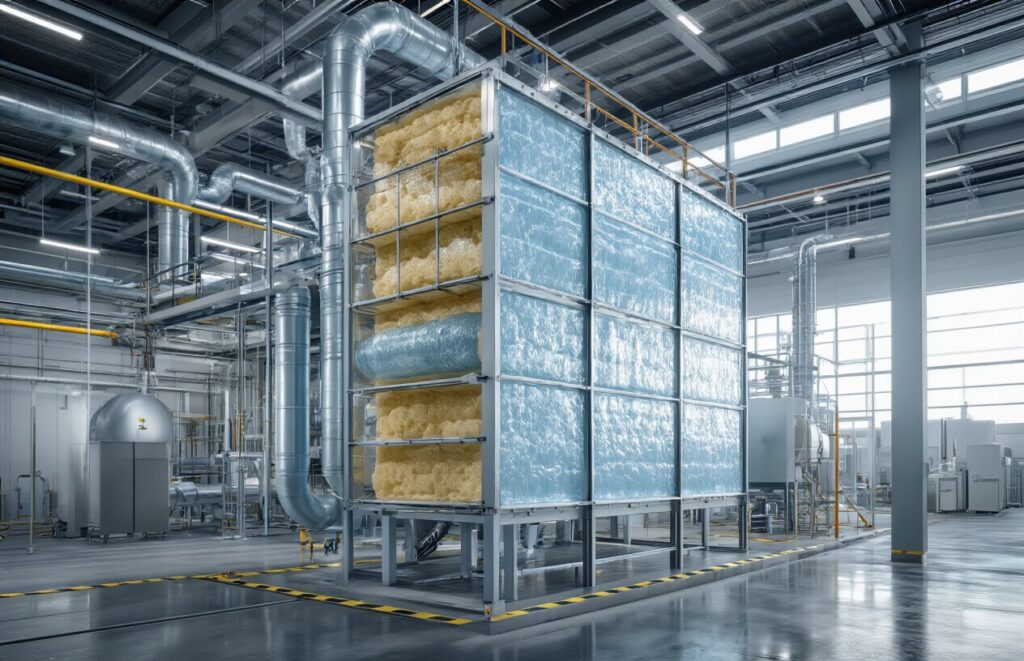
Aerogel thermal insulation clearly beats traditional materials in almost every way that matters. You get excellent thermal performance that keeps temperatures stable while using much less space and weight than traditional insulation. Additionally, aerogel lasts longer and performs in more situations than conventional materials.
The real game-changer here is how aerogel helps both your wallet and the planet. Sure, the upfront cost might be higher, but you save money over the long term through improved energy efficiency and fewer replacements. If you’re planning any insulation project, especially where space is tight or performance really counts, aerogel deserves serious consideration. It’s not just about following trends – it’s about choosing insulation that actually delivers results.